
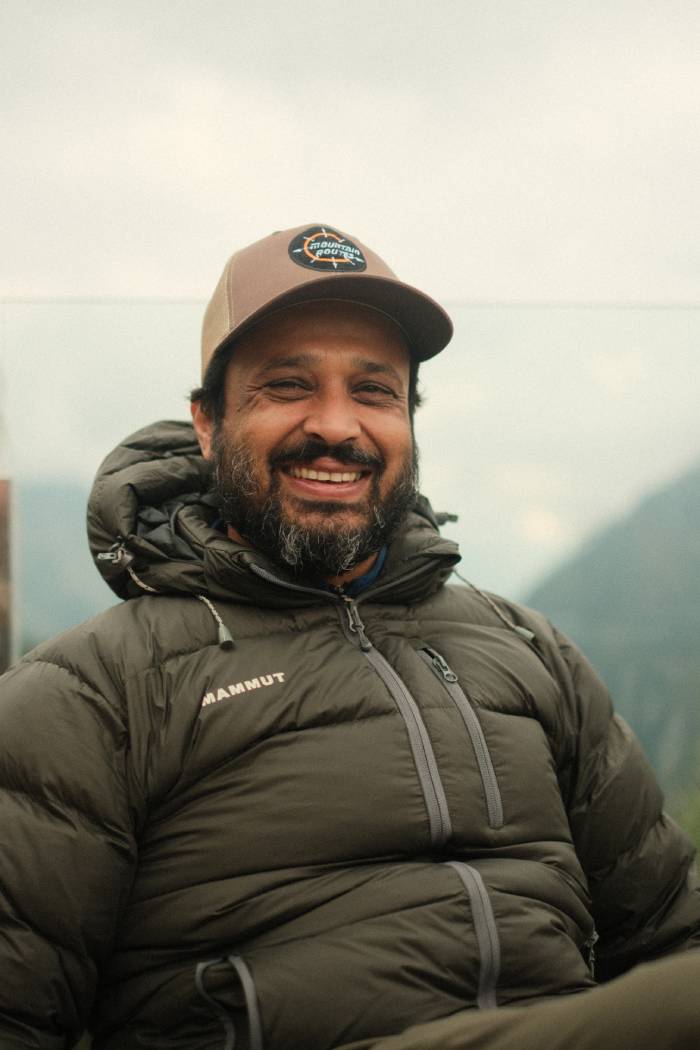
The Langtang trek is one of Nepal’s most scenic short treks, where the towering Himalayas meet deep alpine forests and traditional Tamang culture.
The 7-day Valley trekking adventure offers the perfect blend of stunning mountain vistas, rich cultural experiences. It is perfect with moderate trekking challenges suitable for adventurers of all levels. This trek takes you through traditional Tamang villages, ancient monasteries, and breathtaking alpine landscapes, culminating in spectacular views of Langtang Lirung (7,227m) and surrounding Himalayan peaks.
The trek is often called the "Valley of Glaciers" and represents one of Nepal's hidden gems. It offers an authentic Himalayan experience without the crowds of more popular trekking routes.
Langtang Trek Overview
The Langtang Valley trekking route lies just north of Kathmandu and is considered one of the most accessible Himalayan treks. Despite being lesser-known than Everest or Annapurna, this valley is a hidden gem featuring spectacular peaks such as Langtang Lirung (7,227 m), vibrant rhododendron forests, glacial rivers, and warm, welcoming mountain villages.
We begin our Langtang Valley Trek with a scenic drive from Kathmandu to Syabrubesi, a charming village that serves as the gateway to the Langtang region The journey takes us through winding mountain roads, offering breathtaking views of terraced fields, rivers, and snow-capped peaks. From Syabrubesi, our trek kicks off with a steady ascent to Lama Hotel, where the peaceful forests and rushing rivers provide the perfect setting for our adventure. The following day, we continue our trek to the traditional Langtang Village, where we experience authentic Tamang culture and warm local hospitality. Our trail then leads us to the spiritual heart of the valley, Kyanjin Gompa. After soaking in the mountain beauty, we begin our return journey, descending to Rimche Danda and later passing through Sherpa Gaun and Khangjim Village. Finally, we make our way back to Syabrubesi and take a bus ride to Kathmandu, concluding our enriching week-long adventure in the Langtang Valley.
Highlights for Trekking to Langtang Valley
- Amazing Mountain Views: See stunning views of Langtang Lirung (7,227m), Ganesh Himal, Dorje Lakpa, and many other tall mountains between 6,000 to 7,000 meters.
- Local Culture & Traditions: Experience the real Tamang culture, visit the old Kyanjin Gompa monastery, and meet kind and welcoming local people.
- Beautiful Nature & Landscapes: Walk through colorful rhododendron forests, bamboo woods, open grassy fields, and glacier valleys inside Langtang National Park.
- Tserko Ri Hike: Option to climb Tserko Ri (4,984m) for amazing 360-degree views of the snowy mountains.
- Traditional Villages: Explore lovely mountain villages like Langtang Village, Mundu, and Kyanjin Gompa.
- Wildlife Sightings: You might see red pandas, musk deer, Himalayan tahr, and many kinds of birds along the trail.
- Yak Cheese Factory: Visit a local yak cheese factory in Kyanjin Gompa and learn how cheese is made in the mountains.
- Quiet Trails: Enjoy peaceful trekking paths with fewer tourists, perfect for a quiet nature experience.
- Natural Hot Springs: Take a relaxing dip in natural hot springs found at some places along the way.
Includes
- Licensed Local Guide
- Porter Service
- Langtang National Park entry permit
- TIMS (Trekkers’ Information Management System) card
- Meals: Breakfast, Lunch, and Dinner
- Accommodation (Three star in Kathmandu and Teahouses in Trekking)
- First Aid Kit: Available with the guide
- Pre-departure Information
- All government taxes
- Farewell Dinner
- Souvenir: Mountain Routes T-shirt
Excludes
- International airfare
- Travel insurance
- Nepal visa fee
- Personal expenses (Phone calls, WiFi, bar bills, laundry, boiled water and hot shower)
- Tipping to porter and guide.
Detailed Langtang Trek Itinerary (7 Days)
Day 01: Journey from Kathmandu to Syabrubesi
Day 02: Trek from Syabrubesi to Lama Hotel
Day 03: Trek from Lama Hotel to Langtang Village
Day 04: Trek from Langtang Village to Kyanjin Gompa
Day 05: Trek back from Kyanjin Gompa to Rimche Danda
Day 06: Trek from Rimche Danda to Syabrubesi via Sherpa Gaun and Khangjim Village
Day 07: Return to Kathmandu
Day 01: Journey from Kathmandu to Syabrubesi
Altitude: 1,550m | Driving Time: 7-8 hours | Distance: 117km
Your Langtang valley trek itinerary begins with an early morning departure from Kathmandu. It will take us about 7-8 hours to get there. We will start early today, as there is a long road journey ahead of us. The path from Kathmandu to Syafru Besi is a winding path, through frequent switchbacks. But the good thing about our trip is that the beautiful mountain range will accompany us throughout. Amazing views of Mount Manaslu, Annapurna, and Ganesh Himal are sure to win our hearts. After reaching Syafru Besi, we will check into our hotels and spend the night there.
Day 02: Trek from Syabrubesi to Lama Hotel
Altitude: 2,380m | Trekking Time: 5-6 hours | Distance: 11.5km
With an early breakfast, on the 2nd day of our Langtang valley trek, we will trek from Syafru Besi to the Lama Hotel. It will take us about 6 hours of time to reach there. The trail starts along the Langtang Khola (river). As you follow the Langtang Khola, you enter the Langtang National Park. We will then traverse through beautiful Rhododendron and oak forests, with continuous ups and downs, throughout it. Continuing along the trail, we will soon come across a bridge over the Langtang Khola. After crossing the bridge, the trail is steeply upwards, which will finally lead us to the Lama Hotel. Upon reaching the Lama hotel, we will check into our lodge and then have a good night’s sleep there.
Day 03: Trek from Lama Hotel to Langtang Village
Altitude: 3,430m | Trekking Time: 5-6 hours | Distance: 14.9km
This day of your Langtang trek route takes you deeper into the valley, with increasingly spectacular mountain views. The trail continues through mixed forests before emerging into alpine meadows with scattered Tamang settlements. You'll pass through Ghoda Tabela (Horse Stable), historically used as a grazing area for horses and yaks. The landscape dramatically opens up as you approach Langtang Village. It offers your first clear views of Langtang Lirung and the surrounding peaks. The village itself is a fascinating blend of traditional Tamang architecture and Buddhist culture, with prayer flags, mani walls, and ancient chortens dotting the landscape. This is an excellent opportunity to experience authentic mountain culture during your Langtang Trek Nepal adventure.
Day 04: Trek from Langtang Village to Kyanjin Gompa
Altitude: 3,870m | Trekking Time: 3-4 hours | Distance: 6.8km
Today's trek is shorter but takes you into the heart of the Langtang Valley. The trail is relatively gentle, winding through yak pastures and providing continuous mountain views. You'll pass through Mundu village and several cheese factories where local people produce traditional yak cheese using Swiss techniques introduced decades ago. Kyanjin Gompa is one of the highlights of any Langtang Trek. It features an ancient Buddhist monastery, a traditional cheese factory, and stunning 360-degree mountain views. It is truly magical, surrounded by towering peaks and glaciers.
Day 05: Trek back from Kyanjin Gompa to Rimche Danda
Altitude: 2,400m | Trekking Time: 6-7 hours | Distance: 15km
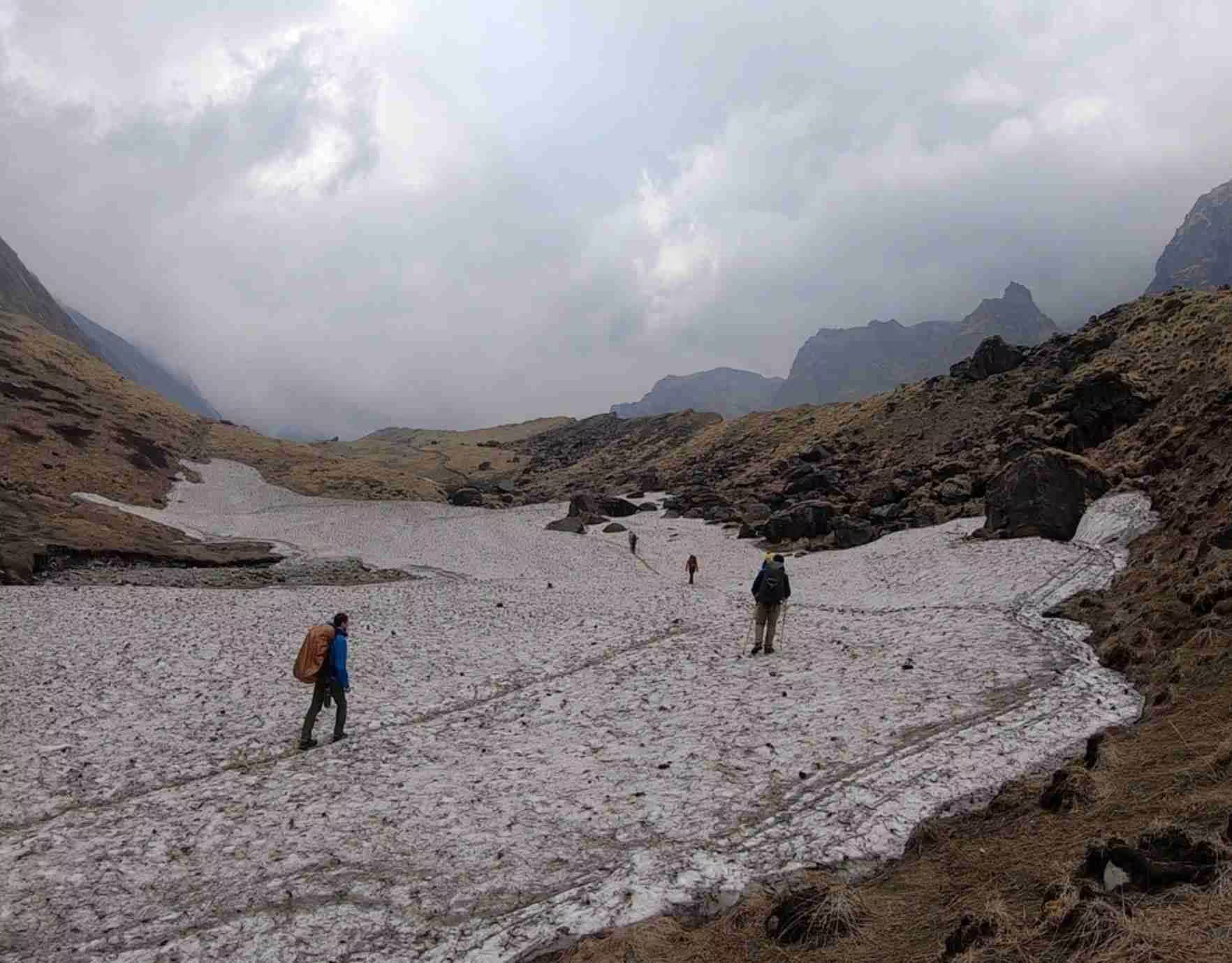
After an optional early morning hike to Tserko Ri (4,984m) for spectacular sunrise views, we will begin our descent back through the Langtang Valley. The return journey along your trek route offers different perspectives on the landscapes you passed earlier, with afternoon lighting providing excellent photography opportunities. Rimche Danda is a small settlement that serves as a convenient stopping point. This descends through alpine meadows and returns to lower elevations for the night. The dramatic change in altitude and ecosystem provides an interesting contrast to your ascent, as you transition from alpine environments back toward temperate forests.
Day 06: Trek from Rimche Danda to Syabrubesi via Sherpa Gaun and Khangjim Village
Altitude: 1,550m | Trekking Time: 5-6 hours | Distance: 12km
Your final trekking day takes you through traditional villages often missed by trekkers taking the direct route. Sherpa Gaun and Khangjim Village offer authentic cultural experiences and insights into rural mountain life. The trail provides different perspectives on the Langtang Valley and opportunities to interact with local communities. The descent is generally pleasant, following ancient trade routes through terraced fields and traditional settlements.
You'll arrive back in Syabrubesi by late afternoon, where you can celebrate the completion of your Langtang trekking adventure with your team and reflect on the incredible experiences of the past week.
Day 07: Return to Kathmandu
Driving Time: 7-8 hours
Your Langtang trek itinerary concludes with the scenic drive back to Kathmandu. The journey provides time to process your mountain experiences and enjoy final views of the landscapes you've explored. You'll arrive in Kathmandu by late afternoon, with time to rest, shop for souvenirs, or explore the city's cultural sites.
Short Langtang Valley Trek (5 Days Option)
For those with limited time, we offer a Short Langtang Valley trek option that covers the essential highlights in 5 days:
5 Days Langtang Valley Trek Itinerary:
- Day 1: Kathmandu to Syabrubesi (drive)
- Day 2: Syabrubesi to Lama Hotel (trek)
- Day 3: Lama Hotel to Kyanjin Gompa via Langtang Village (trek)
- Day 4: Kyanjin Gompa to Lama Hotel (trek back)
- Day 5: Lama Hotel to Syabrubesi and drive to Kathmandu
This Valley Trek 5-day option provides core mountain views and cultural experiences while accommodating shorter vacation schedules. The 5-day Langtang Valley trek maintains the essential elements of the longer itinerary while streamlining the route for maximum efficiency.
Langtang Valley Trek Cost and Pricing Details
Our Langtang Valley trek cost varies depending on group size, season, and service level chosen:
Standard Package Pricing
No. of Persons | Price per Person |
|---|---|
1 Pax | US$ 680 |
2 – 7 Paxes | US$ 580 |
8 – 15 Paxes | US$ 529 |
The Langtang Valley trek cost includes all essential services mentioned in our inclusions list. We offer transparent pricing with no hidden fees, and payment can be made through various methods, including bank transfer, credit card, or cash upon arrival in Nepal.
Optimal Time for Langtang Valley Trekking
The trek to Langtang can be undertaken year-round, but there are certain favorable seasons. The ideal time to enjoy the trek is during the autumn season (September – mid-December) and also during the spring season (March-May). The climatic conditions are perfect at this time, and pleasant views of the area can be enjoyed.
Best Seasons:
- Spring (March-May): Clear mountain views, blooming rhododendrons, moderate temperatures.
- Autumn (September-November): Crystal clear visibility, stable weather, comfortable temperatures.
Alternative Seasons:
- Winter (December-February): Clear views but cold temperatures, possible snow at high altitudes.
- Monsoon (June-August): Lush green landscapes but cloudy conditions and occasional rain.
Weather Patterns and Preparation
It is essential to know about the weather patterns along the trek to Langtang for a safe and enjoyable experience. The trek covers a wide range of altitudes, from Syabrubesi at 1,550 meters to Kyanjin Gompa at nearly 3,900 meters. Seasonal changes also play a big role, affecting temperature, rainfall, and trail conditions.
Temperature Ranges by Altitude:
Location | Altitude (m) | Day Temperature | Night Temperature |
|---|---|---|---|
Syabrubesi | 1,550 m | 15–25 °C | 5–15 °C |
Lama Hotel | 2,380 m | 10–20 °C | 0–10 °C |
Langtang Village | 3,430 m | 5–15 °C | –5 to 5 °C |
Kyanjin Gompa | 3,870 m | 0–10 °C | –10 to 0 °C |
Rainfall and Snow Expectations:
During monsoon season (June-August), expect afternoon showers and increased cloud cover. Winter months may bring snow above 3,000m, particularly at Kyanjin Gompa and higher elevations. Spring and autumn typically offer the driest conditions with minimal precipitation.
Essential Preparation for Langtang Trek, Nepal
The preparation for the 7-day Langtang Valley trek needs to be organized properly. This will ensure a safe and amazing experience in the valley. Certain factors, including the physical fitness and the packing list, are essential.
Physical Fitness Requirements
The trek to Langtang requires moderate physical fitness and mental preparation. While not technically demanding, the trek involves 5-7 hours of walking daily over varied terrain with significant altitude gain.
Recommended Training:
- Cardiovascular Fitness: Regular hiking, jogging, cycling, or swimming 4-6 weeks before the trek
- Leg Strength: Hill walking, stair climbing, squats, and lunges
- Endurance Building: Gradually increase daily walking distances with a loaded backpack
- Altitude Preparation: If possible, spend time at altitude or use altitude training masks
Health Considerations:
- Medical Checkup: You can consult your doctor before undertaking high-altitude trekking
- Altitude Sickness Awareness: It is essential to learn symptoms and prevention strategies
- Existing Conditions: Inform guides about any medical conditions or medications
- Travel Insurance: Ensure coverage includes high-altitude trekking and evacuation
Packing List and Gear Guide
Essential Clothing:
- Base Layers: Moisture-wicking thermal underwear
- Insulation: Fleece or down jacket for warmth
- Outer Shell: Waterproof and windproof jacket and pants
- Trekking Pants: Comfortable, quick-dry trekking trousers
- Undergarments: Multiple changes of moisture-wicking underwear and socks
Footwear:
- Trekking Boots: Broken-in, waterproof hiking boots with ankle support
- Camp Shoes: Lightweight sandals or sneakers for evenings
- Gaiters: Protection from mud, snow, and debris
Equipment:
- Backpack: 40-50L capacity with rain cover
- Sleeping Bag: Rated for expected temperatures
- Trekking Poles: Highly recommended for knee protection
- Headlamp: With extra batteries
- Water Bottles: Insulated bottles or hydration system
- Personal First Aid: Including altitude sickness medication
Accommodation and Meals on the trek to Langtang
During the trek, you’ll stay in traditional mountain lodges known as tea houses. These are locally run accommodations that offer a warm and welcoming atmosphere. While the facilities are simple, they provide everything a trekker needs after a long day on the trail.
Tea House Lodging Experience
The trekking utilizes traditional tea house accommodation and provides authentic mountain hospitality throughout the journey. Most rooms are simple twin-bed setups, equipped with essential furniture such as a small table. Bathroom facilities are typically shared, with a mix of squat and western-style toilets depending on the lodge. Electricity is usually provided through solar power systems, offering limited access for charging electronic devices. Some lodges also offer WiFi services for an additional fee, though connectivity may be slow.
Food and Dining during the Langtang Trek
Tea house menus offer a variety suitable for international trekkers, featuring Nepali, Tibetan, Indian, and continental dishes. Dal bhat (lentil curry with rice) provides excellent nutrition and energy for trekking, while pasta, noodles, and potato dishes offer familiar alternatives.
Typical Menu Items:
- Breakfast: Porridge, eggs, pancakes, toast, tea/coffee
- Lunch: Noodle soup, fried rice, momos (dumplings), sandwiches
- Dinner: Dal bhat, pasta, pizza, curry dishes, soup
Dietary Accommodations and Food Safety:
Most lodges can accommodate vegetarian diets easily, while vegan and special dietary requirements may be more challenging. It can be easily managed with advanced notice. It is crucial to care of your diet during the trek. Stick to hot, freshly cooked meals and avoid raw vegetables or salads. Bottled or properly treated water is essential for preventing waterborne illnesses during your Langtang Trek Nepal adventure.
Permits Required for Trekking to Langtang
The permits for the trek to Langtang are the Langtang National Park Entry Permit and TIMS Card (Trekkers’ Information Management System).
- Langtang National Park Entry Permit
- Cost: NPR 3,000 per person (approx. USD 23)
- Issued by: Department of National Parks and Wildlife Conservation (DNPWC)
- Purpose: Grants entry into Langtang National Park, which protects the region’s natural environment and biodiversity.
Where to Get:
- In Kathmandu at the Nepal Tourism Board Office (Bhrikutimandap)
- Or at the park entrance in Dhunche or Syabrubesi (if not obtained in advance
- TIMS Card (Trekkers’ Information Management System)
- Cost: NPR 2,000 per person for individual trekkers (approx. USD 15)
- For Group Trekkers via Agencies: NPR 1,000 per person
- Issued by: Nepal Tourism Board and TAAN (Trekking Agencies’ Association of Nepal)
- Purpose: Helps track trekkers for safety and emergency purposes.
Where to Get:
- Nepal Tourism Board Office (Kathmandu or Pokhara)
- Through your trekking agency, if using one
Why Choose Our 7-Day Langtang Valley Trek Package?
If you're looking for a well-organized, safe, and unforgettable adventure in the Himalayas, our 7-day Langtang Valley Trek package is the perfect choice. We take care of every detail, so you can focus on enjoying the stunning views, rich culture, and peaceful trails of the Langtang region.
Comprehensive service inclusions
We cover everything: guides, porters, permits, tea house stays, meals, transportation, and a detailed trek map, no hidden costs.
Expert local guides and porters
Our licensed, English-speaking guides are locals who know the Langtang area inside out. Porters are well-equipped, insured, and treated fairly.
Safety protocols and equipment
Safety comes first. We carry first aid kits, emergency devices, and monitor your health daily. Rescue support is ready if needed.
Value for money comparison
Enjoy Himalayan beauty and culture for a lower cost than other famous treks, with group discounts and transparent pricing.
Langtang Valley Trek: FAQ
How do I reach the Langtang Valley?
To reach the Langtang Valley, you’ll first travel from Kathmandu to Syabrubesi, which is the starting point of the trek. This is typically a 7–8 hour drive by local bus or private jeep, covering around 117 km. The road winds through scenic hills, rivers, and villages before arriving at Syabrubesi.
How do I prepare for the trek to Langtang?
Prepare by building basic physical fitness through hiking, jogging, or stair climbing. Pack light but essential gear, including proper trekking boots, layered clothing, a sleeping bag, rain gear, and basic medication. Mental preparation is also key—be ready for basic accommodation, changing weather, and altitude.
Do I need trekking experience for this trek?
No prior trekking experience is required, but you should be reasonably fit. The Langtang Valley Trek is considered moderate in difficulty, with manageable daily walking hours (4–7 hours) and gradual elevation gain.
What will be the maximum altitude that we will reach in the Langtang Valley trek?
The highest point reached during the trek is Kyanjin Gompa at 3,870 meters (12,697 feet). However, if you choose to hike to Tserko Ri, you may reach 4,984 meters (16,352 feet), which is optional but highly rewarding.
What type of accommodation should I expect in this trek?
You’ll stay in tea houses, which are local lodges run by mountain families. Rooms are basic with twin beds, blankets, and shared bathrooms. Higher elevations have simpler facilities. Common areas are usually warm with wood stoves, and food is served in a communal dining room.
What is the best time for trekking in Langtang Valley?
The best seasons for trekking in Langtang Valley are spring (March–May) and autumn (September–November). These months offer clear skies, mild temperatures, and dry trails, along with rhododendron blooms in spring and excellent mountain visibility in autumn.
What happens if I get AMS?
If you show symptoms of AMS (headache, dizziness, nausea), you should rest, hydrate, and descend if necessary. Inform your guide immediately. In serious cases, evacuation may be required. Trekking slowly and staying well-hydrated helps prevent AMS.
Can I buy my gear in Nepal?
Yes, Kathmandu has plenty of gear shops, especially in the Thamel area, offering both branded and budget trekking gear. You can buy or rent jackets, sleeping bags, poles, and more.
Is the Langtang region safe for travelling?
Yes, the Langtang region is generally very safe for trekkers. The trails are well-trodden, and locals are friendly and supportive. However, always trek with a guide or in a group for added safety and navigation support.
Who would be responsible for my safety?
Your safety is our priority. Our trained and experienced guides will look after you and the team throughout the trek. Please follow their instructions, they're there to keep you safe and make sure you enjoy every moment in the Langtang Valley.
What about the Langtang permit?
You’ll need two permits:
- Langtang National Park Permit (NPR 3,000)
- TIMS Card (Trekkers’ Information Management System) (NPR 2,000 for independent trekkers or NPR 1,000 with a guide). We will arrange both permits for you.
No comments yet. Be the first to share your thoughts!