
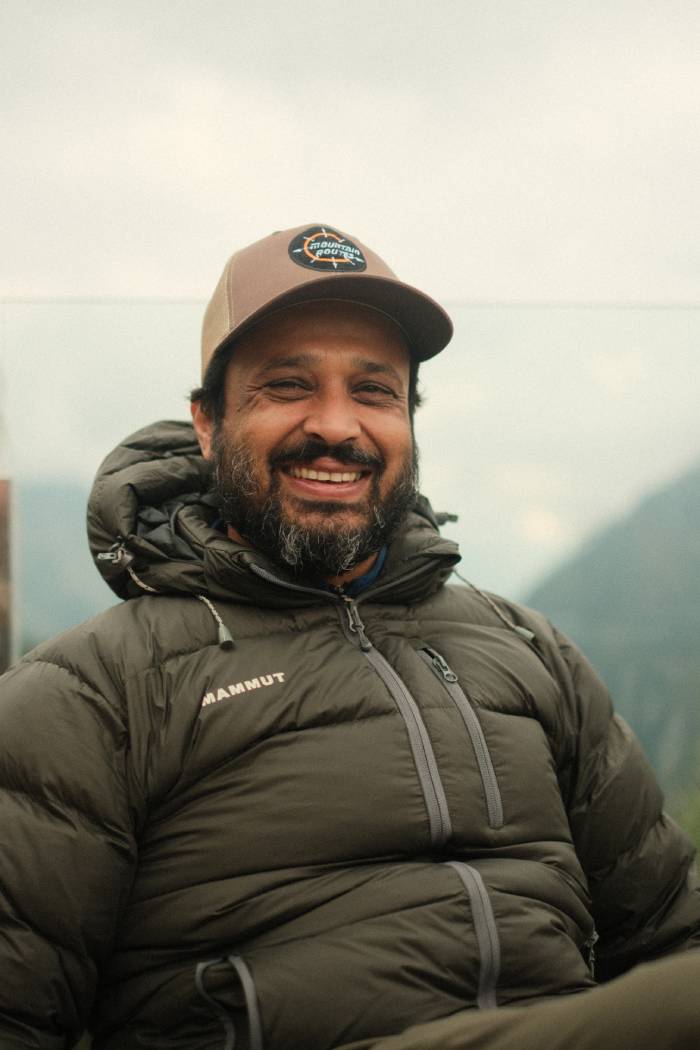
Chisapani represents perfect weekend escape from Kathmandu's urban congestion, offering accessible Himalayan experience without extensive trekking commitment.
Located on Kathmandu Valley's northeastern rim within Shivapuri Nagarjun National Park, this peaceful hilltop village sits at 2,430 meters providing spectacular mountain panoramas accessible through moderate two-day trek. Starting from Sundarijal's waterfalls and ascending through protected forests rich with biodiversity, the journey combines natural beauty, cultural encounters, and rewarding mountain views creating ideal introduction to Nepal trekking.
Name "Chisapani" translates as "cold water" reflecting crisp mountain climate and pristine streams characterizing this elevated sanctuary. Strategic position creates unobstructed northern views revealing Langtang, Ganesh Himal, Dorje Lakpa, and occasionally Mount Everest on exceptionally clear days. Beyond serving as standalone destination, Chisapani functions as gateway to longer Helambu, Langtang Valley, and Gosaikunda treks making it popular acclimatization stop for serious trekkers while offering sufficient rewards for weekend hikers seeking brief mountain immersion.
Understanding Shivapuri Nagarjun National Park's protected status contextualizes hiking within broader conservation framework. Established protecting Kathmandu's watershed, this 159-square-kilometer park harbors diverse ecosystems from subtropical valleys to temperate highland forests. Over 300 bird species, numerous mammals including leopards and black bears, and rare orchids thrive within protected boundaries. Trekking here supports conservation efforts while providing intimate nature contact impossible within Kathmandu proper.
Trail Overview and Geographic Context
Starting Point: Sundarijal
Journey begins at Sundarijal, scenic village approximately 15 kilometers northeast of Kathmandu accessible via one-hour drive. Village name combines "sundari" (beautiful) and "jal" (water) referencing Sundari Mai goddess and abundant waterfalls characterizing area. Bagmati River's sacred source originates here flowing through multiple tributaries including Shyalmati and Nagmati streams before merging and continuing toward Kathmandu Valley.
Old reservoir and dam infrastructure visible near trailhead represents Kathmandu's water supply system dating to early 20th century. Large water pipes running alongside initial trail sections carry mountain water to thirsty capital demonstrating practical connections between highland watersheds and lowland urban populations. Understanding these hydrological relationships reveals how protecting Shivapuri forests ensures Kathmandu's water security.
Shivapuri Nagarjun National Park
Park establishment in 2002 consolidated earlier Shivapuri Watershed and Wildlife Reserve creating comprehensive protected area encircling Kathmandu Valley's northern perimeter. Conservation goals include watershed protection, biodiversity preservation, and sustainable ecotourism development balancing environmental protection with local livelihood needs. Entry permits (NPR 650 for foreigners, NPR 250 SAARC) purchased at army checkpoint fund park management and community development.
Dense forests comprising oak, rhododendron, pine, and various subtropical and temperate species create tiered ecosystems supporting diverse wildlife. Spring months (March-April) bring spectacular rhododendron blooms painting hillsides crimson, pink, and white. Bird watchers record rare Himalayan species including various flycatchers, laughingthrushes, and occasionally endangered species. Understanding park's ecological significance transforms simple hike into meaningful conservation participation.
Mountain Panorama from Chisapani
Clear weather reveals extraordinary Himalayan panorama stretching over 200 kilometers. Langtang range dominates northern horizons including Langtang Lirung (7,227m), Gang Chhenpo, and subsidiary peaks. Ganesh Himal appears northeast showing multiple summits. Dorje Lakpa's distinctive pyramid rises prominently. Gauri Shankar visible east on very clear days. Western perspectives sometimes reveal distant Annapurna and Manaslu though haze often obscures these distant peaks.
Mount Everest theoretically visible from Chisapani though atmospheric conditions rarely permit sightings. Veteran trekkers report occasional glimpses during post-monsoon clarity though considering this possibility rather than expectation prevents disappointment. Binoculars enhance peak identification and detailed mountain observation. Understanding which peaks appear where through guide assistance or mountain charts enriches viewing beyond undifferentiated white mass appreciation.
Two-Day Trek Itinerary and Experience
Day One: Kathmandu to Chisapani via Sundarijal and Mulkharka
Morning Departure (7:00-8:00 AM): Hotel pickup initiates journey with drive through northeastern Kathmandu passing Boudhanath Stupa and Gokarneshwar areas. Road conditions vary from paved highways to rough village roads. Arriving Sundarijal around 9:00 AM allows prompt trek start maximizing daylight hours.
Sundarijal to Park Entrance (1-1.5 hours): Initial trail follows water pipes ascending stone steps alongside cascading streams. Moderate uphill gradient warms muscles gradually. Local vendors sell snacks and beverages at trail start though carrying own supplies ensures availability. Reaching army checkpoint requires presenting permits and registering entry. Brief delay normal during permit verification.
Park Entrance to Mulkharka (2-3 hours): Entering Shivapuri National Park transitions from semi-urban to natural forest environment. Trail steepens considerably requiring sustained uphill effort. Oak and rhododendron forests provide shade cooling exertion. Occasional clearings offer rest opportunities and partial valley views. Bird songs and rustling leaves create peaceful soundtrack contrasting urban noise pollution.
Mulkharka village appears after challenging uphill sections providing welcome rest stop. Traditional Tamang and Newar settlements extend roughly one kilometer along ridgeline. Stone houses with slate roofs demonstrate traditional mountain architecture. Lunch stops at simple teahouses serving dal bhat, noodles, or other basic meals. Interacting with villagers provides cultural glimpses into rural mountain life.
Mulkharka to Chisapani (2-3 hours): Final push continues uphill though gradient moderates somewhat compared to earlier sections. Forest density increases entering park's core protected zones. Wildlife sightings possible though large mammals generally avoid human activity. Trail eventually emerges from forest reaching Chisapani's scattered guesthouses and lodges around 4:00-5:00 PM.
Evening at Chisapani: After 6-7 hours total trekking (including breaks), reaching destination brings deserved satisfaction. Simple guesthouses provide basic but comfortable accommodation. Shared rooms common though private options sometimes available. Evening meals eaten communally in dining halls creates social atmosphere sharing experiences with fellow trekkers. Clear evenings reveal sunset illuminating western horizons and first mountain views whetting appetite for next morning's panorama.
Day Two: Sunrise Views and Return to Kathmandu
Pre-Dawn Wake-Up (5:00-5:30 AM): Early rising catches sunrise illuminating Himalayan peaks creating golden alpenglow against dark blue sky. This magical transformation justifies previous day's hiking effort. Photographers capture dramatic lighting changes. Even non-photographers find profound beauty in watching day break over mountain wilderness.
Breakfast and Preparation (7:00-8:00 AM): Hearty breakfast fuels return journey. Packing belongings and settling accommodation bills prepares departure. Some trekkers explore Chisapani village surroundings if time permits though most begin descent by 8:30-9:00 AM maximizing afternoon arrival in Kathmandu.
Descent to Sundarijal (4-5 hours): Returning via ascent route shows familiar landscapes from different perspectives. Downhill walking easier on cardiovascular system though harder on knees requiring careful footing preventing slips. Rest stops less frequent given easier exertion though maintaining hydration remains important. Reaching Sundarijal by early afternoon allows comfortable Kathmandu return avoiding evening traffic.
Return Drive to Kathmandu: Waiting vehicle transports tired but satisfied hikers back to hotels arriving mid-late afternoon. Two-day mountain escape concludes with renewed appreciation for natural beauty existing so close to urban density and memories motivating future trekking adventures.
Practical Trekking Information
Best Seasons for Chisapani Trek
Autumn (September-November): Peak trekking season with clearest mountain views post-monsoon atmospheric clarity. Comfortable temperatures—warm days, cool nights. Rhododendrons dormant though forest foliage still attractive. Maximum trekker traffic especially October though trail never overcrowded. Higher guesthouse occupancy requires potential room sharing.
Spring (March-May): Second-best season featuring blooming rhododendrons transforming forests into colorful gardens. Good visibility though pre-monsoon haze develops late season. Pleasant temperatures though warming afternoons. Moderate trekker numbers. Wildlife more active during breeding seasons.
Winter (December-February): Cold temperatures especially mornings and nights requiring warm sleeping bags and layers. Crystal-clear mountain visibility when skies cloudless. Very few trekkers creating peaceful solitude. Some guesthouses close though main lodges remain open. Snow possible above 2,000 meters adding winter wonderland character though creating slippery conditions.
Monsoon (June-August): Rain frequent creating muddy trails and leech presence below 2,000 meters. Cloud cover obscures mountains most days. However, occasional clear mornings provide stunning views. Lush green forests and blooming wildflowers create beautiful landscapes. Very few trekkers. Budget travelers find good deals. Flexible expectations about weather necessary.
Physical Requirements and Difficulty
Moderate fitness sufficient for most trekkers. Sustained uphill hiking Day One requires cardiovascular endurance though regular rest stops accommodate varying fitness levels. Total elevation gain approximately 1,200 meters over 6-7 hours creates good workout without extreme demands. Previous trekking experience helpful though not required. Age ranges from fit teenagers to healthy seniors in 60s-70s.
Day Two's descent easier though knee strength important preventing injury on downhill slopes. Trekking poles highly recommended reducing joint stress and improving stability. Understanding personal limitations and pacing appropriately prevents overexertion. Those concerned about fitness can hire porter services carrying packs allowing focus on walking.
What to Pack
Clothing: Layered system accommodating temperature variations. Base layers, insulating mid-layers, waterproof outer shell. Comfortable trekking pants. Warm jacket for evenings and early mornings. Hat and gloves (winter). Sun hat (other seasons). Change of clothes for Day Two.
Footwear: Broken-in hiking boots with ankle support and good tread. Wool or synthetic trekking socks. Camp shoes or sandals for guesthouse use.
Equipment: Daypack (25-30 liters) carrying water, snacks, layers, and personal items. Sleeping bag liner (guesthouses provide blankets though cleanliness varies). Headlamp or flashlight. Trekking poles. Water bottles or hydration system (2 liters capacity). Water purification tablets or filter.
Personal Items: Sunscreen and lip balm. Sunglasses. Basic first aid kit. Personal medications. Toilet paper and hand sanitizer. Camera. Cash for park fees, meals, drinks, and tips.
Attitude: Realistic expectations about basic accommodations, simple meals, and potential weather challenges. Flexibility when plans change. Appreciation for natural beauty over material comforts.
Accommodation and Meals
Simple guesthouses in Chisapani provide basic rooms with beds, blankets, and pillows. Shared bathrooms common with squat or basic western toilets. Hot water sometimes available though not guaranteed. Electricity limited or absent requiring headlamps. Understanding rustic conditions prevents disappointment while appreciating authentic mountain lodge experience.
Meals feature standard trekking fare including dal bhat (unlimited refills), noodle dishes, fried rice, momos, and simple Western options. Food quality acceptable though don't expect gourmet cuisine. Breakfast includes porridge, eggs, bread, and tea/coffee. Vegetarian options abundant. Meat dishes available though quality variable. Bringing supplementary snacks provides dietary insurance.
Costs and Budgeting
Budget approximately $80-120 per person for organized two-day trek including transportation, guide, accommodation, and meals. Independent trekkers reduce costs significantly paying only park entry (NPR 650), guesthouse accommodation (NPR 500-800 per night), and meals (NPR 400-600 daily). Guide services optional for straightforward route though beneficial for first-time trekkers, cultural interpretation, and safety.
Extensions and Variations
Chisapani to Nagarkot Trek: Three-day variation continues from Chisapani to Nagarkot hill station (2,195m) adding ridge walking with continuous mountain views. Popular extended weekend option.
Helambu Circuit Connection: Using Chisapani as gateway to 5-7 day Helambu trek exploring Sherpa villages and higher elevations. Requires additional planning and preparation.
Sundarijal Day Hike: Those lacking overnight time visit Sundarijal for waterfall viewing and partial trail hiking returning same day. Sacrifices Chisapani views but provides nature taste within day trip timeframe.
Frequently Asked Questions
Is guide necessary?
Not essential for straightforward route though beneficial for first-timers providing cultural insights, navigation security, and local knowledge. Solo hiking perfectly feasible for experienced trekkers.
What about altitude sickness?
Unlikely at 2,430 meters though some individuals experience minor symptoms. Gradual ascent, proper hydration, and avoiding alcohol minimize risks. Descending quickly resolves any issues.
Can children participate?
Yes, children 8+ with hiking experience manage well. Family-paced itinerary with extra breaks accommodates younger trekkers. Assessing individual child's fitness and enthusiasm guides decisions.
What if weather turns bad?
Rain gear and flexibility essential. Clouds obscure mountain views though forest hiking remains pleasant. Safety concerns during heavy rain warrant postponement. Checking forecasts helps timing optimal conditions.
Are permits really necessary?
Yes, Shivapuri National Park strictly enforces permit requirements. Checkpoints verify permits refusing entry without proper documentation. Supporting park fees funds conservation benefiting environment and communities.

No comments yet. Be the first to share your thoughts!