
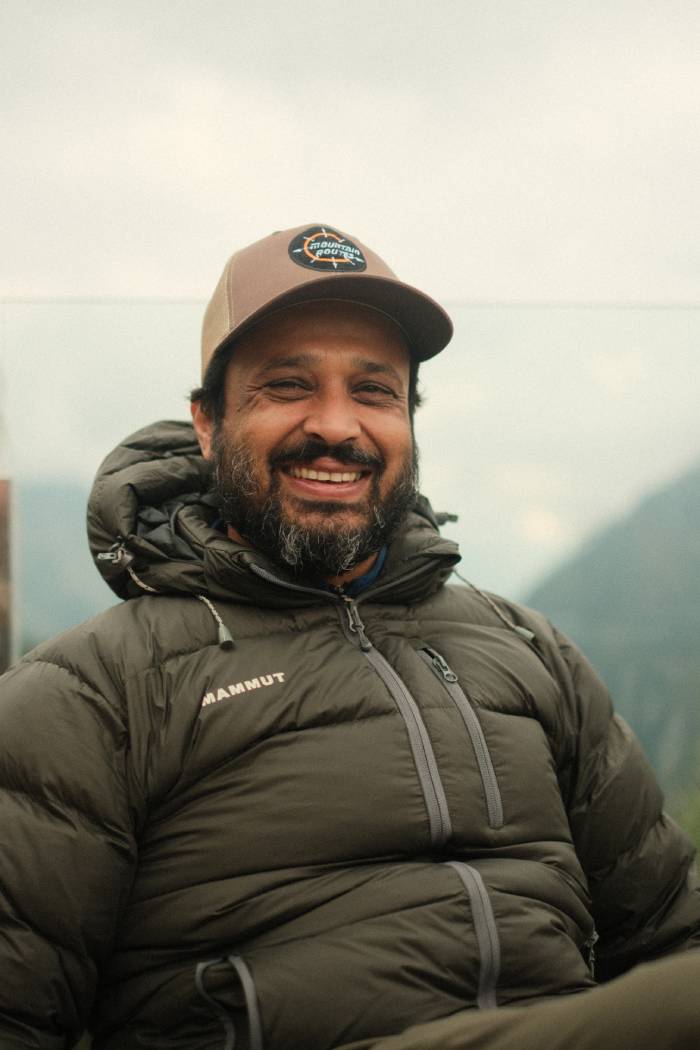
Kathmandu Walking Tour delivers comprehensive cultural immersion exploring Nepal's ancient capital through combination of iconic UNESCO World Heritage Sites and hidden local neighborhoods rarely visited by tourists.
This carefully curated full-day journey led by knowledgeable local guides reveals city's rich history, vibrant spirituality, and authentic daily life through walking exploration connecting major landmarks—Pashupatinath Temple, Kathmandu Durbar Square, Swayambhunath Stupa—with lesser-known gems including Asan Bazaar's bustling markets and traditional hidden courtyards. Small group sizes ensure personalized attention, thoughtful pacing, and meaningful cultural exchanges creating transformative experience understanding Kathmandu beyond superficial sightseeing.
Tour Overview and Philosophy
Authentic Local Experience
Unlike rushed bus tours visiting monuments superficially, walking tour enables intimate engagement with city's layers—architectural, spiritual, commercial, and social. Local expert guides share insider knowledge, historical context, and personal stories transforming landmarks into living narratives. Understanding walking tour philosophy as cultural immersion rather than mere sightseeing helps appropriate expectations and openness to authentic encounters.
Small group sizes (typically 6-12 participants) allow guides addressing individual questions, customizing explanations matching group interests, and facilitating meaningful interactions with local artisans, vendors, and residents. Understanding personalized approach's value encourages active participation and curiosity.
Strategic Route Design
Thoughtfully sequenced itinerary flows naturally through city's geography and energy rhythms. Morning begins sacred Pashupatinath Temple when religious rituals most active. Mid-morning explores historical Durbar Square avoiding peak afternoon heat. Midday includes vibrant Asan Bazaar and lunch break. Afternoon ascends Swayambhunath for panoramic valley views and sunset potential. Final hours discover hidden neighborhoods when locals return from work creating authentic residential atmosphere.
Understanding strategic timing helps appreciating guide expertise maximizing each location's best characteristics while managing physical demands through varied activities—walking, observing, photographing, interacting—preventing fatigue from constant movement.
Detailed Itinerary Breakdown
8:00 AM: Pashupatinath Temple - Sacred Hindu Pilgrimage Site
Tour begins Nepal's holiest Hindu temple complex situated along sacred Bagmati River. UNESCO World Heritage Site attracts devotees worldwide performing religious rituals, cremation ceremonies, and spiritual practices. Main temple dedicated to Lord Shiva features gold-plated roof, silver doors, and intricate wood carvings though non-Hindus cannot enter main sanctum. Understanding restrictions helps managing expectations while appreciating accessible surrounding areas.
Riverside ghats feature continuous cremation ceremonies providing profound glimpse into Hindu death rituals and spiritual beliefs regarding rebirth cycle. Observing ceremonies respectfully from designated viewing areas offers educational cultural experience though sensitivity essential given sacred nature. Understanding cremation's religious significance transforms potentially uncomfortable observation into meaningful spiritual learning.
Wandering temple complex reveals numerous subsidiary shrines, sadhus (holy men) meditating or offering blessings, and pilgrims bathing in sacred waters. Morning timing coincides with peak ritual activity when devotees perform puja ceremonies, light butter lamps, and make offerings. Photographers appreciate golden morning light illuminating architectural details and ceremonial activities.
Guide explanations cover Hindu mythology, Shiva worship significance, Pashupatinath's historical importance, and contemporary pilgrimage practices. Understanding religious context enriches observation beyond mere tourist curiosity encouraging respectful engagement with living faith traditions.
10:00 AM: Kathmandu Durbar Square - Medieval Royal Complex
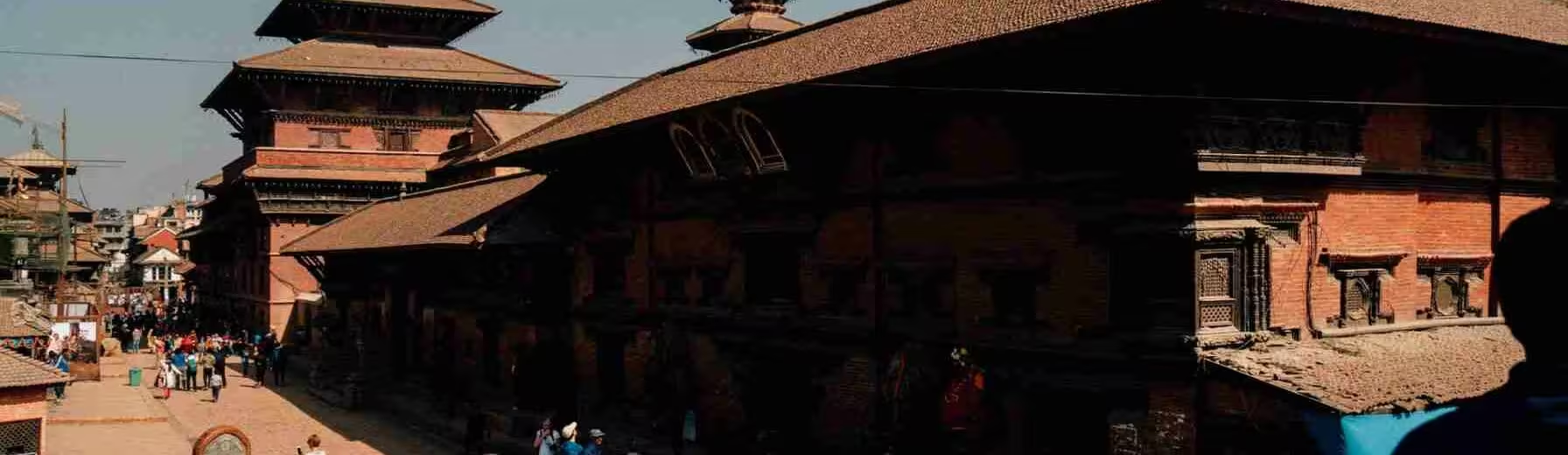
Short drive or walk reaches historic royal palace square showcasing Newari architecture's finest examples. UNESCO World Heritage Site features ancient palaces, courtyards, temples, and squares demonstrating Malla dynasty's artistic achievements during Kathmandu Valley's golden age. 2015 earthquake damaged several structures though restoration efforts continue preserving cultural heritage.
Hanuman Dhoka Royal Palace complex includes multiple courtyards, museums displaying royal artifacts, and intricate wood carvings demonstrating master craftsmanship. Kumari Ghar houses Nepal's Living Goddess—young girl worshipped as divine incarnation—though public appearances brief and photography restricted. Understanding Kumari tradition's religious significance creates appreciation for unique cultural practice.
Taleju Temple, Jagannath Temple, and numerous smaller shrines demonstrate religious architecture diversity. Stone sculptures, brass decorations, and elaborate wood carvings showcase artistic excellence. Guide explanations connect architectural details with historical events, religious practices, and royal traditions bringing monuments alive through storytelling.
Wandering narrow surrounding lanes reveals traditional Newari residential architecture, small workshops continuing traditional crafts, and atmospheric courtyards unchanged for centuries. Understanding Durbar Square within broader neighborhood context enriches appreciation beyond isolated monument viewing.
12:00 PM: Asan Bazaar - Vibrant Traditional Market
Walking through old city lanes reaches Asan—Kathmandu's most atmospheric traditional market operating centuries as trading crossroads. Six-way intersection creates natural gathering point where vendors sell fresh produce, spices, religious items, household goods, and traditional snacks creating sensory overload of colors, aromas, and activities.
Narrow surrounding streets feature specialized vendors—vegetable sellers, spice merchants, fabric dealers, metal workers—continuing traditional commercial patterns. Observing daily transactions, vendor-customer interactions, and market rhythms provides authentic glimpse into Kathmandu's commercial heart beyond tourist-oriented shops.
Annapurna Temple at market center demonstrates sacred-secular space integration where commerce and spirituality coexist naturally. Temple receives constant devotee stream making offerings, lighting lamps, and seeking blessings while surrounding market buzzes with commercial activity. Understanding religious-commercial integration reveals Kathmandu's layered cultural character.
Guide explanations identify exotic spices, traditional foods, religious paraphernalia, and cultural practices while facilitating optional purchases supporting local vendors. Understanding market etiquette—bargaining expectations, photography permissions, respectful behavior—ensures positive interactions.
1:00 PM: Lunch Break - Traditional Nepali Cuisine
Lunch at local restaurant introduces authentic Nepali cuisine beyond tourist-oriented establishments. Dal bhat (lentil soup with rice), momos (dumplings), and traditional Newari dishes provide culinary cultural immersion. Understanding meal as cultural experience rather than mere refueling encourages trying unfamiliar dishes and appreciating local food traditions.
Guide recommendations ensure safe hygienic restaurants serving quality traditional food. Understanding dietary options (vegetarian readily available, vegan possible with communication, allergies requiring advance notice) helps appropriate planning.
2:30 PM: Swayambhunath Stupa - Monkey Temple Panorama
Afternoon ascends ancient hilltop stupa providing panoramic Kathmandu Valley views. UNESCO World Heritage Site features white dome crowned with golden spire and Buddha's all-seeing eyes painted on four sides. Dating to 5th century or earlier, Swayambhunath represents Nepal's oldest Buddhist sites attracting pilgrims circumambulating stupa spinning prayer wheels and chanting mantras.
Resident monkey population creates nickname "Monkey Temple" though monkeys can be aggressive—guards recommended against feeding or provoking them. Understanding monkey behavior helps safe interactions while appreciating wildlife within sacred context.
Surrounding complex includes multiple shrines, monasteries, museums, and viewpoints. Tibetan Buddhist and Vajrayana elements demonstrate religious syncretism. Prayer flags flutter colorfully while butter lamps burn continuously creating peaceful spiritual atmosphere.
Valley panoramas reveal Kathmandu's sprawl, surrounding mountains (weather permitting), and geographic context. Sunset timing potential creates golden light opportunities for photography. Understanding viewpoint's strategic importance helps appreciating both spiritual and practical significance throughout history.
4:00 PM: Hidden Courtyards and Local Neighborhoods
Final hours explore residential neighborhoods tourists rarely visit. Hidden courtyards (bahals) preserve traditional Newari community living spaces featuring intricate wood carvings, small temples, and communal wells. Understanding courtyards as semi-private community spaces encourages respectful behavior and photographic sensitivity.
Local temple visits provide intimate spiritual experiences away from major tourist sites. Observing neighborhood residents making daily offerings, chatting with neighbors, and maintaining community traditions reveals authentic daily rhythms. Guide connections enable meaningful brief conversations learning about contemporary life while respecting privacy.
Walking narrow lanes reveals traditional crafts continuing—metalwork, wood carving, traditional painting—demonstrating living heritage preservation despite modernization pressures. Understanding artisan challenges and opportunities helps appreciating contemporary craft economics.
5:00 PM: Tour Conclusion
Return to starting point or central location allows independent evening activities or hotel returns. Guide provides recommendations for evening dining, additional sightseeing, or cultural performances based on individual interests.
Practical Information
Physical Requirements
Moderate fitness required for full-day walking covering approximately 5-8 kilometers over varied terrain including stairs, uneven pavements, and hill climbs. Understanding physical demands helps realistic self-assessment. Comfortable broken-in walking shoes essential preventing blisters.
What to Bring
Comfortable walking shoes, sun protection (hat, sunscreen, sunglasses), water bottle, camera, modest clothing covering shoulders and knees (required temple entry), small daypack, and local currency for purchases and entry fees.
Cultural Etiquette
Remove shoes entering temples and homes. Ask permission before photographing people. Dress modestly at religious sites. Respect religious ceremonies by observing quietly. Understanding cultural sensitivity demonstrates respect enhancing interactions.
Entry Fees
Pashupatinath Temple (NPR 1,000 foreigners), Kathmandu Durbar Square (NPR 1,000), Swayambhunath (NPR 200). Total approximately NPR 2,200 ($17-20 USD). Understanding fee structure helps budgeting.
Best Timing
Year-round operation though October-March provides comfortable temperatures. Monsoon (June-August) brings afternoon rain requiring flexibility. Understanding seasonal variations guides timing decisions.
Frequently Asked Questions
Is tour suitable for families?
Yes, though children should manage full-day walking and cultural site interest. Understanding family dynamics helps deciding appropriateness.
What about food allergies?
Communicate dietary restrictions to guide who selects appropriate lunch venue. Vegetarian options readily available.
Can I customize tour focus?
Small groups allow some flexibility emphasizing particular interests—photography, architecture, spirituality—though maintaining overall structure.
What if I cannot walk all day?
Inform guide about limitations enabling appropriate pacing, rest breaks, or vehicle assistance for difficult sections.
Are there bathroom facilities?
Regular stops at restaurants and sites though standards vary. Understanding facilities helps managing expectations and planning.
What about shopping opportunities?
Asan Bazaar and surrounding areas provide authentic shopping though tour focuses cultural experience over commerce. Guide advises fair pricing.

No comments yet. Be the first to share your thoughts!