
Nagarkot to Changu Narayan represents perfect short hiking experience.
The route combines Himalayan sunrise views, rural village encounters, and ancient temple exploration within two-day timeframe.
Located 32 kilometers east of Kathmandu in Bhaktapur district, this overnight trek begins at Nagarkot hill station (2,195m) descending through traditional Tamang settlements before reaching UNESCO-listed Changu Narayan Temple—one of Nepal's oldest Hindu shrines dating to 7th century or earlier.
Route Overview and Highlights
Journey begins with afternoon Nagarkot arrival allowing evening sunset viewing from famous view tower. Early morning sunrise reveals Himalayan panorama including Langtang range, Ganesh Himal, Dorje Lakpa, and occasionally Mount Everest on exceptionally clear days. Following breakfast, downhill trek commences navigating through terraced farmland, dense forests, and traditional villages before arriving Changu Narayan approximately 4-5 hours later.
Trail's mostly downhill character makes this accessible for moderate fitness levels though knee strength important for sustained descent. Cultural immersion occurs naturally passing through Tamang communities where traditional stone houses, agricultural practices, and rural lifestyles continue largely unchanged by modernization. Understanding this route as cultural corridor rather than merely physical challenge enriches experience beyond simple hiking.
Nagarkot: Gateway and Viewpoint
Himalayan Panorama
Nagarkot occupies strategic ridge position providing unobstructed northern mountain views spanning over 300 kilometers. Clear mornings reveal Annapurna (8,091m) far west, Manaslu (8,163m), Ganesh Himal, Langtang range including Langtang Lirung (7,227m), Dorje Lakpa, Gauri Shankar, and Numbur. Mount Everest (8,849m) theoretically visible approximately 175 kilometers northeast though atmospheric clarity rarely permits actual sightings. Managing expectations about Everest while appreciating reliably visible peaks prevents disappointment.
View tower (approximately 50 meters from main settlement parking area) provides elevated observation platform above tree line ensuring optimal sightlines. Sunrise timing varies seasonally from 5:30 AM (summer) to 6:30 AM (winter). Arriving tower 30 minutes before sunrise secures prime viewing positions during peak tourist periods.
Overnight Accommodation
Multiple guesthouses and hotels ranging from basic lodges to mid-range hotels accommodate overnight visitors. Simple rooms include beds, blankets, and basic bathrooms with varying hot water availability. Mountain-facing rooms command premium rates though worth investment for direct sunrise viewing from bed. Heating limited or absent requiring warm sleeping bags or extra blankets during cold months.
Evening hours allow relaxing, stargazing (clear nights), and anticipating next morning's spectacular light show. Restaurants serve standard Nepali and some continental dishes. Understanding rustic mountain lodge standards prevents disappointment while appreciating authentic hill station atmosphere.
Nagarkot to Changu Narayan Trail
Trail Characteristics
Route descends approximately 650 meters over 12-14 kilometers requiring 4-5 hours walking depending on pace and rest frequency. Initial sections follow jeep roads before transitioning to footpaths through agricultural terraces and forests. Well-established trail rarely causes navigation concerns though local guide assistance ensures route-finding confidence and cultural interpretation.
Spring (March-April) brings rhododendron blooms and wildflowers. Autumn (October-November) provides clearest mountain views and comfortable temperatures. Monsoon creates muddy conditions though lush green landscapes. Winter requires warm clothing for cold mornings though pleasant midday temperatures.
Village Encounters and Tamang Culture
Trail passes through several traditional Tamang settlements where three-story stone houses demonstrate indigenous architecture. Ground floors typically house kitchens and animal sheds (cows, buffalo). Second floors contain living rooms and bedrooms. Roofs provide grain storage and drying areas. This functional design reflects agricultural lifestyle prioritizing livestock integration and crop processing.
Tamang communities, originally from Tibet centuries ago, maintain distinct cultural identity including language, dress, and religious practices blending Buddhism and Hinduism. Observing daily activities—women fetching water, farmers tending terraces, children walking to schools—provides authentic cultural immersion. Respectful greetings and genuine interest in village life often prompt friendly interactions and occasional invitations for tea.
Some families sell local rakshi (distilled grain alcohol) and traditional foods. Trying these products supports household economies though moderate consumption advisable given potency. Understanding alcohol production as traditional livelihood rather than mere tourist commodity encourages respectful engagement.
Forest Sections
Dense forest passages provide shade and biodiversity encounters. Oak, pine, and rhododendron trees dominate vegetation. Bird species including various flycatchers, laughingthrushes, and seasonal migrants reward patient observation. Monkeys occasionally appear though generally avoid direct human contact. Maintaining quiet increases wildlife sighting opportunities.
Changu Narayan Temple: UNESCO Heritage Site
Historical and Religious Significance
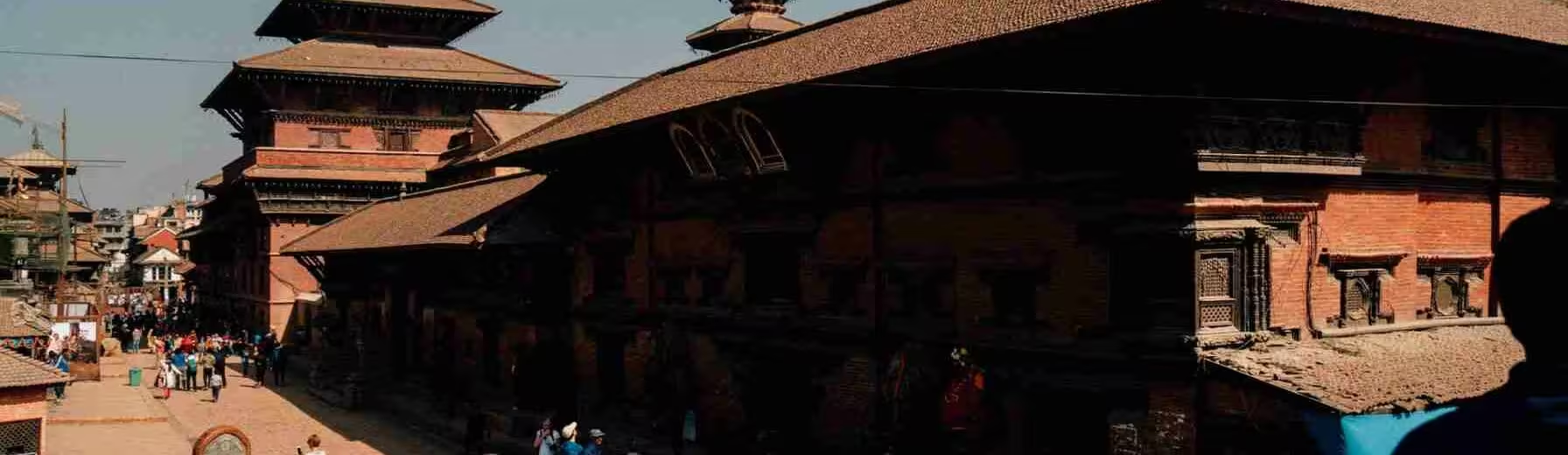
Changu Narayan ranks among Nepal's oldest existing Hindu temples with inscriptions dating to 464 AD though structure likely predates written records. Dedicated to Lord Vishnu in his Narayan manifestation, the temple demonstrates supreme Newari woodcarving, metalwork, and stone sculpture creating open-air museum of ancient artistic achievement.
Located atop hill locally called Changu or Dolagiri, temple overlooks Manohara River and surrounding valleys. Ancient Champak tree spreads massive canopy partially shading temple courtyard creating natural cathedral effect. Four entrance gates guarded by stone-carved lions and elephants demonstrate protective iconography common in Hindu temple architecture.
Architectural and Artistic Features
Pagoda-style architecture features two-tiered roof, elaborate wooden struts carved with deities and mythological scenes, and gilded decorative elements. Main shrine houses Vishnu image though photography inside prohibited respecting sacred space. Courtyard contains numerous stone sculptures and pillars including famous Garuda (Vishnu's vehicle) statue and inscriptions documenting historical events and donations.
Subsidiary shrines honoring Shiva, Krishna, and Chinnamasta goddess occupy courtyard periphery demonstrating Hindu pantheon's interconnected nature. Understanding these relationships and mythological narratives transforms temple visit from superficial sightseeing into meaningful religious education.
Entry fee (NPR 300-500 for foreigners) supports temple maintenance and local community development. Photography permitted in outer areas though always asking permission before photographing worshippers respects religious sensibilities.
Practical Information
Duration: Two days, one night. Day 1: Afternoon Nagarkot arrival, sunset viewing. Day 2: Sunrise viewing, breakfast, 4-5 hour hike to Changu Narayan, return Kathmandu.
Best Seasons: October-November (clearest views), March-May (moderate weather, blooming flowers). December-February (cold but clear). June-September (monsoon rains, possible leeches, obscured views).
Difficulty: Easy to moderate. Mostly downhill requires knee stability. Moderate fitness sufficient. Children 8+ with hiking experience manage well.
What to Bring: Comfortable hiking shoes, layers for temperature variation, sun protection, water bottles, camera, cash for incidentals, warm jacket (winter months).
Costs: Package tours approximately $80-120 including transportation, guide, accommodation, meals, entry fees. Independent travelers reduce costs paying only accommodation (NPR 1,000-2,500), meals (NPR 500-800 daily), and transport.
Frequently Asked Questions
Can I do this hike independently?
Yes, trail well-established though guide services provide cultural interpretation, navigation security, and local knowledge enhancing experience. Solo hiking feasible for confident trekkers.
What if sunrise is clouded?
Weather unpredictable. Clouds sometimes obscure views though valley and village scenery remain attractive. Checking forecasts and choosing clear-weather periods maximizes success probability.
Is Nagarkot worth visiting without hiking?
Absolutely. Many visitors come solely for sunrise/sunset viewing returning to Kathmandu same day. Hiking adds cultural and physical dimensions but not mandatory for viewpoint experience.
Are there accommodation options at Changu Narayan?
Limited guesthouses exist in Changu Narayan village though most visitors return Kathmandu (1-hour drive) after temple visit using provided transportation.
Can I extend this trek?
Yes, routes continue from Changu Narayan to Sankhu village, connect with Shivapuri National Park trails, or link to other Kathmandu Valley rim hikes creating custom multi-day itineraries.
What about altitude concerns?
Maximum elevation 2,195 meters poses minimal altitude risk. However, gradual ascent and proper hydration support comfort. Descending route further minimizes any concerns.

No comments yet. Be the first to share your thoughts!