
Upper Mustang trek delivers extraordinary journey through Nepal's last forbidden kingdom combining dramatic desert landscapes with preserved Tibetan Buddhist culture.
This 16-day adventure navigates high-altitude terrain from Jomsom through traditional villages reaching walled capital Lo Manthang before returning via alternate valleys. Trek showcases ancient monasteries, medieval architecture, spectacular mountain views, and authentic traditional lifestyles maintained through centuries of geographic isolation creating transformative cultural immersion experience.
Trek Overview and Route Description
Journey Summary
Complete circuit begins Kathmandu with Pokhara stopover before flying Jomsom initiating actual trekking. Route ascends through Kagbeni, Chele, Syangboche, Ghami, and Tserang reaching Lo Manthang at 3,800 meters. Two nights Lo Manthang allow acclimatization and cultural exploration. Return follows different route through Dhakmar before rejoining ascent trail at Syangboche. Total trekking distance approximately 120 kilometers over 11 active walking days.
Elevation range 2,720-4,010 meters requires proper acclimatization though no extreme technical climbing necessary. Daily walking averages 4-7 hours over established trails suitable for moderately fit trekkers. Upper Mustang's restricted status demands special permits ($500 for 10 days), registered guides, and minimum two-person groups making independent trekking impossible.
Unique Route Features
This itinerary differs from standard Upper Mustang routes by passing through Syangboche earlier creating alternate village exposure. Crossing Taklam La (3,624m) and Dajori La (3,735m) passes provides different perspectives compared to other routing options. Visiting Ghami—one of region's largest villages—and historic Chungsi Cave monastery adds cultural depth.
Understanding route variations allows comparing different Upper Mustang itineraries selecting options matching personal interests. Some routes emphasize monastery visits while others prioritize remote villages or scenic passes.
Detailed Day-by-Day Itinerary
Days 1-3: Kathmandu, Pokhara, and Trek Start
Arrival Kathmandu includes airport pickup, hotel transfer, and trek briefings. Six-hour scenic drive to Pokhara crosses varied terrain allowing gradual transition from capital to mountains. Evening lakeside relaxation prepares for early morning flight.
Twenty-minute dramatic flight through Kali Gandaki gorge arrives Jomsom at 2,720 meters. Three-four hour trek to Kagbeni follows river valley passing Ekal Bhatti village featuring traditional flat-roofed architecture. Kagbeni overnight provides permit checks and final preparations before entering restricted area.
Day 4: Kagbeni to Chele
Sandy windy six-seven hour trail follows Kali Gandaki River through arid landscape. Tangbe village features narrow alleyways, apple orchards, barley fields, and buckwheat cultivation demonstrating agricultural adaptation to harsh environment. Crossing river and walking narrow ridges requires careful footing though technical difficulty remains moderate. Chele village (2,920m) provides overnight rest.
Day 5: Chele to Syangboche
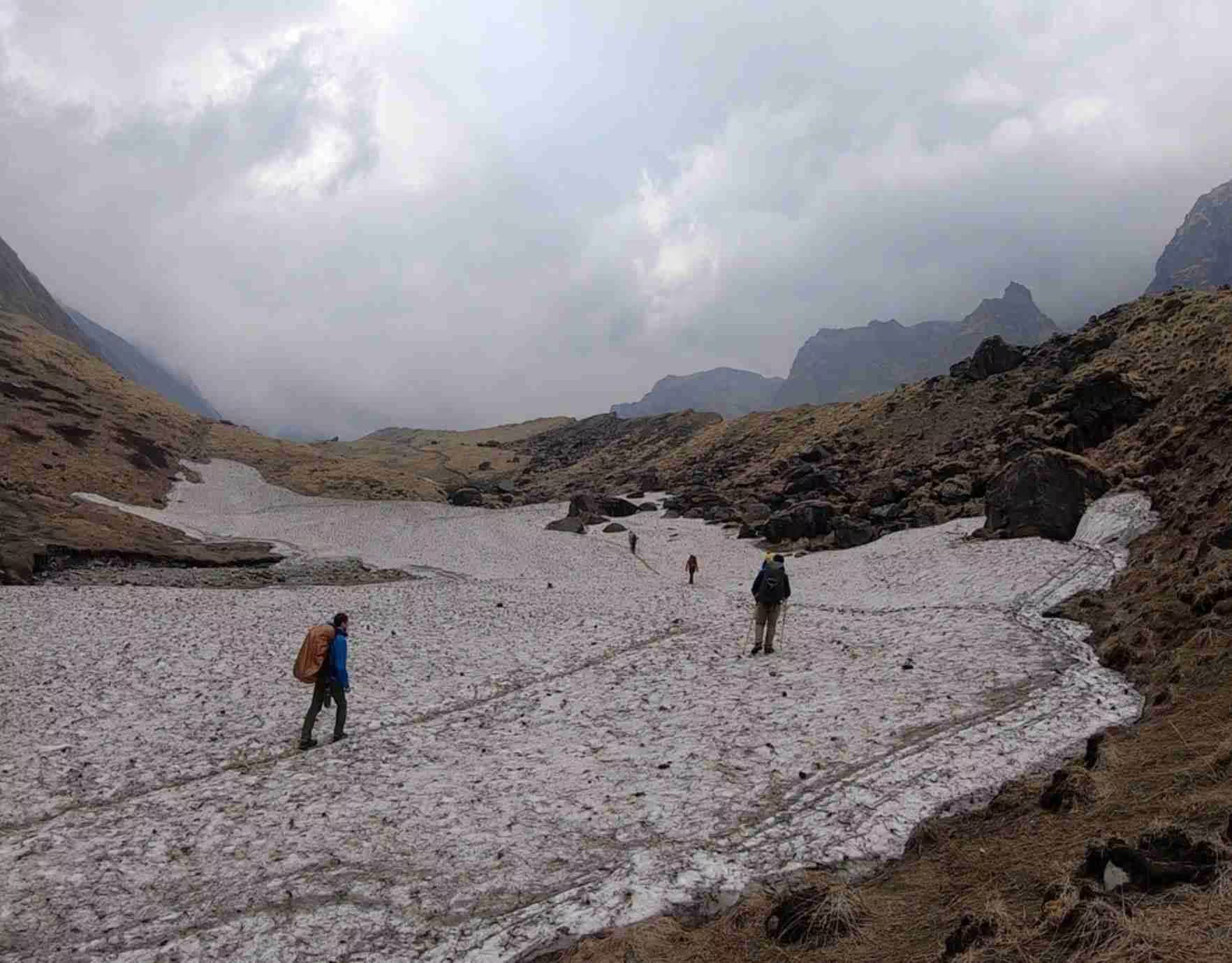
Five-six hour trek crosses two significant passes—Taklam La (3,624m) and Dajori La (3,735m)—creating undulating terrain gaining altitude. Spectacular mountain views include Tilicho, Yakawa Kang, and Damodar Danda. Ramchung Cave provides interesting geological feature en route. Samar village offers midpoint rest before steep descent to stream crossing. Final climb reaches Syangboche (3,800m) overnight.
Day 6: Syangboche to Ghami
Five-hour trek follows Yamda La pass through forests and villages. Traditional tea houses provide rest stops along poplar forest paths and barley fields. Nyi Pass (4,010m) represents trek's highest point offering panoramic views before descending to Ghami. As one of region's largest villages, Ghami demonstrates traditional Tibetan settlement patterns and agricultural practices. Overnight allows exploring village thoroughly.
Day 7: Ghami to Tserang
Four-five hour trek begins descending rough slippery path crossing Ghami Khola bridge before ascending toward Tserang. Extensive mani walls line trail demonstrating Buddhist devotional practices. Tserang La pass (3,870m) precedes final approach to Tserang village perched atop Charang canyon. Massive fortress and red gompa dominate village demonstrating historical defensive architecture. Overnight provides time exploring fortress and monastery.
Day 8: Tserang to Lo Manthang
Four-five hour approach to walled capital descends to canyon river before ascending to Lo La pass (3,950m). First views of walled Lo Manthang create dramatic anticipation fulfilling journey's primary objective. Descent reveals medieval city layout with defensive walls, monasteries, and traditional architecture. Mountain panoramas include Nilgiri, Tilicho, Annapurna I, and Bhrikuti Peak. Overnight marks arrival at cultural centerpiece.
Day 9: Lo Manthang Acclimatization
Full rest day allows altitude adaptation and thorough city exploration. Three major gompas—Jhampa, Thupchen, Chhoeda—require full day given artistic richness featuring irreplaceable 15th-century murals, statues, and religious artifacts. Alternative includes excursion to nearby Tingkhar village experiencing additional cultural perspectives. Second overnight consolidates acclimatization.
Days 10-11: Lo Manthang to Dhakmar to Syangboche
Long seven-eight hour trek to Dhakmar visits Gyakar village's century-old Ghar Gompa featuring beautiful rock paintings demonstrating ancient artistic traditions. Southern mountain views accompany journey. Return route provides different landscape perspectives missed during ascent. Continuation to Syangboche retraces earlier path though opposite direction reveals missed details. Dhaulagiri and Nilgiri views dominate horizons.
Days 12-13: Syangboche to Chhuksang to Jomsom
Five-six hour trek highlights Chungsi Cave monastery dating to 7th century representing region's ancient Buddhist heritage. Underground passages and rock carvings demonstrate sophisticated cave monastery traditions. Continuation reaches Chhuksang completing restricted area circuit. Final six-seven hour push to Jomsom via Kagbeni includes lunch stop and Nilgiri Himal views. Arrival Jomsom celebrates trekking completion with hot showers and comfortable lodging.
Days 14-16: Return to Civilization
Twenty-minute flight returns Pokhara allowing lakeside celebrations and city exploration. Six-hour drive to Kathmandu provides reflection time processing cultural experiences. Final day includes airport departure completing 16-day transformative journey.
Cultural Highlights and Experiences
Ancient Monasteries and Religious Sites
Trek encounters numerous Buddhist religious sites representing centuries of spiritual tradition. Ghar Gompa's rock paintings demonstrate artistic evolution. Lo Manthang's three major monasteries contain irreplaceable cultural treasures requiring respectful visiting protocols. Cave monasteries reveal ancient meditation practices and architectural innovation.
Understanding monasteries as active religious sites rather than museums guides appropriate behavior including modest dress, shoe removal, photography restrictions, and donation expectations. Monastery visits provide windows into living Tibetan Buddhist practice.
Traditional Village Life
Villages maintain agricultural lifestyles cultivating barley, buckwheat, and vegetables despite harsh high-altitude desert environment. Flat-roofed houses constructed from mud brick demonstrate climate-appropriate architecture. Observing daily activities—farming, animal husbandry, household chores—provides insights into resilient communities.
Interactions with local residents reveal warm hospitality despite material simplicity. Understanding cultural differences prevents misunderstandings while genuine interest facilitates meaningful exchanges despite language barriers.
Lo Manthang: Walled Capital
Ancient walled city preserves medieval urban design with defensive walls protecting approximately 1,000 residents. Former raja's palace demonstrates noble Tibetan architecture though royal family lost political power after Nepal abolished kingdoms in 2008. Narrow streets, whitewashed buildings, prayer flags, and traditional dress create photogenic medieval atmosphere.
Understanding Lo Manthang's historical significance as independent kingdom capital contextualizes contemporary cultural preservation efforts and tourism development tensions.
Practical Trekking Information
Permits and Documentation
Upper Mustang Restricted Area Permit costs $500 USD for 10 days. Annapurna Conservation Area Permit (ACAP) NPR 3,000. TIMS card NPR 2,000. Total permit costs approximately $550-600 per person requiring passport copies, itinerary details, and processing through registered agencies.
Multiple checkpoints throughout trek verify permits requiring careful document retention. Understanding bureaucratic requirements prevents complications.
Physical Preparation
Moderate fitness sufficient though sustained high altitude (3,000-4,000m) creates challenges. Cardiovascular endurance more important than technical skills. Previous multi-day trekking experience beneficial though not essential. Gradual ascent aids acclimatization though individual altitude tolerance varies significantly.
Recognizing altitude sickness symptoms—headache, nausea, dizziness, sleep difficulty—enables early intervention. Mild symptoms often resolve with rest and hydration. Severe symptoms require immediate descent.
Best Trekking Seasons
March-May and September-November provide optimal conditions combining clear weather and comfortable temperatures. Rain shadow climate minimizes monsoon impact allowing June-August trekking though occasional storms occur. Winter (December-February) extremely cold though crystal-clear visibility rewards hardy trekkers.
Accommodation and Meals
Basic teahouses and lodges provide simple rooms with shared facilities. Limited heating, electricity, and hot water require appropriate expectations. Meals feature Tibetan staples including tsampa, butter tea, thukpa, momos, and dal bhat. Menu variety decreases at higher elevations.
Costs and Budgeting
Complete 16-day organized treks typically $2,000-3,000 per person including permits, guide, accommodation, meals, and transportation. Private trips or premium services increase costs. Budget planning should include personal expenses, equipment rental, tips, and emergency funds.
Frequently Asked Questions
How does this route differ from other Upper Mustang treks?
This itinerary passes through Syangboche early creating different village exposure and crossing alternate passes. Some routes go via Geling instead creating varied experiences though reaching same destinations.
Is previous high-altitude experience necessary?
Beneficial though gradual ascent and acclimatization days enable first-time high-altitude trekkers succeeding. Conservative pacing and symptom awareness more important than previous experience.
What happens if weather cancels Jomsom flights?
Common occurrence requiring schedule flexibility. Alternative involves lengthy drive from Pokhara to Jomsom via rough roads adding time and discomfort. Building buffer days recommended.
Can I extend time in Lo Manthang?
Yes, additional nights allow thorough exploration and day trips to surrounding areas. Permit extensions cost $50 per day. Communicating preferences during trip planning ensures appropriate itinerary adjustments.
Are teahouses heated?
Minimal heating via wood stoves in dining areas. Rooms typically unheated requiring quality sleeping bags. Evening temperatures drop significantly especially at higher elevations.
What about phone and internet connectivity?
Limited throughout restricted area. Some larger villages offer expensive WiFi. Expecting digital disconnection transforms potential frustration into opportunity for present-moment engagement.
No comments yet. Be the first to share your thoughts!