
Nepal's healthcare system faces significant challenges requiring international volunteer support.
Rural areas particularly struggle with limited medical infrastructure, shortage of healthcare professionals, and geographic barriers preventing adequate service delivery. Medical volunteer programs address these gaps while providing valuable hands-on experience for students and professionals pursuing healthcare careers.
Mountain Routes operates the "Flame of the Nightingale's Lamp" program honoring Florence Nightingale's pioneering work in modern nursing and healthcare reform. Her dedication to serving vulnerable populations, improving sanitation standards, and establishing professional nursing practices transformed global healthcare. Contemporary volunteers continue this legacy addressing Nepal's pressing health needs through medical electives, health camps, awareness campaigns, and sanitation improvement initiatives.
COVID-19 pandemic highlighted existing healthcare vulnerabilities across Nepal. Before the pandemic, the country maintained only 3.15 healthcare workers (doctors, nurses, midwives) per 1,000 population—far below World Health Organization recommendations. Limited ventilators, ICU beds, and healthcare facilities compounded crisis response challenges. Rural communities suffered disproportionately with minimal access to essential services. While telemedicine and healthcare worker incentives emerged as solutions, substantial gaps persist requiring ongoing volunteer contributions.
Understanding Nepal's Healthcare Challenges
Geographic and Infrastructure Barriers
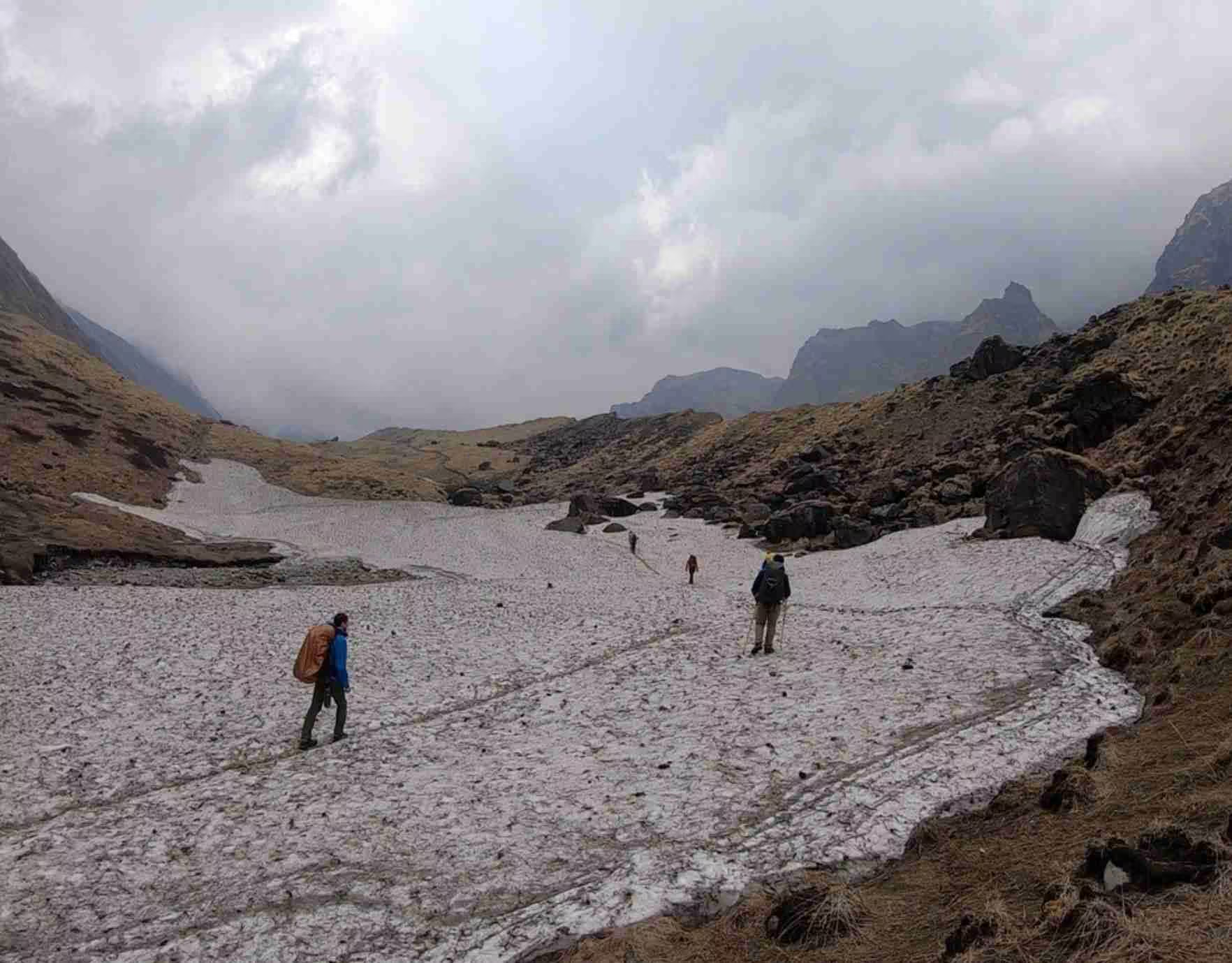
Mountainous terrain creates formidable obstacles for healthcare delivery. Remote villages accessible only by foot trails sometimes require days reaching nearest health posts. Road infrastructure remains limited with monsoon rains frequently causing landslides blocking access. Helicopter evacuation provides only option for critical cases though costs exceed most families' annual income.
Health posts in rural areas operate with minimal equipment and supplies. Basic medications sometimes unavailable for weeks. Diagnostic capabilities limited to visual examination and simple tests. Referral to district hospitals requires patient transportation families must arrange independently. Understanding these constraints helps volunteers appreciate service delivery challenges and adapt expectations realistically.
Healthcare Worker Shortage
Nepal graduates approximately 3,000 doctors and 2,500 nurses annually. However, migration to developed countries seeking better opportunities drains this skilled workforce. Low salaries, inadequate facilities, security concerns, and limited career advancement discourage healthcare professionals from rural postings. Consequently, village health posts often operate understaffed or with less qualified personnel.
Traditional birth attendants and village health workers fill some gaps though their training varies widely. Community health volunteers receive basic training conducting health education and referrals. However, complex medical cases overwhelm local capacity requiring transfer to district or regional hospitals. Volunteer programs supplement existing workforce providing temporary specialized services and training local staff.
Disease Burden and Health Indicators
Communicable diseases including tuberculosis, typhoid, and diarrheal illnesses remain significant health threats. Maternal mortality rates exceed regional averages with many women delivering without skilled attendance. Child malnutrition affects growth and development. Chronic diseases including diabetes and hypertension increasingly affect populations lacking screening and management programs.
Preventable conditions cause unnecessary suffering due to limited health education. Simple interventions like handwashing, safe water, and improved nutrition dramatically reduce disease incidence. However, ingrained practices and limited awareness perpetuate unhealthy behaviors. Health camps and awareness campaigns address these issues through culturally appropriate education and demonstration.
Post-COVID Healthcare Landscape
Pandemic response strained already fragile systems exposing critical weaknesses. Routine healthcare services including immunizations, maternal care, and chronic disease management suffered during lockdowns. Economic impacts reduced families' healthcare spending capacity. Mental health issues increased while support services remained minimal.
Recovery requires rebuilding public trust in healthcare systems. Telemedicine showed promise though connectivity issues limit rural access. Healthcare worker training emphasized infection control and emergency preparedness. Ongoing volunteer programs support recovery by providing services, training staff, and improving facilities demonstrating international solidarity.
Florence Nightingale's Legacy and Program Inspiration
Revolutionary Healthcare Reformer
Florence Nightingale (1820-1910) transformed nursing from untrained occupation to respected profession requiring systematic education. During Crimean War, she implemented sanitation improvements reducing hospital mortality rates dramatically. Statistical analysis demonstrated environment's impact on health outcomes pioneering evidence-based practice. Her writings including "Notes on Nursing" established principles still guiding healthcare delivery.
Beyond nursing, Nightingale advocated for public health reforms, improved hospital design, and women's education opportunities. Her persistence challenging social norms opened professional pathways for women. Understanding her comprehensive approach to healthcare reform inspires contemporary volunteers addressing similar systemic issues in resource-limited settings like Nepal.
Three Pillars of Intervention
Following Nightingale's priorities, the program focuses on three intervention areas:
Sanitation and Hygiene: Improving cleanliness in health facilities and communities prevents disease transmission. Simple measures like handwashing stations, proper waste disposal, and clean water access dramatically reduce infections. Volunteers assess current practices, demonstrate improvements, and educate communities about prevention.
Statistical Documentation: Collecting health data reveals disease patterns, service gaps, and program effectiveness. Nightingale pioneered using statistics advocating healthcare improvements. Volunteers document cases, track outcomes, and analyze trends informing evidence-based interventions. Proper record-keeping supports resource allocation and policy decisions.
Women's Healthcare Participation: Empowering women as healthcare providers and health decision-makers improves family and community wellbeing. Training female community health workers increases maternal healthcare access. Education programs teach women about nutrition, hygiene, and disease prevention. Supporting women's participation creates sustainable health improvements.
Volunteer Roles and Responsibilities
Health Camp Organization
Mobile health camps bring services to remote communities lacking permanent facilities. Volunteers assist organizing logistics, screening patients, providing health education, and conducting basic treatments under supervision. Camps typically address maternal health, child nutrition, chronic disease screening, and common ailments.
Preparation involves coordinating with local authorities, arranging venues, publicizing events, and organizing supplies. During camps, volunteers register patients, take vital signs, assist examinations, dispense medications, and provide health education. Follow-up includes documenting cases, referring complex cases, and planning subsequent camps.
Awareness Campaign Implementation
Health education prevents disease more cost-effectively than treatment. Campaigns address nutrition, sanitation, maternal health, disease prevention, and health-seeking behaviors. Volunteers develop culturally appropriate materials, conduct community sessions, demonstrate practices, and distribute educational resources.
Effective campaigns require understanding local beliefs, languages, and social structures. Working with community leaders ensures acceptance. Using visual aids and demonstrations overcomes literacy barriers. Interactive sessions allowing questions and hands-on practice improve retention. Measuring behavior change assesses campaign effectiveness guiding improvements.
Sanitation Improvement Projects
Poor sanitation contributes significantly to disease burden. Projects include installing handwashing stations, improving latrine facilities, establishing waste management systems, and ensuring clean water access. Volunteers assess needs, design interventions, mobilize community participation, and implement improvements.
Sustainability requires community ownership. Training local maintenance committees ensures long-term functionality. Using locally available materials and simple technologies increases feasibility. Demonstrating health benefits motivates continued use. Monitoring usage and impact measures success and identifies needed adjustments.
Clinical Observation and Assistance
Medical students and professionals observe clinical practices gaining international healthcare experience. Under direct supervision, volunteers may assist examinations, conduct basic procedures, or provide patient education. Scope depends on qualifications, local regulations, and supervisor discretion.
Clinical volunteering requires respecting professional boundaries. Tasks limited to capabilities and permissions prevent harm. Maintaining patient confidentiality follows ethical requirements. Learning from experienced practitioners builds skills while contributing to service delivery. Understanding resource-limited practice develops creative problem-solving abilities valuable throughout careers.
Program Structure and Timeline
Pre-Arrival Preparation
Accepted volunteers receive orientation materials explaining program expectations, Nepal's culture, health sector overview, and practical information. Pre-departure checklist includes vaccinations (Hepatitis A/B, Typhoid, Tetanus, COVID-19), travel insurance verification, visa arrangements, and packing appropriate clothing and supplies.
Background materials familiarize volunteers with common health conditions in Nepal including altitude illness, diarrheal diseases, and vector-borne infections. Basic Nepali phrases facilitate communication. Understanding cultural norms regarding dress, behavior, and gender interactions prevents misunderstandings. Mental preparation for challenging conditions ensures realistic expectations.
Week 1: Orientation and Kathmandu Exploration
Airport pickup brings volunteers to accommodations in Kathmandu. Initial days allow recovering from travel and adjusting to time zones. Comprehensive orientation covers program objectives, volunteer responsibilities, safety protocols, cultural sensitivity, and ethical guidelines.
Guided city tour familiarizes volunteers with Kathmandu including cultural sites, markets, and practical locations like pharmacies and restaurants. Understanding urban context before rural placement provides comparison perspective. Team building activities help volunteers bond before field deployment. Final preparations include confirming placements, organizing supplies, and addressing questions.
Weeks 2-4: Field Placement and Active Volunteering
Transportation to program locations occurs after orientation completion. Placements vary by program needs and volunteer qualifications. Rural health posts, community health programs, mobile health camps, or district hospitals host volunteers. Accommodations range from basic guesthouses to homestays depending on location.
Daily schedules vary by placement though typically include morning clinical activities or health camp preparation, afternoon community health education or sanitation projects, and evening documentation or team meetings. Supervisors provide guidance, assign appropriate tasks, and ensure volunteer safety and effectiveness.
Cultural immersion occurs naturally living in communities. Sharing meals with families, attending local events, and participating in daily life builds relationships and understanding. Free time allows exploring surroundings, interacting with residents, and reflecting on experiences. Weekly check-ins with program coordinators address concerns and ensure wellbeing.
Week 4-5: Program Completion and Departure
Final week includes wrapping up activities, documenting outcomes, and preparing handover materials. Farewell events allow thanking host communities and celebrating accomplishments. Returning to Kathmandu provides buffer time before departure. Debriefing sessions reflect on experiences, discuss learnings, and gather feedback improving future programs.
Departure assistance includes airport transportation and final coordination. Program certificates recognize volunteer contributions. Post-program surveys collect feedback. Alumni networks maintain connections allowing continued engagement supporting Nepal's healthcare development.
Practical Information for Volunteers
Costs and Inclusions
Four-week volunteer program costs approximately $1,200-1,800 depending on placement location and accommodation standards. Fees cover airport pickup/dropoff, comprehensive orientation, Kathmandu city tour, all ground transportation, accommodation throughout program, three meals daily, 24/7 support, and farewell dinner.
Exclusions include international airfare, Nepal visa fees ($50 for 30 days), travel and health insurance (mandatory), vaccinations, personal expenses, tips for guides and staff, and any items not explicitly listed as included. Budget additional $300-500 for excluded expenses and discretionary spending.
Eligibility and Requirements
Medical students, nursing students, pre-med undergraduates, practicing healthcare professionals, public health students, and retired medical personnel qualify for placements. Minimum age typically 18 years though some positions accept mature 17-year-olds with parental consent. No maximum age provided health allows field conditions.
Required qualifications include current enrollment in healthcare-related program or relevant professional certification. English proficiency necessary for instruction and documentation. Commitment to cultural sensitivity, professional ethics, and program guidelines mandatory. Background checks sometimes required for certain placements.
Health and Safety Considerations
Comprehensive travel insurance covering medical treatment, evacuation, and repatriation required. Recommended vaccinations include Hepatitis A and B, Typhoid, Tetanus/Diphtheria, COVID-19, and potentially Japanese Encephalitis or Rabies depending on placement. Malaria prophylaxis recommended for some Terai locations. Consultation with travel medicine specialist essential.
Food and water safety precautions prevent illness. Bottled or treated water only. Avoiding street food and uncooked vegetables reduces risk. Handwashing and hand sanitizer use prevents disease transmission. Sun protection and insect repellent prevent other health issues. Altitude precautions necessary for high-elevation placements.
Cultural Adaptation and Sensitivity
Nepal's conservative culture requires modest dress. Women cover shoulders and knees. Men avoid shorts in villages. Removing shoes before entering homes and temples shows respect. Left hand considered unclean; use right hand for eating and giving items. Physical contact between opposite genders limited in public.
Religious sensitivity important in predominantly Hindu/Buddhist society. Understanding basic customs prevents offense. Asking permission before photographing people or religious sites demonstrates respect. Learning basic Nepali greetings facilitates positive interactions. Patience with different pace and communication styles reduces frustration.
Expected Outcomes and Benefits
For Volunteers
International healthcare experience builds résumés and medical school applications. Exposure to resource-limited practice develops creative problem-solving skills. Cross-cultural competency enhances ability working with diverse populations. Personal growth results from challenging experiences outside comfort zones.
Professional networks develop through connections with supervisors, local healthcare workers, and fellow volunteers. Understanding global health inequities motivates continued advocacy and service. Travel experiences exploring Nepal's cultural and natural heritage create lifelong memories. Satisfaction from contributing to meaningful cause provides lasting fulfillment.
For Communities
Immediate benefits include healthcare services reaching underserved populations. Health camps screen and treat conditions otherwise unaddressed. Education campaigns improve knowledge and practices preventing disease. Sanitation improvements reduce environmental disease transmission.
Long-term impacts include strengthened local healthcare capacity through training and knowledge transfer. Volunteer presence demonstrates international support motivating local health workers. Documentation and analysis inform evidence-based interventions and policy advocacy. Community mobilization around health issues builds social capital for sustained improvements.
Frequently Asked Questions
What medical experience is required?
Requirements vary by placement. Medical/nursing students, pre-med undergraduates, practicing professionals, and public health students all qualify. Clinical roles require relevant training though public health and education roles accept broader backgrounds.
Is it safe for volunteers?
Yes, with appropriate precautions. Program provides 24/7 support, experienced supervisors, and safety protocols. However, volunteers must exercise personal responsibility regarding health precautions, situational awareness, and following guidance.
What language skills are needed?
English proficiency required for instruction and documentation. Nepali language skills helpful though not required. Basic phrases taught during orientation. Translators assist in communities when needed.
Can I choose my placement location?
Preferences considered though final placements depend on program needs and volunteer qualifications. Rural health posts, district hospitals, or community programs host volunteers. Some flexibility exists though not guaranteed.
What happens if I become ill?
Comprehensive support system addresses volunteer illness. Medical consultation arranged promptly. Serious cases evacuated to Kathmandu hospitals. Travel insurance covers medical costs. Program coordinators assist throughout process.
How can I prepare before arriving?
Complete required vaccinations well in advance. Review orientation materials. Research Nepal's culture and health challenges. Pack appropriately. Maintain fitness for physical demands. Arrange comprehensive insurance. Develop realistic expectations about conditions.

No comments yet. Be the first to share your thoughts!