
At 4,470 meters, Manaslu Circuit Trek Nepal (remotest Himalayan Trek) is popular for diverse weather conditions and temperature variations that vary across seasons.
You never know, the weather at Manaslu Circuit can change suddenly from clear skies to snowfall overnight or unexpected rainstorms that lead to muddy paths.
Even the temperatures can run down from high (20 degrees Celsius) to Low (-10 degrees) at higher altitudes. This unpredictability makes timing your trek crucial. The best seasons are spring (March to May) and autumn (September to November), when the weather is generally clear with mild temperatures. However, high-altitude conditions, especially near Larkya La Pass, can still turn harsh.
Preparation for the trek means being ready for the mountain’s unpredictable weather. At high altitudes, conditions can shift from comfortable to extreme, with cold nights and strong winds. Layering is essential quick-drying clothing and insulating layers can make all the difference. The weather at Manaslu can change quickly, so flexibility is the only key to staying safe. Despite the challenges, the weather creates unforgettable moments, from dramatic clouds over peaks to the calm after a storm. So, whether it’s snow-covered paths or monsoon rains, understanding the weather conditions is crucial in shaping your experience on the Manaslu Circuit.
Before packing, read this weather and temperature guide for Mansalu Circuit trek 2026.
Why Weather Matters for the Manaslu Circuit Trek
Weather conditions in any trek are not just about comfort. Moreover, it’s about preparing for the challenges ahead. Different seasons present unique challenges, from monsoon rains and winter snow to spring mud and autumn chills, each shaping your trekking experience in its own way.
Whether you’re coming from USA, Europe, Australia, Italy, UK or any other country, It’s important to know prior about the weather and temperature at Manaslu trek Nepal to ensure best enjoyment and thrill.
Unfavourable conditions such as during the monsoon, heavy rains make trails slippery and increase the risk of landslides. These conditions can delay your journey. In winter, freezing temperatures and snow-covered paths pose dangers like frostbite, hypothermia, and avalanches. And while Spring brings milder weather rain-soaked trails can become muddy and hazardous. Even in the autumn season, which has relatively stable temperatures, chilly nights can cause discomfort or health risks without proper layers. Being prepared for the weather means you can focus on enjoying the trek with the perfect Manaslu trek itinerary, knowing you’re ready for whatever comes your way.
Manaslu Circuit Trek Weather and Temperature Monthwise (January–December)
Manaslu Circuit Trek weather changes dramatically throughout the year, making monthly conditions an important factor in trek planning. Here’s a brief overview of weather and temperature over Manaslu circuit trek that will help you to plan better.
Month | Average Day Temperature | Average Night Temperature | Weather Conditions | Trail Condition | Visibility | Trek Suitability |
|---|---|---|---|---|---|---|
January | 0°C to 8°C | -15°C to -5°C | Very cold, heavy snowfall at high passes | Snowy, icy, difficult | Clear skies | Challenging; for experienced trekkers |
February | 2°C to 10°C | -12°C to -4°C | Cold with occasional snowfall | Snow-covered in higher areas | Good | Difficult but possible |
March | 5°C to 15°C | -8°C to 0°C | Warming temperatures, stable weather | Improving trails | Excellent | Very good |
April | 8°C to 18°C | -3°C to 5°C | Pleasant weather, blooming rhododendrons | Dry and comfortable | Excellent | One of the best months |
May | 10°C to 20°C | 0°C to 8°C | Warmer conditions, occasional clouds | Good | Very good | Ideal trekking season |
June | 12°C to 22°C | 3°C to 10°C | Beginning of monsoon, rainfall increases | Wet and slippery | Moderate | Less recommended |
July | 14°C to 24°C | 5°C to 12°C | Heavy monsoon rain, high humidity | Muddy with landslide risks | Poor | Not recommended |
August | 14°C to 24°C | 5°C to 12°C | Continued rainfall and cloudy conditions | Difficult | Poor | Avoid if possible |
September | 10°C to 20°C | 0°C to 8°C | Monsoon retreats, weather stabilizes | Improving rapidly | Good to excellent | Good |
October | 8°C to 18°C | -2°C to 5°C | Dry weather and clear mountain views | Excellent | Outstanding | Best month overall |
November | 5°C to 15°C | -8°C to 0°C | Stable conditions with colder nights | Dry and manageable | Excellent | Excellent |
December | 2°C to 10°C | -12°C to -3°C | Cold with increasing snowfall | Snow possible at high altitude | Clear | Moderate to difficult |
Reviewing the best month for Manaslu Circuit Trek helps trekkers choose the perfect month that’s suitable for them. For example, many beginner level trekkers share with Mountain Routes that they prefer peak season for Manaslu Circuit trekking. Reason as it’s better for ttemperature, crowd levels, photography opportunities and make them more physically prepare.
Seasonal Breakdown of Manaslu Circuit Weather
With the seasons changing, you get to experience the magic of the Manaslu trek in all its colors. Each season has its unique signature of temperature and weather conditions that can affect your personal experience in the Manaslu. The seasonal variations are not only critical to the trail's visual appeal but also affect the conditions of the trek in terms of accessibility to the trail, the equipment that will be needed, and comfort in general.
Spring: Nature’s Revival on the Trail (March to May)
During spring, the Manaslu Circuit comes to life with vibrant greenery and clear skies. The mostly mild temperatures, comfortable trekking conditions, and clear trail make it one of the most sought-after seasons to go trekking.
March: This month sees temperatures ranging from 6°C (43°F) to 15°C (59°F), with cool but comfortable weather for trekking. This month marks the start of the spring season when the trails begin to come alive, and you can enjoy clear skies and crisp air, making it a great time for outdoor activities.
April: The month of April offers a sweet spot for trekking, with temperatures between 8°C (46°F) and 18°C (64°F). The month offers mild, pleasant weather and clearer views of the surrounding peaks can be seen. The trails are usually dry, and flora is at its best, with various wildflowers adding vibrant colors to the scenery.
May: At the beginning of May, the days start getting warmer in Manasl, and the temperature stays in the range of 10°C-20°C (50°F-68°F). There are still the odd chances of some scattered pre-monsoon showers. Nevertheless, the weather remains relatively stable, with most of the country's high-altitude areas still accessible before heavy rains begin.
Why Spring is a Favourite Weather for Manaslu Circuit Trekkers?
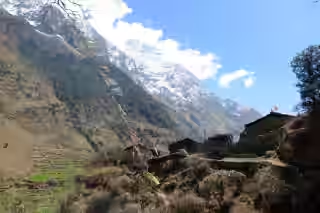
Spring remains the favourite season among trekkers for its pleasant weather and ideal trekking conditions. The days are generally warm enough for comfortable trekking, especially at lower altitudes, while the nights can be cool but manageable. Moreover, it is the season of renewal when wildlife is much more active, and most flowers, including wild orchids, are in bloom, adding color and vibrancy to the trails. The comparatively stable weather, reduces the chances of heavy rains or snow, thus ensuring safer and more predictable for trekking, especially for those wanting to enjoy nature at its best.
Pros and Cons of Manaslu Trekking in Spring
Pros:
- Perfect weather for trekking with mild temperatures and clear skies.
- Stunning flora that are blooming, subsequently creating a colorful and vibrant landscape.
- Unobstructed views of surrounding mountain peaks offer breathtaking scenery.
Cons:
- Trails can become crowded with other trekkers, leading to less privacy.
- Increased competition for accommodation and permits in popular trekking regions.
- The possibility of occasional rain showers, especially toward the end of the season.
Summer/Monsoon: A Rain-Drenched Paradise (June to August)
The summer season coincides with the monsoon season in Nepal. A significant signature of this season is the heavy rains and greenery that come to life with those rains.
- June: This is the beginning of the monsoon rains; the temperature ranges from 12°C to 22°C (54°F-72°F). Although the Manaslu trails start to get muddy, they are usually passable, and the greenery along the trails starts to become more vibrant.
- July: This is the peak of the monsoon, with the heaviest rainfall of the season. The temperature varies from 14°C to 23°C (57° to 73°F). Frequent downpours and persistent cloud cover dominate, causing the trails to become slippery and challenging in some areas.
- August: While the rainfall starts to subside a bit in August, the temperatures are almost similar to those in July, ranging from 14°C to 23°C (57°F-73°F). The trails are still green and fresh, but the occasional shower may affect trekking conditions.
Challenges and Beauty of Monsoon Trekking
Trekking in the Manaslu during the monsoon is a double-edged sword. The trek during the monsoon season is a double-edged sword. On one side, the rains bring life to the greenery, freshening up the landscape. On the other side, it makes the trails slippery and risky, making the chances of falls very high. While the monsoon is a time of real natural beauty, it also reduces the visibility of mountains as clouds frequently hide mountain views, giving trekkers fewer opportunities to see these majestic peaks. For all the solitude seekers, Monsoon hiking is best because there is less crowding, and those can fight their way from the challenges.
Pros and Cons of Trekking in Summer/Monsoon
Pros:
- The monsoon season offers fewer trekkers on the trail, providing a peaceful, solitary trekking experience away from the crowds.
- The rain brings incredible greenery, transforming the landscape into a lush paradise, with dramatic waterfalls and vibrant plant life adding to the stunning natural beauty.
Cons:
- The trails can become slippery and challenging due to frequent rain, increasing the risk of falls and requiring extra caution while trekking.
- Cloud cover often limits visibility, making it difficult to enjoy the breathtaking mountain views, as clouds frequently obscure the peaks.
Autumn: The Golden Season for Trekking (September to November)
Autumn is the peak tourist season for the Manaslu Circuit Trek because during these months, the weather remains stable, and there is a clear blue sky to see the surrounding peaks, which makes the weather quite ideal.
- September: Skies start to clear up after the monsoon, with temperatures ranging between 10°C and 20°C (50 - 68°F). There is a crisp atmosphere around following the post-monsoon skies; the trails turn green and alive with colour. The amazing scenery makes for a great time to trek through the refreshed and pleasant weather.
- October: Being the peak month for trekking, and the temperature ranges from 7°C to 18°C (45-64°F). The views are tremendous, and this is the best time to see the mountains because of the usually clear skies and stable weather conditions, which provide comfortable conditions for trekking.
- November: The temperature cools down further to 5°C-15°C (41°-59°F) as the region starts to get closer to winter. Although the temperatures drop, the conditions for trekking are excellent, with clear skies and crisp air; hence, it is a perfect time for those who prefer fewer crowds and enjoy a quieter trekking experience.
Why Autumn is the Peak Season for Mansalu Circuit trek Nepal?
Autumn is considered the best time to go trekking in Manaslu Circuit-and rightly so. This time of the year offers an ideal combination of clear blue skies, mild temperatures, and crisp fresh air for trekkers. During the autumn, the visibility is good, and it clearly shows the majestic peaks of the region, including Mt. Manaslu. This season offers a perfect blend of good weather, spectacular scenery, and fewer trekkers compared to the summer months, hence ideal for those seeking adventure and tranquillity in the Himalayas.
Pros and Cons of Trekking in Autumn
Pros:
- Clear skies and mild temperatures offer perfect trekking conditions, ensuring breathtaking mountain views.
- With stable weather, the trails and teahouses are open and well-stocked, providing ample support along the trek.
Cons:
- Autumn, particularly October, attracts many trekkers, leading to crowded trails and teahouses.
- Due to its popularity, accommodation and permits may be more expensive during the peak season.
Winter: A Snowy Wonderland (December to February)
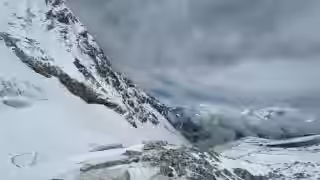
Winter transforms the Manaslu Circuit into a tranquil, snowy escape. The landscape is covered in a serene blanket of snow, creating a magical atmosphere that’s ideal for those seeking peace and solitude in the Himalayas.
- December: Temperatures drop to -5°C (23°F) to 8°C (46°F), and snow begins to cover the higher altitudes. The weather remains cold, but trekking conditions are still manageable for those prepared for the cold.
- January: As the coldest month, January sees temperatures plummet as low as -10°C (14°F) in higher regions. Snowfall becomes heavier, especially at the higher passes, making trekking more challenging but also incredibly beautiful.
- February: Temperatures are slightly warmer than January, ranging from -8°C (17°F) to 7°C (45°F). Snow continues to linger on the trails, creating picturesque views, though the weather remains cold.
Is Manaslu Circuit Trek in Winter Worth It?
Winter is perfect for experienced trekkers seeking solitude. The trails are quiet, and the snowy landscapes are breathtaking. Winter trekking on the Manaslu Circuit is ideal for experienced trekkers seeking solitude and adventure. The trails are quiet, with far fewer trekkers, offering an opportunity to enjoy the snow-covered landscapes in peace. However, winter trekking is not for the faint of heart, as it requires advanced preparation and resilience against the extreme cold and potential trail closures due to snow.
Pros and Cons of Trekking in Winter
Pros:
- Peaceful trails with no crowds: The winter season offers an incredibly quiet trekking experience with few trekkers on the trail, giving you a sense of isolation in nature.
- Unique, snow-covered scenery: The snowy landscapes provide a magical atmosphere, with mountain peaks and trails blanketed in fresh snow, offering a different perspective of the region.
Cons:
- Extreme cold and risk of closed routes: The severe winter temperatures can make trekking difficult, especially in higher altitudes, and certain routes may be blocked by heavy snow.
- Only suitable for seasoned trekkers: Due to the challenging conditions, winter trekking requires experience and the proper gear to ensure safety.
Month-by-Month Weather Insights: Best Time for Ideal Trekking Conditions
The Manaslu Circuit has something special to offer you all year round. A detailed table has already been given in above.
We have seen with our experience that every month has unique weather conditions that color your experiences in different ways. Your choice of trek depends on what you’re after such as
- whether it’s breathtaking views
- adventure and thrill
- or, avoiding the crowds
- or finding some quiet, peaceful moments in nature
Whatever is your main objective, by understanding the weather and temperature guide helps you plan your dream trek that fits what you want and matches your level of adventure.
Month | Weather | Best For |
|---|---|---|
March-May | Clear, blooming | Nature enthusiasts |
June-August | Rainy, green | Solitude seekers |
Sept-November | Clear, stable | Peak trekking season |
Dec-February | Cold, snowy | Experienced trekkers |
For Detailed Reading: Best Time to Trek Manaslu Circuit
Months to Avoid: When the Weather Takes Over
Certain months pose significant weather and temperature challenges for trekking the Manaslu Circuit in Nepal, making them less favorable for most trekkers. During the height of the monsoon season(June-August), heavy rains can transform trails into slippery, muddy paths. These conditions not only make trekking physically demanding but also increase the risk of landslides, particularly on steep or exposed sections of the trail. Additionally, dense cloud cover during this time obstructs mountain views, diminishing the visual appeal of the trek.
Many of our guests struggle to see the Larkya pass during off-season time due to extreme temperature and weathers at high altitudes.
Similarly, the winter season (December-February) is marked by extreme cold, with temperatures dropping well below freezing, especially at higher altitudes. Heavy snowfall often blankets the trails, and high mountain passes like the Larkya La may become impassable. These harsh conditions make it difficult for less-experienced trekkers to navigate safely and require advanced gear and preparation for those who choose to attempt a winter trek. These months demand careful consideration and thorough planning if undertaken.
Temperature Changes by Altitude on the Manaslu Circuit Route
Temperature on Manaslu Circuit drops significantly with elevation. Lower sections of the route may remain mild, while high-altitude areas experience freezing nights even during peak trekking seasons.
Villages such as Samagaon and Samdo often record sub-zero temperatures after sunset, whereas Larkya La Pass can experience harsh winds and heavy snow in colder months.
Understanding altitude-based temperature variations helps trekkers pack suitable clothing, prepare for sleeping conditions, and avoid weather-related discomfort.
Weather Conditions at Major Manaslu Circuit Stops
Weather varies considerably between different settlements along the Manaslu route. Lower elevations or the starting points (Maccha Khola and Soti Khola) usually experience warmer temperatures and occasional rainfall. The higher alpine regions as you move up on the trek will remain colder and more exposed to wind.
Key areas such as Namrung, Samagaon, Samdo, Dharamsala, and Bimthang each have unique weather patterns influenced by altitude and terrain. Trekkers often underestimate these microclimatic changes, leading to inadequate preparation.
Yes to make sure that these extreme weather and temperature changes don’t effect you much, acclimatization is planned before you head to Larkya La.
Larkya La Pass, Manaslu Weather and Temperature Details
Larkya La Pass, at over 5,100 meters (highest point of Manaslu circuit trek Nepal) experiences the most extreme and unpredictable weather conditions on the Manaslu Circuit Trek. The temperature variations can go from -5 to -25 degree Celsius.
To ensure safely landing at the summit, trekkers are advised to start trekking at 3 a.m. from Samagaun (via Dharmasala/Larkya Phedi).
Temperatures frequently fall below freezing, particularly before sunrise and during winter months. Strong winds, sudden snowfall, and reduced oxygen levels can make crossing the pass challenging.
Reaching out to a trekking company in Nepal is recommended as being locals they can give you accurate briefing on expected temperature and weather on Manaslu Circuit . Also, they will guide you on planning and safety tips as well.
Differences in the Day vs Night Temperature on Manaslu Circuit
The difference in day and night temperature at Manaslu Circuit trek fluctuates a lot. While the temperature difference is usually 15°C to 25°C for the lower altitude regions, one of the most important weather factors to understand before trekking the Manaslu Circuit is the significant difference between daytime and nighttime temperatures.
The table below shows approximate day and night temperatures across major locations on the Manaslu Circuit Trek:
Location | Altitude | Average Day Temperature | Average Night Temperature |
|---|---|---|---|
Soti Khola | 710 m | 18°C to 25°C | 10°C to 15°C |
Machha Khola | 930 m | 16°C to 24°C | 8°C to 14°C |
Namrung | 2,660 m | 10°C to 18°C | 0°C to 5°C |
Lho | 3,180 m | 8°C to 15°C | -2°C to 4°C |
Samagaon Village | 3,530 m | 5°C to 12°C | -5°C to 0°C |
Samdo Village | 3,875 m | 3°C to 10°C | -8°C to -2°C |
Dharamsala | 4,460 m | 0°C to 8°C | -10°C to -5°C |
Larkya La Pass | 5,106 m | -5°C to 5°C | -15°C to -10°C |
Bimthang | 3,590 m | 5°C to 12°C | -4°C to 1°C |
Understanding these day-to-night temperature changes helps trekkers prepare appropriate layering systems and sleeping equipment. Proper preparation ensures greater comfort, better acclimatization, and a safer trekking experience throughout the Manaslu Circuit.
Seasonal Packing Tips for Changing Weather Conditions
Packing requirements for the Manaslu Circuit Trek depend heavily on weather and temperature and the season you’re visiting. Trekkers traveling during colder months need stronger insulation layers, warmer sleeping gear, and additional protection against wind and snow. Rainy Season trekkers should prioritize waterproof clothing and quick-drying materials.
During spring and autumn, layered systems help adapt to changing temperatures. A weather-based packing approach improves comfort and reduces unnecessary luggage.
How Weather Affects Acclimatization During the Manaslu Trek?
Acclimatization refers to taking stops for adjusting the body as per changing temperature enroute Mansalu circuit trek. Weather and altitude work together to influence acclimatization on the Manaslu Circuit Trek. Cold temperatures, strong winds, and physical fatigue can increase stress on the body, especially at higher elevations. Rapid weather changes may also affect hydration levels and recovery. Trekkers who consider both weather and elevation tend to adjust more effectively.
Visibility and Photography Conditions by Season on Manaslu Circuit
Seasonal weather significantly impacts visibility across the Manaslu region. Autumn typically provides the clearest skies, making it ideal for mountain photography and panoramic views. Spring can also offer favorable conditions alongside colorful landscapes.
Monsoon months often reduce visibility because of clouds and rainfall, while winter may create dramatic snow scenery but with shorter daylight hours.
Weather Risks and Safety Tips for Manaslu Trekkers
The Manaslu Circuit Trek involves changing mountain weather that can affect trail safety. Heavy rainfall, snowfall, strong winds, and sudden temperature drops may create challenging conditions. Preparation, flexible itineraries, and awareness of local forecasts help reduce risks. Carrying proper clothing, allowing extra acclimatization time, and understanding seasonal hazards contribute to a safer trekking experience.
Winding Up
When trekking the Manaslu Circuit, having the right gear is vital to ensuring both comfort and safety, as each season presents unique challenges. Monsoon treks require waterproof jackets, pants, and sturdy footwear to handle the rain-soaked trails and reduce the risk of slips on muddy paths. In winter, proper thermal layers, insulated outerwear, gloves, and headgear become indispensable to withstand freezing temperatures, especially at higher elevations. Packing smartly and season-appropriately enhances your experience, allowing you to trek confidently and comfortably regardless of the weather. Lightweight yet effective gear is the key to overcoming the circuit's dynamic conditions.
To complement your preparation, partnering with a reliable travel operator like Mountain Routes can further enrich your trekking experience. With over a decade of expertise, Mountain Routes specializes in curating personalized itineraries that cater to individual preferences and group needs. Their seasoned teams ensure that every aspect of your trek, from securing permits to navigating the region’s intricate trails, is handled seamlessly. Combining proper gear with the exceptional services of a trusted travel agency in Nepal allows you to fully immerse yourself in the breathtaking landscapes and cultural heritage of the Manaslu Circuit, making your adventure both safe and unforgettable.
Frequently Asked Questions About Manaslu Weather
- Is spring the best season for Manaslu Circuit Trek?
Yes! Spring offers pleasant weather, blooming flowers, and clear views, making it a favourite among many trekkers.
- Can you trek the Manaslu Circuit during the monsoon?
Yes, but it’s more challenging due to rain and slippery trails. It’s best for seasoned trekkers looking for fewer crowds.
- What’s the coldest month for trekking the circuit?
January is the coldest month, with temperatures dropping as low as -10°C (14°F) in higher regions.
- How much does temperature drop with altitude on the Manaslu Circuit Trek?
Temperature at Manaslu circuit trek typically decreases by 6–7°C for every 1,000 meters gained in elevation. This means trekkers may experience mild weather at lower villages but freezing conditions near Larkya La Pass.
- Why do nights at Manaslu trek feel much colder than daytime temperatures?
High-altitude regions lose heat rapidly after sunset due to thinner air and lower atmospheric insulation. As a result, nighttime temperatures at this remotest Himalayan trek can drop 10–15°C below daytime levels, especially above 3,500 meters.
- Which section of the Manaslu Circuit experiences the biggest temperature change?
The stretch between Samagaon, Dharamsala, and Larkya La Pass shows the sharpest temperature drop because of rapid altitude gain and increased wind exposure.
- Does cold weather increase the risk of altitude sickness?
Cold weather itself does not cause altitude sickness, but it can contribute to fatigue, dehydration, and poor recovery, making acclimatization more difficult at higher elevations.
- Are weather conditions the same throughout the Manaslu route?
No. The Manaslu Circuit has multiple microclimates, ranging from warm subtropical valleys to cold alpine terrain, causing weather conditions to vary significantly between villages.
- Which month has the largest day-to-night temperature variation?
October and November often experience the greatest temperature swings because clear skies create warmer days but allow rapid heat loss overnight.
- Do sleeping bag requirements change by season?
Yes. Spring and autumn trekkers usually require sleeping bags rated around -10°C, while winter trekking may demand gear rated below -15°C or colder.
- Does weather affect teahouse comfort during the trek?
Yes. Higher-altitude teahouses can become extremely cold at night, and heating options are often limited. Indoor temperatures may remain close to outdoor conditions during winter.
- Which season offers the best visibility on Manaslu Circuit for mountain views?
Autumn (October–November) generally provides the clearest skies, lowest humidity, and best visibility for panoramic Himalayan views and photography.
- How should trekkers adjust clothing for changing temperatures during the day?
A layering system works best: moisture-wicking base layers, insulating mid-layers, and windproof outer layers allow trekkers to adapt quickly to temperature changes throughout the day.
- How many daylight hours do I have for trekking Manaslu Circuit in winter compared to summer?
During winter trekking on the Manaslu Circuit, December–January gives roughly 10–11 hours of daylight (sunrise approx. 6:30 AM, sunset approx. 5:30 PM). In summer, June–July the daylight stretches to 13–14 hours. Regardless of season, always start by 6–7 AM in winter (except Larkya La Day) to avoid dropping Manaslu Circuit temperatures after dark.
- What happens if Larkya La Pass closes due to bad weather?
There is no alternate route. Larkya La Pass is the only crossing on the Manaslu Circuit Trek. If heavy snow or whiteout conditions make it uncrossable, you wait at Dharamsala or return to Samdo, sometimes for 1–3 days. Always build at least 2 buffer days around your pass crossing, especially when Manaslu Circuit weather turns unpredictable in late November, December, and early March.
- How fast can Manaslu Circuit weather change? Should I worry about sudden storms?
Very fast. Manaslu Circuit weather conditions can shift from clear skies to snow or thunderstorms within 1–2 hours, especially in spring and early autumn. The typical pattern is clear mornings followed by cloud buildup and rain or hail by early afternoon. Always keep rain gear and warm layers in your daypack, not in your porter's load.
- Will cold temperatures on the Manaslu Circuit drain my phone and camera battery faster?
Yes, significantly. Below 0°C (It’s pretty common at higher Manaslu Circuit altitudes), a fully charged phone can lose most of its charge within an hour if kept in an outer pocket. Keep devices close to your body, carry a power bank, and bring spare camera batteries. Charging above Samagaon usually costs extra, so charge everything fully each evening.

No comments yet. Be the first to share your thoughts!