
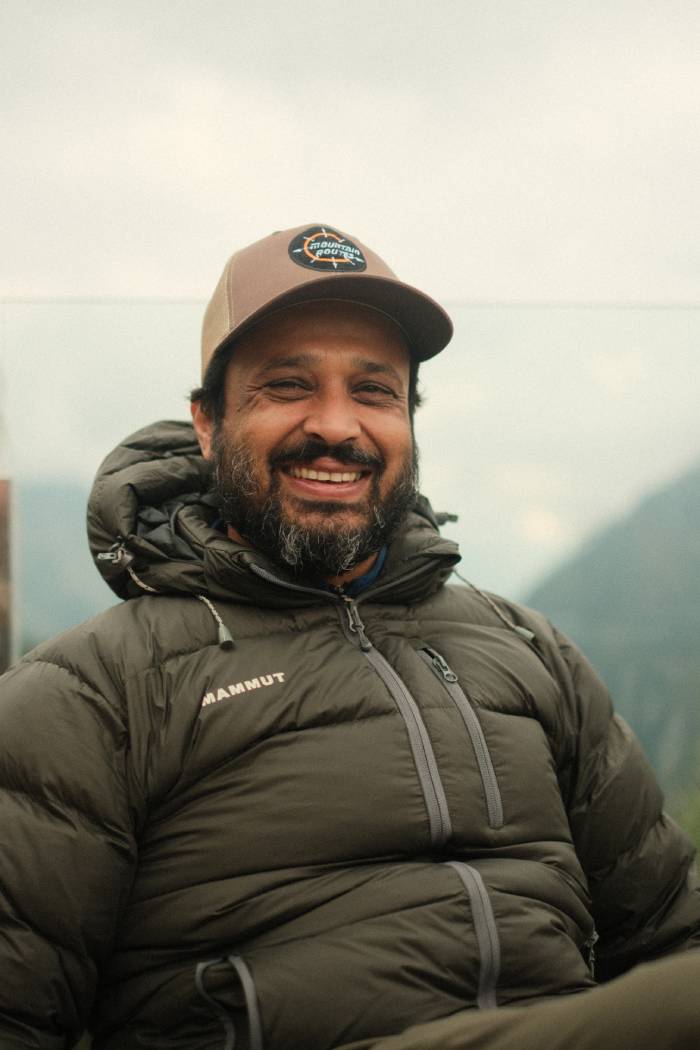
The Everest Base Camp (EBC) Trek is one of the world's most iconic trekking experiences. From breathtaking Himalayan landscapes to the unforgettable view of Mount Everest, every step is rewarding. However, trekking to an altitude of 5,364 meters (17,598 feet) comes with unique challenges that require proper preparation and safety awareness.
At Mountain Routes, your safety is our highest priority. Our carefully designed itineraries, experienced local guides, and proven acclimatization schedule help ensure you enjoy the journey while minimizing altitude-related risks.

Why Safety Matters on the Everest Base Camp Trek
The Everest region is a remote, high-altitude environment where weather conditions can change rapidly. As you gain elevation, oxygen levels decrease, making your body work harder than usual.
Following a well-planned itinerary, listening to your guide, and understanding altitude safety are essential for a successful trek.
Acclimatization, Altitude & Safety on the Everest Route
Acclimatization is the most important part of your high-altitude journey. The air gets thinner as you climb, so your body needs time to adjust. A well-planned itinerary reduces risks and keeps your energy strong throughout the trek.
Mountain Routes follows a proven schedule trusted by experienced guides in the Everest region. You gain altitude gradually, enjoy planned acclimatization days, and follow trekking techniques that help your body adapt safely.
Why Acclimatization Matters
- Oxygen levels drop significantly above 3,000 meters.
- Your body needs time to adjust to reduced oxygen availability.
- Proper acclimatization lowers the risk of altitude sickness.
- Slow, steady trekking helps preserve your energy.
- Planned rest days improve your chances of reaching Everest Base Camp and Kala Patthar comfortably.
Understanding Altitude Sickness
Altitude sickness, also known as Acute Mountain Sickness (AMS), can affect anyone regardless of age or fitness level.
The risk increases as you climb higher without allowing enough time for your body to adapt.
Common Symptoms
- Headache
- Dizziness
- Nausea
- Loss of appetite
- Fatigue
- Difficulty sleeping
- Shortness of breath
Ignoring these symptoms can lead to more serious conditions such as High Altitude Pulmonary Edema (HAPE) or High Altitude Cerebral Edema (HACE), which require immediate descent and medical attention.
Follow a Proper Acclimatization Schedule
One of the biggest mistakes trekkers make is ascending too quickly.
Mountain Routes follows internationally recommended altitude guidelines by including acclimatization stops at key locations such as:
- Namche Bazaar (3,440 m)
- Dingboche (4,410 m)
These rest days are not complete rest. Instead, trekkers take short hikes to higher elevations before returning to sleep at a lower altitude—a strategy known as "climb high, sleep low."
This technique significantly improves acclimatization.
Stay Hydrated Throughout the Trek
Dehydration increases the risk of altitude sickness.
Drink 3–4 liters of water daily, even if you don't feel thirsty.
Helpful hydration tips include:
- Carry a reusable water bottle.
- Drink regularly throughout the day.
- Avoid excessive caffeine.
- Limit alcohol consumption before and during the trek.
- Use water purification tablets or filtered water whenever necessary.
Trek Slowly and Maintain a Steady Pace
The Everest Base Camp Trek is not a race.
Walking slowly allows your heart and lungs to adapt naturally to the changing altitude.
Experienced Mountain Routes guides maintain a comfortable pace that balances progress with safety.
Remember:
Walk slowly, breathe deeply, and conserve your energy.
Listen to Your Guide
Local guides have years of experience trekking the Everest region.
They monitor:
- Your walking pace
- Signs of altitude sickness
- Weather conditions
- Trail safety
- Daily health checks
If your guide recommends resting or descending, always follow their advice.
Dress Properly for Changing Weather
Weather in the Everest region can change within minutes.
Layering your clothing helps regulate body temperature throughout the day.
Recommended clothing includes:
- Moisture-wicking base layer
- Insulating fleece or down jacket
- Waterproof outer shell
- Warm trekking pants
- Gloves
- Wool hat
- Neck gaiter
- Thermal socks
Avoid cotton clothing, as it retains moisture and increases the risk of getting cold.
Wear the Right Trekking Boots
Your boots will be your most important piece of equipment.
Choose boots that are:
- Waterproof
- Well broken-in
- Comfortable
- Provide good ankle support
- Have strong grip for rocky trails
Never wear brand-new boots on the trek.
Pack a Personal First Aid Kit
Although guides carry emergency medical supplies, every trekker should have basic personal medications.
Your kit should include:
- Personal prescription medicines
- Altitude medication (only after consulting your doctor)
- Pain relievers
- Blister treatment
- Bandages
- Antiseptic wipes
- Oral rehydration salts
- Lip balm
- Sunscreen (SPF 50+)
Protect Yourself from the Sun
High-altitude sunlight is much stronger than at sea level.
Protect yourself by:
- Wearing UV-protection sunglasses
- Applying sunscreen regularly
- Wearing a wide-brim hat or cap
- Covering exposed skin
Snow can also reflect sunlight, increasing UV exposure.
Eat Well During the Trek
Your body burns significantly more calories at altitude.
Choose nutritious meals rich in carbohydrates and proteins.
Popular trekking meals include:
- Dal Bhat
- Rice
- Noodles
- Soup
- Potatoes
- Eggs
- Oatmeal
Even if your appetite decreases, continue eating regularly to maintain energy.
Get Travel Insurance
Travel insurance is highly recommended for the Everest Base Camp Trek.
Your policy should include:
- High-altitude trekking coverage
- Emergency helicopter evacuation
- Medical treatment
- Trip cancellation
- Lost baggage
Emergency evacuation in the Everest region can be expensive without insurance.
Respect the Mountain Environment
Safe trekking also means protecting the fragile Himalayan ecosystem.
Follow Leave No Trace principles:
- Carry reusable water bottles.
- Dispose of waste responsibly.
- Stay on marked trails.
- Respect local culture and monasteries.
- Avoid disturbing wildlife.
Responsible trekking helps preserve the Everest region for future generations.
Emergency Preparedness
Despite careful planning, emergencies can happen.
Mountain Routes prepares every trek with:
- Experienced licensed trekking guides
- Emergency communication systems
- Knowledge of nearby health facilities
- Coordination for helicopter evacuation if required
- Daily health monitoring throughout the trek
Our team prioritizes quick decision-making whenever safety becomes a concern.
Why Trek with Mountain Routes?
Choosing a trusted trekking company makes a significant difference to your safety and overall experience.
Mountain Routes offers:
- Carefully planned acclimatization itineraries
- Professional local guides with Everest experience
- Small group sizes for personalized support
- Safety-first trekking approach
- Regular health monitoring
- Reliable logistics throughout the journey
Our goal is not simply reaching Everest Base Camp—it's helping every trekker complete the adventure safely, comfortably, and with confidence.
The Everest Base Camp Trek is a life-changing adventure, but success depends on careful preparation and responsible trekking. Prioritizing acclimatization, staying hydrated, maintaining a steady pace, and following your guide's advice greatly reduce the risks associated with high altitude.
With Mountain Routes' proven itineraries and experienced team, you can focus on enjoying the incredible landscapes, Sherpa culture, and the unforgettable achievement of standing at the foot of the world's highest mountain—knowing your safety comes first.
No comments yet. Be the first to share your thoughts!