

Annapurna Base Camp weather and temperature changes far more than a single forecast can show.
The trek takes you entirely from lowlands to the heights of the Annapurna Base Camp. You will be traveling through the different elevations, rivers, forests, and open alpine terrain.
The Annapurna Base Camp is situated at an altitude of 4,130 m in the Annapurna Sanctuary.
The climatic conditions have a direct effect on the temperature, snowfall, cloud cover, and the trails you walk in the Annapurna region.
Lower villages like Deurali and Chhomrong can be mild. At the same time, Annapurna Base Camp can be cold.
On the seven-day Annapurna Base Camp Trek, you travel from the lower Modi Khola Valley to Annapurna Base Camp (ABC).
You will pass through Chhomrong, which is a lower village, so the weather can be warmer than at Annapurna Base Camp.
But a warm afternoon in Chhomrong does not tell you what the weather will be like at Annapurna Base Camp that night.
Likewise, season matters for trekking to Annapurna Base Camp.
In autumn, the lower trail can feel pleasant during the day, while Deurali and Annapurna Base Camp can still turn cold after sunset.
Temperatures in the Annapurna region drop very quickly as you gain altitude, especially at night. You need to pack warm layers and be ready for colder conditions for the Annapurna trek.
Weather in Annapurna Base Camp: One Trek, Several Weather Zones
The journey to Annapurna Base Camp starts at Jhinu Danda. Then, you pass through many other lower trails on the way to Annapurna Base Camp. The lower trail includes Chhomrong, Dovan, and Deurali.
Chhomrong is a mountain village and a common place to stay on the way to Annapurna Base Camp. Dovan is a small stop along the forest trail. Deurali is a higher stop on the Annapurna route. Above Deurali, the trail becomes more open as you continue the journey to ABC.
After Deurali, you pass through Machhapuchhre Base Camp before you reach Annapurna Base Camp. At Annapurna Base Camp, you spend the night.
By Day 4, you have left the green, forested areas around Chhomrong and Dovan.
As the altitude increases, the trail becomes more open around Deurali and Machhapuchhre Base Camp.
The more you climb higher, temperature becomes colder during Annapurna Base Camp trek. Because the weather changes quickly, you may need a warmer jacket, a different start time, and a better plan for protecting against rain.
Note: Chhomrong and Dovan are warmer and more humid because you are at a lower elevation and still inside the forest belt. Deurali feels colder, have wet weather that can make changes in climate more obvious.
Above Deurali, the trail becomes more open and exposed. The nights at Machhapuchhre Base Camp (MBC) and Annapurna Base Camp(ABC) geta colder as the altitude increases.
This is the reason why ABC trek weather should not mean only the forecast at Annapurna Base Camp. Weather is not the only thing to consider. You also need to know where you will sleep and which trail you will take the next morning.
Route stage | Height | Weather planning point |
|---|---|---|
Jhinu Danda | 1,780 m | Warmest part of the walking route; rain and humidity matter most in monsoon |
Chhomrong | 2,170 m | Milder than the upper route; rain can be heavy during monsoon |
Dovan | 2,600 m | Forested and damp in wet periods; nights become cooler |
Deurali | 3,200 m | Cold becomes a larger part of the day; snow and ice become more plausible |
Machhapuchhre Base Camp | 3,700 m | Pass-through on Day 4, exposed to cold, cloud, and wind |
Annapurna Base Camp | 4,130 m | Highest planned sleep; freezing nights possible outside the warmest period |
Bamboo | 2,310 m | Warmer again after the descent; rain returns as a larger concern |
Annapurna base camp temperature by season : Seasonal temperature planning
Each season brings different temperature and weather conditions at Annapurna Base Camp.
The winter is colder and drier while the monsoon brings more rain, clouds, and humidity. Spring and autumn usually have more stable weather at Annapurna Base Camp.
However, temperatures can still change quickly at high altitude.
Note: Mountain weather can change fast, so check the current forecast again before your Annapurna trek.
We have given you a short summary table of the seasonal weather for Annapurna Base Camp below :
Season | ABC daytime planning band | ABC night planning band | What changes on the trek |
|---|---|---|---|
Spring: Mar-May | About 0°C to 10°C | About -5°C to 0°C | Cold upper nights; clearer mornings; rain risk grows toward late May |
Monsoon: Jun-Aug | About 5°C to 12°C | About 0°C to 5°C | Wet lower trail, cloud, poor visibility, high humidity; upper nights still cold |
Autumn: Sep-Nov | About 0°C to 10°C | About -5°C to -2°C | Drier after the monsoon; clearer views; freezing nights remain possible |
Winter: Dec-Feb | About -5°C to 5°C | About -15°C to -10°C | Very cold nights; snow and ice can change the upper trail |
Annapurna Base Camp weather in Spring
March at Annapurna Base Camp can still feel like winter above Deurali. The mornings are cold. Likewise, snow or ice can still cover the upper trail at Annapurna Base Camp.
In April and May, the days normally become warmer. However, the temperature at night continues to decrease at Annapurna Base Camp. It can be very cold and may fall below freezing.
Spring at Annapurna Base Camp offers clear mornings. However, clouds can build later in the day. As May gets closer to the monsoon season, rain becomes very common.
Note: Cold weather can also bring fresh snow to the higher parts of the Annapurna Base Camp trail.
If you trek near the start or end of the monsoon season, you need to be prepared for colder and wetter weather than you may expect for the Annapurna Base Camp Trek.
Annapurna Base Camp weather in Monsoon
Monsoon at Annapurna Base Camp brings unexpected rainfall. June to August receives heavy and unexpected rainfall at ABC. At this time of months, settlements such as Chhomrong, Bamboo, and Dovan can be wet, humid, and muddy.
Clouds can block the views of the Annapurna range. The stone steps on the trail to ABC can become slippery. The forest trails may also stay wet for a long time, which makes it difficult to walk.
Even though Nepal is in the summer monsoon, you should not expect the upper sanctuary to be warm.
Note: If your clothes get wet on the Annapurna trail, wind can make you feel even colder.
So, the main challenge to trek Annapurna Base Camp is not just the temperature. The monsoon rain, wet trails, clouds, and poor visibility can make the Annapurna trek even harder.
The monsoon conditions can change quickly, do check the route close to your departure date. This will make your journey on the Annapurna trek safer.
Likewise, a seasonal guide can explain to you what the weather is usually like, but it cannot tell you what the trail will be like on the exact trekking days you plan to trek Annapurna.
A current check on the weather at Annapurna can help you know if rain has affected the trail, road to the starting point, or upper trekking sections for this Annapurna Trekking.
Annapurna Base Camp weather in Autumn
Autumn is considered one of the best season for clear visibility in the Annapurna Region. After the main monsoon rains start to slow down, September brings a change in the weather at Annapurna Base Camp.
By October and November, you will see that the skies are clearer than in September. The mountains in the autumn season have better views of Annapurna I, Annapurna South, Machhapuchhre (Fishtail), and Hiunchuli.
However, at Annapurna Base Camp, nights can be very cold. In fact, the night temperature may fall below freezing.
The days can still feel comfortable while you are at Annapurna Base Camp, but the temperature drops quickly after sunset. By November, you will find the cold becomes stronger at Annapurna Base Camp.
A wet or shaded ground can freeze overnight in the Annapurna region. So, if you trek Annapurna Base Camp late in autumn, you need to be prepared for icy ground and cold mornings.
Annapurna Base Camp weather in Winter
Winter at Annapurna Base Camp brings very cold temperatures. Snowfall, clouds, and fog can reduce mountain visibility in the Annapurna region. December to February is the time when Annapurna Base Camp feels the coldest.
The sun can make some open parts of the trail feel warm during the day. However, the temperature drops very fast when the sun goes down or moves behind the mountains. Nights at Annapurna Base Camp in winter can fall below freezing. Likewise, snow or ice can cover parts of the upper trail.
For this reason, the amount of snow matters more than the average winter temperature if you are trekking Annapurna Base Camp.
A monthly weather table cannot tell you exactly what the Annapurna trail will look like on your trekking day. So, Winter trekking also depends on more than the weather.
There are many factors that need to be taken care of for trekking to Annapurna Base Camp in winter.
Snow and ice, trail conditions, lodge access, cold temperatures, and your own trekking ability can all affect your Annapurna trip.
Rain, Snow, Wind, and Cloud Affects Different Parts of the Trek
Annapurna Base Camp can feel much colder than the lower parts of the trek because of the cold, wind, clouds, and snow. In contrast, rain affects the lower forest sections the most.
The wet stones, mud, and water on the steps of the Annapurna trail can make your walk slower. Heavy rain also affects the road conditions. The weather in Pokhara and on the lower route matters too.
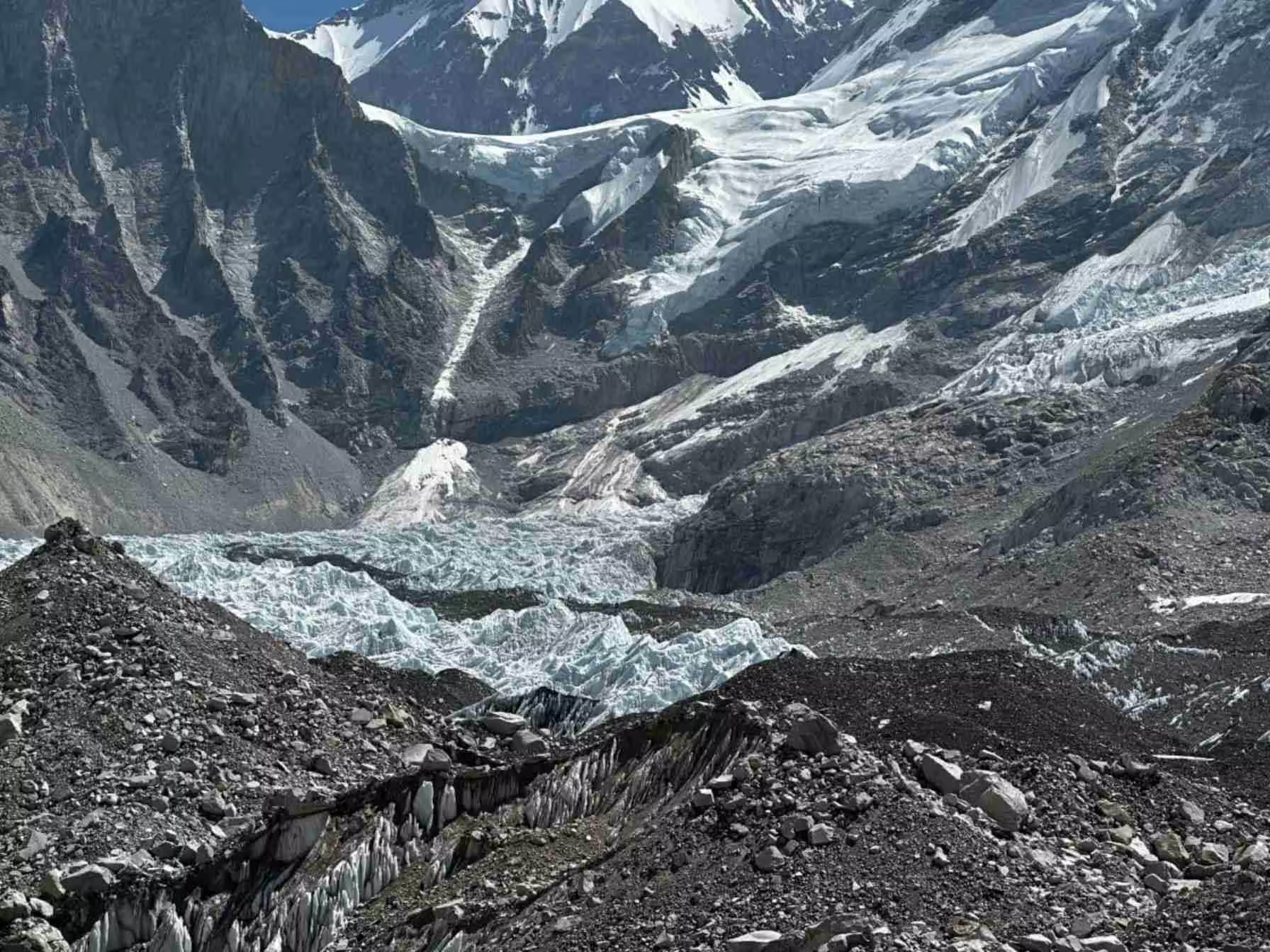
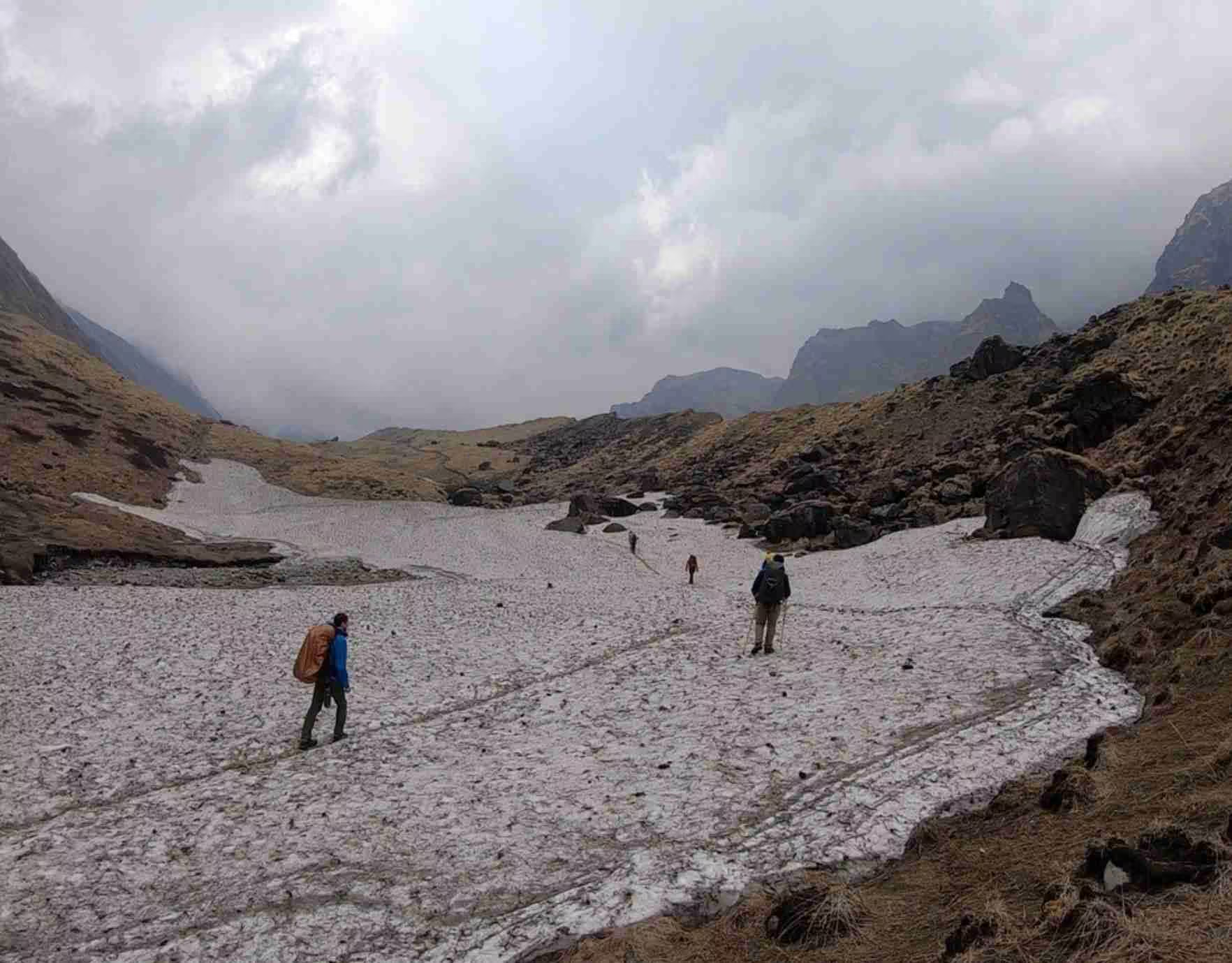
The weather conditions can be different, so checking only the weather at Annapurna Base Camp is not enough. Snow becomes a bigger concern, especially above Deurali. Heavy snowfall can cover trail markers and make the Annapurna trail difficult to see and follow.
When snow melts and freezes again, it can also turn into hard ice on shaded parts of the Annapurna path. So, a sunny morning after snowfall does not always mean the trail is safe and clear for you to walk.
Wind and clouds are also an important concern on the higher trail. The upper part of the trek is more open than the forest. The strong wind can make you feel even colder. Clouds can block mountain views very quickly.
You can trek to Annapurna Base Camp when the visibility is clear, especially during spring or autumn seasons.
How to Check the Forecast for Your Annapurna Base Camp Trek?
A weather forecast is an estimate of future weather conditions. Annapurna Base Camp is a high-altitude trek where you have to deal with changing weather conditions in the morning, day, and night.
If you want to check the Annapurna Base Camp trekking forecast, you need to start by checking the place and height that are shown on the forecast. The forecast should be for a place that is close to your Annapurna trekking route.
Note: A Pokhara forecast is useful for your time in the city and on the road. But it does not show the weather at Annapurna Base Camp.
So, for Annapurna Base Camp, you can check a forecast for a place near 4,100 m. Check Chhomrong to see what the weather conditions may be like lower on the trail.
Next, you need to check what type of forecast you are reading.
A seasonal forecast shows the weather that is common during a particular season. Likewise, a short-term forecast shows you the weather expected during your Annapurna trek.
The weather at Annapurna Base Camp can change quickly, so check the short-term forecast again before you leave for the Annapurna trek.
You need to check more than the temperature. You need to see other aspects like rain, snow, wind, and clouds too. These can make the Annapurna trail harder to walk.
If two forecasts show different weather, do not just pick the warmer one. The difference means the weather may change, so prepare for both conditions for your Annapurna Trek.
What does the weather mean for the seven-day Annapurna Base Camp itinerary?
The weather at Annapurna Base Camp is unpredictable. You may have clear mountain views one moment, but strong winds, rain, or snow can change trail conditions very quickly.
Here is how the weather can change as you move higher and lower during the seven-day Annapurna Base Camp trek:
Days 1 and 2:
You stay at lower places like Chhomrong and Dovan, where the weather can feel warmer, humid, or rainy.
Day 3:
You reach Deurali, which is a small mountain settlement at about 3,200 m.
The mornings at Deurali can feel colder, and you may also get rain or snow as you climb higher.
Day 4:
You pass Machhapuchhre Base Camp (MBC) at about 3,700 m before you reach Annapurna Base Camp at the height of 4,130 m.
Because you climb higher, the cold and wind can feel stronger.
Day 5:
You walk down to Bamboo. As you lose certain height, the air normally becomes warmer. However, rain at Bamboo is still possible in the forest sections. The weather can change from one day to the next because your height changes along the route.
So, you need to prepare for different weather conditions instead of expecting the same weather for all seven days.
Weather questions to settle before you leave Pokhara
The altitude gain at Annapurna Base Camp cannot be ignored. Weather conditions can change very quickly, making the Annapurna trek difficult to walk. You need to get prepared for certain things before you leave Pokhara.
The journey to the Annapurna trek gets safer if you check the current forecast and trail conditions. We have given some of the simple steps that will help you prepare for rain, snow, cold temperatures, or slippery trails for the Annapurna region trek.
Which forecast is being used?
You need to ask your trekking guide which weather forecast or route report they are using for trekking the higher parts of the Annapurna trail.
When was the forecast checked?
You can ask when the forecast or route report was last updated.
Is there recent snow?
If snow has fallen recently, ask about the trail from Deurali to MBC. Do not ask only whether Annapurna Base Camp is open or not.
Are the Annapurna trail conditions easy to walk in ?
You can ask if the Annapurna trail is easy or not. However, the Annapurna route may be open, but snow or ice can make the walk slower or change the plan in your itinerary.
What about the monsoon?
If you trek during the monsoon, you can ask about the road conditions to Jhinu Danda and the lower trail after heavy rain.
What about winter?
Ask if the lodges on the higher route are open and if recent snow has changed the trail to Annapurna Base Camp.
What happens if weather changes the plan?
A forecast tells you what the weather may be like for the Annapurna Base Camp Trek. Your booking terms should explain what happens if bad weather causes an extra night, a route change, or an early return.
Frequently Asked Questions
What is the weather like at Annapurna Base Camp?
The weather can change quickly, with cold nights, strong sun, wind, and clouds at Annapurna Base Camp. You might find the lower trail, like Chhomrong and Deurali, to be warm or wet. However, Annapurna Base Camp stays cold on the same day.
How cold does Annapurna Base Camp get at night?
Winter nights at Annapurna Base Camp can fall well below freezing point. In fact, freezing nights are still possible in spring and autumn. You need to plan your trek based on seasons rather than depending on the forecast.
Does it rain on the Annapurna Base Camp trek?
Yes. Rain is very often especially at the time of Monsoon.
June to August monsoon and affects the lower forested sections making you difficulty in walking. Clouds and wet trail surfaces can matter as much as the rainfall total.
Does Annapurna Base Camp get snow?
Yes. Snow is very common in winter at Annapurna Base Camp. It can occur in early spring or after colder systems in other seasons. If there has been recent snowfall, it can change the Deurali-to-ABC walking conditions very fast.
Is October warm at Annapurna Base Camp?
October at Annapurna Base Camp mostly offers clear walking conditions. However, the altitude of 4,130 m at night in ABC can still fall below freezing.
Can I use Pokhara weather for the ABC trek?
No, Pokhara weather is not enough to plan your Annapurna Base Camp Trek. Pokhara is situated lower than Annapurna Base Camp. The weather can be different at Pokhara and ABC. But you can use Pokhara weather for your city and road days. As you climb higher, check the weather to know the weather of lower places like Deurali, MBC, and ABC.


No comments yet. Be the first to share your thoughts!