Comparison of Annapurna Region Treks
Trip | Current plan | Main route type | High point or main goal | Better fit when you want |
|---|
Annapurna Base Camp | 7 days | In-and-out base-camp trek | ABC, 4,130 m | A direct base-camp goal |
Annapurna Circuit | 12 days | High-pass circuit | Thorong La, 5,416 m | A longer route and major pass |
Annapurna Sanctuary | 8 days | Poon Hill plus ABC | ABC, 4,130 m | Two well-known Annapurna sections together |
Ghorepani Poon Hill | 8 days | Lower ridge and village trek | Poon Hill, 3,210 m | A lower high point and fewer trekking days |
Mardi Himal | 8 days | Ridge trek | Mardi ridge and upper viewpoint area | A compact ridge route |
Khopra Danda | 12 days | Quieter ridge trek | Khopra ridge, with optional side hike | A quieter route and extra side-trip choice |
Nar Phu Valley | 17 days | Restricted valley plus high passes | Nar, Phu, Kang La and Thorong La | Remoteness and a longer high-altitude route |
ABC Helicopter Tour | Short flight-based trip | Helicopter landing | ABC, 4,130 m | Reaching ABC without a multi-day trek |
Package length can include city, road, and arrival or departure days. Check the linked trip page before comparing trekking days alone.
Which Annapurna Trek Should You Choose?
You want a base camp
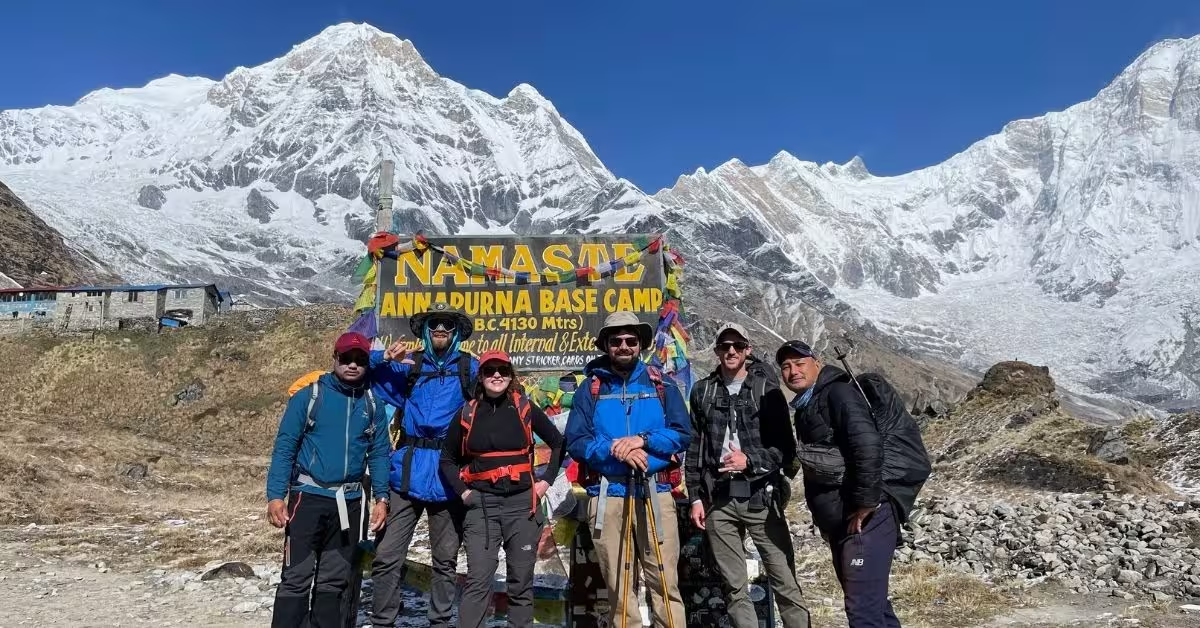
Choose Annapurna Base Camp when reaching ABC is the main reason for your trip. The seven-day plan keeps the route focused on the Sanctuary. Choose Annapurna Sanctuary when you want to add the Ghorepani and Poon Hill side before reaching ABC.
You want a high mountain pass
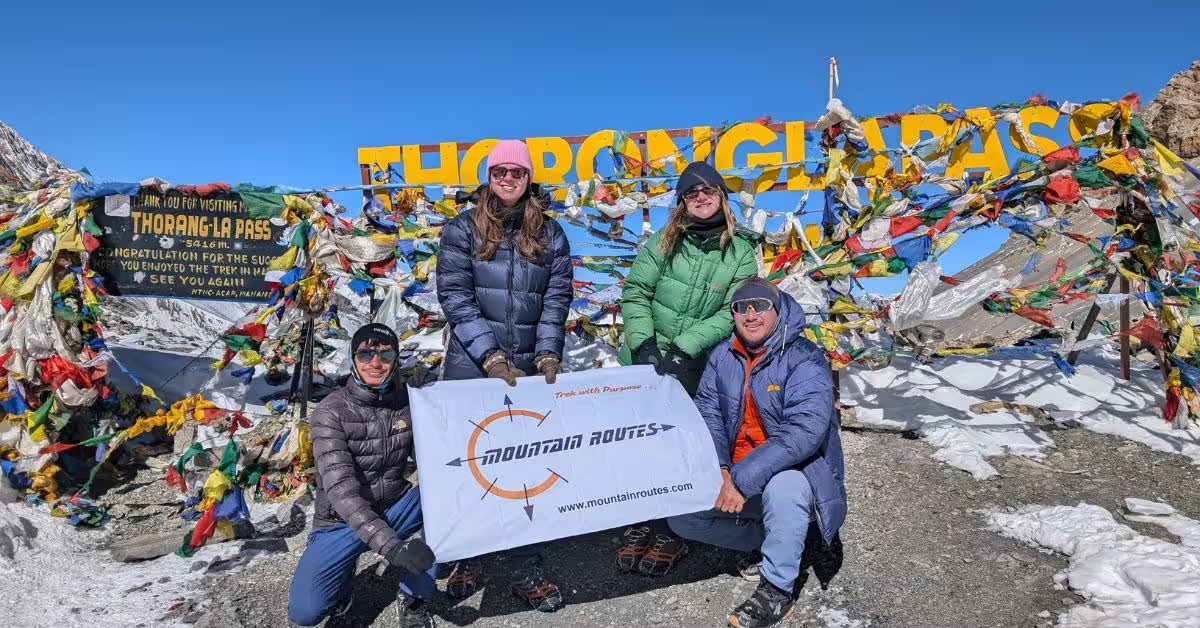
Choose Annapurna Circuit when Thorong La is the main challenge you want from the trip. Choose Nar Phu when you want a restricted valley section before joining the higher Circuit route. Nar Phu asks for more time and prior high-altitude trekking background.
You want fewer trekking days
Poon Hill has a lower high point than the base-camp and high-pass routes. Mardi Himal gives you a shorter ridge pattern from the Pokhara side. Do not choose only by the number on a package card. Check how many days are walking days, road days, and city days.
You want quieter trail sections
Khopra Danda leaves the main Ghorepani corridor for a quieter ridge. Mardi can feel less busy than the main ABC path on parts of its route. Nar Phu gives the strongest move away from the standard Annapurna trekking corridors, but it comes with restricted-area rules and a longer schedule.
You do not want a multi-day trek
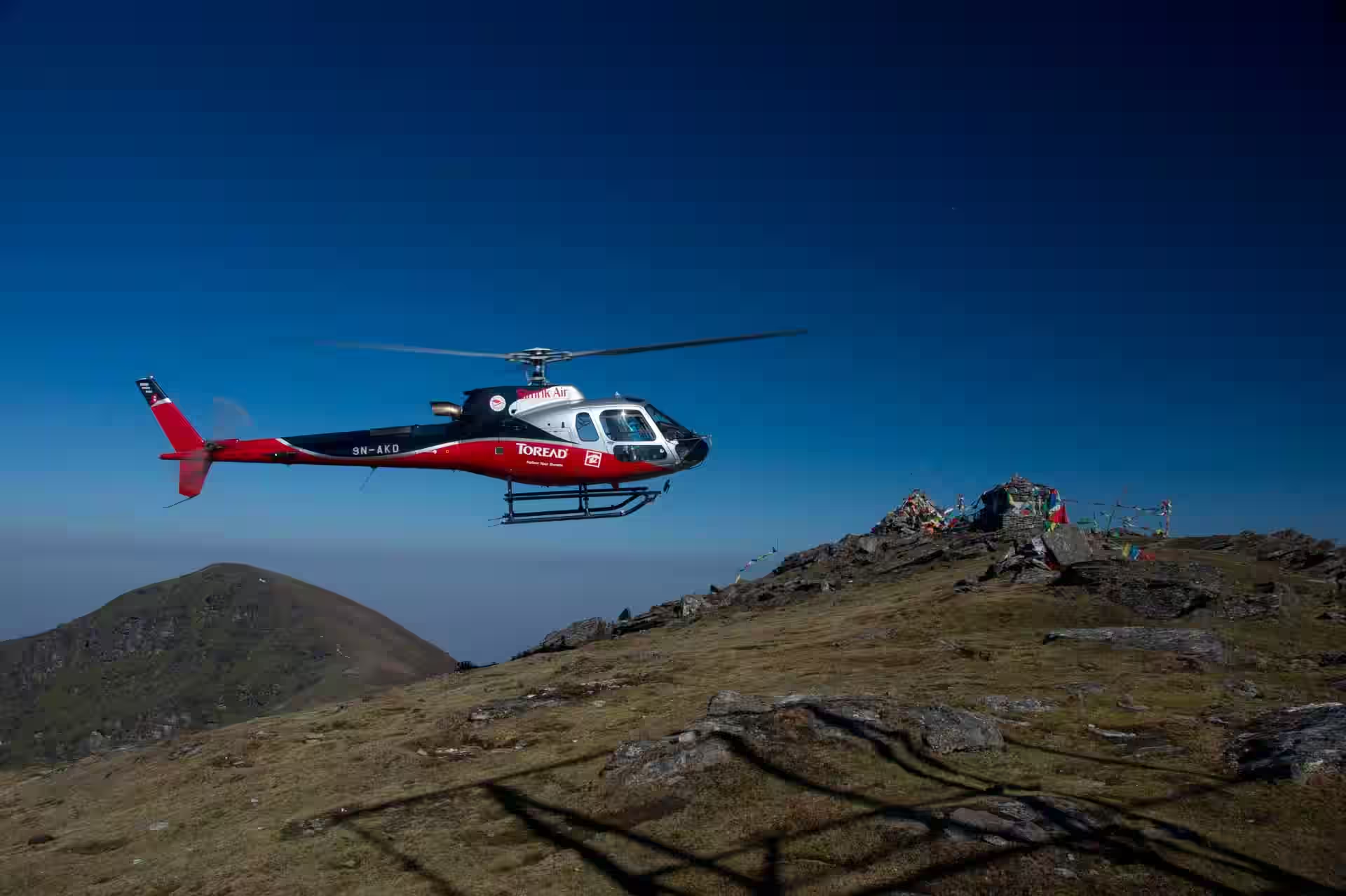
The ABC helicopter tour reaches the Sanctuary by air from Pokhara. This is a flight product, not a short version of the trekking route. Weather, aviation limits, and fast altitude gain matter in a different way. Check the live helicopter page before booking.
Annapurna Region at a Glance
The Annapurna trekking area sits in north-central Nepal. Its southern routes connect closely with Pokhara, while the Circuit and Nar Phu routes enter from the Marsyangdi side.
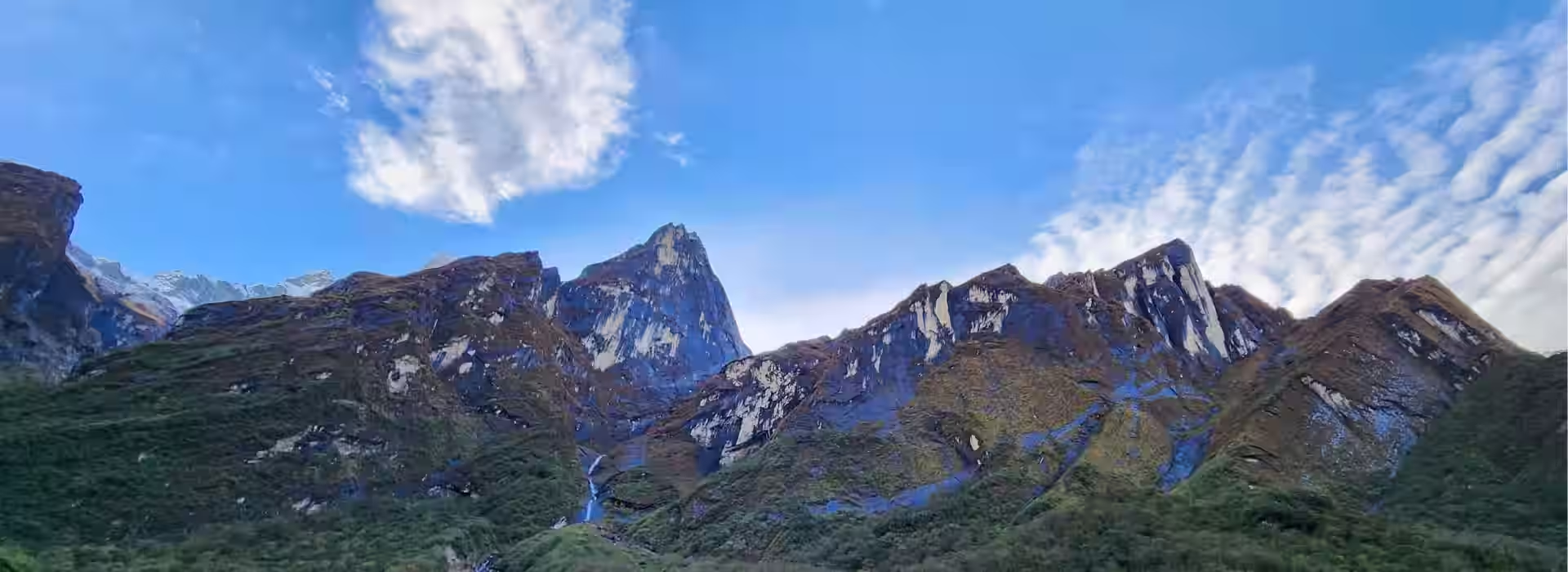
The region contains forest trails, farm villages, high valleys, dry upper terrain, glacial features, ridges, and major mountain passes. Annapurna I rises to 8,091 m, but trekking trips stay far below its summit.
Many routes on this page enter the Annapurna Conservation Area. Each route uses a different part of the area, so a regional map is more useful than one generic trail line.
Main Route Families and Gateways
Pokhara-side base-camp and ridge routes
Annapurna Base Camp, Annapurna Sanctuary, Poon Hill, Mardi Himal, and Khopra Danda use the southern Annapurna trail network. Pokhara acts as the main road and trip base for these products.
The routes share some gateway areas, but they should not be read as one interchangeable trek. ABC follows a base-camp valley. Mardi follows a ridge. Poon Hill stays lower. Khopra leaves the better-known Ghorepani corridor.
Marsyangdi and Manang-side routes
The Annapurna Circuit enters through the Besisahar side and moves toward Manang before Thorong La. Nar Phu branches into restricted valleys from the eastern Circuit side. It later reconnects with the wider Annapurna Circuit route.
This split is one reason one Annapurna itinerary does not describe the whole region.
When to Trek in the Annapurna Region
Spring and autumn are the main trekking periods across the current Mountain Routes Annapurna packages. March to May brings warmer spring conditions and flowering forests on many lower trails. September to November follows the summer monsoon and often brings clear mountain views.
Winter can bring much colder nights and snow on high routes. Summer monsoon rain affects southern trails and road access, while some upper areas sit in a rain-shadow zone.
Route choice matters as much as the month. A Poon Hill plan and a Thorong La crossing do not face the same altitude, snow, or road concerns. Check the named trek page for route-specific month guidance before you choose dates.
Annapurna Permits and Guide Rules
Permit and guide rules differ by route. Do not assume one Annapurna rule covers every trip on this page. Many routes enter the Annapurna Conservation Area. NTNC currently lists the conservation-area entry fee at NPR 3,000 for foreign visitors and NPR 1,000 for SAARC visitors. Children under ten do not need that entry permit.
Nepal Tourism Board's current TIMS guidance names several Annapurna routes under the revised guide and agency-issued TIMS rule. Its list includes the Annapurna Circuit, Nar Phu Annapurna Circuit, Poon Hill-ABC, Khopra, and Mardi Himal.
Nar Phu has an extra restricted-area permit requirement. It falls under designated restricted areas inside the Annapurna Conservation Area. Permit fees and route rules can change.
Teahouses and Trail Services
Mountain Routes' trekking packages use teahouse or lodge stays across most of these routes. Room standards and services change as you move higher or farther from road access.
ABC, Poon Hill, and much of the Circuit use well-established lodge corridors. Mardi has fewer lodge choices on its upper ridge. Nar Phu has simpler services in its restricted valleys. Hot showers, charging, Wi-Fi, room types, and meal choice can vary by village and season.
Altitude and Trek Difficulty Vary by Route
There is no single difficulty rating that describes every Annapurna trek.
Poon Hill reaches 3,210 m while ABC reaches 4,130 m. The Annapurna Circuit reaches 5,416 m at Thorong La. Those numbers do not tell the whole story. Daily ascent, sleeping altitude, stairs, long descents, pass conditions, pack load, and consecutive walking days change how a trek feels.
A shorter itinerary is not automatically easier. A lower route is not automatically effortless. Compare the route pattern first.
Plan Your Annapurna Trek with Mountain Routes
Mountain Routes has separate trek packages for the main Annapurna routes listed above. That gives you a place to check the actual itinerary before you ask for a quote.
Tell our team about your travel month, available days, trekking background, and preferred route type. Add any limits that affect your choice, such as a fixed return date or a preference for fewer high-altitude days. The team can then point you to an existing package or discuss an adjusted private plan.
Before you pay, check the current itinerary, package price, departure status, permit handling, guide and porter setup, inclusions, exclusions, and cancellation terms in writing.
Need Help Choosing an Annapurna Trek?
Send Mountain Routes four details:
- Your travel month.
- Your total days in Nepal.
- Your past multi-day hiking or high-altitude trekking background.
- The trip style you prefer: base camp, high pass, ridge, restricted valley, or helicopter.
That is enough to narrow eight Annapurna choices to a short list.
Annapurna Region Trek FAQs
What are the main Annapurna treks?
We currently list Annapurna Base Camp, Annapurna Circuit, Annapurna Sanctuary, Ghorepani Poon Hill, Mardi Himal, Khopra Danda, and Nar Phu Valley. We have a separate ABC helicopter with landing option as well.
Which Annapurna trek has the lowest high point on this page?
Ghorepani Poon Hill has the lowest verified high point among the trekking products compared here. Poon Hill reaches 3,210 m on the current route.
Should I choose Annapurna Base Camp or Annapurna Circuit?
Choose ABC if a direct base camp trek is your main goal. Choose the Circuit if you want a longer route with Thorong La at 5,416 m. The full choice depends on your days, altitude background, and preferred route pattern.
What is the best time for Annapurna region trekking?
Spring and autumn are the main periods for tourist flow. High passes, lower ridges, and restricted valleys can face different conditions in the same month. Choose your route first, then check its month-by-month guidance.
Do all Annapurna treks start from Pokhara?
No. Many southern Annapurna treks use Pokhara as their main gateway. The Annapurna Circuit and Nar Phu routes enter from the Besisahar and Dharapani side.
Can Mountain Routes adjust an Annapurna itinerary?
Yes, Mountain Routes can adjust itineraries to your preferences. Ask the team what can change without weakening the route's altitude pacing or permit plan.