
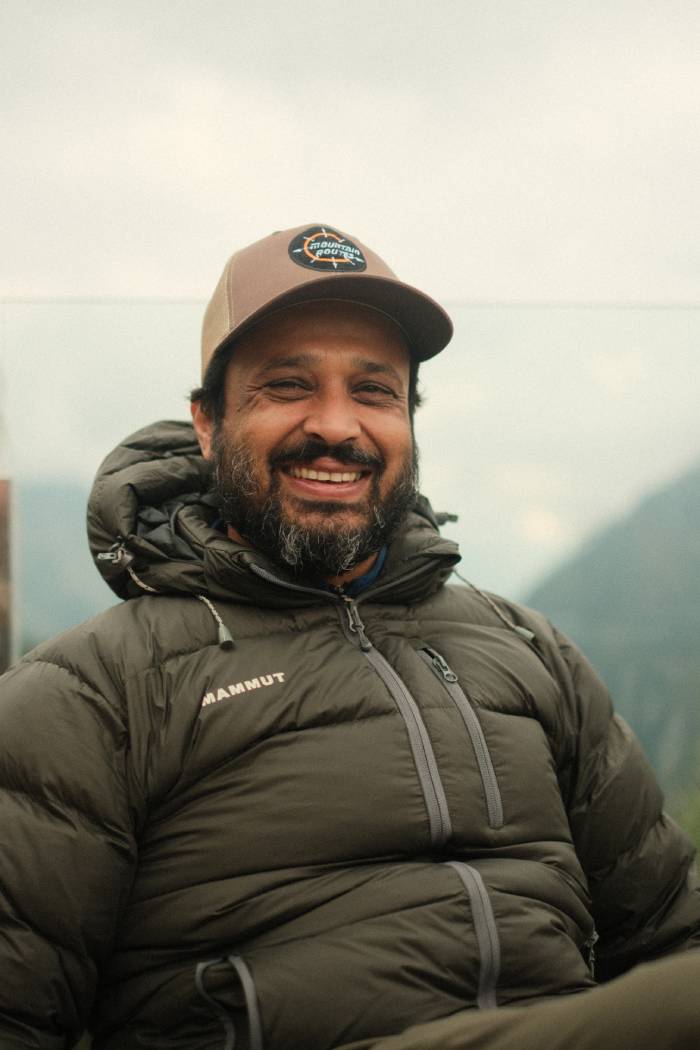
Sikles Village sits at 2,000 meters on a hillock at the edge of the Annapurna Conservation Area.
A pristine Gurung settlement, it preserves centuries-old traditions while showcasing stunning mountain views. Visitors find authentic cultural experiences away from crowded tourist trails. Stone-paved paths, traditional houses, and terraced fields create the classic Himalayan village atmosphere.
Reaching Sikles requires 4-5 hours by off-road vehicle from Pokhara through beautiful countryside. En route, travelers pass through Taprang, Chipli, and Khilang villages showing rural Nepal life. Once arrived, exploration begins along narrow lanes lined with traditional stone houses. Gurung women weave textiles using ancient looms. Water-driven mills grind grain following methods unchanged for generations. An eco-museum displays local history and cultural artifacts.
Mountain panoramas dominate northern horizons. Annapurna II (7,937m), Annapurna IV (7,525m), Machapuchhre (6,993m), Lamjung Himal (6,983m), and Dhaulagiri (8,167m) create spectacular backdrop. View towers throughout the village provide perfect photography spots. Proximity to these giants rivals views from more famous Annapurna Base Camp trek destinations.
Why Visit Sikles Village
Authentic Gurung Culture
Sikles ranks as Nepal's second-largest Gurung settlement maintaining strong cultural identity. Traditional architecture dominates with stone houses featuring slate roofs and carved wooden details. Families practice subsistence agriculture on terraced hillsides. Social customs continue including traditional festivals, music, and dance. Visitors experience genuine village life without heavy tourism commercialization.
Gateway to Multiple Treks
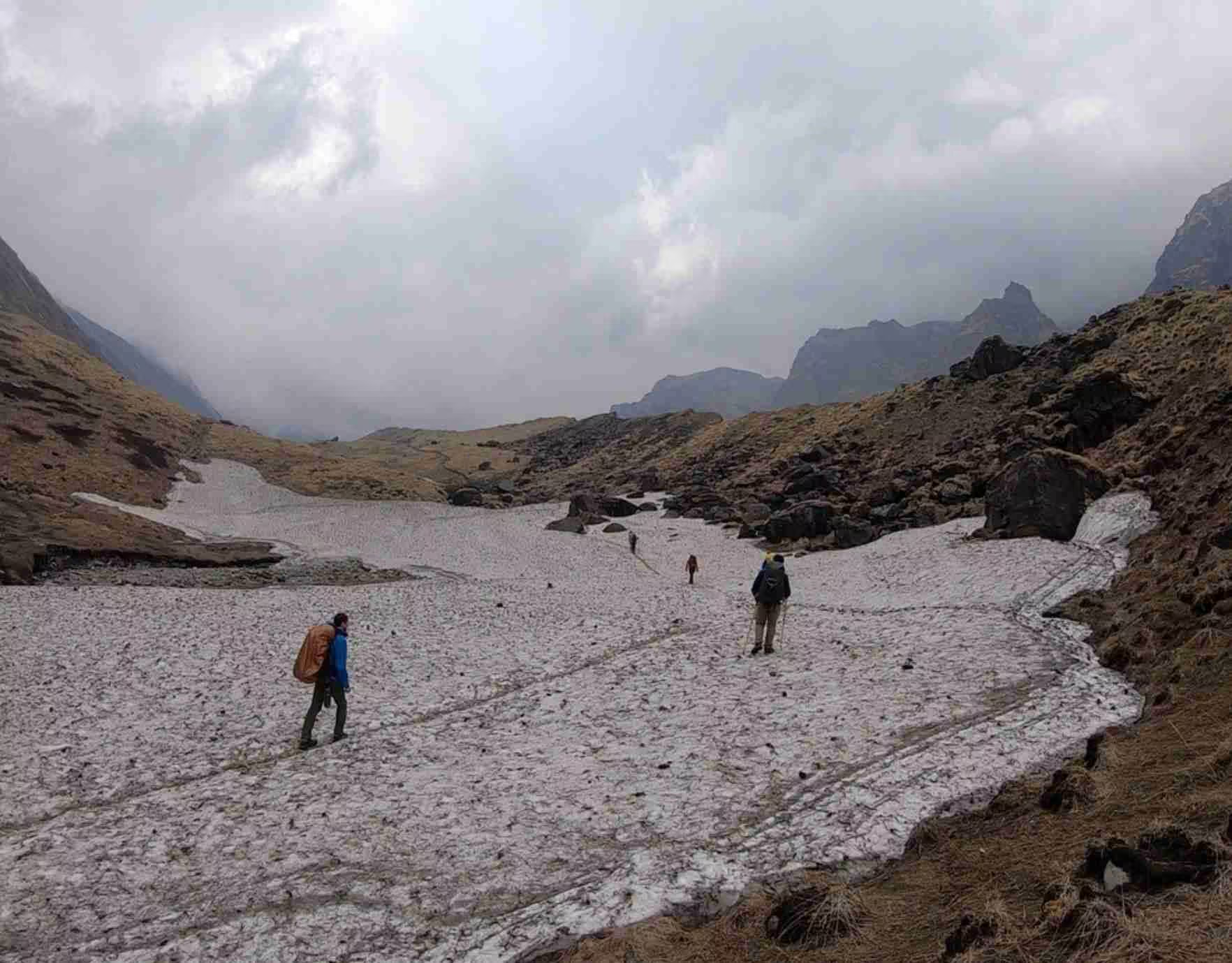
Multiple trekking routes originate from Sikles. One popular option, the Sikles Kapuche Lake trek, reaches one of the world's lowest glacial lakes in 3-4 days. Extensions to Kori Danda, Tangting Village, and Tarpang create varied itineraries. Connections to longer Annapurna region circuits also exist. Different time frames and interests find suitable options.
Winter Snow Experience
During December-February, Sikles becomes the nearest destination from Pokhara for snow activities. Regular snowfall transforms the landscape at this elevation. Families and groups enjoy playing in snow without traveling to higher altitudes. Both tourists and Nepali visitors favor winter trips for accessibility.
Spectacular Mountain Views
Unobstructed Himalayan panoramas define Sikles' location. Morning light illuminates white peaks creating golden glow. Evening alpenglow paints summits pink and orange. Despite being over 20 kilometers away, mountains appear remarkably close. Clear autumn and spring mornings offer peak photography conditions.
Community-Based Tourism
Sikles pioneered community-based tourism in Nepal during the 1990s. Local families operate homestays and guesthouses. Village committees manage tourism development ensuring benefits reach residents. Benefits include culture preservation alongside economic opportunities. Visitor spending directly supports community welfare.
2-Day Sikles Village Itinerary
Day 1: Pokhara to Sikles (2,000m)
- Travel Time: 4-5 hours off-road drive
- Activities: Village exploration, cultural museum, view tower
- Accommodation: Guesthouse or homestay in Sikles
Early morning pickup from Pokhara hotels marks the journey start. Private vehicles follow rough mountain roads through terraced farmland and river valleys. Gradual climbing takes travelers from 850 meters to 2,000 meters. Road conditions vary by season with monsoon creating challenging passages.
Taprang, the first village en route, sits at lower elevation with subtropical vegetation. Further upward, Chipli and Khilang show mid-hill agriculture and traditional houses. Changing landscape reveals Nepal's elevation diversity. Rice terraces give way to millet and corn fields at higher altitudes.
Around midday, arrival in Sikles allows afternoon exploration. After checking into accommodations and leaving belongings, village walks begin. Narrow stone-paved lanes wind between traditional houses. Gurung families welcome curious visitors observing daily activities.
Women weave traditional textiles on wooden looms. Intricate patterns require skill passed through generations. Some families sell finished products including shawls, bags, and decorative items. Watching the weaving process reveals patient craftsmanship behind each piece.
Water-driven mills demonstrate ancient technology still functioning. Streams power wooden wheels turning grinding stones. Families bring grain for processing into flour. Mills operate only during sufficient water flow showing seasonal adaptation.
Local history, traditional clothing, agricultural tools, and household items fill the eco-museum. Descriptions explain cultural practices and historical development. Context for understanding village life comes from this small museum. Entry fees support museum maintenance and cultural preservation.
Panoramic vistas await from view towers around the village. Near Sikles Park, the main tower provides 360-degree perspectives. Annapurna II dominates the view with its massive pyramid. Machapuchhre's distinctive profile appears perfectly formed. Lamjung Himal rises to the east completing the mountain array.
Racing Danda, a nearby hilltop, can be climbed if time permits. Additional elevation from the short hike provides even broader views. Prayer flags mark the peaceful summit. Return to the village allows enjoying sunset colors on peaks.
Traditional Gurung cuisine features in evening meals. Dal bhat remains standard but local variations add unique flavors. Homestay families often share stories about village history and current life. Social interaction enriches cultural understanding beyond simple sightseeing.
Day 2: Sikles to Pokhara (850m)
- Travel Time: 4-5 hours drive
- Activities: Morning village walk, return journey
Early morning allows final village exploration before departure. Sunrise illuminates mountains creating photographer's dream conditions. Golden light gradually spreads down peaks revealing detail and texture. Morning activity shows villagers beginning daily routines.
Breakfast precedes the return journey. Packing and checkout complete the Sikles stay. Retracing yesterday's route, the vehicle descends toward Pokhara. Morning drive provides different lighting on familiar landscapes. Valley views expand as elevation decreases.
By midday, arrival in Pokhara allows afternoon rest or city activities. Condensed 2-day format provides a satisfying village experience without excessive time commitment. Brief immersion leaves lasting impressions of Gurung culture and mountain beauty.
Practical Information
Trek Cost
For groups of 2-4 people, standard 2-day Sikles Village tours cost approximately NPR 8,000-12,000 ($65-95) per person. Included services cover private vehicle transportation, professional guide, accommodation, meals, and necessary permits (ACAP). Solo travelers pay higher rates around NPR 15,000-18,000 ($120-145) due to fixed vehicle and guide costs.
Permits Required
Foreign nationals need Annapurna Conservation Area Permit (ACAP) costing NPR 3,000 ($30), while SAARC citizens pay NPR 100. Nepal Tourism Board offices in Pokhara or Kathmandu process applications. Conservation efforts and community development throughout the Annapurna region benefit from permit fees.
Best Time to Visit
Spring (March-May): Pleasant temperatures with blooming flowers. Clear morning mountain views.
Autumn (September-November): Peak season with stable weather and excellent visibility. Comfortable temperatures ideal for exploration.
Winter (December-February): Cold with snow creating unique experience. Mountain views exceptionally clear.
Monsoon (June-August): Heavy rain makes roads challenging. Limited visibility but green landscapes.
What to Bring
Essential items include comfortable walking shoes for village exploration, warm layers for cool evenings, camera for mountain photography, sunscreen and hat, cash in Nepali rupees (limited ATM access), and modest clothing respecting local culture.
Frequently Asked Questions
How far is Sikles from Pokhara?
Sikles lies approximately 45 kilometers from Pokhara by road. The off-road journey takes 4-5 hours depending on conditions. The route follows mountain roads requiring 4WD vehicles during monsoon season.
Can I extend the Sikles trek?
Yes, multiple extensions exist. The most popular is Kapuche Lake requiring 3-4 additional days. Other options include Kori Danda, Tangting Village, and connections to longer Annapurna circuits. Customize based on available time and interests.
Is accommodation available in Sikles?
Yes, several guesthouses and homestays operate in Sikles. Accommodations provide basic rooms with shared facilities. Traditional homestays offer cultural immersion with Gurung families. Meals feature local cuisine using farm ingredients.
Do I need a guide for Sikles?
Guides are not mandatory but highly recommended. Professional guides provide cultural interpretation, language translation, and logistical support. They enhance understanding of Gurung traditions and village history beyond independent observation.
What is the altitude of Sikles?
Sikles Village sits at approximately 2,000 meters (6,562 feet) elevation. This moderate altitude creates no altitude sickness concerns for most visitors. The elevation provides comfortable temperatures year-round with a dramatic mountain backdrop.

No comments yet. Be the first to share your thoughts!