
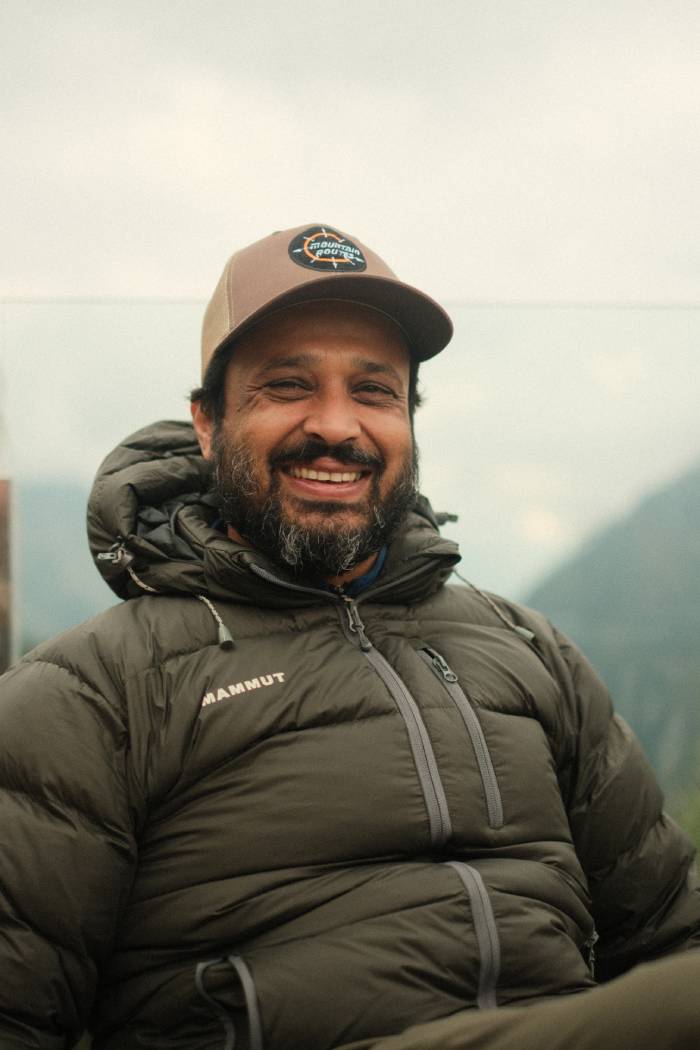
The Sikles Kapuche Lake Trek offers one of Nepal's most sustainable and peaceful trekking experiences.
This 4-day journey from Pokhara reaches Kapuche Lake at 2,540 meters, home to one of the world's lowest glacial lakes. The route passes through traditional Gurung villages, dense rhododendron forests, and provides stunning views of Machapuchhre, Annapurna, and Dhaulagiri ranges.
Unlike crowded routes in the Annapurna region, Sikles sees fewer trekkers. The trail covers approximately 35-40 kilometers over four days with daily walking times ranging from 4-7 hours. Moderate difficulty suits beginners and experienced trekkers with basic fitness. The combination of natural beauty and cultural immersion makes this trek ideal for those seeking authentic Himalayan experiences without extreme altitude challenges.
Sikles village sits at 1,980 meters as Nepal's second-largest Gurung settlement. The community maintains strong cultural traditions while pioneering community-based tourism. Kapuche Lake holds spiritual significance for local people. The name comes from Tibetan words meaning "lower lake," referring to its unusual low elevation for a glacial feature. This guide explains the complete itinerary, costs, permits, and preparation needed.
Complete 4-Day Sikles Kapuche Lake Trek Itinerary
Day 1: Pokhara to Sikles via Taprang (1,980m)
Elevation: 850m to 1,980m
Distance: 45 kilometers by vehicle
Travel Time: 3-4 hours drive
Accommodation: Guesthouse in Sikles village
The journey begins with a scenic drive from Pokhara to Sikles following a rough mountain road. The route passes through Taprang, climbing gradually from valley floor into lower hills. The unpaved road winds through terraced farmland, riverside settlements, and small villages. Road conditions vary by season. Monsoon creates bumpy travel with occasional delays.
Views improve as elevation increases. Machapuchhre's distinctive fish-tail peak appears to the north. The Annapurna massif dominates the horizon. Rice terraces cascade down hillsides showing centuries of agricultural engineering. Traditional stone houses replace modern buildings as you enter more remote areas.
Sikles village appears after 3-4 hours driving. This large Gurung settlement spreads across a hillside at 1,980 meters. Stone houses with slate roofs cluster around narrow lanes. Prayer flags flutter from rooftops. Community buildings include schools, health posts, and cultural centers. The village pioneered community-based tourism in Nepal during the 1990s.
Afternoon hours allow village exploration. Walking through lanes reveals daily life in a traditional mountain community. Women work in fields or collect water from communal taps. Children play in courtyards before evening studies. Men return from forest work or tend animals. The slow pace feels refreshing after Pokhara's bustle.
Guesthouses in Sikles maintain good standards with clean rooms and shared facilities. Families prepare traditional meals featuring locally grown rice, lentils, and vegetables. Evening conversations with hosts reveal village history and Gurung cultural traditions. The hospitality feels genuine rather than commercialized.
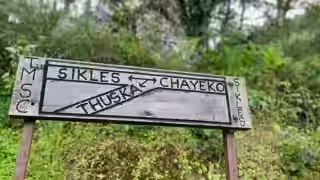
Day 2: Sikles to Hugu Goth (2,016m)
Elevation: 1,980m to 2,016m
Distance: 8-10 kilometers
Walking Time: 4-5 hours
Accommodation: Tea house in Hugu Goth
The trek from Sikles to Hugu Goth gains minimal elevation over moderate distance. The gentle climb suits trekkers adjusting to mountain walking after the drive from Pokhara. The trail passes through varied terrain including farmland, forest, and ridge walks.
The first section follows stone-paved paths through Sikles' agricultural terraces. Farmers cultivate rice, millet, corn, and vegetables on carefully maintained fields. The irrigation systems channel water from mountain streams through complex networks. Traditional farming methods continue despite modern influences.
After 1-2 hours, the trail enters rhododendron forest. These trees bloom spectacularly during March and April with red, pink, and white flowers. The forest provides shade and cool temperatures. Bird songs fill the quiet trail. The Himalayan Monal and other colorful species appear in clearings.
The path alternates between forest sections and open ridges. Views expand periodically toward surrounding peaks. Machapuchhre appears especially prominent from certain angles. The changing scenery keeps the walk interesting without excessive climbing.
Hugu Goth appears after 4-5 hours walking. This small settlement consists of only one tea house serving trekkers plus a few herder shelters. The location sits at 2,016 meters on a hillside clearing. Mountain views open dramatically from this position. Annapurna South dominates the northern horizon.
The single tea house provides basic but adequate accommodation. Simple rooms have twin beds with shared facilities. The dining area features a wood stove where trekkers gather for warmth. Meals include standard trekking fare like dal bhat, noodles, and soup. The isolated setting creates peaceful atmosphere perfect for mountain rest.
Day 3: Hugu Goth to Kapuche Lake (2,540m) and Return to Sikles (1,980m)
Elevation: 2,016m to 2,540m to 1,980m
Distance: 16-18 kilometers round trip
Walking Time: 6-7 hours total
Accommodation: Guesthouse in Sikles village
Day three represents the trek's highlight with the journey to Kapuche Lake. The long day involves climbing to the lake followed by substantial descent back to Sikles. The challenging itinerary requires early start and steady pacing.
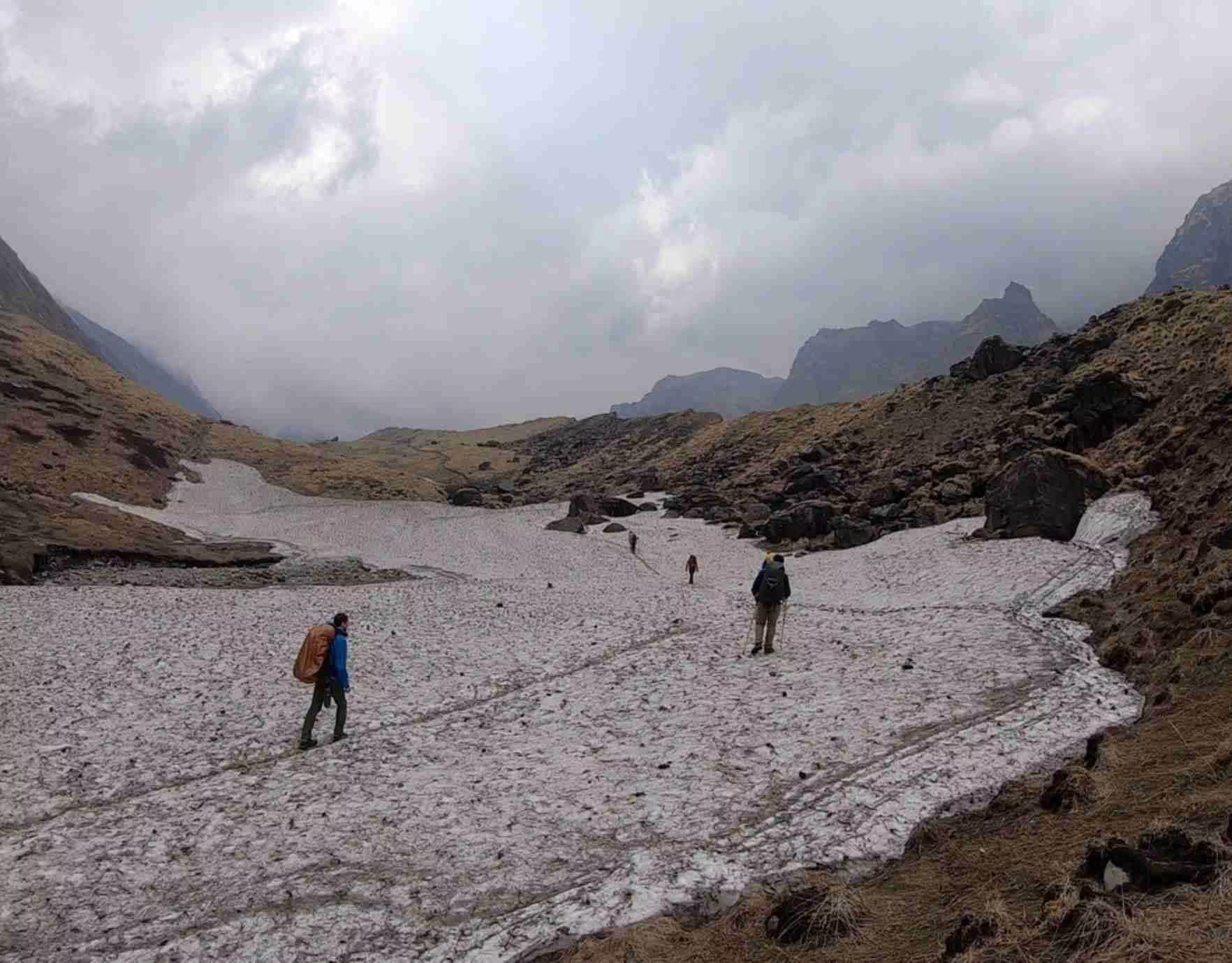
The trail from Hugu Goth climbs steadily toward the lake basin. The first 1-2 hours gain elevation through forest and rocky slopes. The gradient increases as the path switchbacks upward. Altitude becomes noticeable above 2,300 meters. Breathing requires more effort despite moderate elevation.
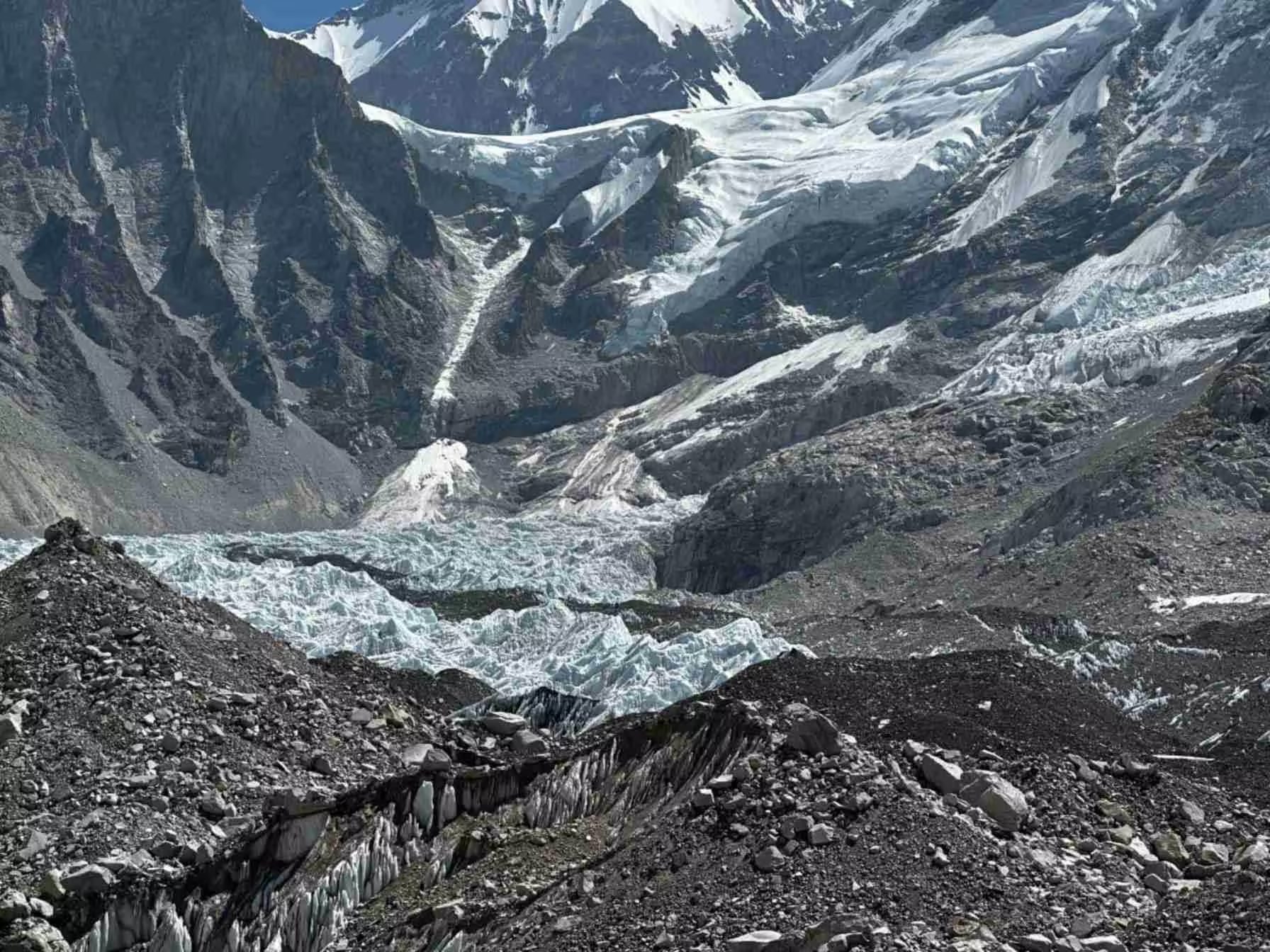
As you approach the lake, the landscape opens to reveal the glacial basin. Towering peaks surround the water creating dramatic amphitheater. The glacier feeding Kapuche Lake hangs above, sending ice chunks into the turquoise water. The setting feels pristine and otherworldly.
Kapuche Lake sits at 2,540 meters, making it one of the world's lowest glacial lakes. Most glacial lakes exist above 3,500-4,000 meters. This unusual low elevation results from specific geological conditions. The lake measures approximately 1 kilometer in length with varying depth.
The turquoise color comes from glacial flour suspended in the water. Sunlight refracts through these fine rock particles creating the distinctive hue. Ice often floats on the surface depending on season and recent weather. The surrounding peaks include Annapurna II, Annapurna IV, and Lamjung Himal.
Local Gurung people consider Kapuche Lake sacred. Traditional beliefs hold that spirits inhabit the area. Religious ceremonies occasionally occur at the lake shore. Understanding this spiritual significance adds cultural depth beyond scenic appreciation.
Time at the lake stays limited to 1-2 hours. The exposed location creates cold conditions even during warm seasons. Taking photographs, having snacks, and absorbing the spectacular scenery fill the break time. Some visitors perform simple rituals respecting local customs.
The return journey descends from the lake back to Hugu Goth. This section takes 1.5-2 hours covering the morning's climbing route. From Hugu Goth, the trail continues descending all the way to Sikles. The long downhill from 2,016m to 1,980m, combined with earlier climbing, creates substantial fatigue.
Reaching Sikles by late afternoon brings relief after the demanding day. The familiar village guesthouse feels welcoming. Hot showers (if available) and comfortable beds provide recovery. Evening meals taste especially good after the day's exertion.
Day 4: Sikles to Pokhara (850m)
Elevation: 1,980m to 850m
Distance: 45 kilometers by vehicle
Travel Time: 3-4 hours drive
Accommodation: Hotel in Pokhara
The final day involves the return drive to Pokhara. Morning departure allows reaching the city by midday. The vehicle retraces the approach road through Taprang and lower hills. Views from the window reveal landscapes traversed on foot now from different perspective.
The descent from mountains to valley floor shows dramatic elevation change. Temperature rises noticeably as altitude decreases. Vegetation shifts from temperate to subtropical zones. The physical relief from increased oxygen levels is remarkable after days at moderate altitude.
Arrival in Pokhara brings full return to urban environment. Lakeside hotels offer comfortable beds, hot showers, and internet connectivity. The contrast to village simplicity emphasizes the remoteness of the trekking experience. However, many trekkers also feel nostalgia for peaceful mountain days.
The afternoon allows rest and trip processing. Some visitors explore Phewa Lake or shop for souvenirs. Others simply relax enjoying city comforts after rustic accommodation. The condensed 4-day format provides quick but satisfying adventure.
Trek Extension Options
The Sikles Kapuche Lake Trek can combine with other routes for longer adventures. From Hugu Goth, experienced trekkers can continue to Kori Village adding 2-3 days. This extension reaches 3,800 meters requiring better acclimatization. The route provides more remote trekking through areas seeing very few visitors.
Alternatively, combining Sikles with Ghorepani Poon Hill creates a 7-8 day circuit. After Kapuche Lake, trekkers head toward Ghorepani for sunrise viewpoints. This combination provides diverse experiences in one journey.
Trek Cost Breakdown
Total costs range from $295-445 per person depending on group size. Larger groups reduce per-person expenses through shared transportation and guide fees.
Solo Trekker: $445 includes private vehicle, guide, accommodation, meals, and permits. Fixed costs spread across one person create higher rates.
Two Trekkers: $395 per person. Shared vehicle and guide reduce individual costs moderately.
Groups of 3-6: $350 per person. Better cost distribution makes this range most economical.
Groups of 7-10: $295 per person. Maximum group size provides lowest per-person pricing.
Included Services:
- Private vehicle transport Pokhara to Sikles and return
- Licensed trekking guide for 4 days
- Three nights accommodation in guesthouses/tea houses
- All meals during trek (breakfast, lunch, dinner)
- Required permits (TIMS and ACAP)
- Guide insurance, food, and accommodation
Not Included:
- Personal expenses (snacks, drinks beyond meals)
- Tips for guide and lodge staff
- Hot showers at some locations
- Phone charging fees
- Travel insurance
- Emergency evacuation costs
Best Time to Trek Sikles Kapuche Lake
Spring (March to May): Excellent conditions with rhododendron blooms and mild temperatures. March shows flowers beginning at lower elevations. April brings peak blooming between 1,800-2,500 meters creating spectacular displays. May experiences warmer temperatures with pre-monsoon clouds developing afternoons. Daytime temperatures range 15-25°C in valleys and 5-15°C at higher elevations. Trail conditions stay dry throughout spring.
Autumn (September to November): Most popular season due to stable weather and crystal-clear visibility. September marks post-monsoon transition with occasional rain early month. October provides peak conditions with dry trails, sharp mountain views, and comfortable temperatures. November brings colder weather but continued clarity. Daytime temperatures range 10-20°C in valleys and 0-10°C at lake elevation. Harvest season creates vibrant village atmosphere.
Monsoon (June to August): Challenging conditions with heavy rain, leeches, and limited visibility. Lower elevations become very wet and slippery. Trails through forests face leech problems below 2,500 meters. However, landscapes turn brilliantly green with wildflowers. Very few tourists create authentic village experiences for adventurous trekkers accepting difficult conditions.
Winter (December to February): Cold temperatures affect higher elevations with potential snow above 2,000 meters. Daytime temperatures range 5-15°C in valleys and -5 to 5°C near the lake. Night temperatures drop to -10°C at higher camps. Some guesthouses close during deep winter. The season suits only experienced trekkers with proper cold weather gear.
Permits Required
TIMS Card (Trekkers' Information Management System): NPR 1,000 ($10) creates safety database for trekker tracking. The system helps coordinate rescue operations and maintains statistical records. Obtain from Nepal Tourism Board or TAAN office in Pokhara or Kathmandu.
ACAP (Annapurna Conservation Area Permit): NPR 3,000 ($30) for foreign nationals, NPR 1,000 for SAARC citizens. Supports conservation programs throughout Annapurna region. Obtain from Nepal Tourism Board office in Pokhara or Kathmandu.
Total permit cost ranges NPR 4,000-5,000 ($40-50) per person. Processing takes 30 minutes with passport and photos required. Carry permits at all times during trek. Checkpoints verify documents at trail entries and villages.
Difficulty Level and Fitness Requirements
The Sikles Kapuche Lake Trek rates as moderate difficulty suitable for beginners with basic fitness. Day three presents the main challenge with 6-7 hours trekking and substantial elevation change. However, the overall trek remains accessible to most people with reasonable health.
Physical preparation: Two months of regular walking or light hiking builds adequate fitness. Include some hill walking with daypack to simulate trekking conditions. Basic cardiovascular health suffices for this relatively short trek.
Age considerations: Suitable for ages 12-65 with appropriate fitness. Younger children struggle with day three's length. Older trekkers manage fine if regularly active. Consult doctors before trekking with pre-existing conditions.
Technical difficulty: No climbing or scrambling required. Standard hiking ability suffices. Well-maintained trails reduce hazards. Some steep sections demand careful footing. Trekking poles help on descents.
Essential Packing List
Clothing: Moisture-wicking base layers, lightweight fleece, waterproof jacket, trekking pants, warm layers for morning/evening, gloves, warm hat, sun hat, 4-5 pairs trekking socks, raincoat.
Footwear: Comfortable trekking boots (broken-in), lightweight camp shoes or sandals.
Gear: Small daypack (20-30 liters), water bottle (2 liters capacity), trekking poles, headlamp, sunglasses with UV protection, SPF 50+ sunscreen and lip balm.
Personal Items: First aid kit with basic medications, toiletries, quick-dry towel, hand sanitizer, passport, permits, insurance documents, cash in Nepali rupees, camera, power bank, snacks.
Safety Considerations
Altitude concerns: Maximum elevation of 2,540 meters creates minimal altitude sickness risk for most trekkers. However, proper hydration (3-4 liters daily) and steady pace prevent issues. Monitor symptoms including headache, nausea, dizziness.
Trail safety: Well-maintained paths with minimal exposure. No dangerous river crossings or landslide zones. Standard mountain awareness prevents most issues. Guides provide additional safety through local knowledge.
Weather hazards: Sudden weather changes possible at any season. Afternoon thunderstorms develop during spring and autumn. Lightning danger increases above treeline. Carry proper rain gear always.
Emergency evacuation: Helicopter rescue costs $2,000-3,000 from Sikles region. Comprehensive travel insurance covering evacuation up to 3,000m is recommended. Weather delays evacuations during storms.
Food and Accommodation
Sikles Village: Multiple guesthouses offer clean rooms with shared facilities. Family-run establishments provide authentic hospitality. Hot water available through solar heating or wood systems. Meals feature traditional Nepali cuisine from local ingredients.
Hugu Goth: Single tea house provides basic accommodation. Simple rooms with shared facilities. Limited menu focusing on standard trekking meals. The isolated location creates peaceful atmosphere.
Meals: Dal bhat (rice and lentils) forms the staple meal providing necessary calories. Noodle soups, momos (dumplings), and chapati available at most stops. Vegetarian food is standard. Limited meat options exist. Simple but nutritious meals sustain energy for trekking.
Transportation Options
Private Jeep: Most common choice taking 3-4 hours from Pokhara. Comfortable and convenient. Cost included in trek packages.
Shared Jeep: Budget option taking similar time. Less comfortable with multiple passengers. Costs around $10-15 per person.
Local Bus: Cheapest option taking 4-5 hours. Limited schedule and basic comfort. Costs approximately $5-8 per person.
Motorcycle: Adventurous option for experienced riders. Takes 4-5 hours on rough roads. Not recommended for trek packages.
Why Trek Sikles Kapuche Lake
Sustainable Tourism: Community-based model ensures tourism benefits local families. Village committees manage accommodation and distribute revenue fairly. Your trek directly supports Gurung community development.
Less Crowded: Sees fraction of tourists compared to popular Annapurna routes. Peaceful trails and authentic village atmosphere. Maximum 20-30 trekkers daily even during peak seasons.
Cultural Immersion: Strong Gurung cultural traditions maintained in Sikles. Traditional architecture, farming methods, and social customs visible daily. Genuine hospitality without over-commercialization.
Accessible Adventure: Four-day format suits limited vacation time. Moderate difficulty welcomes beginners. Close proximity to Pokhara minimizes travel time. Good introduction to Himalayan trekking.
Unique Feature: Kapuche Lake's status as one of the world's lowest glacial lakes creates special interest. The unusual geological feature combined with spiritual significance makes memorable experience.
Frequently Asked Questions
How difficult is Sikles Kapuche Lake Trek?
Moderate difficulty suitable for beginners with basic fitness. Day three presents the main challenge with 6-7 hours trekking. Overall trek remains accessible with proper preparation and pacing.
Can I trek without a guide?
Yes, independent trekking is possible with proper permits. However, guides enhance experience through cultural interpretation and safety monitoring. The remote nature of Kapuche Lake makes guide support valuable.
What is the distance from Sikles to Kapuche Lake?
Approximately 8-10 kilometers one way. Round trip from Hugu Goth to lake and return to Sikles covers 16-18 kilometers total on day three.
Is altitude sickness a concern?
Minimal concern due to moderate maximum elevation of 2,540 meters. Most trekkers experience no altitude issues. Proper hydration and steady pace prevent problems.
What food is available?
Traditional Nepali meals including dal bhat, noodles, momos, and chapati. Simple but nutritious food from local ingredients. Limited menu variety compared to commercial routes.
When is the best month to trek?
October ranks as best month with stable weather, clear views, and comfortable temperatures. April provides excellent spring alternative with blooming rhododendrons.

No comments yet. Be the first to share your thoughts!