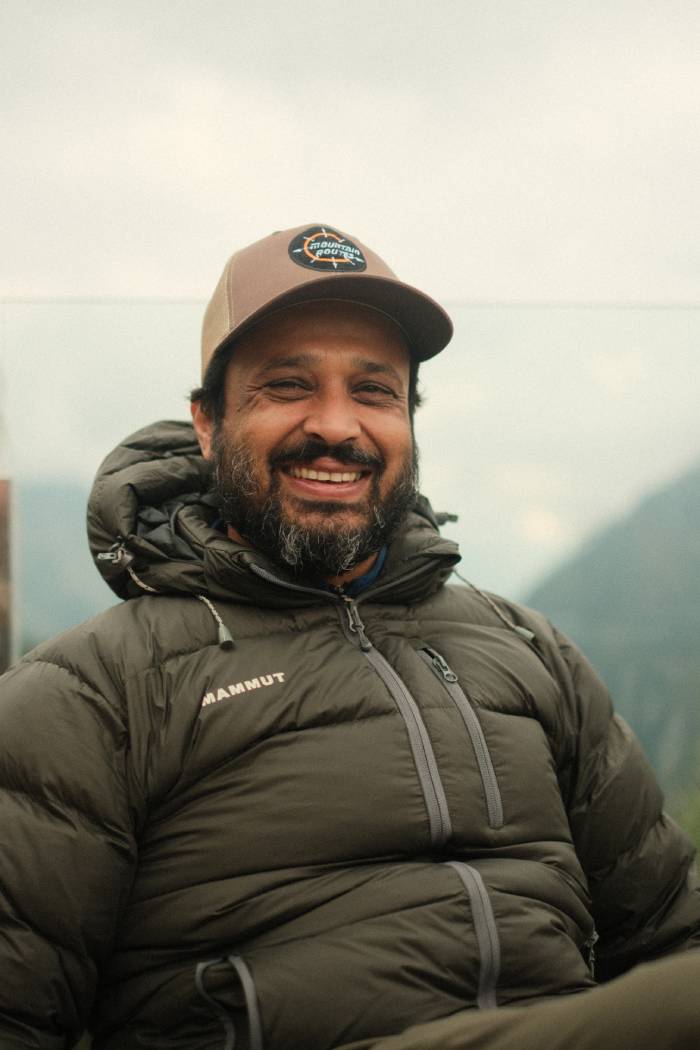
Imagine raw mountain trail, warm tea house fires and a silence that is genuinely hard to find anywhere else in the Himalayas? Yes! That is what the Manaslu trekking experience feels like.
Indeed, it is one of Nepal's best kept secrets.
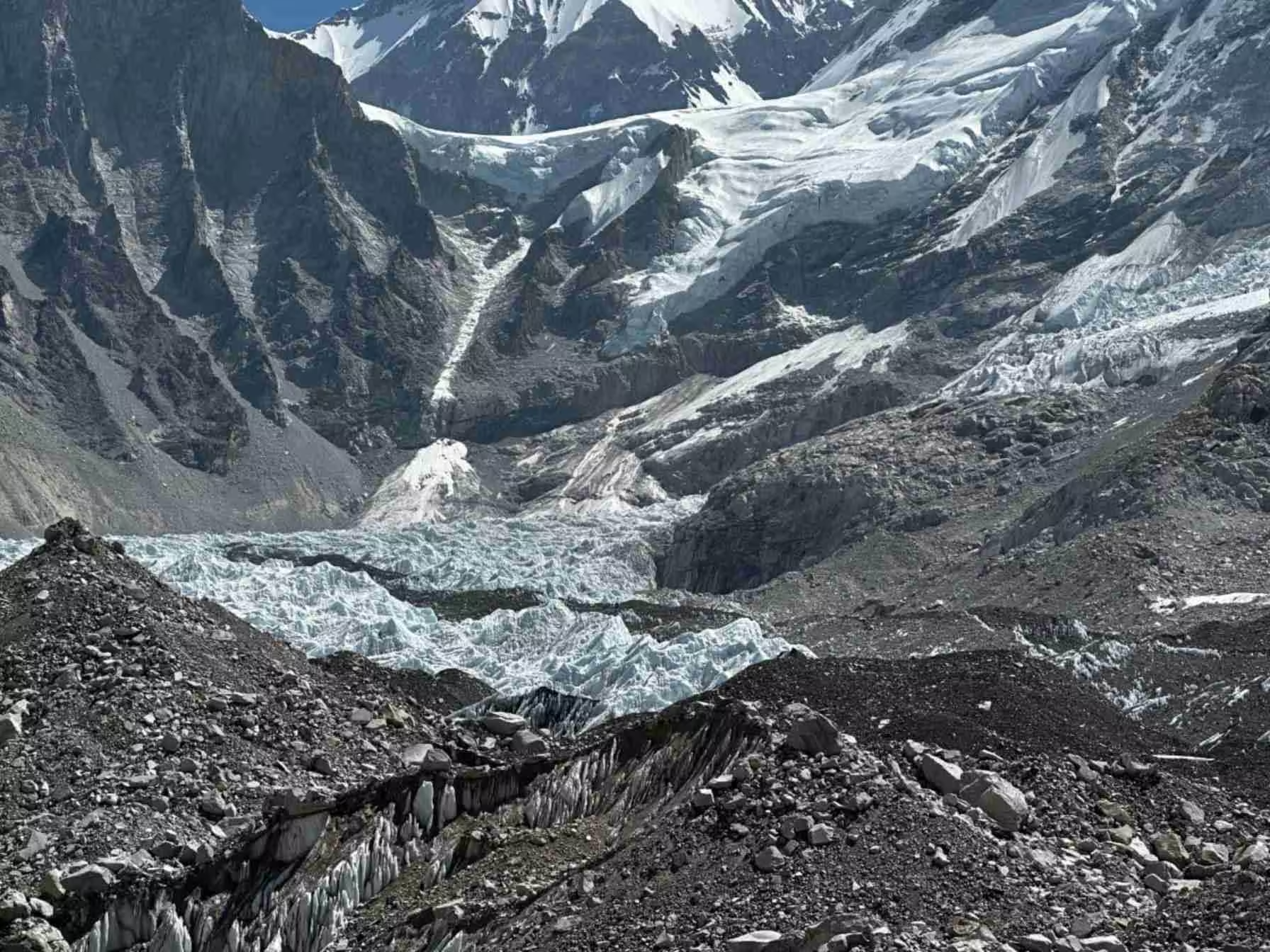
A 13-day loop around the world's eighth-highest mountain, takes you through Tibetan Buddhist villages, serene glacier valleys and across a dramatic 5,160-meter pass.
Getting ready for a raw and deeply authentic Manaslu circuit trek Nepal? This guide covers packing tips, village culture, tea house life, altitude sickness prevention, safety insights and how Manaslu compares with Annapurna.
Manaslu Trek Packing List - What to wear and What to keep?
Since your main luggage is carried by a porter and your daypack stays with you, you need to be strategic about what you'll need access during the 6–9 hours on this remote Nepal trek. Here’s how you can do it.
Your Daypack (Keep it under 4–5 kg)
Your daypack should have everything you might need at any moment during the day:
- Water bottles (2-3L of capacity)
- Raincoat or rain poncho and waterproof shell jacket
- Sunglasses, sunscreen with SPF 30+ and a sun hat/cap.
- Fleece or mid-layer (it can get chilly the moment you stop moving)
- Head torch, power bank, cables
- Wallet and permits
- Quick Access Kit- Sanitizer, lip balm and a basic first aid kit
- Trekking poles (usually strapped to the bag or in hand) for support during downhill
- Pulse Oximeter
- Snacks (energy bars, chocolate, nuts etc.)
Your Main Trekking Bag (Porter Carries this, Max 12.5 kg)
This bag goes ahead of you to the next tea house.
- Heavy down or synthetic jacket (usually only needed at lodge)
- Extra thermal base layer sets for sleeping and high-altitude days
- Spare hiking pants, quick-dry t-shirts, socks and underpants.
- Flipflops
- Toiletries such as large towel, toothbrush, toothpaste and extra wet wipes.
- Both your inner liner gloves and waterproof outer gloves
- Woolen hat to keep your head warm at night
- Sleeping bag and inner liner
Trekking Gear Guide: What to Wear on the Manaslu Trail
Good gear does not make you a better trekker. Bad gear can end your trek early. Here is what actually matters on the Manaslu trail.
- Boots: Get waterproof, ankle-support trekking boots and make sure to break them in before you arrive. New boots on day one means blisters by day three.
- Layering: Due to temperature variations wear three layers always. A moisture-wicking base, a fleece mid-layer and a waterproof outer shell jacket. No cotton anywhere.
- Trekking Poles: Highly recommended especially for the descent from Larkya La Pass. It’s long and steep. Your knees will thank you!
- Sleeping Bag: Bring a bag rated to at least -10°C (14°F). Lodge blankets exist but are thin. Above Samagaun, nights get genuinely cold and you will want your own bag.
- Headtorch: Not optional. The Larkya La crossing starts at 2 to 3am in complete darkness. Bring spare batteries too.
- Socks: At least 4 to 5 wool-blend pairs. This sounds like a small thing until day six.
Missing anything? Kathmandu's Thamel district has everything you need before you hit the trail. Stock up before you leave the city.
What do you do during the Manaslu Trek - Village and Cultural Experience
This is something where Manaslu trekking experience separates from other treks. This journey is a deep dive into both nature and ancient traditions. The region is a "living museum" of Tibeto-Burman culture.
Walking into Manaslu villages like Lho, Namrung, Samagaun and Samdo feels like stepping into another century!
Flat-roofed stone houses. Red-robed monks going about their day.
Yaks wandering near prayer wheels and ancient mani walls.
The Nubri and Tsum people here follow Tibetan Buddhist traditions that have remained intact for hundreds of years.
- Pung Gyen Gompa at 4,070m: One of the oldest monasteries in the region, set against a dramatic mountain backdrop
- Birendra Lake (3,691m): A strikingly blue glacial lake reflecting the peaks above it. Short side trip, absolutely worth it
- Manaslu Base Camp (4,800m): An optional hike from Samagaun during your acclimatization day. Views of Manaslu this close are unforgettable.
- One cultural rule to remember: Always walk to the left-hand side of prayer walls and stupas. This is a sign of respect and locals will notice.
Experiencing a “Tea House Manaslu Trek” – Food & Lifestyle
What are Tea Houses? Tea houses on the Manaslu trek are family-run lodges that are very simple but warm. Rooms are basic, usually twin beds with thin walls. Evenings are spent in communal dining halls heated by wood stoves, usually sharing the table with your guide and fellow trekkers passing through.
What to eat:
- Dal Bhat: The classic Nepali meal of rice, lentil soup and vegetables. Free refills are standard and it is the best fuel for long days
- Thenduk: A hearty Tibetan noodle soup, perfect after a cold day on the trail
- Gurung Bread: Thick, pan-fried flatbread that hits different at altitude
- Yak cheese: Rich and slightly salty, grab it when you see it
- Tibetan butter tea: Salty, filling and an acquired taste. Try it at least once
You will fall asleep to the sound of mule bells and wake up to woodsmoke. It is a simple life, and after a few days, it starts to feel exactly right!
Larkya La Pass: The Moment the Trek Earns Its Reputation
The moment you have been waiting for? Yes, it’s Larkya La Pass at 5,160 meters.
It is the highest point, the hardest day and the most rewarding moment giving you the best of your Manaslu trekking experience so far.
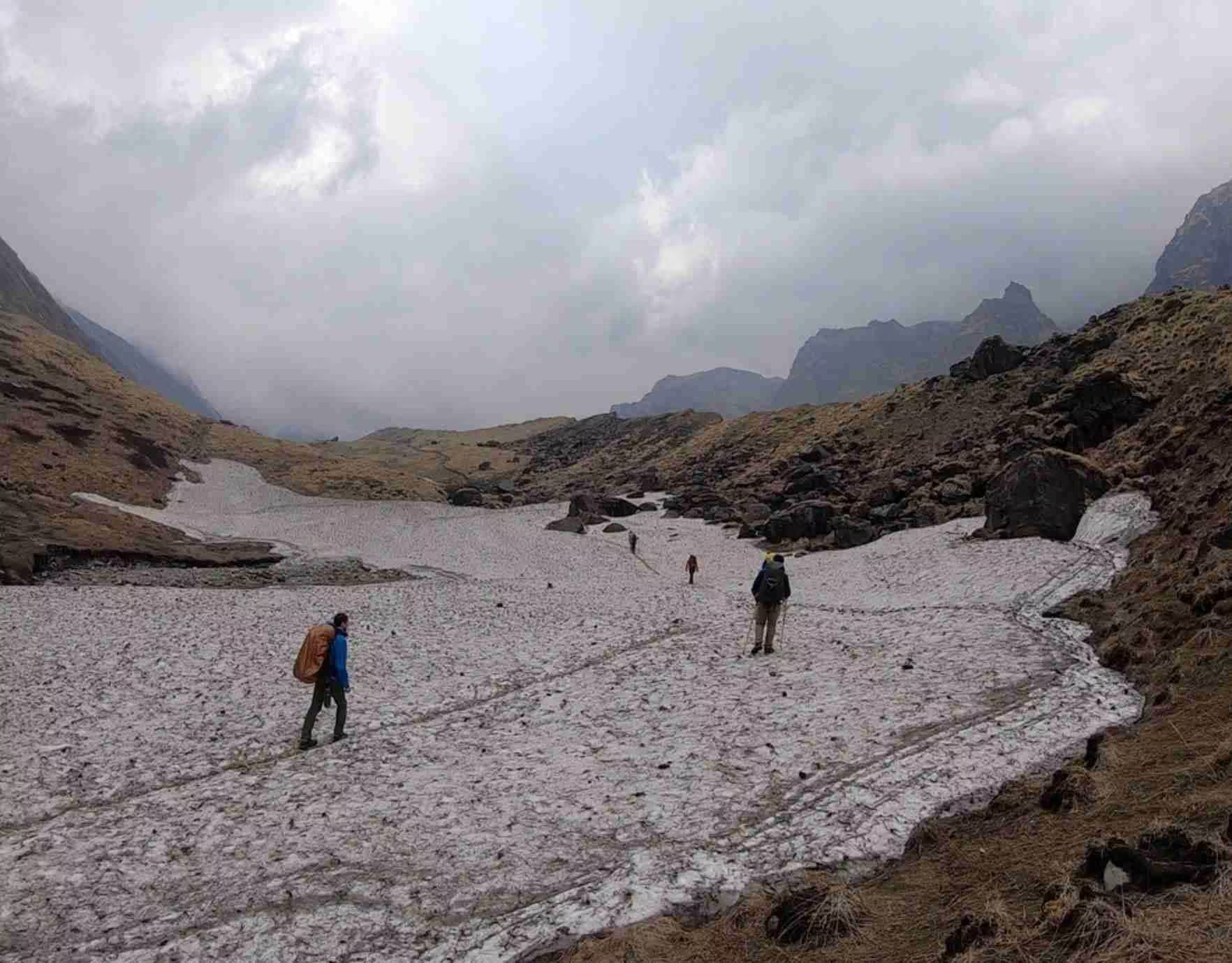
For this, you’ll leave Dharmasala well before sunrise (usually around 2 to 3am). It’s to beat the afternoon winds. The climb is steep and the air is thin. Your breath comes harder, your legs may feel heavier and then, there you reach the top!
Standing at the pass with views of the Larkya Glacier, Himlung Himal, Cheo Himal and Annapurna II in clear air is one of those moments that is very difficult to describe and impossible to forget.
The descent into Bimtang on the other side rewards you with pine forests, rhododendrons and the feeling that you have genuinely earned something.
Altitude Sickness Manaslu: Prevention & Management Tips
The Manaslu Circuit reaches 5,160 meters. Altitude sickness in Manaslu can affect anyone, regardless of fitness due to rapid ascent and reduced oxygen above 2,500m.
Warning signs/symptoms to watch for AMS (Altitude Mountain Sickness):
- Persistent headache
- Dizziness or unusual fatigue
- Nausea or loss of appetite
- Trouble sleeping
How to Prevent It:
- Walk slowly. Your pace should let you hold a full conversation
- Drink 3 to 4 liters of water every day. Stay Hydrated (It’s a must)
- Use the rest day in Samagaun. It is built into the itinerary for a reason
- Eat well. Carbs and hot soups are your best friends at altitude
- Avoid alcohol and smoking. Both make it harder for your body to absorb oxygen
- Listen to your guide. If they suggest Diamox or a rest day, take it seriously
Solo vs Guided Trekking
Solo trekking is not allowed in the Manaslu region. According to new 2026 rules, you’ll need a licensed guide to be with you throughout the trek. So, even if you want to travel alone, you just need one guide with you.
Your guide knows the terrain, monitors your health, reads the weather, handles logistics and connects you with locals in ways you never could on your own.
The mandatory guide rule is the reason this trail has stayed pristine. It is one of the best things about it.
Read More- Guide to Solo Trek To Manaslu Circuit
Manaslu vs Annapurna: Why Serious Trekkers Are Choosing Manaslu?
Coming to Manaslu vs Annapurna, Annapurna is more accessible. This means you are sharing the trail with countless other trekkers each season walking past shops and modernized villages. Manaslu on the other hand, offers a deep solitude and a chance to live intimately alongside locals in a way most tourists never see.
Here is how the two treks honestly compare:
Feature | Manaslu Circuit | Annapurna Circuit |
|---|---|---|
Crowds | Quiet and peaceful | Busy and social |
Culture | Pure and untouched | More modernized |
The Trail | Remote footpaths | Road interference |
Access | Stress-free jeep drive | Easy but dusty roads |
Experience | Wild, Raw and authentic | More comfortable, Semi-urbanized |
Guide | Mandatory | Optional |
Best for | Experienced trekkers wanting raw Himalayas | First-timers wanting comfort and flexibility |
If you are looking for a great and unforgettable trekking experience, Manaslu Circuit Trek is your ideal pick.
Real Trekking Experience Insights – No One Tells You!
- Expect to be completely offline for 4 to 5 days around the high pass. Tell people at home before you go
- Weather and trail conditions can change plans. Keep 1 to 2 buffer days before your return flight
- Leave your non-trekking luggage and suitcases at your hotel in Kathmandu
- Theft is rare. The cultural influence of Buddhism means communities along the trail are genuinely safe and welcoming
- Most lodges use solar power. If it’s cloudy, charging stops. Bring a 20,000mAh power bank and sleep with it inside your sleeping bag to prevent the cold from draining the battery.
- There are no ATMs on the trail. Carry about $15–$20 (in Rupees) cash per day for extras like hot showers ($3–$5), Wi-Fi, and charging fees.
Is Manaslu trekking experience Worth it?
If you love nature, real solitude and a trek that pushes you just enough to feel something? Manaslu trekking experience gives you that ultimate satisfaction.
Yes, the days are long. Yes, the pass is hard. But every step through those ancient villages, every sunrise over the glacier, every bowl of dal bhat by a wood stove, adds up to something that stays with you long after you are home.
Ready to walk it? Visit mountainroutes.com to plan your Manaslu trek for a worthwhile trekking experience.
Frequently Asked Questions
How difficult is the Manaslu Circuit Trek?
Manaslu Circuit Trek Nepal is rated as moderate to strenuous. Expect long days of 6 to 11 hours on steep, rocky trails that climb to 5,160 meters. The Larkya La Pass crossing starts before sunrise and is the hardest single day. It is not technical climbing, but it demands real endurance and mental grit.
Can a beginner do the Manaslu Trek?
Not ideally. Manaslu is not a first-timer's trek. You need prior hiking experience, good fitness and a genuine comfort with remote, high-altitude conditions. If you have done multi-day treks before and trained well for two months, you can do it. If this is your first trek ever, start somewhere easier and come back for Manaslu.
Is Manaslu harder than Annapurna?
Yes. The reason is that Manaslu trail is more remote and the facilities are more basic. Additionally, the Larkya La Pass demands more of you than Thorong La on the Annapurna Circuit. But that difficulty is also what makes the experience so rewarding.
When is the right time for best Manaslu trekking experience?
Spring (March to May) and autumn (September to November) are the best seasons for a Manaslu trek. For a smoother experience, aim for the early or end of these seasons. This will ensure easier tea house bookings, less crowd and competition for guides.