
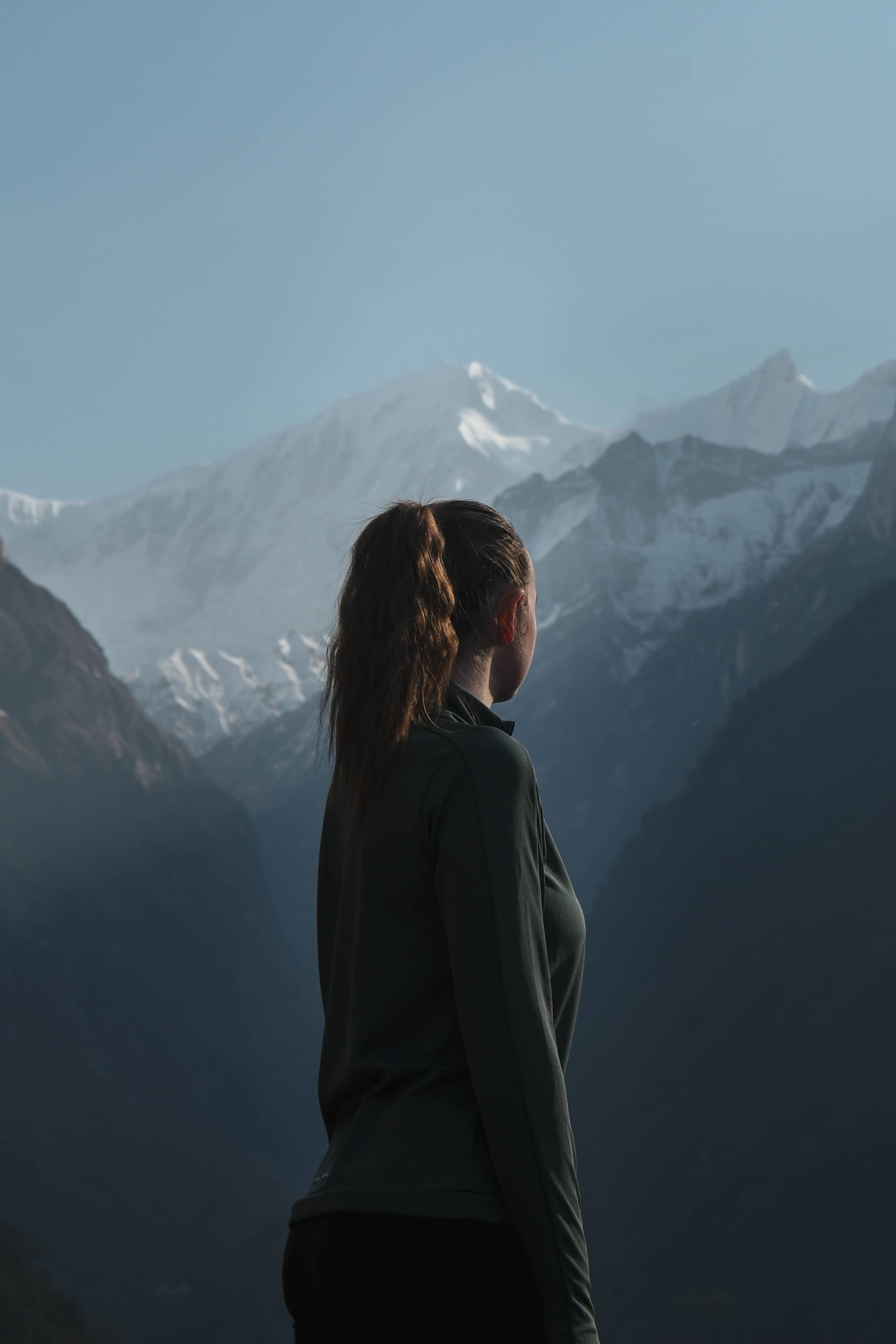
Hiking in the Himalayas, is it not on every person's bucket list to do at least once in their life?
I know for sure, it has been on mine since I was just a child - so when visiting Nepal in March of 2025, and spending six weeks travelling around the country, I knew I had to make it to the Himalayas at least once.
If you’re considering this trek and wondering what it’s really like, this guide covers everything you need to know before you go.
After plenty of research, it was the Annapurna Base Camp trek that truly captured my attention. Known for its breathtaking scenery, diverse landscapes, and relatively accessible difficulty compared to other high-altitude treks, it felt like the perfect introduction to Himalayan hiking. From lush green forests and cascading waterfalls to glacier-filled valleys and towering mountain amphitheatres, this trek promises a little bit of everything.
If you’re considering this trek and wondering what it’s really like, from the planning and preparation to the realities of life on the trail, this guide covers everything you need to know before you go.
Pre trip planning and preparation
Preparation makes all the difference between struggling and truly enjoying the trek. Not only the physical side and effects the hike will have on you, but also being prepared for emergencies.
Fitness
You don’t need to be an athlete, but a good level of general fitness helps. Prepping by doing things such as long walks or hikes, stair climbing, and cardio endurance will ensure an easier time on your hike to ABC!
Permits
You’ll need:
- ACAP permit (Annapurna Conservation Area Permit)
- TIMS card (Trekker’s Information Management System)
These can be organised in Kathmandu or Pokhara through trekking agencies, no need to stress in advance! Whilst it can seem overwhelming, these permits are easy to acquire in the country before your hike.
What to pack
Maybe the most important part of your planning…
One key thing to remember: What you pack=what you carry (unless paying for a porter).
Layers, layers, layers. One moment it may be sunny and warm, the next snow is falling. It's crucial you have layers with you to ensure you are comfortable in every condition.
These are my top recommendations for packing clothing:
- Hiking boots (make sure they are broken in!)
- A fully waterproof coat
- Hiking pants
- Thermals
- Gloves
- Warm hat & sun hat
- Trekking poles
- As for the extras to pack:
- Snacks! (although available on the hike, it's much cheaper to bring these with you)
- Plasters and blister strips
- Headache tablets
- Water purifying tablets (available in cities such as Kathmandu and Pokhara)
- Sun cream
Top tip: Kathmandu is a hiker's dream! It has endless hiking stores, selling great gear at cheap prices. There is no need to go shopping in your home country before the trip, as you are guaranteed to find anything you may need in the city before your trip.
Where you will be staying
Most trekkers start their Annapurna Base Camp journey in Pokhara, a relaxed lakeside city about 8 hours from Kathmandu. Pokhara has everything you’ll need: trekking shops, money exchange, restaurants, gear rental, and endless accommodation options.
You’ll find:
- Budget hostels from £5–£10 per night
- Comfortable guesthouses from £15–£30
- Luxury lakeside hotels if you want to splurge
Many trekkers choose to stay near Lakeside, as it’s close to tour agencies, restaurants, and night buses back to Kathmandu.
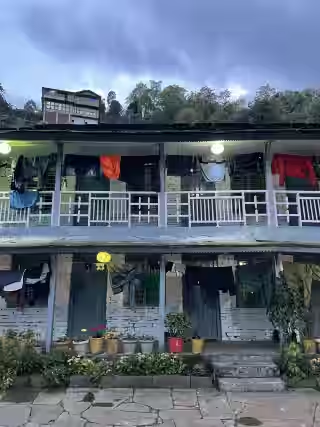
Along the trek itself, you’ll stay in teahouses, simple lodges offering a bed, meals, and sometimes hot showers and WiFi. Booking ahead for teahouses is dependent on what time of year you visit.
I did the hike in April, and we didn't book any accommodation in advance. For some nights this was fine, however there were a few days where places were booked up, and we would have to continue walking to the next village to sleep.
If you’re trekking in peak season, my advice would be to either start walking early each day to secure rooms, or trek with a guide who can call ahead and reserve teahouses for you.
Either way, teahouse living is a huge part of the Annapurna Base Camp experience! Cosy evenings around the fire, hot plates of food after cold trekking days, and swapping stories with fellow hikers from around the world.
The Weather & When to go
Choosing the right season for the Annapurna Base Camp trek is crucial to your hike. Here is a quick breakdown of the months, and what they mean for your hike:
Spring (March–May) Clear skies, blooming rhododendrons, warmer temperatures
Autumn (September–November) The most popular season with crystal clear views and stable weather
Winter (December–February) is colder and may involve heavy snow at higher altitudes, but it’s quieter.
Monsoon (June–August) brings heavy rain, leeches, landslides, and cloudy mountain views. Best avoided.
Daytime temperatures range from warm at lower altitudes to very cold near base camp, especially at night. Packing proper layers and being prepared for everything is essential.
How Long Does the Trek Take?
The classic Annapurna Base Camp trek takes 5–10 days, depending on:
- Your starting point
- Your pace
- Acclimatisation days
- Whether you include side trails like Poon Hill
I personally hiked the trail in four days, due to limited time. In the future I would spend longer, not only due to long and tiring days of hiking, but also to allow for a rest day, and make slower progress.
With only four days, I personally found the trek a struggle, allowing only two days to ascend and two days to descend. On our descent, we had planned to hike from ABC to Bamboo, however the teahouses were full so we had to continue on until we reached Upper Sinuwa.
The ideal minimum time would be three days ascent to allow for acclimatisation. Adding a rest day if time allows is something I would highly recommend! Not only to rest, but also take a moment to stop and truly experience where you are!
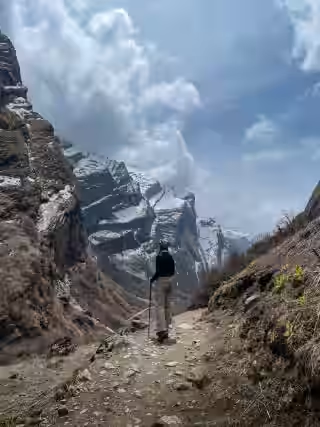
What to Expect: Path & Terrain
One of the best things about the ABC trek is the variety of terrain.
You’ll experience:
- Stone staircases (a lot of them!)
- Forest trails
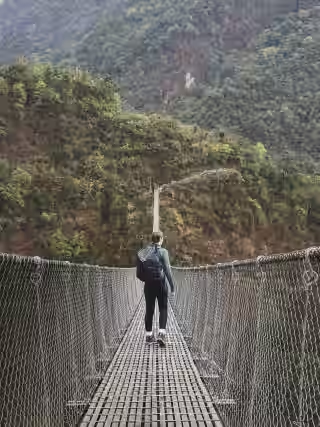
- Suspended bridges over roaring rivers
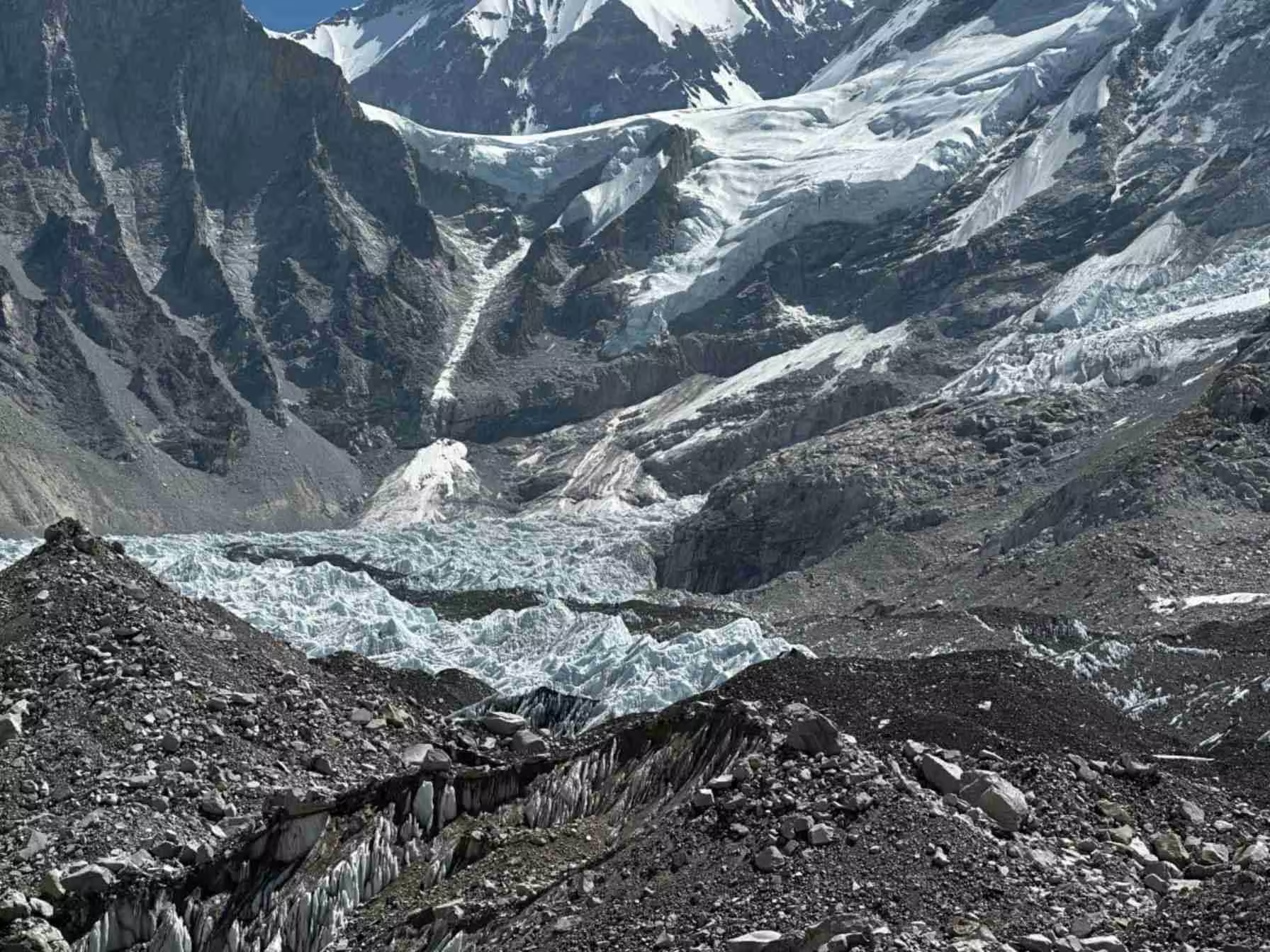
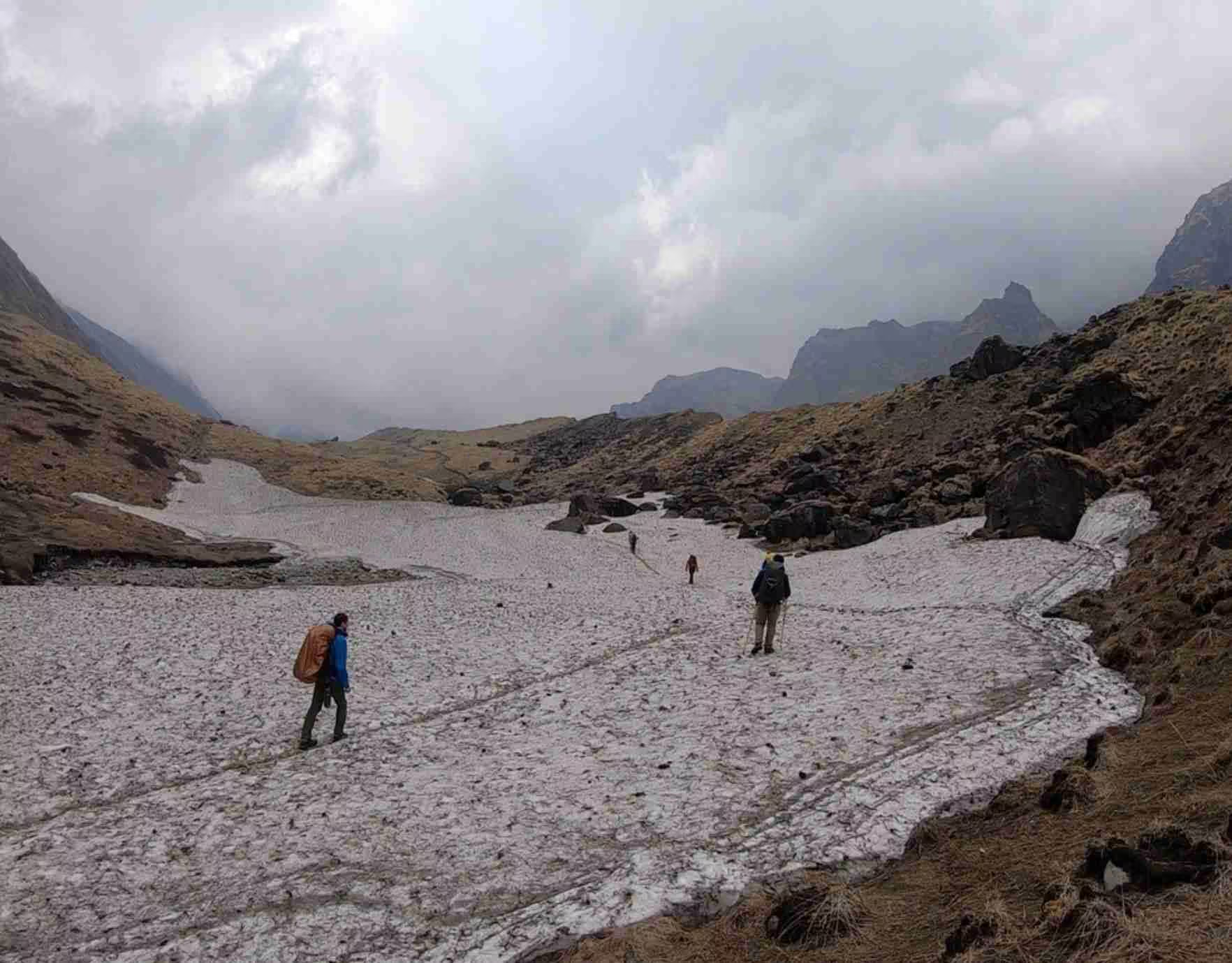
- Snow covered sections near base camp
Some days are gentle, others feel endless, especially the steep stair sections between villages. But the constant change in scenery, and views makes every step worth it.
Expect:
- 5–7 hours of walking per day
- Frequent tea breaks
- Slower progress as altitude increases
Acclimatisation
Altitude sickness is a real concern on this trek. Annapurna Base Camp sits at 4,130 metres, high enough to cause symptoms if you ascend too quickly, especially for people who aren't used to being at altitude.
To stay safe:
- Walk slowly
- Drink plenty of water
- Take acclimatisation days
- Never ignore headaches, dizziness, or nausea
Good itineraries naturally include rest days, often around Chhomrong or Deurali. Going with a guide adds an extra safety layer, as they’re trained to spot altitude-related issues early.
Meal costs and what to expect
One thing about the ABC trek is you are going to eat WELL!
3 meals per day, as many stops as you need. Warm drinks, great food, good company and even better views. Meals are available at every teahouse and become more expensive the higher you climb, since everything is carried up manually.
Typical prices:
- Dal Bhat: £4–£7
- Fried noodles: £4–£6
- Pancakes: £3–£5
- Tea/coffee: £1–£3
Dal Bhat is the most popular trekking meal, unlimited refills, packed with carbs and protein. You’ll quickly understand why trekkers swear by it. It is the meal eaten by every guide, and porter - i recommend you try it at least once!
Don’t Drink the Tap Water
This is one of the most important rules on the trek.
Tap water is not safe to drink. Your options are:
- Buy bottled water (expensive and bad for the environment)
- Use purification tablets or a filtration bottle (best option)
You can refill water at teahouses for a small fee and purify it yourself, saving money and reducing plastic waste. These tablets are easily found in Kathmandu and Pokhara for a cheap price.

Porters: Are They Worth It?
Hiring a porter costs roughly £15–£20 per day. It’s absolutely worth it if:
- Your pack is heavy
- You want to save energy
- You want to support the local economy
- You aren't a confident hiker
Most porters are incredibly strong, friendly, and experienced. Knowing your bag is in safe hands allows you to enjoy the trek far more.
Please remember to tip well! When on the hike, you will understand how demanding their job is, so a big thank you and generous tip is always welcomed.
Extras: Hot Showers, WiFi & Charging
These things are available at most teahouses for an additional cost. At lower altitude tea houses we found showers available for free, with cold water, and a communal area to charge your devices for free. At higher altitude, these things have a cost.
- Hot showers: £2–£5
- WiFi: £2–£4
- Charging devices: £1–£3 per hour
Don’t expect strong WiFi at higher altitudes. Bring a power bank and enjoy being mostly offline! It's part of the magic.
Are There Toilets?
Yes, but expectations are key!
Toilets are available at all teahouses, and during each day you will pass by many villages, so it's rare you will need to use nature's toilet…
- Often, they are squat toilets
- Toilet paper is rarely provided
- Conditions range from basic to very basic
Always carry:
- Toilet paper
- Hand sanitiser
- Wet wipes
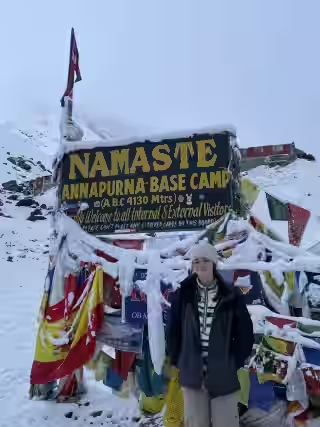
Is it worth it?
Well, if you read this far then you must really be considering this hike! My honest thoughts? Do it! It is by far one of the best experiences I have had on my travels, and I can't recommend it more.
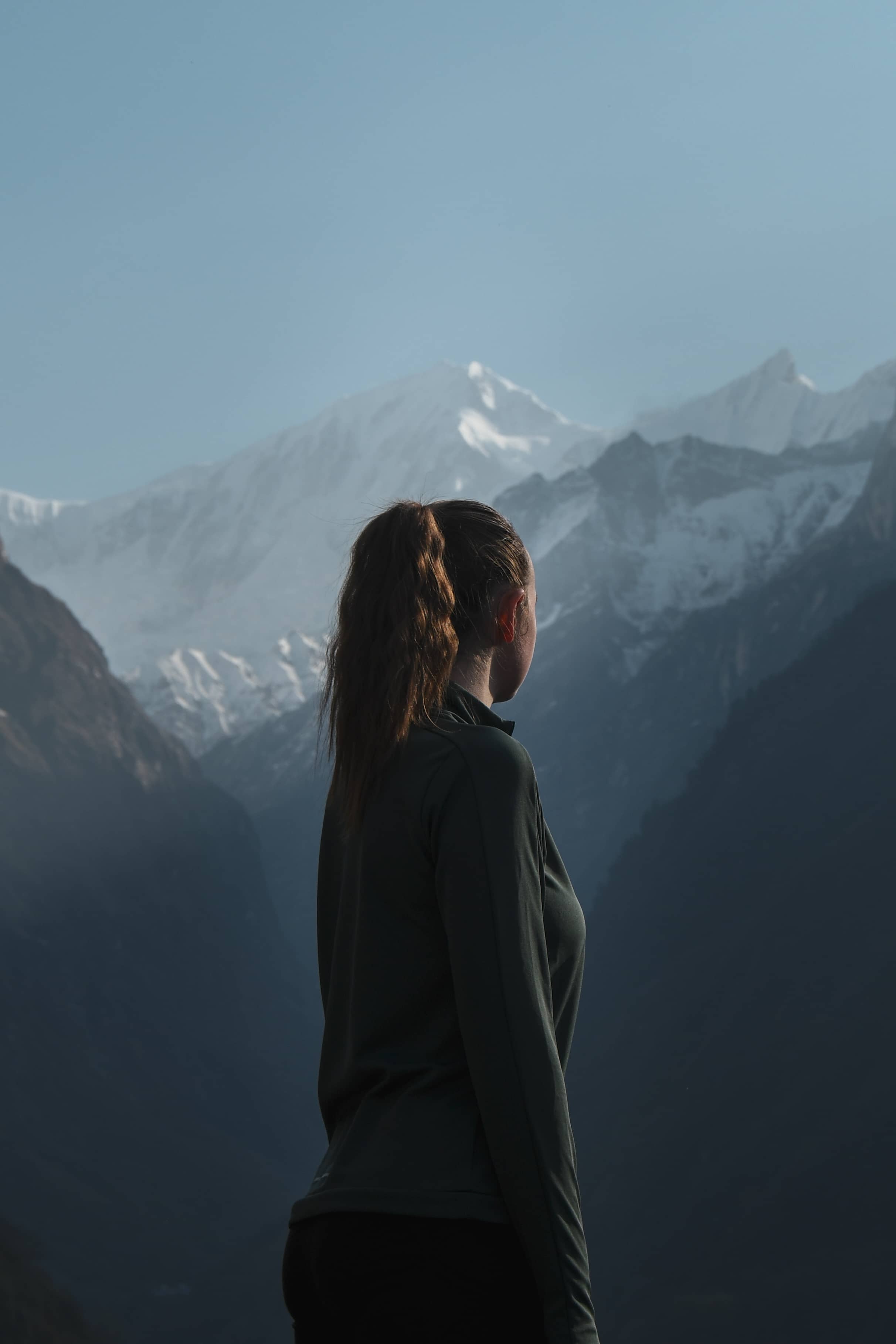
From the early morning starts and long uphill climbs, to the quiet moments watching clouds move across snow-covered peaks, every single day feels earned and unforgettable.
It’s not just about reaching base camp, it’s the journey through remote villages, the kindness of the locals, the shared laughs with fellow trekkers, and the deep sense of achievement with every step higher. Standing at Annapurna Base Camp, surrounded by towering Himalayan giants, you realise just how small you are, and at the same time, how powerful it feels to have made it there under your own steam.
So is it worth the tired legs, the cold nights, the steep staircases and early mornings? Absolutely. It’s the kind of adventure that stays with you long after you’ve returned home, and one you’ll find yourself talking about for years to come.

No comments yet. Be the first to share your thoughts!