
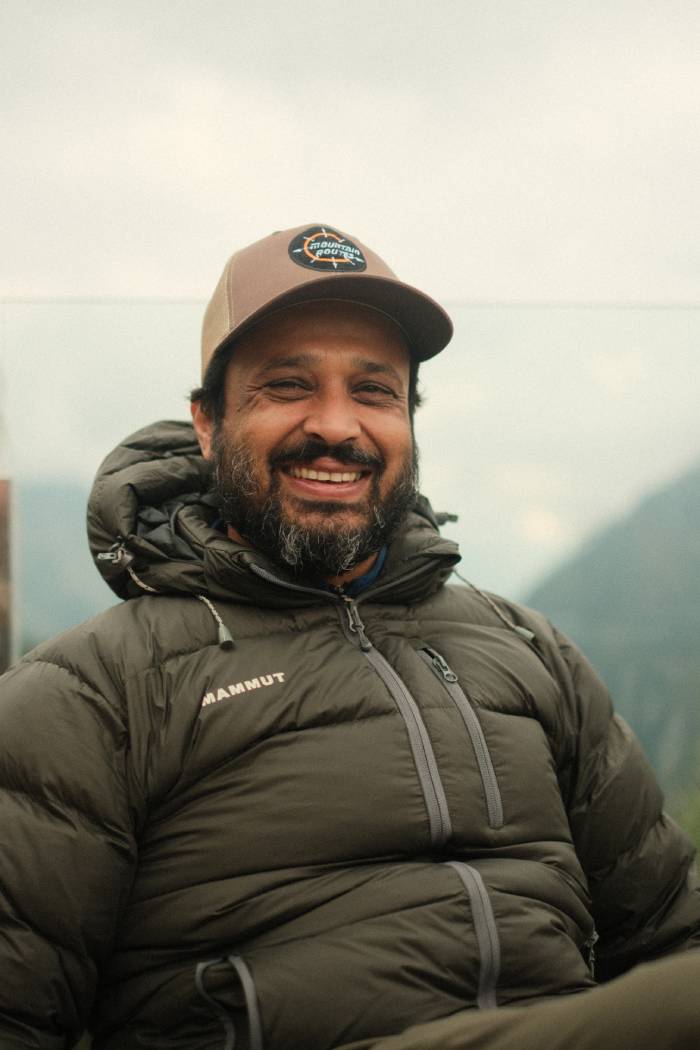
Panchase Hill rises to 2,517 meters on the ridge separating Pokhara Valley from the Annapurna foothills.
Starting at 900 meters in lowland villages, the trek climbs through diverse elevation zones showcasing Nepal's biological variety. Paddy farms transition to subtropical forests before reaching temperate zones near the summit. Dense vegetation under conservation protection harbors rich biodiversity including rare medicinal plants and wildlife corridors.
Sacred significance defines Panchase beyond natural beauty. Known as Panchadham since ancient times, this pilgrimage site holds deep importance for Hindus. Five rivers originate here—Harpan, Rati, Jare, Aandhi, and Seti—creating vital watershed areas. Five peaks converge at the summit forming natural sanctuary. Spiritual practitioners meditate at this junction connecting physical and metaphysical realms.
Mountain panoramas from Panchase rival more famous viewpoints. Annapurna massif dominates northern horizons. Dhaulagiri rises to the northwest as world's seventh-highest peak. Machapuchhre's distinctive pyramid appears remarkably close. Manaslu shows to the east. Clear mornings reveal multiple 8,000-meter peaks simultaneously creating overwhelming Himalayan spectacle.
Understanding Panchase's Sacred Significance
Etymology and Spiritual Meaning
"Panchase" derives from Sanskrit "Pancha" (five) and "Asana" (sitting position for meditation). Ancient sages chose this location for spiritual practice recognizing the area's powerful energy. Yogic philosophy assigns profound significance to the number five representing fundamental concepts including five elements (earth, water, fire, air, space), five sensory organs (sight, hearing, smell, taste, touch), five organs of action (hands, feet, mouth, reproductive, excretory), five layers of soul (physical, energy, mental, wisdom, bliss), and five detoxification treatments (Panchakarma).
Mystical connections between "five" and Panchase geography appear throughout the landscape. Five rivers originate from these slopes flowing in different directions. Five peaks converge creating the protected area. Five major ethnic communities historically inhabited surrounding regions. Five ancient meditation caves dot the hillsides. These convergences reinforce spiritual practitioners' belief in the location's sacred power.
Hindu Pilgrimage Site
Pilgrims visit Panchase throughout the year performing rituals and seeking spiritual merit. Small temples occupy the summit area dedicated to various deities. Prayer flags flutter constantly surrounding shrine structures. Annual festivals during spring months bring hundreds of devotees climbing overnight to catch sunrise blessings. Religious ceremonies combine Hindu traditions with local shamanic practices reflecting cultural synthesis.
Sacred springs provide holy water for rituals. Pilgrims collect water carrying it back to home villages for blessings. Stone platforms mark meditation spots where sages supposedly achieved enlightenment. Modern spiritual seekers continue using these locations for retreats and contemplation. Monasteries near Panchase Bhanjyang accommodate visitors pursuing extended meditation practices.
Biological Corridor and Conservation
Panchase Protected Forest serves as crucial biological corridor connecting Annapurna Conservation Area's high Himalayan forests with tropical Terai lowlands. Wildlife migrates through these forests maintaining genetic diversity and ecological health. Conservation status prevents habitat destruction ensuring corridor functionality for generations.
Protected designation safeguards diverse ecosystems within compact area. Lower elevations host subtropical species. Mid-elevations transition to temperate forests with oaks, rhododendrons, and conifers. Upper reaches show alpine characteristics. This elevation compression creates extraordinary biodiversity within relatively small geographic footprint.
Flora includes over 300 plant species. Medicinal herbs valued in traditional medicine grow abundantly. Rhododendrons bloom spectacularly during spring. Rare orchids occupy specific niches. Wildlife populations include leopards (rarely seen), deer, wild boar, jackals, and numerous bird species. Butterfly diversity attracts entomologists. Forest health benefits from protection against logging and agricultural expansion.
Complete 3-Day Panchase Trek Itinerary
Day 1: Pokhara to Ghattichina (1,200m) to Panchase Bhanjyang (2,065m)
Travel Time: 2.5 hours drive
Hiking Time: 5-6 hours
Accommodation: Lodge at Panchase Bhanjyang
Morning pickup from Pokhara hotels begins the journey. Private vehicles or local buses travel from Hallan Chowk toward Ghattichina village. Driving takes approximately 2.5 hours following roads climbing into foothills. Routes pass through Armala and Bhadaure villages showing rural lifestyle and agricultural terraces.
Ghattichina sits at 1,200 meters where hiking officially begins. After organizing packs and meeting guides, uphill climbing starts immediately. Initial trails pass through paddy fields and farmland where families cultivate traditional crops. Villages appear periodically with traditional Gurung and Brahmin houses built from stone and wood.
Entering forest areas, the character changes to shaded paths under canopy. Steady gradient requires pacing to prevent exhaustion. Forest sounds include bird calls, insect buzzing, and wind through leaves. Occasional clearings provide rest spots and expanding valley views. Pokhara becomes visible below showing urban development patterns.
Mid-way points offer tea shops in small settlements. Gurung families operate simple establishments providing refreshments and snacks. These breaks allow physical recovery while interacting with local communities. Understanding traditional mountain lifestyles enriches trekking beyond simple nature appreciation.
Approaching Panchase Bhanjyang, the trail steepens noticeably. Final push tests stamina after hours of gradual climbing. Forest transitions to different species composition adapted to higher elevation and exposure. Rhododendron trees become more prominent.
Panchase Bhanjyang appears after 5-6 hours hiking. This ridge settlement at 2,065 meters features several lodges providing basic accommodation. Mixed Gurung and Brahmin communities inhabit permanent houses alongside tourism facilities. Mountain views begin opening toward the north. Evening light creates beautiful conditions for initial Himalayan glimpses.
Lodges offer simple rooms with shared facilities. Dining areas feature wood stoves for warmth as evening temperatures drop. Meals include standard trekking fare like dal bhat, noodles, and simple rice dishes. Fellow trekkers gather creating social atmosphere. Early sleep prepares for pre-dawn wake-up next morning.
Day 2: Panchase Bhanjyang to Panchase Peak (2,517m) and Return
Hiking Time: 2 hours ascent, 5 hours total day
Elevation: 2,065m to 2,517m to 2,065m
Accommodation: Lodge at Panchase Bhanjyang
Pre-dawn wake-up around 4:30-5:00 AM allows summit arrival for sunrise. Headlamps illuminate trails as groups begin climbing in darkness. Two-hour ascent gains 452 meters over approximately 3 kilometers. Steady gradient continues from previous day's pattern.
Climbing in darkness creates mysterious atmosphere. Forest sounds differ from daytime patterns. Nocturnal creatures conclude activities while diurnal species begin stirring. Stars shine brilliantly overhead in mountain sky. Fellow hikers' headlamps create line of lights marking trail upward.
Trail follows ridge in places and cuts through forest in others. Some sections show exposed rock requiring careful footing. Prayer flags begin appearing tied to trees marking sacred sites. Approaching summit, forest thins allowing sky visibility. Eastern horizon gradually brightens announcing approaching sunrise.
Summit area features multiple small temples and shrine structures. Prayer flags in various colors flutter constantly. Stone platforms provide seating for meditation or sunrise observation. Arriving before dawn allows claiming good viewing positions. Groups spread out finding spots away from crowds.
First light appears around 5:30-6:00 AM depending on season. Sky transforms from black to deep blue to orange. Suddenly, golden light strikes highest peaks. Dhaulagiri glows first followed by Annapurna massif. Machapuchhre catches light revealing its distinctive shape. Manaslu appears to the east. Multiple 8,000-meter peaks illuminate simultaneously creating overwhelming spectacle.
Sunrise experience lasts 30-45 minutes as light spreads across all visible peaks. Photography captures constantly changing conditions. Wide shots show full panoramas. Telephoto isolates individual mountains. Many consider this moment the trek's primary reward justifying all climbing effort.
After sunrise and breakfast, exploration time allows visiting different shrines and viewpoints. Walking around summit area reveals varied perspectives. Valley views show Pokhara city and Phewa Lake. Ridge perspectives display forest coverage. Understanding geography from elevated position adds educational value.
Descent begins mid-morning returning to Panchase Bhanjyang. Downhill covers same route requiring 1.5-2 hours. Seeing terrain in daylight reveals details invisible during dark ascent. Forest shows diverse tree species and undergrowth. Bird activity peaks during morning hours.
Reaching Bhanjyang by late morning allows lunch and rest. Afternoon options include village exploration, relaxation at lodges, or short walks to nearby viewpoints. Some trekkers visit local monasteries or interact with community members. Understanding village economy and cultural practices enriches experience.
Second night at Panchase Bhanjyang provides familiar accommodation. Having completed summit climb, trekkers enjoy relaxed evening without morning pressure. Sunset creates beautiful light on mountains. Clear nights reveal brilliant stars. Early sleep prepares for next day's long descent to roadhead.
Day 3: Panchase Bhanjyang to Bhadaure/Kade and Drive to Pokhara
Hiking Time: 4-5 hours descent
Driving Time: 2-3 hours
Activities: Downhill trek, village visits, return to Pokhara
Morning departure from Bhanjyang begins final trekking day. Descent toward Bhadaure or Kade village covers 4-5 hours over approximately 10 kilometers. Sustained downhill tests knees and ankles. Trekking poles significantly help absorbing impact.
Route options exist for descent creating variety from ascent path. Some trails pass through different villages and forest areas. Guides select routes based on conditions and group preferences. Mountain views continue throughout descent weather permitting.
Lower elevations warm noticeably compared to ridge elevation. Removing layers prevents overheating. Forest composition changes to subtropical species. Agricultural terraces reappear near villages. Traditional houses show daily life continuing around occasional trekking traffic.
Bhadaure or Kade village marks trek endpoint where vehicles wait. Final hours in mountain environment create nostalgia as journey concludes. Arrival at roadhead brings relief from sustained walking. Village tea shops provide final refreshments before departure.
Vehicles transport tired trekkers back to Pokhara. Driving takes 2-3 hours depending on destination within city. Return routes show landscapes traversed earlier from different perspectives. Conversation processes trek experiences and compares observations.
Arriving in Pokhara by mid-afternoon allows hotel check-in, hot showers, and city comforts after two nights in basic lodges. Many trekkers feel immediate nostalgia for peaceful mountain environment despite urban conveniences. Evening allows celebration meals or early rest before onward travel.
Practical Trekking Information
Trek Difficulty
Moderate difficulty characterizes Panchase trek. Daily hiking ranges 4-6 hours over varied terrain. Total elevation gain approaches 1,600 meters from lowest to highest points. Maximum altitude of 2,517 meters poses minimal acclimatization concerns. Previous trekking experience helps but isn't mandatory. Basic cardiovascular fitness suffices for comfortable completion.
Best Trekking Seasons
Spring (March-May): Excellent conditions with rhododendron blooms and clear mornings. Temperatures range 15-25°C valleys, 5-15°C ridges. Mountain visibility good before afternoon clouds.
Autumn (September-November): Peak season with stable weather and maximum clarity. October provides optimal conditions. Temperatures comfortable for walking. Post-monsoon greenery enhances scenery.
Winter (December-February): Cold but very clear. Morning frost common at higher elevations. Fewer trekkers create peaceful trails. Temperatures 10-20°C valleys, 0-10°C ridges.
Monsoon (June-August): Challenging with rain, leeches, and poor visibility. Trails muddy and slippery. Mountains obscured by clouds. Very few trekkers attempt monsoon season.
What to Pack
Comfortable trekking boots, 40-50L backpack, sleeping bag (winter), moisture-wicking clothing, fleece and down jacket, waterproof shell, trekking pants, warm layers, sun hat and beanie, gloves, wool socks, trekking poles, water bottles (2L capacity), headlamp (essential for sunrise), sunglasses, sunscreen, first aid kit, toiletries, camera, and cash for expenses.
Accommodation and Meals
Lodges at Panchase Bhanjyang provide basic rooms with shared facilities. Simple beds with blankets. Communal dining areas with wood stoves. Solar electricity limited. Hot water for showers costs extra.
Meals include traditional Nepali cuisine. Dal bhat provides primary sustenance with unlimited refills. Noodle soups, fried rice, and momos available. Breakfast options include porridge, bread, and eggs. Tea and coffee sold separately.
Trek Costs
For groups of 2-4 people, 3-day Panchase trek packages cost approximately NPR 12,000-18,000 ($95-145) per person. Included services cover guide, accommodation, meals, permits, and transportation. Solo travelers pay higher rates around NPR 22,000-28,000 ($175-225) due to fixed costs.
Required permits include Panchase Conservation Area entry permit typically arranged through trekking companies.
Frequently Asked Questions
How difficult is Panchase trek?
Moderate difficulty suitable for reasonably fit trekkers. Sustained uphill requires endurance. Well-maintained trails eliminate technical challenges. Proper preparation ensures comfortable completion.
Can I see sunrise without staying overnight?
Extremely difficult. Reaching summit from Pokhara same morning requires 3:00 AM departure and fast hiking. Overnight stay at Bhanjyang highly recommended for relaxed sunrise experience.
What is the religious significance?
Panchase serves as Hindu pilgrimage site (Panchadham). Sacred connections to number five include five rivers, five peaks, and yogic concepts. Annual festivals attract devotees seeking spiritual merit.
Are there wildlife dangers?
Minimal. Leopards exist but avoid humans. No dangerous encounters reported. Standard mountain awareness prevents most issues. Leeches present during monsoon requiring prevention measures.
How crowded is the trek?
Moderate traffic especially during peak seasons and weekends. Significantly less crowded than Poon Hill or Annapurna Base Camp. Generally peaceful allowing nature immersion.

No comments yet. Be the first to share your thoughts!