
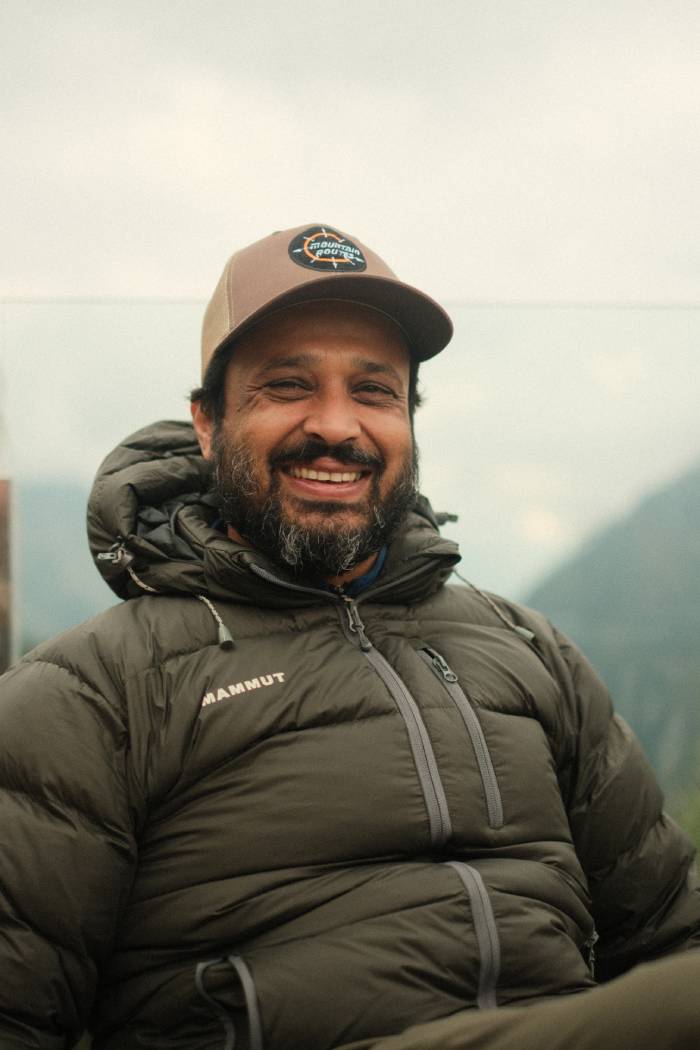
Mardi Himal Helicopter Tour delivers ultimate luxury mountain experience combining breathtaking aerial perspectives with base camp landing at hidden Annapurna region gem.
This time-efficient adventure departs Pokhara soaring over lush valleys, terraced farmlands, and dense rhododendron forests reaching Mardi Himal Base Camp (approximately 4,500m) beneath towering Mardi Himal peak (5,587m).
Spectacular close-range views of Machhapuchhre (Fishtail Mountain), Annapurna South, Hiunchuli, and Annapurna massif create unforgettable Himalayan encounter accomplished within few hours rather than demanding multi-day trek. Perfect solution for time-constrained travelers, elderly visitors, families with children, or those seeking mountain magnificence without physical trekking demands.
Overview and Unique Appeal
Hidden Gem of Annapurna Region
Mardi Himal remained relatively unknown until recent years when trekkers seeking off-beaten-path alternatives discovered pristine route east of famous Annapurna Base Camp trail. Lower tourist traffic compared to mainstream Annapurna Circuit or ABC routes preserves wilderness character and authentic mountain atmosphere. Helicopter tour provides exclusive access to spectacular scenery without crowds encountered on popular trekking routes.
Peak's distinctive position offers unique perspectives unavailable from other Annapurna viewpoints. Close proximity to sacred Machhapuchhre creates intimate encounter with Nepal's most iconic peak forbidden to climbers. Understanding Mardi Himal's special character helps appreciating tour's extraordinary value beyond mere convenience.
Time-Efficient Mountain Experience
Complete adventure accomplished approximately 2-3 hours total including flight time, base camp exploration, and return journey. Departing early morning maximizes clear weather probability and optimal lighting for photography. Same-day return enables combining helicopter tour with other Pokhara activities or connecting to onward travel schedules without multi-day commitments.
Understanding time efficiency attracts diverse travelers—business visitors with limited schedules, families with young children unsuited for long treks, elderly travelers unable managing multi-day walking, photographers seeking aerial perspectives, and adventure enthusiasts maximizing short Nepal visits.
Luxury Alternative to Trekking
While traditional Mardi Himal trek requires 5-7 days involving sustained walking, basic teahouse accommodation, and physical exertion, helicopter tour delivers identical destination through comfortable climate-controlled flight. No physical fitness requirements, altitude acclimatization concerns, or equipment needs. Understanding helicopter tour as legitimate alternative rather than inferior substitute helps appreciating different value propositions serving varied traveler needs.
Detailed Flight Experience
Departure from Pokhara
Tour begins Pokhara Airport or designated helipad with safety briefing covering flight procedures, weight distribution requirements, photography guidelines, and base camp behavior protocols. Professional pilots experienced in mountain flying ensure safe operations while providing running commentary identifying landmarks and peaks throughout journey.
Takeoff reveals Pokhara's lakeside setting, urban sprawl, and surrounding hills before climbing toward Annapurna foothills. Understanding helicopter capabilities and mountain weather considerations helps appreciating pilot expertise navigating complex terrain and atmospheric conditions.
Aerial Perspectives Over Annapurna Foothills
Flight path ascends through progressively higher terrain revealing terraced agricultural fields demonstrating intensive hill farming, scattered villages showcasing traditional architecture, and dense forests creating green carpets across hillsides. Rhododendron forests particularly spectacular during spring blooming season (March-May) painting hillsides red, pink, and white.
Bird's-eye perspectives reveal geographic features invisible from ground level—river patterns, ridge formations, valley systems, and settlement distributions creating geographical education alongside aesthetic appreciation. Understanding landscape from aerial viewpoint enriches subsequent ground-level Nepal experiences.
Approaching Mardi Himal Base Camp
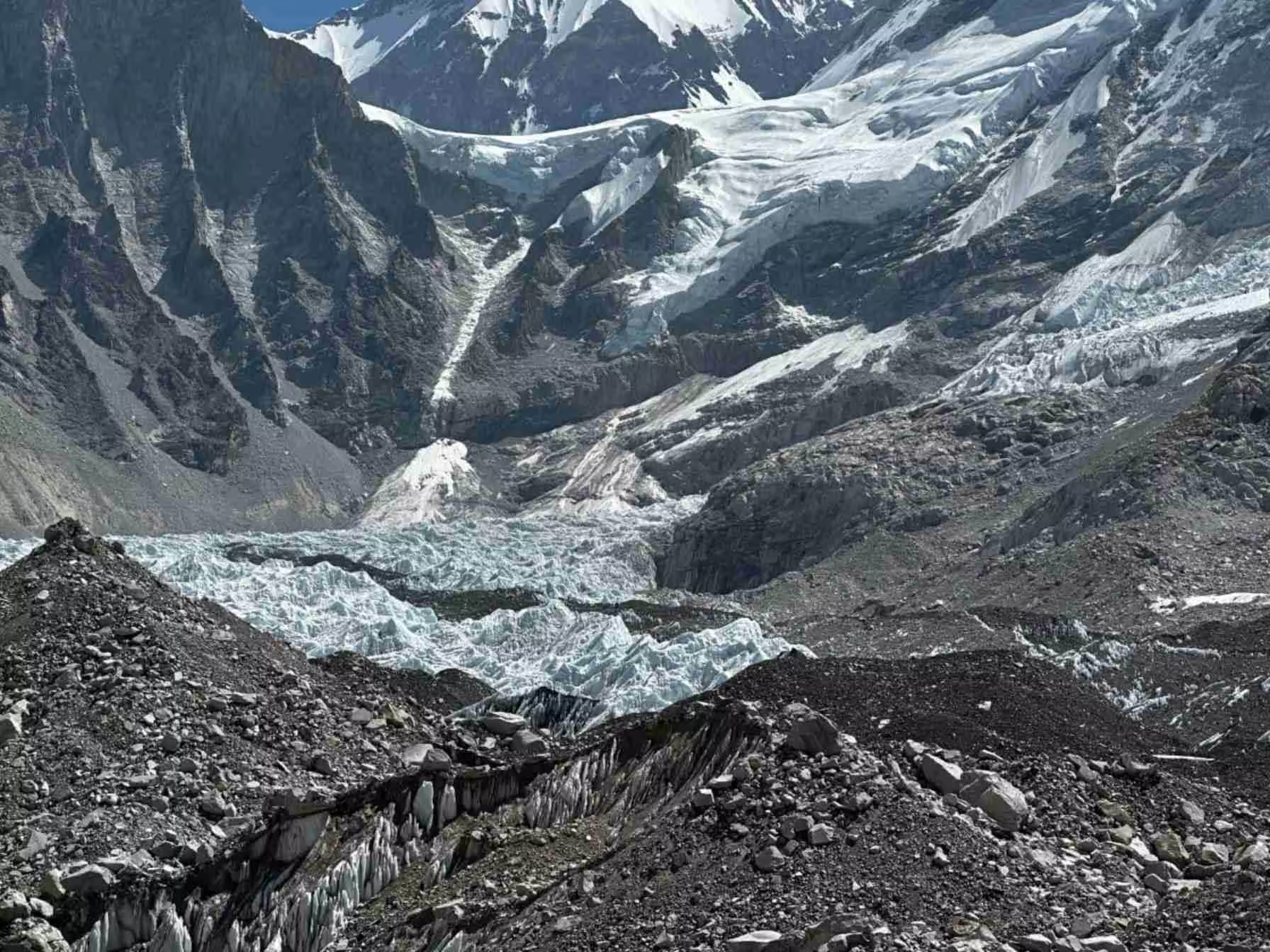
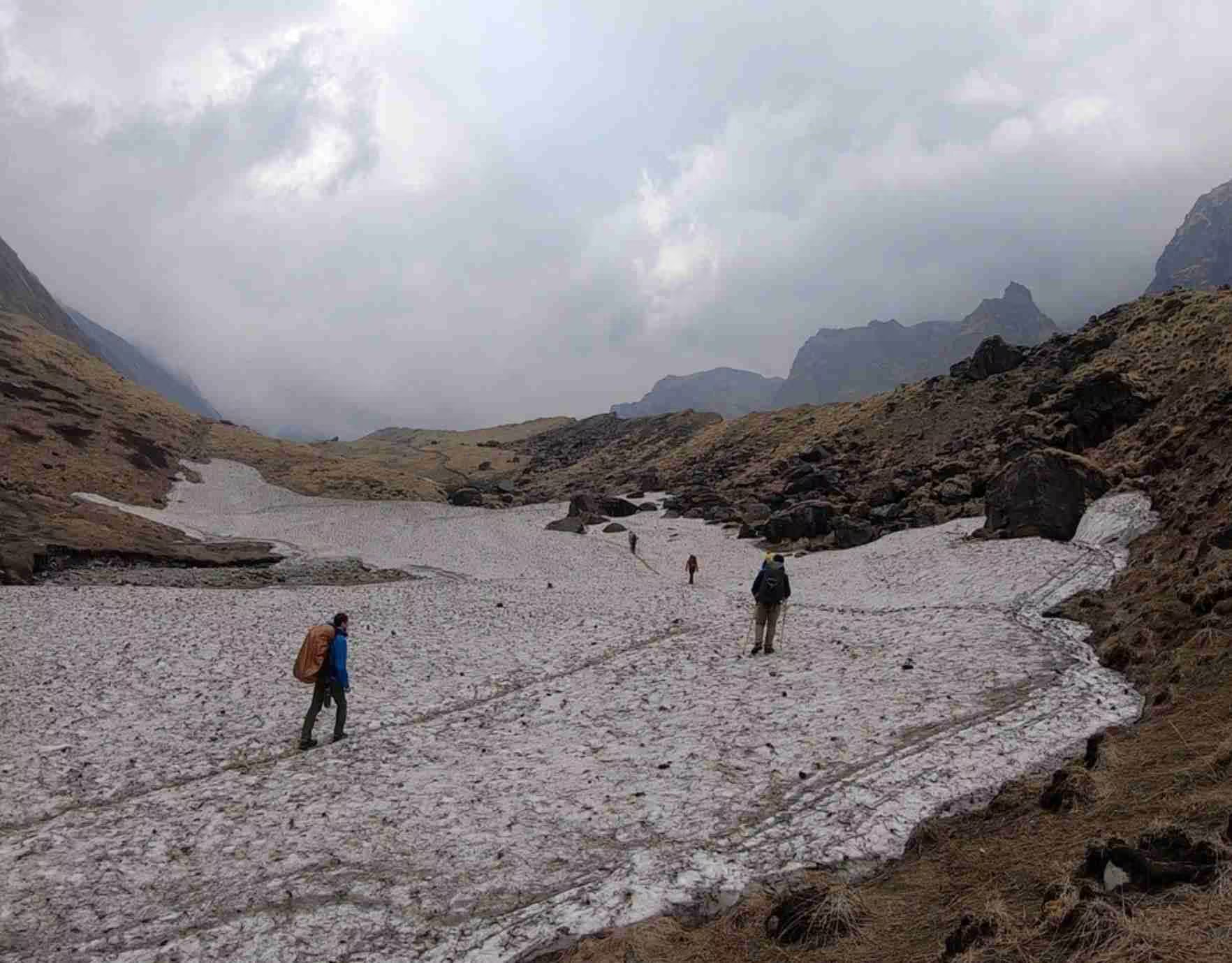
Final approach reveals dramatic mountain amphitheater as vegetation transitions from forests through alpine shrubs to rocky moraines and snow fields. Machhapuchhre's distinctive double summit dominates views creating iconic photographic subjects. Mardi Himal's steep faces rise dramatically while Annapurna South, Hiunchuli, and broader Annapurna massif create spectacular backdrop.
Pilot skillfully navigates increasing altitude and mountain winds positioning helicopter for safe base camp landing. Understanding high-altitude helicopter operations technical challenges helps appreciating crew professionalism managing complex mountainous environment.
Base Camp Landing and Exploration
Touchdown at approximately 4,500 meters provides 20-30 minutes ground time exploring immediate surroundings, photographing mountain panoramas, and experiencing high-altitude environment firsthand. Thin air noticeably affects breathing though brief exposure prevents serious altitude issues. Understanding altitude effects helps managing physical responses and appropriate activity levels.
Mountain silence broken only by wind and occasional avalanche rumbles from surrounding peaks creates profound wilderness immersion. Close-range views of Mardi Himal's summit pyramid, Machhapuchhre's sacred faces, and Annapurna peaks create lasting memories justifying tour investment. Photography opportunities unlimited though cold temperatures require appropriate clothing and equipment protection.
Guide accompanies passengers ensuring safety, identifying peaks, sharing mountain knowledge, and facilitating photography assistance. Understanding base camp time limitations encourages focused efficient use maximizing experience within operational constraints.
Return Flight to Pokhara
Return journey provides different lighting conditions and alternative perspectives enhancing overall experience. Morning tours enjoy return flights with optimal visibility while afternoon light creates golden hues illuminating landscapes differently. Descending flight allows relaxed observation reviewing earlier views with enhanced understanding.
Arrival back Pokhara typically mid-morning or early afternoon depending departure time allows continuing day with other activities, lunch, shopping, or onward travel arrangements. Understanding seamless integration into broader itineraries demonstrates helicopter tour's practical advantages.
Cost Structure and Booking Options
Group Sharing Basis
Shared helicopter accommodates 4-5 passengers beyond pilot and guide creating economical option for solo travelers or small groups. Per-person costs typically $350-500 depending on group size, season, and operator. Understanding shared flights require minimum passenger numbers and scheduled departure times reducing flexibility though significantly lowering individual costs.
Booking shared tours involves coordinating with other travelers creating social opportunities meeting fellow adventure enthusiasts. Understanding group dynamics and potential scheduling adjustments helps managing expectations for shared experiences.
Private Charter
Exclusive helicopter charter provides complete privacy, flexible departure timing, potential itinerary customization, and personalized experience. Costs range $2,000-2,500 for entire helicopter regardless passenger number (maximum 4-5 depending helicopter model). Understanding per-person economics favors private charters for groups of 3+ passengers approaching shared costs while gaining privacy and flexibility benefits.
Private charters allow customizing flight paths (weather and regulations permitting), extended base camp time, additional landing sites, or coordinating with special occasions (proposals, anniversaries, celebrations). Understanding customization possibilities helps maximizing private charter value.
Additional Costs and Considerations
Quoted prices typically include helicopter charter, pilot services, fuel, airport fees, and guide services. Additional costs may include permits (if required), travel insurance with helicopter coverage, hotel pickup/drop-off, and gratuities. Understanding complete cost picture prevents surprise expenses.
Comprehensive travel insurance covering helicopter flights essential. Some standard policies exclude helicopter operations requiring specific supplementary coverage. Understanding insurance requirements protects against financial losses from cancellations, medical emergencies, or evacuation needs.
Best Seasons and Weather Considerations
Optimal Spring Season
March through May provides excellent flying conditions with warming temperatures, clear skies, and blooming rhododendron forests creating vibrant landscapes. Pre-monsoon weather generally stable though afternoon clouds may develop requiring early morning departures. Understanding spring advantages helps timing decisions for optimal experiences.
Ideal Autumn Period
September through November offers crystal-clear post-monsoon visibility, stable weather patterns, and comfortable temperatures. Considered absolute best season for mountain flights providing superior photography conditions and reliable operations. Understanding autumn's premium conditions explains higher demand and potential booking challenges during peak periods.
Monsoon and Winter Limitations
June through August monsoon brings clouds, precipitation, and reduced visibility creating unreliable flying conditions. Winter (December-February) features extreme cold, potential snow, and challenging weather though occasional perfect clear days reward hardy travelers. Understanding seasonal limitations helps realistic planning and flexible booking allowing weather-dependent postponements.
Safety and Operational Standards
Experienced Mountain Pilots
Operators utilize pilots specifically trained and experienced in high-altitude mountain flying understanding unique challenges including thin air affecting helicopter performance, unpredictable mountain winds, rapid weather changes, and navigation through complex terrain. Understanding pilot expertise essential for safe operations builds confidence in service quality.
Weather-Dependent Operations
Mountain weather unpredictability requires flexible mindset accepting potential cancellations, postponements, or route modifications prioritizing safety over schedule adherence. Operators monitor conditions continuously making real-time decisions protecting passenger safety. Understanding weather's decisive role helps managing expectations and accepting necessary changes gracefully.
Altitude Considerations
Brief high-altitude exposure at base camp (4,500m) generally safe for healthy individuals though those with heart conditions, respiratory issues, or severe altitude sensitivity should consult physicians before booking. Understanding personal health limitations and communicating concerns to operators ensures appropriate precautions.
Booking Process and Preparation
Advance Reservations
Peak season (October-November, March-April) requires advance booking securing preferred dates and times. Last-minute bookings possible during quieter periods though weather windows limited. Understanding booking timelines helps appropriate planning.
What to Bring
Warm layered clothing essential despite helicopter climate control given high-altitude base camp exposure. Sunglasses protecting against intense UV radiation and snow glare, sunscreen, cameras with extra batteries (cold depletes power quickly), and stable footwear for brief base camp walking complete essential items.
Physical Requirements
No special fitness required though ability walking short distances at altitude and boarding/exiting helicopter necessary. Understanding minimal physical demands makes accessible for diverse age ranges and abilities.
Frequently Asked Questions
Is helicopter tour safe?
Yes, when conducted by licensed operators using experienced mountain pilots and well-maintained aircraft. Weather-dependent operations prioritize safety over schedule.
What if weather cancels flight?
Operators reschedule for alternative dates or provide full refunds. Travel insurance covering weather cancellations recommended.
Can children participate?
Yes, accompanied by adults. Minimum age varies by operator though generally suitable for school-age children upward.
How long at base camp?
Typically 20-30 minutes allowing photography, exploration, and mountain appreciation without excessive altitude exposure.
What about motion sickness?
Helicopter flights generally smoother than small fixed-wing aircraft. Preventive medication available for susceptible individuals.
Can I customize private charter?
Limited customization possible including extended base camp time, additional viewpoints, or special requests subject to weather, regulations, and safety considerations.
No comments yet. Be the first to share your thoughts!