
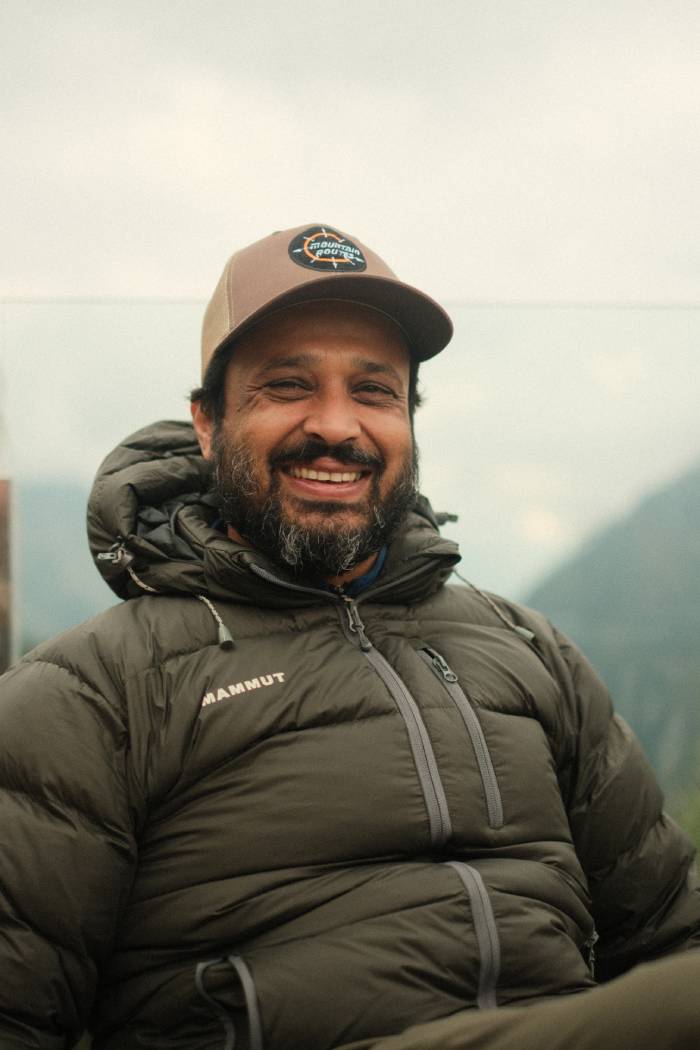
Choosing between a luxury and budget Everest Base Camp trek depends on your budget, comfort preferences, and travel experience. A luxury trek offers premium lodges, private rooms, better meals, experienced guides, and optional helicopter returns, making it ideal for travelers seeking comfort and convenience. A budget trek focuses on affordability with basic teahouse accommodation, shared facilities, and standard services while still following the same iconic route to Everest Base Camp. If you prioritize comfort and a hassle-free experience, a luxury trek is the better choice. If your goal is to experience Everest Base Camp at the lowest possible cost, a budget trek offers excellent value without compromising the adventure.
Luxury vs Budget Trek to Everest Base Camp, which one to choose? Confusing right ! Trekking to Everest Base Camp is an exciting journey. But if you don’t know, which is best choice the journey might be a little hectic for you.
There are thousands of adventurers every year for EBC.
Some book heated lodge rooms and fly in by helicopter. But the goal is the same. The trail is the same for both groups .
Do you know what is different ?
Their experiences !
We know how confusing the journey can be. Especially choosing between budget and luxury trekking. This confuses many first-time visitors to Nepal.
The price gap alone raises questions. So does the difference in comfort, support, and daily life on the trail.
This guide will help you with these questions directly. It breaks down costs, accommodation, food, transport, and support for each option so you can make a clear choice.
On a short note, budget trekkers spend between $1,000 and $2,500 in total. Luxury trekkers spend between $5,000 and $10,000 or more. That cost gap is very high.
But you can clearly see the differences in comfort, speed, and the support you receive along the way.
Quick comparison on Budget vs Luxury EBC Trek
We will help you with a quick comparison of the Budget vs Luxury EBC Trek. This will make it easy to estimate your budget:
Feature | Budget Trek | Luxury Trek |
|---|---|---|
Total Cost | $1,000-$2,000 | $5,000-$10,000 |
Accommodation | Basic teahouses | Premium Lodges |
Food | Simple local meals | Varied, higher-quality meals |
Transport | Flight to Lukla | Helicopter or flight to Lukla |
Guide/Porter | Optimal | Included |
Bathroom | Shared | Attached/Private |
Heating | Minimal | Room heating available |
Best For | Backpackers,adventure,lovers | Professionals,first-timers,comfort |
Note: Budget trekking gives you a raw and personal challenge, while Luxury trekking gives you comfort and strong support from start to finish.
Now, Mountain Routes gives you each difference in full detail.
Cost Comparison
Cost is usually the first thing trekkers compare. In general, we can say that every human compares. We have given some numbers below . It will help you plan your budget before you book your Everest Base Camp Trek:
Budget Trek Cost
A budget EBC trek costs between $1,000 and $2,500 in total. But your final amount depends on your pace, your spending habits, and the season you travel.
Here is how those costs break down:
Kathmandu-Lukla-Kathmandu flights | $350-$450 (round trip) |
|---|---|
Trekking permits (TIMS + Sagarmatha National Park) | $50-$60 |
Food and accommodation on the trail | $20-$35 per day |
Guide fees (if hired) | $25-$35 per day |
Porter fees ( if hired) | $20-$25 per day |
Note : Apart from these main costs, there are other smaller expenses that budget trekkers often overlook.
These extras are not included in teahouse rates, and they add up quickly. Contact us for accuracy.
Now , let's see what those extras are:
Wifi | $2 -$5 per hour at teahouses |
|---|---|
Device charging | $2-$5 per change |
Hot showers | $3 -$6 per shower |
Extra snacks and drinks | $3-$ 10 per day at higher altitudes |
A solo trekker without a guide can complete the trek for under $1,500. But if you add a guide and a porter, then the total rises to between $2,000 and $2,500.
Before you make a decision, remember that your safety is mandatory.
Luxury Trek Cost
A luxury EBC trek costs between $5,000 and $10,000 or more. Most premium packages fall in the $6,000 to $8,000 per person range.
That higher price comes with a much more complete set of services included from day one.
Here is what a typical luxury package covers for you:
- Helicopter transfers (in some packages)
- Premium lodge accommodation throughout the trek
- All meals (breakfast, lunch, and dinner)
- Private licensed guide
- Porter service
- Emergency medical backup in some packages
- Pre-trek briefings and gear support
With a luxury package, you are not just paying for nicer rooms. You are paying for fewer decisions, fewer worries, and a team that handles the logistics so you can focus entirely on the trek.
Accommodation Differences
Where you sleep on the EBC trail matters more than most trekkers expect. At high altitude, quality rest directly affects how well your body recovers each day.
Budget Teahouses
Teahouses are small guesthouses run by local Sherpa families along the trail. They have served trekkers in the Khumbu for decades . They remain the foundation of budget trekking in the region.
- Rooms are basic with twin beds and thin mattresses.
- Bathrooms are shared, typically two to four rooms per toilet.
- Heating is limited or not available inside the rooms.
- Most teahouses heat only the communal dining area in the evening.
- Popular stops like Namche Bazaar, Dingboche, and Gorak Shep have a good number of teahouses to choose from
Teahouses are clean, functional, and full of character. They put you close to local life and fellow trekkers.
In cold nights and in shared bathrooms, you have to make some adjustments, especially for those used to more comfort at home.
Luxury Lodges
Luxury lodges on the EBC trail offer a very different standard of rest after a long day of walking. Properties like Yeti Mountain Home and Everest Summit Lodges are well known for their quality along the route. You will find services like:
- Rooms are heated with attached private bathrooms.
- Beds are comfortable with warm duvets and proper pillows.
- Hot water is available for showers.
- Hygiene standards across all areas are noticeably higher.
- The improved comfort directly supports better recovery between trekking days.
Good sleep is not a luxury at altitude; it is a recovery tool. Trekkers who rest well each night acclimatize better and feel stronger on the trail.
In that sense, luxury lodges contribute directly to your performance and safety on the mountain.
Food and Dining experience
What you eat on the EBC trail affects your energy, your mood, and your ability to recover. Both trekking options keep you fuelled, but just in very different ways.
Budget Trek Food
Teahouse menus keep things simple and filling. The food is honest, calorie-dense, and well-suited to long days on the trail.
Common options on the budget trail include:
- Dal Bhat (lentil soup with rice) - It is the most popular and most reliable trekking meal.
- Noodle soups and fried noodles
- Pasta, fried rice, and porridge
- Eggs prepared in various styles
- Chapati with peanut butter or honey
One thing to plan for is how options change as you climb higher. Food choices become more limited above Namche Bazaar, and prices rise with the altitude.
A plate of Dal Bhat costs around $5 to $7 at lower elevations and $8 to $12 near Gorak Shep.
Luxury Trek Food
Luxury packages step up the dining experience in both variety and quality.
Unlike teahouse menus, which stay largely the same at each stop, luxury lodge meals are planned and prepared to a higher standard.
- Menus offer continental, Asian, and local Nepali options.
- Fresh ingredients are sourced and carried up more regularly.
- Kitchen hygiene standards are actively maintained.
- Meals are scheduled and timed to support your daily trekking rhythm.
At high altitude, your appetite often decreases . It is a known effect of acclimatization.
Having access to well-prepared meals makes it easier to eat enough.
Eating enough is one of the most important things you can do to stay strong above 4,000 meters. So, never skip your meals on this journey.
Transportation and how to get there ?
How you reach the start of the trek sets the tone for the entire journey. Budget and luxury trekkers approach this very differently.
Budget Trek Transport
Most budget trekkers fly from Kathmandu to Lukla Airport. It sits at an elevation of 2,860 meters. Normally, it is a 35-minute flight .
It is is also the standard entry point to the EBC trail . This trail is used by the majority of trekkers each season.
Note: Lukla airport is also one of the most dangerous airport in the world, but also exciting for adventurers at the same time.
Key facts you need to know about the Lukla flight:
- One-way tickets cost between $170 and $230 per person.
- Flights are weather-dependent, and delays happen regularly.
- Lukla is widely regarded as one of the most challenging airstrips in the world.
- During peak season (March-May and September-November), seats fill up quickly.
Tips: Because of these delays, budget trekkers should add at least one or two buffer days in Kathmandu before their trek begins.
Luxury Trek Transport
Luxury trekkers have more options and are more reliable when it comes to getting to the trail.
Helicopter services are available for easy transport.
It is because:
- Helicopter transfers to Lukla or even directly to Phakding or Namche. Flights are available.
- Helicopters bypass the Lukla flight queue and weather delays entirely.
- Some packages also include a helicopter return from EBC or Gorak Shep at the end of the trek.
- Helicopter charters cost between $500 and $1,500 per person, depending on the route.
If you have limited time, or those who find the Lukla flight experience stressful, helicopter access is for you. It also dramatically changes the view .
Guide, Porter, and Safety Support
The support you have on the trail is one of the biggest real differences between budget and luxury trekking.
But on a serious note, trekking with a company is always better than trekking alone.
Budget Trek Guide and Porter
On a budget trek, hiring a guide or porter is entirely optional. It is your choice.
The EBC route is well-marked and completed independently by experienced trekkers every season. But remember, you have to be experienced.
Things you need to know for trekking EBC:
- Solo trekking is permitted on the EBC route.
- Hiring a guide costs between $25 and $35 per day.
- Hiring a porter costs between $20 and $25 per day.
- Many budget trekkers share a guide with one or two others to split the daily cost.
It is safe if you go out with guides and porters. It means relying on trail markers, your own judgment, and fellow trekkers.
The route itself is straightforward. But the bigger challenge is managing your health at altitude . You have to know the signs of altitude sickness and know when to descend.
This is why we recommend a guide.
Luxury Trek Guide and Support
You might not know this, but luxury packages include full guide and porter service as a standard part of the offering.
This support is active throughout the trek and not just when problems arise. Let’s see how we can support you:
- A licensed, experienced guide leads your trek from day one.
- Porters carry your heavy gear so you can focus on walking.
- Some packages include a trained high-altitude medical technician, too.
- Emergency evacuation plans are established before your trek begins.
- Daily health checks for altitude sickness symptoms are built into the schedule.
This organized support makes a real difference, high above where altitude sickness risk increases .
For first-time high-altitude trekkers, especially, having a guide who monitors your condition and adjusts the pace when needed is mandatory.
They will take you to the safe summit and a medical evacuation when needed.
Comfort vs Adventure: A different way to think about it.
On a practical note for you guys, budget and luxury trekking represent two genuinely different philosophies of travel.
But you have to understand this difference. It will help you make the right choice for who you are as a traveler.
Budget trekking
This budget trek puts you close to the raw reality of the Himalayas. You eat what locals eat. You sleep where trekkers have slept for decades.
The cold rooms, shared bathrooms, and simple food are not shortcomings for many trekkers; they are the point.
The difficulty itself becomes part of the story. Many people return from budget EBC treks saying the hardship made the achievement feel more real.
The journey is awesome as a whole.
Luxury trekking
On the other hand, luxury trekking removes most of the friction from daily life on the trail. But you still walk every step of the same path.
You still breathe the same thin air and face the same physical challenge.
After the end of a long day, you return to a warm, private room, a hot meal with real variety, and a bed that actually lets you rest.
This level of comfort changes how your body and mind hold up across the full two weeks.
Neither approach is better. They reflect different values, different travel styles, and different moments in life.
Your choice is not about which trek is harder, but it is about which experience you will look back on and feel was right for you.
Trekking Experience: How the Journey Compares ?
Despite all the differences above, one thing remains constant: both budget and luxury trekkers walk the same iconic trail to the same destination.
The route passes through Phakding, Namche Bazaar, Tengboche, Dingboche, Lobuche, and Gorak Shep before you reach Everest Base Camp .
The physical path does not change based on what you paid.
What changes is how your body feels along it, how much mental energy you spend managing logistics, and how connected you feel to the mountain and its people.
Experience Factor | Budget Trek | Luxury Trek |
|---|---|---|
Physical effort | High (less recovery support) | Moderate (better rest and have meals) |
Mental challenge | Great ( more uncertainty) | Lower(guided and structured) |
Cultural connection | Deep(local houses and daily interactions available) | Present, but more filtered |
Overall journey feel | Raw and self-reliant | Smooth and well-supported |
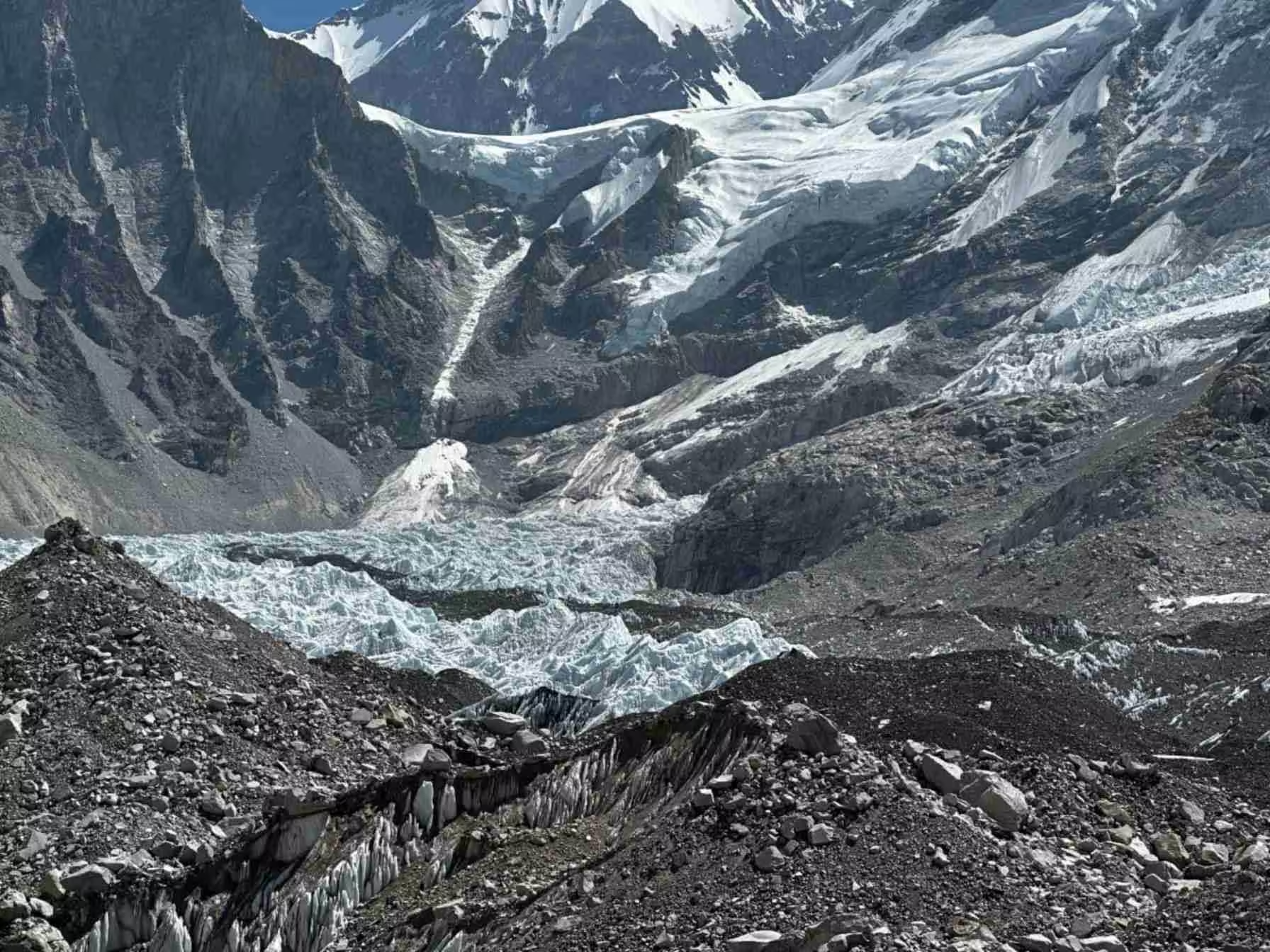
When both types of trekkers finally stand at Base Camp with Khumbu Glacier behind them, the view is the same.
Only the effort they carry to get there feels different . But trust us, the sense of achievement belongs equally to both. The hard work is worth it.
Time and Itinerary Flexibility
How much time you have available is the main factor between budget and luxury options.
The two budget and luxury approaches handle time in very different ways. Let’s see how:
Budget Trek gets more time and more freedom.
Budget trekkers generally enjoy more control over their daily schedule. They carry no fixed departure times or pre-booked lodges to reach by a certain hour.
- Standard itinerary runs 12 to 14 days from Lukla to EBC and back.
- Extra acclimatization days can be added at any point without additional cost.
- Rest days in Namche Bazaar or Dingboche are easy to arrange on the spot.
- You set the daily pace and decide when to move and when to stay.
This open structure is for trekkers who want to acclimatize slowly.
If you want to explore side trails and spend time in villages without feeling rushed, go for it.
Note : It also helps those trekkers whose bodies need more time to adjust to altitude.
Luxury Trek is shorter but structured.
Luxury trek itineraries run on a tighter schedule. Lodges are pre-booked, guides plan each day's distance, and the overall structure keeps the trip efficient.
- Most luxury packages complete the trek in 10 to 12 days.
- A helicopter return from Gorak Shep or EBC saves two to three full days of walking.
- This makes the entire trip possible in under two weeks, including travel time from Kathmandu.
Note : This is suitable for working professionals with limited annual leave. If you are one of them, go for it.
Best time to trek (for both options):
This dilemma might make you crazy. There is no point in trekking for long hours and not getting a perfect shot for your eyes. That’s why you have to know which time frame is perfect.
We recommend March to May and September to November for the EBC trek. It has the most stable weather, the clearest skies, and the best mountain views. You won’t regret it.
So, no matter if it's a luxury trek or budget trek you have to plan your dates around these frame.
Pros and Cons for both treks to EBC
Every trekking option has its trade-offs. But it is best if you know them in advance. This helps you set the right expectations before you go.
Budget Trek
The advantages for why a you should choose budget trek are:
Pros:
- Much lower overall cost and is accessible to a wider range of travelers.
- More authentic cultural experience through daily life in teahouses.
- Flexible pace and itinerary that will help you adapt as you go.
- Stronger personal sense of achievement from managing the challenge on your own
- Teahouses are plentiful along the route, so planning is straightforward.
Cons:
Budget trek has its own disadvantages, like:
- Less physical comfort in cold weather at high altitude.
- Shared bathrooms and unheated rooms can affect your sleep quality and recovery for you.
- Lukla flights are weather-dependent, and delays are common at EBC.
- Limited safety support if altitude sickness develops. It’s a risk for you.
- Wi-Fi, hot showers, and device charging all cost extra and add up quickly.
Luxury Trek
There are many advantages of Luxury Trek listed below:
Pros:
- High level of comfort, like heated rooms at cold, private bathrooms and quality meals.
- Full guide and porter service included from the start.
- Better rest and nutrition support that helps in daily recovery.
- Medical and emergency support available in total packages.
- Helicopter options that reduce total travel time easily.
- Well-suited to first-time high-altitude trekkers who want structured support.
Cons:
But everything has its own advantages and disadvantages. The cons are:
- High cost puts it out of reach for many travelers.
- Fixed itinerary offers less freedom to adjust pace based on how you feel.
- The premium structure reduces some of the raw, unfiltered local experience.
- Fewer one-way connections with fellow trekkers compared to busy teahouse common rooms
Who should choose which trek?
If you are still confused after reading this far, Mountain Routes will give you a short summary too.
To be honest ,both options takes you to the same mountain, but the question is which journey fits your life right now.
Choose the Budget Trek if you are:
- A backpacker or experienced trekker working with a limited budget.
- Someone who values raw, unfiltered travel and genuine cultural closeness.
- A flexible traveler with 14 or more days available for the trip.
- Comfortable making your own daily decisions and can monitor your health alone.
- A solo traveler who enjoys meeting and sharing the experience with others on the trail.
Choose the Luxury Trek if you are:
- A working professional and have limited time off.
- A first-time high-altitude trekker who wants regular guidance and safety support.
- Someone who values rest and recovery as part of performing well on the trail each day.
- A traveler managing a health condition that benefits from a daily check-up.
- Someone marking a personal milestone who wants the experience handled with safety.
Final Thoughts on Everest Base Camp Trek
The trek to Everest Base Camp is one of the most exciting experiences you can have .
The mountain rewards effort, not budgets. So, no matter how much it costs, it is worth every penny.
But it doesn't mean you simply pack your bags and go. The right preparation makes all the difference.
Budget trekking rewards those who are self-reliant and thrive on challenge. Likewise, Luxury trekking rewards those who want to arrive at Base Camp.
They feeling supported, rested, and well looked after throughout the journey. It depends on your choice and comfort level.
Think honestly about your fitness, your time, your budget, and your travel personality. Don’t rush.
Choose the option that shapes all four factors above and then go all in.
Just imagine that you are standing at the foot of the highest mountain on earth. Bliss, right ?
That moment will stay with you your entire life.
Frequently Asked Questions
How much does a budget EBC trek cost in total?
A budget EBC trek costs between $1,000 and $2,500 in total. But your final amount depends on whether you hire a guide and porter or not, how long you take, and how much you spend on extras like Wi-Fi, hot showers, and snacks along the trail.
What is included in a luxury EBC trek package?
Most of the luxury packages include accommodation at premium lodges, all daily meals, a licensed private guide, porter service, and, in some cases helicopter transfers. Higher-end packages also include emergency medical support and daily health monitoring.
Do I need a guide for the Everest Base Camp trek?
A guide is not legally required on the EBC route. But for your safety, hiring one is strongly recommended . If you are above 4,000 meters, where altitude sickness becomes a real and serious risk, you cannot survive alone.
A guide monitors your condition and adjusts your pace when needed.
What is the best time to trek to Everest Base Camp?
March to May are the best months for you. Another time is September to November. At this time the skies are clear, the weather is stable, and trail conditions are at their best. Trust us, you will find the peak photography.
Can I do the EBC trek in less than 10 days?
The standard route normally takes 12 to 14 days. Luxury trekkers who use a helicopter to return from Gorak Shep can finish it in 10 to 12 days. But it is definitely a risk if you u rush the acclimatization schedule .
Is the EBC trek safe for beginners?
Yes, EBC is safe for beginners, but with the right preparation. Most healthy adults can complete the EBC trek if they acclimatize properly and listen to their body. They also need to know the warning signs of altitude sickness.
If you rely on Luxury packages, it offers more structured support and daily health checks for you. This makes your experience safer and more manageable if you are new to Everest trekking.
Note: Some of the above prices varies because of various factors like recent war, extra hidden charges that you may not know of.
No comments yet. Be the first to share your thoughts!