
Kori Village sits at 3,800 meters in Nepal's Annapurna region offering an unspoiled Himalayan trekking experience.
This 10-day trek from Pokhara passes through dense rhododendron forests, traditional Gurung villages, and reaches Kapuche Glacier Lake at 2,450 meters. The route stays off crowded tourist trails while providing stunning views of Annapurna and Lamjung Himal ranges.
Unlike popular short treks near Pokhara like Poon Hill or Australian Camp, Kori Village sees fewer trekkers. The journey combines cultural immersion with natural beauty. Local Gurung communities welcome visitors into their homes. Traditional stone houses, farm visits, and home-cooked meals create authentic experiences impossible on commercial routes.
The trek covers approximately 70 kilometers over 10 days with daily walking times ranging from 3-7 hours. The highest point reaches 4,500 meters during hill exploration. Moderate difficulty suits trekkers with basic fitness and some hiking experience. This guide explains the complete itinerary, costs, permits, and preparation needed for Kori Village Trek.
Complete 10-Day Kori Village Trek Itinerary
Day 1: Pokhara to Nayapul (1,070m) and Trek to Kori Village (3,800m)
Elevation: 850m to 1,070m (drive), then 1,070m to 3,800m (trek)
Distance: 42km drive, 12-14km trek
Travel Time: 1.5-2 hours drive, 4-5 hours trekking
Accommodation: Community lodge in Kori Village
The journey begins with an early morning drive from Pokhara to Nayapul following the road toward Annapurna Base Camp trailhead. The vehicle passes through riverside settlements, terraced farmland, and small market towns. Nayapul sits at 1,070 meters where the trekking trail officially begins.
From Nayapul, the path climbs steadily through mixed forest and agricultural terraces. The first few hours pass through lower elevation zones with subtropical vegetation. Orange orchards and banana plants line lower sections. The trail gains elevation gradually without steep climbing initially.
After 2-3 hours, the landscape shifts from farmland to forest. Oak and rhododendron trees create shaded passages. The gradient increases as the path switchbacks upward. Small Gurung settlements appear where families cultivate hillside terraces. Traditional architecture shows stone walls and slate roofs.
The final approach to Kori Village involves sustained climbing. The altitude becomes noticeable above 3,000 meters. Breathing requires more effort. Walking pace naturally slows. The village appears after 4-5 hours total trekking time.
Kori Village sits on a hillside at 3,800 meters with commanding valley views. Stone houses cluster around narrow lanes. Prayer flags flutter from rooftops and courtyard poles. Community lodges provide simple rooms with basic beds and shared facilities. Families prepare traditional meals featuring rice, lentils, and vegetables from local farms.
Evening temperatures drop significantly at this elevation. Warm clothing becomes necessary after sunset. The night allows acclimatization before higher altitude exploration in coming days.
Day 2: Rest and Explore Kori Village (3,800m)
Elevation: 3,800m
Walking Time: 2-3 hours optional village walks
Accommodation: Community lodge in Kori Village
Day two provides essential acclimatization after rapid altitude gain on day one. The rest day allows the body to adapt to reduced oxygen levels. However, complete rest is not recommended. Light activity and short walks help trigger physiological adaptation.
Morning hours allow village exploration. Walking through narrow lanes reveals daily life continuing at mountain altitude. Families work in fields terraced on steep slopes. Women carry water from communal taps. Children play in courtyards before walking to village schools.
Traditional Gurung architecture dominates Kori Village. Houses use local stone with wooden structural elements. Small windows minimize heat loss during cold seasons. Flat or slightly sloped roofs collect rainwater. Storage areas hold dried crops and firewood for winter months.
Village elders often share stories about local history and customs. The Gurung people maintain distinct cultural identity with unique language and traditions. Many families still practice animist beliefs alongside Buddhism or Hinduism. Understanding this cultural context enriches the trekking experience beyond scenic appreciation.
Short hikes to viewpoints above the village provide light exercise. These walks gain 100-200 meters elevation offering practice for coming days. Mountain panoramas expand from higher vantage points. Annapurna South and Lamjung Himal appear clearly on cloudless days.
The rest day also allows gear organization, washing clothes, and physical recovery from day one's long approach. Proper hydration remains important. Drinking 3-4 liters of water daily helps acclimatization at altitude.
Day 3: Trek to Kapuche Glacier Lake (2,450m) and Return
Elevation: 3,800m to 2,450m to 3,800m
Distance: 12-14 kilometers round trip
Walking Time: 6-7 hours total
Accommodation: Community lodge in Kori Village
The trek to Kapuche Glacier Lake represents the journey's highlight. This glacial lake sits at 2,450 meters, making it one of the world's lowest altitude glacier lakes. The round trip from Kori Village covers significant distance with substantial elevation change.
The trail initially descends from Kori Village through rhododendron forest. These trees bloom spectacularly during March and April with red and pink flowers. The descent follows well-maintained paths with stone steps at steep sections. Morning mist often fills valleys creating atmospheric conditions.
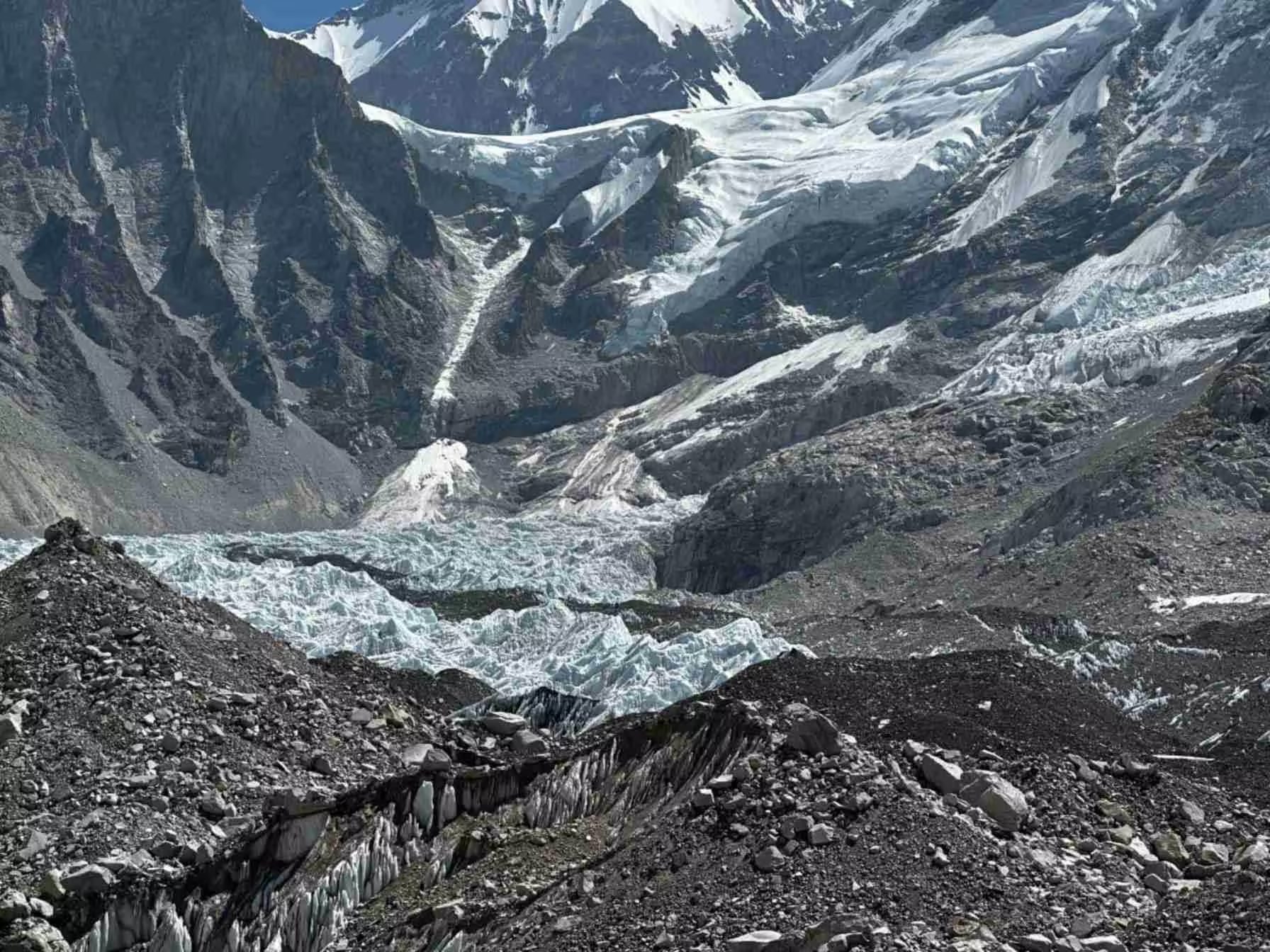
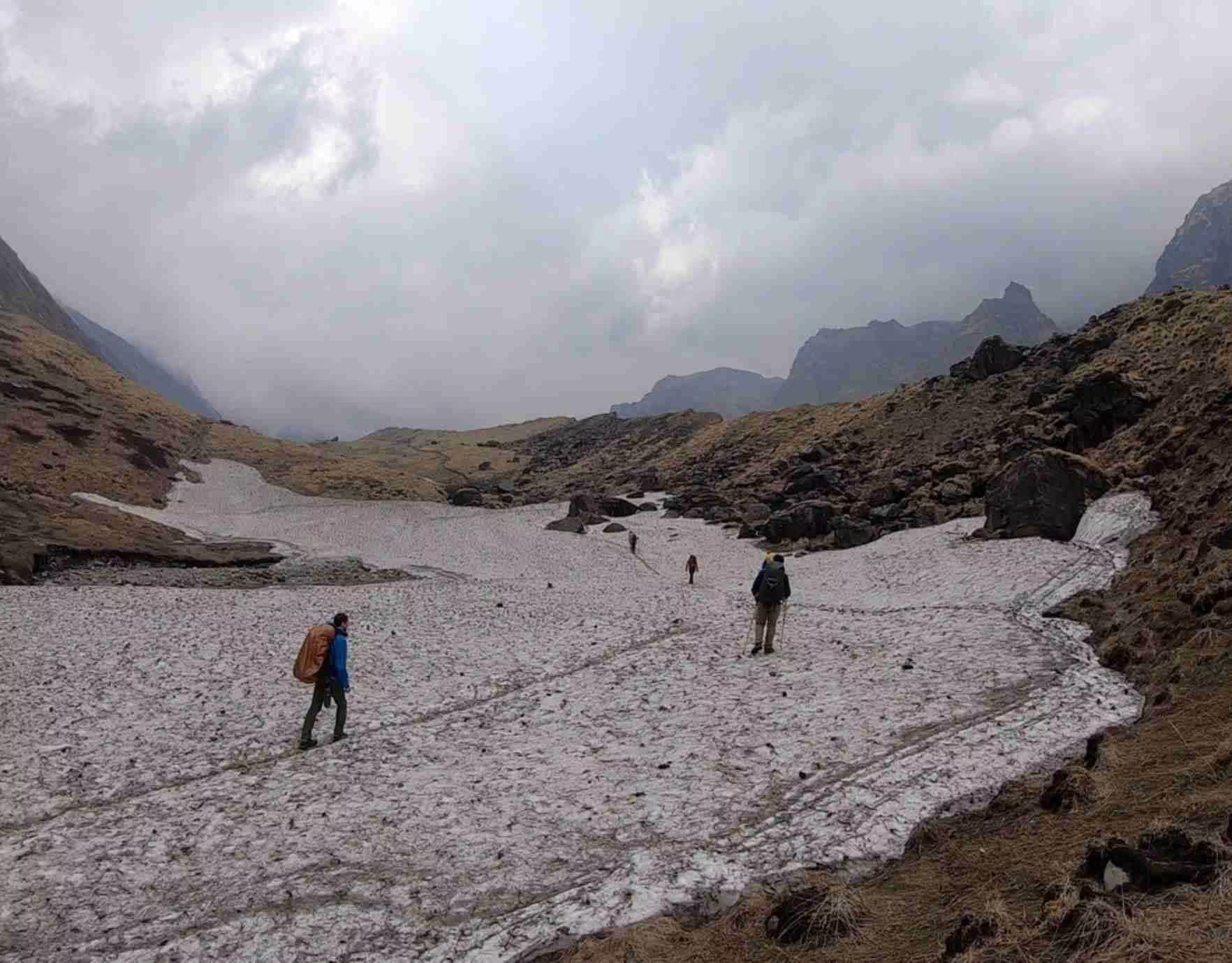
After 2-3 hours descending, the landscape opens to reveal the lake basin. The final approach crosses rocky moraine deposits from glacial retreat. The terrain becomes more challenging with loose stones requiring careful footing. Fixed ropes assist passage in exposed areas.
Kapuche Glacier Lake appears suddenly as the trail rounds a ridge. Turquoise water sits in a natural basin surrounded by towering peaks. The glacier feeding the lake hangs above, sending occasional ice chunks into the water. The setting feels pristine and otherworldly.
Time at the lake stays limited to 1-2 hours. The altitude and exposed location create cold conditions even during warm seasons. Taking photographs, having snacks, and absorbing the spectacular scenery fill the break time. Some visitors perform religious rituals as the lake holds spiritual significance locally.
The return climb to Kori Village feels more strenuous than the descent. Gaining 1,350 meters tests physical stamina and cardiovascular fitness. The thin air makes sustained climbing challenging. Frequent rest breaks become necessary. Most trekkers take 3-4 hours returning to the village.
Evening arrival brings relief and accomplishment. The long day creates fatigue but also satisfaction from experiencing such a unique natural feature.
Day 4: Trek to Lower Kori Village (2,800m)
Elevation: 3,800m to 2,800m
Distance: 8-10 kilometers
Walking Time: 3-4 hours
Accommodation: Community lodge in Lower Kori Village
Day four provides easier trekking after the previous day's demanding excursion. The descent to Lower Kori Village drops 1,000 meters over moderate distance. The gradient stays gentle without extreme steepness.
The trail follows a different route than the lake trek, maintaining variety in scenery. The path contours around hillsides through mixed forest. Pine and fir trees dominate at this elevation. Bird activity increases with diverse species visible and audible.
Lower Kori Village sits at 2,800 meters in a quieter setting than the main village. Only a handful of houses form the settlement. Traditional farming continues without much tourism influence. The atmosphere feels more isolated and authentic.
Families in Lower Kori maintain subsistence agriculture. Terraced fields produce rice, millet, corn, and vegetables depending on season. Animal husbandry provides dairy products and meat. The self-sufficient lifestyle shows how mountain communities sustain themselves.
Afternoon hours allow rest and cultural interaction. Homestay hosts often invite guests to help with daily tasks like collecting firewood or tending animals. These activities create deeper understanding of mountain life challenges and rewards.
The lower elevation brings warmer temperatures and easier breathing compared to upper Kori Village. Sleep quality typically improves at moderate altitude after acclimatizing higher.
Day 5: Explore Surrounding Hills (4,500m)
Elevation: 2,800m to 4,500m to 2,800m
Distance: 10-12 kilometers round trip
Walking Time: 4-5 hours total
Accommodation: Community lodge in Lower Kori Village
The fifth day involves climbing to nearby ridges for expanded mountain views. The route gains 1,700 meters to reach 4,500 meters viewpoints. This represents the trek's maximum altitude requiring proper pacing and acclimatization awareness.
The climb begins through forest before emerging onto open ridgelines. Alpine meadows replace trees at higher elevations. Hardy grasses and low shrubs represent the only vegetation. The landscape takes on barren beauty with rocky outcrops and distant peaks.
As elevation increases, the Himalayan panorama expands dramatically. The Annapurna massif dominates northern horizons. Multiple peaks above 7,000 meters create an overwhelming mountain wall. Lamjung Himal rises to the east with distinctive pyramid shape. Dhaulagiri appears to the west on extremely clear days.
The final ridge section requires careful attention. Exposure increases with steep drop-offs on both sides in places. However, no technical climbing or scrambling occurs. The trail remains walkable with normal trekking ability.
Reaching the high point creates strong accomplishment after sustained climbing. The 360-degree views justify the effort. Photography conditions peak during morning hours with clear air and soft light. Many trekkers consider this viewpoint the trek's scenic highlight even surpassing the glacier lake.
The descent returns to Lower Kori Village by afternoon. Total time ranges 4-5 hours depending on pace and break duration. The elevation drop from 4,500m feels significant. Breathing becomes easier as oxygen levels increase.
Day 6: Rest and Cultural Exploration in Kori Village (3,800m)
Elevation: 2,800m to 3,800m
Distance: 8-10 kilometers
Walking Time: 3-4 hours
Accommodation: Community lodge in Kori Village
Day six returns to main Kori Village for another rest and cultural exploration day. The moderate uphill trek takes 3-4 hours retracing the route from day four. Arriving back at the familiar village feels like returning home after exploration.
This second rest day allows deeper cultural engagement. With more comfort and familiarity, interactions with villagers become more relaxed. Hosts share details about festivals, marriage customs, and local beliefs. Understanding the Gurung worldview adds meaning to the physical trekking experience.
Some lodges arrange cultural performances during evening hours. Traditional dances feature distinctive music and costumes. Folk songs tell stories passed through generations. Participating in these activities supports cultural preservation while enriching visitor experiences.
The day also provides extra acclimatization before beginning the return journey. Having spent multiple nights above 3,000 meters, the body adapts well to altitude. This preparation ensures comfortable descent without altitude-related issues.
Day 7: Trek to Nayapul (1,070m)
Elevation: 3,800m to 1,070m
Distance: 12-14 kilometers
Walking Time: 6-7 hours
Accommodation: Lodge in Nayapul
The descent to Nayapul reverses the approach trek from day one. The long downhill covers 2,730 meters elevation loss. This substantial drop tests knees and ankles despite easier cardiovascular effort compared to climbing.
The trail passes through the same villages and forests seen on the approach. However, descending provides different perspectives on familiar landscapes. Views open toward valleys below rather than mountains above. The changing elevation zones show dramatic vegetation transitions.
Lower sections become noticeably warmer as altitude decreases. Layers removed at higher elevations get packed away. Breathing feels effortless at lower altitude after days above 3,000 meters. The physical relief from increased oxygen levels is remarkable.
Nayapul appears in late afternoon after 6-7 hours trekking. This roadside settlement offers basic lodges and restaurants. Hot showers and varied food options provide welcome comfort after rustic village accommodation. The transition back to semi-urban environment feels jarring after peaceful mountain days.
Day 8: Drive to Pokhara (850m)
Elevation: 1,070m to 850m
Distance: 42 kilometers
Travel Time: 1.5-2 hours drive
Accommodation: Hotel in Pokhara
The morning drive returns to Pokhara following the same road used on day one. The short journey provides time to process the trek experience. Views from the vehicle window reveal landscapes traversed on foot now from different perspective.
Arrival in Pokhara brings full return to civilization. Lakeside hotels offer comfortable beds, hot showers, and internet connectivity. The stark contrast to mountain villages emphasizes the remoteness of the trekking experience.
Day 9: Rest and Explore Pokhara
Activities: Flexible rest day or city exploration
Accommodation: Hotel in Pokhara
A rest day in Pokhara allows physical recovery and trip organization. Many trekkers visit Phewa Lake for boating or lakeside walks. The Peace Pagoda offers views over the city toward mountains. Shopping for souvenirs and enjoying diverse restaurants fill afternoon hours.
Day 10: Departure or Extend Adventure
Activities: Flexible
The final day provides flexibility for departures or further exploration. Some trekkers fly to Kathmandu for international connections. Others extend their Nepal adventure with additional activities. Pokhara serves as gateway to numerous other best short treks in Nepal including Ghorepani Poon Hill and Mardi Himal.
Combined Trek Options
Kori Village and Poon Hill Trek (7 Days)
Combining Kori Village with Poon Hill creates an excellent week-long adventure. After exploring Kori Village, the route continues to Ghorepani for sunrise views from Poon Hill. This addition provides diverse experiences in a compact timeframe. The combined trek suits travelers with limited vacation days wanting varied scenery and cultural exposure.
Kori Village and Mardi Himal Trek (9 Days)
The Mardi Himal trek extension offers less-crowded trails with spectacular mountain views. After Kori Village, the route heads toward Mardi Himal Base Camp at 4,500 meters. Both destinations provide off-beaten-path experiences with authentic village culture and pristine landscapes.
Kori Village and Annapurna Base Camp Trek (12 Days)
For experienced trekkers wanting longer adventures, combining Kori Village with Annapurna Base Camp creates a comprehensive circuit. This demanding route covers diverse terrain from subtropical forests to high-altitude glacial basins. The extended itinerary requires good fitness and proper acclimatization planning.
Trek Cost Breakdown
The 10-day Kori Village Trek costs approximately $450-575 per person depending on services and group size. This pricing covers essential expenses but excludes personal shopping and luxury items.
Permits ($30-40): Annapurna Conservation Area Permit ($30) and TIMS card ($10-15). These documents allow trekking in protected areas and support conservation efforts.
Guide and Porter ($200-300): Licensed guide services for 10 days including wages, insurance, food, and accommodation. Porter services cost additional $150-200 if needed.
Transportation ($80-100): Private vehicle from Pokhara to Nayapul and return. Costs vary by vehicle type and group size.
Accommodation ($100-150): Community lodges for 9 nights averaging $10-15 per night. Basic rooms with shared facilities.
Meals ($100-150): Three meals daily for 10 days averaging $10-15 per day. Traditional Nepali food from local ingredients.
Miscellaneous ($20-40): Snacks, drinks, phone charging, hot showers, and tips for lodge staff.
Solo trekkers pay higher per-person rates around $650-750 due to fixed guide and transport costs. Groups of 2-4 receive standard rates. Larger groups negotiate reduced prices around $400-450 per person.
Best Time to Trek Kori Village
Spring (March to May): Excellent conditions with rhododendron blooms and mild temperatures. March shows flowers beginning at lower elevations. April brings peak blooming between 2,000-3,500 meters. Daytime temperatures range 10-20°C in valleys and 0-10°C at Kori Village. Clear morning skies become cloudy afternoons. Trail conditions stay dry throughout spring.
Autumn (September to November): Most popular season due to stable weather and crystal-clear visibility. September marks post-monsoon transition. October provides peak conditions. November brings colder temperatures but continued clear skies. Daytime temperatures range 5-15°C in valleys and -5 to 5°C at high elevations. The harvest season creates vibrant village atmosphere.
Winter (December to February): Challenging conditions with severe cold and potential snow. Temperatures drop to -15°C at night above 3,500 meters. Snow affects higher trails making some sections difficult or impassable. Very few trekkers attempt winter Kori Village. Those who do need winter mountaineering gear and experience.
Monsoon (June to August): Difficult trekking with heavy rain, leeches, and limited visibility. Lower elevations become very wet and slippery. Landslides occasionally block trails. However, landscapes turn brilliantly green with wildflowers. Very few tourists create authentic village experiences for adventurous trekkers accepting challenging conditions.
Essential Packing List
Clothing: Moisture-wicking base layers, fleece or down jacket, waterproof shell jacket and pants, trekking pants, warm layers for sleeping, gloves, warm hat, sun hat, 4-5 pairs trekking socks.
Footwear: Broken-in trekking boots with good ankle support, lightweight camp shoes, gaiters for snow or mud.
Gear: 40-50 liter backpack, sleeping bag (-10°C rating), trekking poles (essential for descents), 2 liters water capacity, headlamp, sunglasses, SPF 50+ sunscreen.
Personal Items: First aid kit with altitude medication, pain relievers, blister treatment, toiletries, quick-dry towel, hand sanitizer, passport, permits, insurance documents, cash in Nepali rupees.
Permits Required
Annapurna Conservation Area Permit (ACAP): NPR 3,000 ($30) for foreigners, NPR 100 for SAARC citizens. Supports conservation throughout Annapurna region. Obtain in Kathmandu or Pokhara at Nepal Tourism Board office.
TIMS Card: NPR 2,000 ($15) for independent trekkers, NPR 1,000 ($10) for organized groups. Creates safety database for tracking and rescue coordination. Available from tourism offices or through trekking agencies.
Both permits must be carried at all times. Checkpoints verify documents at trail entries and villages. Lost permits require expensive replacement.
Difficulty Level and Fitness Requirements
The Kori Village Trek rates as moderate difficulty. Daily walking ranges 3-7 hours over uneven terrain. Maximum altitude of 4,500 meters creates some altitude stress. Previous trekking experience helps but is not required.
Physical preparation: Three months of regular cardio exercise including running, cycling, or swimming. Hill walking with weighted pack builds specific trekking muscles. Leg strength exercises like squats and lunges prevent injury.
Altitude considerations: The rapid ascent to 3,800 meters on day one challenges acclimatization. Proper hydration, slow pace, and rest days help adaptation. Altitude medication like Diamox may benefit some trekkers after doctor consultation.
Technical difficulty: No climbing or scrambling required. Standard hiking ability suffices. However, long descents on day seven test knee strength. Trekking poles significantly reduce joint impact.
Safety and Health Considerations
Altitude sickness prevention: Ascend gradually, stay hydrated (3-4 liters daily), avoid alcohol above 3,000m, walk slowly, eat regular meals. Monitor symptoms including headache, nausea, dizziness. Descend immediately if severe symptoms appear.
Emergency evacuation: Helicopter rescue costs $3,000-5,000. Comprehensive travel insurance covering evacuation up to 5,000m is mandatory. Weather delays evacuations 1-3 days during storms.
Trail safety: Well-maintained paths with minimal exposure. No dangerous river crossings or landslide zones. Standard mountain awareness prevents most issues. Guides provide additional safety through local knowledge and emergency response capability.
Why Trek with Mountain Routes
Mountain Routes provides experienced guide services for Kori Village Trek with focus on safety and authentic experiences. Licensed guides offer cultural knowledge, navigation expertise, and emergency management. The company maintains relationships with village communities ensuring quality homestays and fair compensation for local families.
Flexible booking accommodates various group sizes and schedules. Comprehensive pre-trek briefings cover expectations, preparation, and safety protocols. Emergency communication systems and evacuation insurance provide security in remote areas.
Supporting sustainable tourism through fair wages and community development contributions ensures trekking benefits local people. Mountain Routes' commitment to responsible travel creates positive impacts while delivering memorable adventures.
Frequently Asked Questions
How difficult is Kori Village Trek?
Moderate difficulty requiring basic fitness and some hiking experience. Daily walking ranges 3-7 hours. Maximum altitude of 4,500 meters creates mild altitude stress. Proper preparation and pacing make the trek achievable for most people with reasonable fitness.
Can I trek independently?
Yes, independent trekking is possible with proper permits. However, hiring a guide significantly enhances experience through cultural interpretation and safety monitoring. The remote nature of Kori Village makes guide support valuable.
What is the best month to trek?
October ranks as best month with stable weather, clear views, and moderate temperatures. April provides excellent spring alternative with blooming rhododendrons. Both months avoid extreme cold and monsoon rain.
Is travel insurance necessary?
Yes, comprehensive insurance covering trekking up to 5,000m is mandatory. Policies must include helicopter evacuation, medical treatment, and repatriation. Standard travel insurance excludes high-altitude activities.
What food is available?
Traditional Nepali meals including dal bhat (rice and lentils), vegetables, and chapati. Food comes from local farms. Meals are simple but nutritious. Limited menu variety compared to commercial trekking routes.
How crowded is the trail?
Very uncrowded compared to popular routes. Expect to see fewer than 10 other trekkers daily even during peak seasons. Village homestays maintain authentic character without tourism commercialization.

No comments yet. Be the first to share your thoughts!