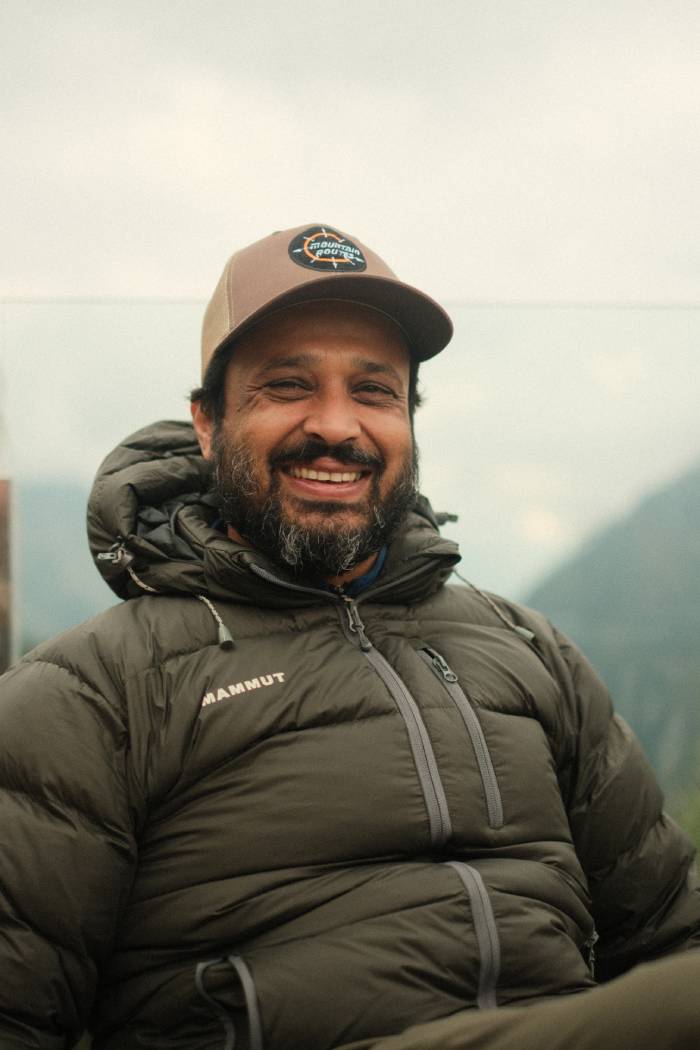
Gokyo and Renjo La Pass Trek delivers spectacular Everest region experience combining turquoise glacial lakes with challenging high pass crossing while avoiding Everest Base Camp crowds.
This rewarding 13-day journey explores pristine Gokyo Valley featuring six glacial lakes, ascends Gokyo Ri (5,357m) for panoramic mountain views including Everest, Lhotse, Makalu, and Cho Oyu, then crosses Renjo La Pass (5,360m) connecting back to Namche Bazaar. Less-traveled alternative to standard EBC route offers equally stunning scenery, Sherpa cultural immersion, and genuine wilderness atmosphere creating perfect balance accessibility and adventure. Trek showcases raw natural beauty with significantly fewer trekkers than mainstream routes while delivering world-class Himalayan experiences suitable for moderately fit adventurers seeking authentic mountain encounters.
Trek Overview and Route Description
Quieter Everest Alternative
While Everest Base Camp attracts thousands annually creating crowded trails and teahouses, Gokyo Valley route sees significantly fewer trekkers preserving peaceful mountain atmosphere. During peak season (October-November), standard EBC trail experiences congestion with limited teahouse availability requiring advance booking and crowded dining halls. Gokyo route maintains quieter character with more intimate mountain experiences and genuine wilderness feeling.
Understanding this as equally spectacular alternative to mainstream EBC helps appreciating scenic and cultural rewards without crowds. Many experienced trekkers consider Gokyo superior for pure mountain scenery given lake-and-peak combinations creating photographic masterpieces. Renjo La Pass crossing adds adventure dimension transforming simple there-and-back trek into rewarding circuit journey.
Route ascends Dudh Koshi valley from Lukla through Namche Bazaar before diverging toward Gokyo instead of standard EBC direction. After exploring Gokyo Lakes and Gokyo Ri, trek crosses challenging Renjo La Pass descending to Namche creating loop avoiding complete retracing. This circuit design maximizes diverse scenery while maintaining moderate overall difficulty suitable for properly prepared trekkers.
Sagarmatha National Park encompasses entire route protecting extraordinary biodiversity including snow leopards, Himalayan tahr, musk deer, red pandas, and over 200 bird species. Understanding protected area status encourages environmental responsibility and appreciation for conservation efforts balancing tourism with ecosystem protection. Park entry fees fund conservation programs and community development initiatives.
Three Passes Context and Trekking Options
Renjo La (5,360m) represents one of three famous Everest region passes alongside Cho La (5,420m) and Kongma La (5,535m). Each pass offers unique characteristics and challenges creating varied high-altitude experiences. Renjo La distinguishes itself through non-glaciated rocky trail avoiding technical glacier crossings required for Cho La and Kongma La. This accessibility makes Renjo La excellent introduction to high-pass trekking while still delivering spectacular rewards and genuine challenges.
Complete Three Passes Trek includes all crossings creating extreme 18-20 day expedition combining Gokyo Valley, Everest Base Camp, and Chukhung Valley. This comprehensive route represents ultimate Everest region challenge though demanding exceptional fitness, altitude tolerance, and available time. Understanding single-pass itinerary as balanced introduction helps appreciating manageable challenge versus extreme expedition commitment.
Trekkers can customize itineraries adding or subtracting elements. Some continue from Gokyo crossing Cho La to reach Everest Base Camp creating comprehensive two-pass experience. Others focus exclusively on Gokyo Lakes without any pass crossing creating gentler 10-day journey. Understanding route flexibility helps matching personal fitness, available time, and adventure preferences with appropriate itinerary variations.
Historical and Cultural Significance
Gokyo region holds deep spiritual significance for both Buddhist and Hindu practitioners. Sacred lakes feature in religious mythology and pilgrimage traditions. Local Sherpa communities maintain centuries-old relationships with landscape through traditional practices, religious observances, and sustainable resource management. Understanding cultural-spiritual dimensions transforms trekking from mere adventure into meaningful cultural engagement.
Sherpa people's mountaineering heritage traces to early Everest expeditions when climbing Sherpas gained international recognition for strength, skill, and courage supporting summit attempts. Tenzing Norgay's 1953 Everest first ascent with Edmund Hillary elevated Sherpa mountaineering reputation globally. Contemporary Sherpas continue dominating high-altitude mountaineering while maintaining traditional village lifestyles, Buddhist practices, and cultural identity despite tourism development pressures.
Major Highlights and Attractions
Gokyo Lakes System
Six turquoise glacial lakes scattered 4,700-5,000 meters create stunning high-altitude lake chain. Third lake (Dudh Pokhari) beside Gokyo village features most dramatic setting surrounded by towering peaks. Sacred Buddhist and Hindu significance beyond scenic beauty.
Color variations from deep sapphire to brilliant turquoise depending on light and weather conditions create photographic paradise. Understanding lakes within spiritual context enriches appreciation beyond aesthetic admiration. Spring and autumn provide clearest water colors and mountain reflections.
Gokyo Ri Summit
Viewpoint summit (5,357m) provides spectacular panoramas rivaling famous Kala Patthar near Everest Base Camp. Four of world's six highest peaks visible—Everest (8,849m), Lhotse (8,516m), Makalu (8,481m), and Cho Oyu (8,201m)—alongside massive Ngozumpa Glacier stretching below.
Predawn ascents capture sunrise illuminating Everest creating magical moments. Understanding Gokyo Ri as potentially superior viewpoint to Kala Patthar (offering different perspective) helps appreciating this less-famous summit's extraordinary value. Three-hour round trip from Gokyo village demands early start and proper acclimatization.
Renjo La Pass Crossing
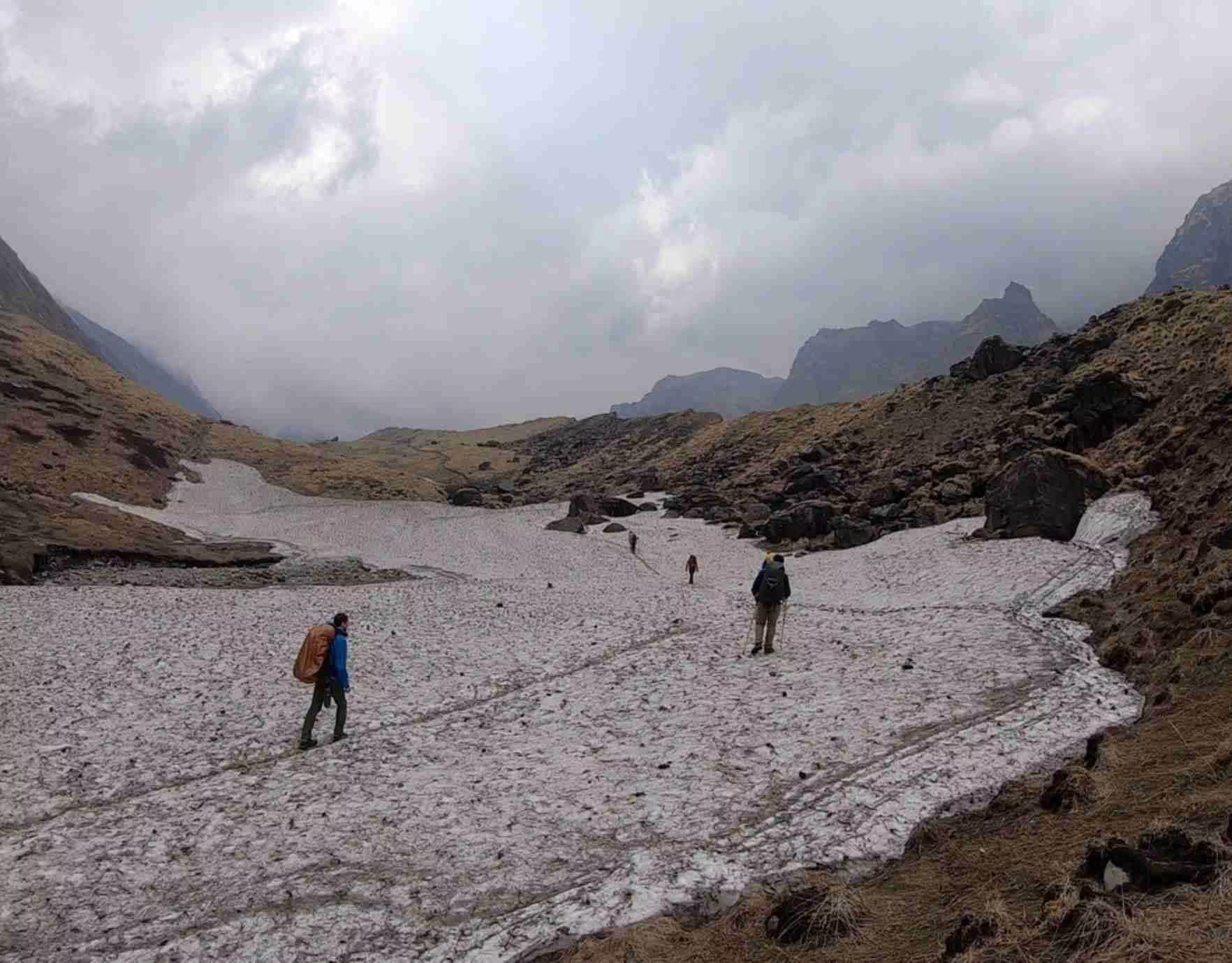
High pass crossing (5,360m) connects Gokyo Valley with Namche region via dramatic rocky trail. Unlike Cho La's glacier traverse, Renjo La features solid rock path reducing technical complexity though steep sections demand fitness and acclimatization.
Summit views reveal Gokyo Lakes below, Everest massif dominating horizons, and Rolwaling Himal westward creating 360-degree mountain panorama. Understanding Renjo La as scenic rather than technical challenge helps realistic preparation focusing on altitude and endurance over mountaineering skills.
Sherpa Culture and Villages
Traditional Sherpa villages including Namche Bazaar (Khumbu capital), Dole, Machhermo, and Gokyo maintain authentic mountain culture. Buddhist monasteries, prayer flags, mani walls, and chortens demonstrate active religious practices. Understanding Sherpa culture—historically Tibet-origin traders becoming famous mountaineers—enriches cultural appreciation.
Traditional architecture, agricultural practices, and yak herding continue despite tourism development. Respectful engagement creates meaningful cross-cultural exchanges beyond superficial tourist interactions.
Detailed Itinerary Breakdown
Days 1-2: Arrival and Lukla Flight
Kathmandu preparation includes permit arrangements and equipment checks. Scenic Lukla flight (30-35 minutes, weather permitting) provides dramatic mountain flying introduction. Trek begins gentle descent to Phakding (2,610m) alongside Dudh Koshi River.
Day 3: Phakding to Namche Bazaar
Six-seven hour trek ascends to Sherpa capital Namche Bazaar (3,440m). Suspension bridge crossings, first Everest glimpses (weather permitting), and entrance into Sagarmatha National Park mark significant milestones. Understanding Namche as crucial acclimatization stop and last major settlement before Gokyo.
Day 4: Namche Acclimatization
Essential rest day includes hike to Everest View Hotel (3,880m) providing altitude adaptation and first clear Everest, Lhotse, and Ama Dablam views. Understanding acclimatization importance prevents rushing risking altitude sickness.
Days 5-7: Namche to Gokyo via Dole and Machhermo
Route ascends Dudh Koshi valley through progressively higher villages. Dole (4,040m) and Machhermo (4,150m) provide overnight stops with gradual altitude gain. Final approach reaches Gokyo (4,750m) alongside spectacular third lake. Daily walking 5-7 hours over moderate terrain.
Day 8: Gokyo Ri and Lake Exploration
Predawn Gokyo Ri ascent (three hours up, two hours down) summits 5,357 meters for sunrise mountain panoramas. Afternoon explores additional Gokyo Lakes or rests preparing for Renjo La crossing. Understanding this as scenic climax and crucial acclimatization day.
Day 9: Gokyo to Renjo La Base or Marlung
Depending on itinerary variation, trek either camps near Renjo La base or crosses pass same day reaching Marlung. Early pass crossing typical requiring predawn start avoiding afternoon weather deterioration.
Days 10-13: Return via Namche and Lukla
Descent retraces classic route through Namche to Lukla. Flight returns Kathmandu with farewell dinner and departure preparations.
Physical Difficulty and Preparation
Moderate-to-Challenging Assessment
Trek demands good fitness for sustained daily walking 5-7 hours. Maximum elevation 5,360m at Renjo La creates significant altitude exposure though gradual ascent profile aids acclimatization. Understanding difficulty as less than Cho La Pass crossing but more than standard Gokyo-only trek helps realistic assessment.
Previous multi-day trekking experience beneficial. Renjo La crossing adds challenge though avoids technical glacier navigation making accessible to fit trekkers without mountaineering experience.
Altitude Considerations
Two nights above 4,500 meters and summit attempts exceeding 5,300 meters create moderate-high altitude exposure. Conservative itinerary includes Namche and Gokyo acclimatization days. Recognizing altitude sickness symptoms and accepting rest or descent when necessary prevents serious complications.
Proper hydration, conservative pacing, and altitude medications help adaptation. Understanding individual responses vary regardless of fitness encourages humble approach respecting altitude's unpredictable effects.
Best Trekking Seasons
Spring and Autumn Optimal
March-May spring offers warming temperatures and rhododendron blooms though pre-monsoon clouds develop late season. September-November autumn provides clearest mountain views and most stable weather. Both seasons ensure teahouse operations and optimal pass conditions.
Avoiding Monsoon and Winter
June-August monsoon brings clouds, rain, and dangerous high-altitude conditions. December-February winter features extreme cold though crystal-clear visibility for hardy trekkers willing accepting reduced services and challenging conditions. Understanding seasonal patterns crucial for safety and enjoyment.
Permits and Costs
Required Documentation
Sagarmatha National Park permit costs NPR 3,000. TIMS card NPR 2,000. Khumbu Pasang Lhamu permit NPR 2,000. Total approximately NPR 7,000 ($55-60 USD). Comprehensive insurance covering 6,000-meter helicopter evacuation mandatory.
Trek Budgeting
Organized 13-day treks typically $1,600-2,400 per person including permits, guide, porter, accommodation, meals, and Lukla flights. Independent trekking possible though guide services provide navigation security especially for Renjo La crossing.
Frequently Asked Questions
How does this compare to Everest Base Camp?
Less crowded, equally spectacular scenery, slightly more challenging due to Renjo La. Different perspective emphasizing lakes over glaciers. Perfect alternative avoiding EBC crowds while experiencing Khumbu region.
Is Renjo La technically difficult?
Physically demanding due to altitude and steepness though not technically challenging. No glacier crossing or ropes required. Solid rock trail though careful footing essential on steep sections.
Can I combine with Everest Base Camp?
Yes, creating comprehensive itinerary adding 4-5 days. Crosses Renjo La from Gokyo then continues via Cho La to EBC creating partial Three Passes experience.
What about crowds and teahouses?
Significantly fewer trekkers than EBC route. Adequate teahouse availability though less developed than Namche-EBC corridor. Peak season booking advisable.
Which provides better views—Gokyo Ri or Kala Patthar?
Different perspectives both spectacular. Gokyo Ri shows four 8,000m peaks simultaneously with lakes foreground. Kala Patthar closer Everest views. Many consider Gokyo Ri superior overall panorama.
Is acclimatization adequate?
Conservative itinerary with two acclimatization days aids adaptation. However, individual responses vary. Listening to body signals and accepting additional rest when needed essential.
What makes this trek special?
Combines turquoise alpine lakes, spectacular viewpoint (Gokyo Ri), challenging high pass, fewer crowds, and authentic Sherpa culture creating balanced experience showcasing Everest region diversity beyond mainstream EBC route.
No comments yet. Be the first to share your thoughts!