

Tihar, Nepal's second-largest festival after Dashain, transforms entire nation into sparkling wonderland of oil lamps, colorful rangoli patterns, and joyful celebrations.
Known as "Deepawali" or "Festival of Lights," this five-day Hindu celebration occurs during October-November (Kartik month) emphasizing humanity's sacred relationships with animals, nature, deities, and family bonds. Unlike singular focus festivals, Tihar's uniqueness lies in dedicating specific days honoring crows, dogs, cows, oxen, and siblings alongside goddess Laxmi creating comprehensive celebration of interconnected existence.
Religious significance centers on Goddess Laxmi (wealth and prosperity) and Lord Yama (death deity) with animals serving as divine messengers or manifestations. Philosophical foundation recognizes all beings' importance within cosmic order—from smallest creatures to family relationships deserving reverence and gratitude. This holistic worldview distinguishing Tihar from purely deity-focused festivals creates profound environmental and social harmony message resonating deeply within Hindu philosophy.
Participating in Tihar offers extraordinary cultural immersion experiencing authentic traditions including animal worship ceremonies, traditional Deusi Bhailo singing groups, elaborate home decorations, special festival foods, and intimate Bhai Tika sibling bonding rituals. Kathmandu's streets particularly transform into magical settings with countless oil lamps illuminating ancient architecture, families welcoming visitors with sweets, and youth groups performing traditional songs late into nights creating unforgettable festive atmosphere.
Understanding Tihar's Five Days and Spiritual Significance
Day One: Kaag Tihar (Crow Worship)
Festival begins honoring crows traditionally viewed as Yama's messengers carrying messages between living and dead. Early morning, families prepare food offerings placing them on rooftops, courtyards, or open spaces attracting crows. Traditional offerings include rice, lentils, sweets, and special preparations ensuring variety appealing to crow preferences. Crow's arrival and consumption of offerings signals auspicious beginnings and ancestral blessings.
Mythological associations link crows with departed souls visiting earthly realm. Feeding crows honors ancestors while seeking their protection and guidance. This practice demonstrates respect for natural world and spiritual dimensions recognizing animals as sacred intermediaries rather than mere creatures. Understanding these deeper meanings transforms simple bird feeding into profound spiritual practice.
Day Two: Kukur Tihar (Dog Worship)
Second day celebrates dogs—humanity's most loyal companions—honoring their unconditional love, protection, and spiritual significance as Yama's guardians. Morning ceremonies involve applying tika (vermillion mark) and marigold garlands on dogs regardless of ownership status. Street dogs, pets, police dogs, and working dogs all receive worship equally demonstrating universal reverence.
Special meals prepared for dogs including meat, milk, eggs, and nutritious foods acknowledge their service to human society. This day particularly resonates with animal lovers and foreigners finding profound beauty in culture honoring street animals often neglected elsewhere. Photographs of decorated dogs wearing flower garlands and tilak marks spread globally showcasing Nepal's unique animal reverence.
Beyond religious significance, Kukur Tihar raises awareness about animal welfare encouraging year-round compassion toward dogs. Many organizations use this day promoting adoption, vaccination drives, and humane treatment initiatives. Understanding how festival transcends ritual becoming vehicle for social change deepens appreciation for living traditions adapting to contemporary concerns.
Day Three: Gai Tihar and Laxmi Puja (Cow and Wealth Goddess Worship)
Third day holds supreme importance featuring cow worship morning and Goddess Laxmi puja evening. Cows receive elaborate decorations including colorful garlands, painted horns, and tika application while receiving special foods. Hindu philosophy venerates cows as sacred embodiments of divine motherhood and prosperity making their worship essential Tihar component.
Evening transforms into festival's spectacular climax as homes illuminate with countless oil lamps (diyo), candles, and electric lights welcoming Goddess Laxmi. Families spend days preparing through thorough cleaning, creating intricate rangoli patterns (colorful floor designs using colored powders, flowers, and grains), and decorating doorways with marigold chains. Belief holds that Laxmi visits clean, beautifully illuminated homes blessing them with prosperity year-round.
Laxmi puja ceremonies involve elaborate worship rituals, offerings of fruits, flowers, sweets, and prayers seeking wealth, health, and happiness. Business communities particularly emphasize this worship closing old account books and opening new ones symbolizing fresh financial beginnings. Understanding economic and spiritual dimensions interwoven in Laxmi worship reveals how Hindu philosophy integrates material prosperity with spiritual practice rather than opposing them.
Day Four: Govardhan Puja (Mountain and Oxen Worship)
Fourth day commemorates Lord Krishna lifting Govardhan mountain protecting villagers and cattle from devastating storms sent by jealous deity Indra. Morning involves creating cow dung mounds symbolizing Govardhan hill, decorating them with flowers, and circumambulating while offering prayers. Oxen (male cattle) receive worship acknowledging their agricultural labor essential for food production.
Regional variations exist with some communities emphasizing different mythological aspects or local traditions. Newar community particularly celebrates this as Mha Puja (self-worship) honoring one's own body and soul as divine temples deserving care and respect. This unique practice involves elaborate mandala creation, special food offerings, and introspective spiritual practices marking personal new year.
Day Five: Bhai Tika (Sibling Bond Celebration)
Festival culminates in Bhai Tika celebrating sacred brother-sister relationships. Sisters perform elaborate tika ceremonies for brothers involving multi-colored paste application (seven colors representing rainbow) on foreheads in specific patterns, flower garland exchanges, and special food offerings including boiled eggs, sweets, and festive meals. Sisters pray for brothers' long life, prosperity, and protection while brothers pledge protecting and supporting sisters throughout life.
Ceremony timing determined by auspicious astrology—specific hours when planetary alignments favor sibling blessings. Families gather from distant locations ensuring presence during this sacred moment strengthening family bonds across geographic separation. Those without biological siblings often establish ceremonial relationships with cousins or friends demonstrating festival's inclusive spirit transcending blood ties.
Traditional Practices and Cultural Activities
Deusi Bhailo: Musical House-Visiting Tradition
Unique Tihar feature involves youth groups performing Deusi Bhailo—traditional songs and dances visiting neighborhood houses evenings throughout festival. Male groups perform Deusi while female groups present Bhailo, though mixed groups increasingly common in contemporary practice. Songs contain blessings, well-wishes, and playful verses often improvised including household members' names and achievements.
Homeowners welcome groups with enthusiasm offering money, sel roti (traditional ring-shaped rice bread), fruits, sweets, and sometimes homemade alcohol for adult performers. Collected contributions often support community projects, youth club activities, or divided among group members. This tradition fosters community cohesion, preserves cultural songs, and creates joyful atmosphere filling nights with music and laughter.
Participating in or hosting Deusi Bhailo groups provides authentic cultural immersion impossible through observation alone. Learning traditional songs, understanding blessing meanings, and experiencing communal generosity creates memorable intercultural exchanges. Foreign visitors sometimes invited joining groups adding international dimension to traditional practice welcomed by progressive communities.
Special Festival Foods
Tihar features distinctive culinary traditions distinguishing it from other festivals. Sel roti—sweet ring-shaped rice bread deep-fried creating crispy exterior and soft interior—becomes festival symbol prepared in massive quantities for offerings and sharing. Making sel roti requires skill pouring rice batter in circular patterns into hot oil without breaking rings.
Other festival specialties include various sweets (mithai), special vegetable preparations, meat dishes for non-vegetarian families, and regional delicacies varying across Nepal's diverse ethnic communities. Trying authentic homemade festival foods surpasses commercial restaurant experiences showing true culinary traditions passed through generations.
Home Decoration and Rangoli Art
Artistic expressions flourish during Tihar through elaborate home decorations. Rangoli (called chowk puja in Nepali) involves creating intricate geometric or pictorial patterns using colored powders, rice flour, flower petals, and sometimes colored sand. Designs range from simple geometric shapes to elaborate depictions of deities, animals, or abstract patterns demonstrating artistic skill and devotion.
Oil lamp arrangements follow aesthetic and spiritual considerations creating pathways guiding Laxmi into homes. Traditional clay lamps filled with mustard oil and cotton wicks preferred though electric lights increasingly supplement traditional illumination. Balancing tradition with convenience characterizes contemporary festival celebrations adapting while maintaining core spiritual meanings.
Experiencing Tihar in Kathmandu
Best Locations for Festival Observation
Thamel Area: Tourist hub shows vibrant celebrations with illuminated shops, restaurants, and hotels. Deusi Bhailo groups frequent Thamel seeking tourist contributions. Commercial atmosphere less authentic than residential areas though convenient for visitors.
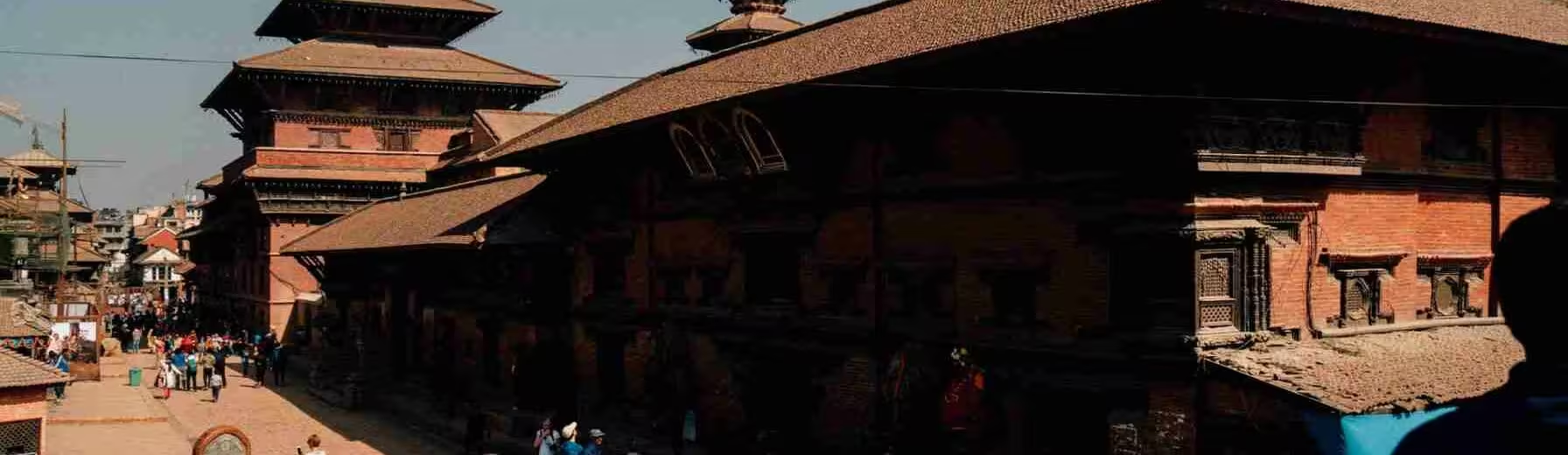
Basantapur Durbar Square: Ancient palace complex and surrounding traditional neighborhoods showcase authentic celebrations. Newari community's Mha Puja adds unique dimension. Historical architecture illuminated with traditional lamps creates magical atmosphere though crowds sometimes overwhelming.
Asan Market: Oldest commercial area shows traditional business community's elaborate Laxmi worship. Spice markets, gold shops, and traditional merchants create authentic festive environment. Narrow lanes filled with lights, decorations, and shopping crowds demonstrate living cultural traditions.
Swayambhunath (Monkey Temple): Evening visits during Laxmi puja show panoramic Kathmandu Valley illuminated with countless lights creating breathtaking views. Monkey temple's own decorations and Buddhist-Hindu syncretism add interesting dimensions. Steep stair climb rewarded with spectacular vistas.
Residential Neighborhoods: Authentic experiences occur in traditional residential areas like Patan, Kirtipur, or Bhaktapur where families maintain traditional practices without tourist influences. Respectful visitors sometimes invited observing or participating in household ceremonies experiencing genuine hospitality.
Timing and Duration
Festival spans five days though peak celebrations occur Days 3-5 (Laxmi Puja through Bhai Tika). Evening hours (6:00 PM-10:00 PM) show maximum activity with illuminations, Deusi Bhailo groups, and family gatherings. Planning visits during these peak times maximizes cultural exposure though daytime activities including animal worship ceremonies also significant.
Photography and Cultural Sensitivity
Excellent photographic opportunities abound—decorated animals, illuminated homes, rangoli patterns, Deusi Bhailo performances, and family ceremonies. However, maintaining respectful behavior essential. Always requesting permission before photographing people or entering private spaces. Understanding that sacred ceremonies require reverence preventing intrusive photography disrupting spiritual practices.
Practical Festival Experience Information
What's Typically Included in Organized Tours
Guided Cultural Tours: Professional guides explain festival significance, mythological backgrounds, and traditional practices enriching understanding beyond surface observation. Transportation to multiple viewing locations maximizes exposure to different festival aspects within limited time.
Sweet Tasting Experiences: Sampling traditional Tihar foods including sel roti, various mithai, and regional specialties provides culinary cultural education. Guides often arrange visits to local homes or traditional sweet shops ensuring authentic flavors.
Deusi Bhailo Participation: Some tours arrange joining local performing groups or hosting groups at designated locations allowing active participation rather than passive observation. Learning traditional songs and understanding blessing meanings deepens engagement.
Evening Illumination Tours: Visiting multiple neighborhoods during peak illumination hours shows varied decoration styles and celebration intensities across different communities. Vantage points like Swayambhunath provide panoramic city views during festival nights.
Safety and Practical Considerations
Large crowds gather at popular locations requiring situational awareness and securing belongings. Evening festivities sometimes involve alcohol consumption creating need for caution particularly for solo travelers. Staying with organized groups or trusted guides enhances safety while ensuring appropriate cultural behavior.
Traffic increases during festival as families travel between locations creating transportation challenges. Advance taxi booking or relying on tour transportation prevents frustration. Many shops and restaurants close early during peak festival days requiring meal planning.
Accommodation and Advance Planning
Hotels fill quickly during Tihar particularly in Kathmandu and Pokhara requiring advance booking. Prices increase during festival period though availability matters more than cost given limited options. Some guesthouses and hotels arrange special Tihar celebrations for guests providing convenient cultural experiences.
Frequently Asked Questions
When exactly is Tihar celebrated?
Dates vary annually following lunar calendar occurring late October or November. 2026 tentative dates: October 29-November 2. Checking specific year dates essential for planning.
Can tourists participate in celebrations?
Yes, Tihar among Nepal's most welcoming festivals. Animal worship ceremonies occur publicly allowing observation. Deusi Bhailo groups welcome respectful foreign participation. Some families invite tourists joining household Laxmi puja or Bhai Tika ceremonies creating memorable intercultural exchanges.
Is Tihar celebrated throughout Nepal?
Primarily Hindu communities celebrate though regional variations exist. Kathmandu Valley shows strongest traditions. Terai regions near India show similar celebrations. Predominantly Buddhist areas observe minimally though Kathmandu's diversity ensures vibrant celebrations regardless of dominant religion.
What should I wear during Tihar?
Respectful modest clothing covering shoulders and knees appropriate for religious contexts. Traditional attire welcomed though not required. Comfortable walking shoes essential for evening neighborhood explorations. Bringing flashlight helps navigating dimly lit traditional areas.
Can I feed/worship animals if not Hindu?
Animal welfare transcends religious boundaries. Respectfully participating in dog or cow worship welcomed regardless of personal faith. Understanding cultural significance while appreciating universal animal reverence values creates meaningful participation without religious conversion.
What's difference between Diwali and Tihar?
Both celebrate similar themes during same lunar period but Tihar's unique five-day animal worship sequence, Deusi Bhailo traditions, and Bhai Tika emphasis distinguish it from Indian Diwali's different mythological focus and celebration patterns.



No comments yet. Be the first to share your thoughts!