
If you enjoy running, gym workouts, hiking, cycling, CrossFit, or outdoor activities, the Everest Base Camp Trek is probably already on your adventure bucket list.
One of the most common questions fitness enthusiasts ask before booking is:
"How fit do I need to be for the Everest Base Camp Trek?"
The good news is that you do not need to be an elite athlete or professional mountaineer to reach Everest Base Camp. However, good fitness can significantly improve your experience and help you enjoy the journey through Nepal's spectacular Himalayas.
The 14-Day Everest Base Camp Trek with Mountain Routes is designed to give trekkers enough time to acclimatize while gradually progressing toward Everest Base Camp and Kala Patthar.
Is Everest Base Camp Trek Hard for Fit People?
The Everest Base Camp Trek is considered challenging, but physical fitness alone does not determine success.
Many gym-goers are surprised to learn that altitude often becomes a bigger challenge than fitness.
Even highly active individuals can experience:
● Shortness of breath
● Slower walking pace
● Fatigue at higher elevations
● Mild altitude-related symptoms
The trek reaches:
● Everest Base Camp: 5,364m (17,598 ft)
● Kala Patthar: 5,540m (18,176 ft)
At these elevations, oxygen levels are significantly lower than at sea level.
The key to success is combining fitness with proper acclimatization and pacing.
What Fitness Level Is Required?
Most healthy individuals with moderate fitness can complete the Everest Base Camp Trek.
You should be comfortable with:
● Walking 6 to 7 hours per day
● Consecutive days of physical activity
● Climbing uphill for extended periods
● Carrying a light daypack
● Trekking on uneven terrain
The total trekking distance is approximately 160 kilometers over the course of the journey.
Unlike a marathon or a sprint, the Everest Base Camp Trek is an endurance challenge that rewards consistency rather than speed.
Why Fitness Enthusiasts Love the Everest Base Camp Trek
A Real Physical Challenge
Many fitness enthusiasts spend months training in gyms and fitness centers.
The Everest Base Camp Trek allows you to put that fitness into practice in one of the world's most iconic outdoor environments.
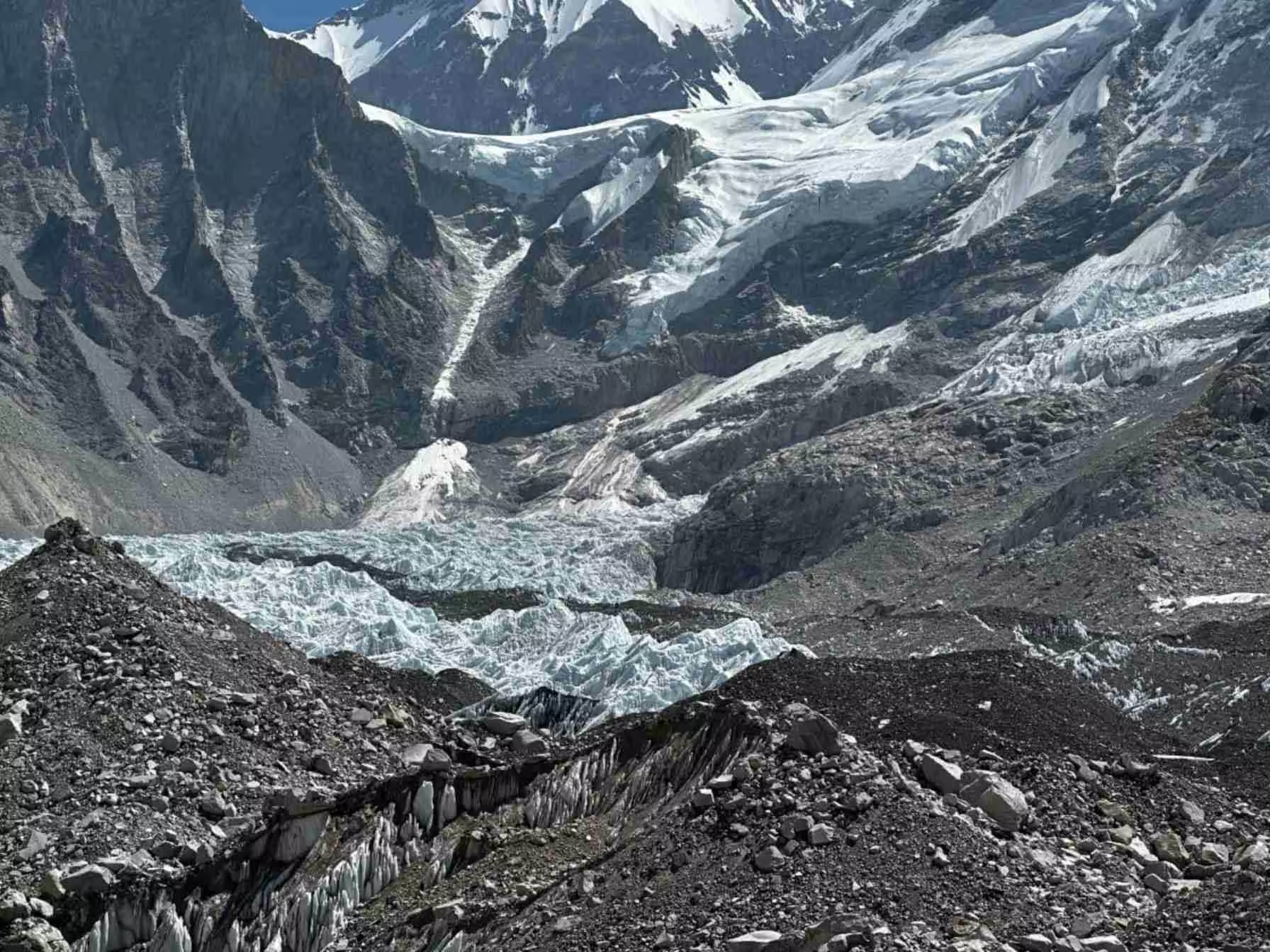
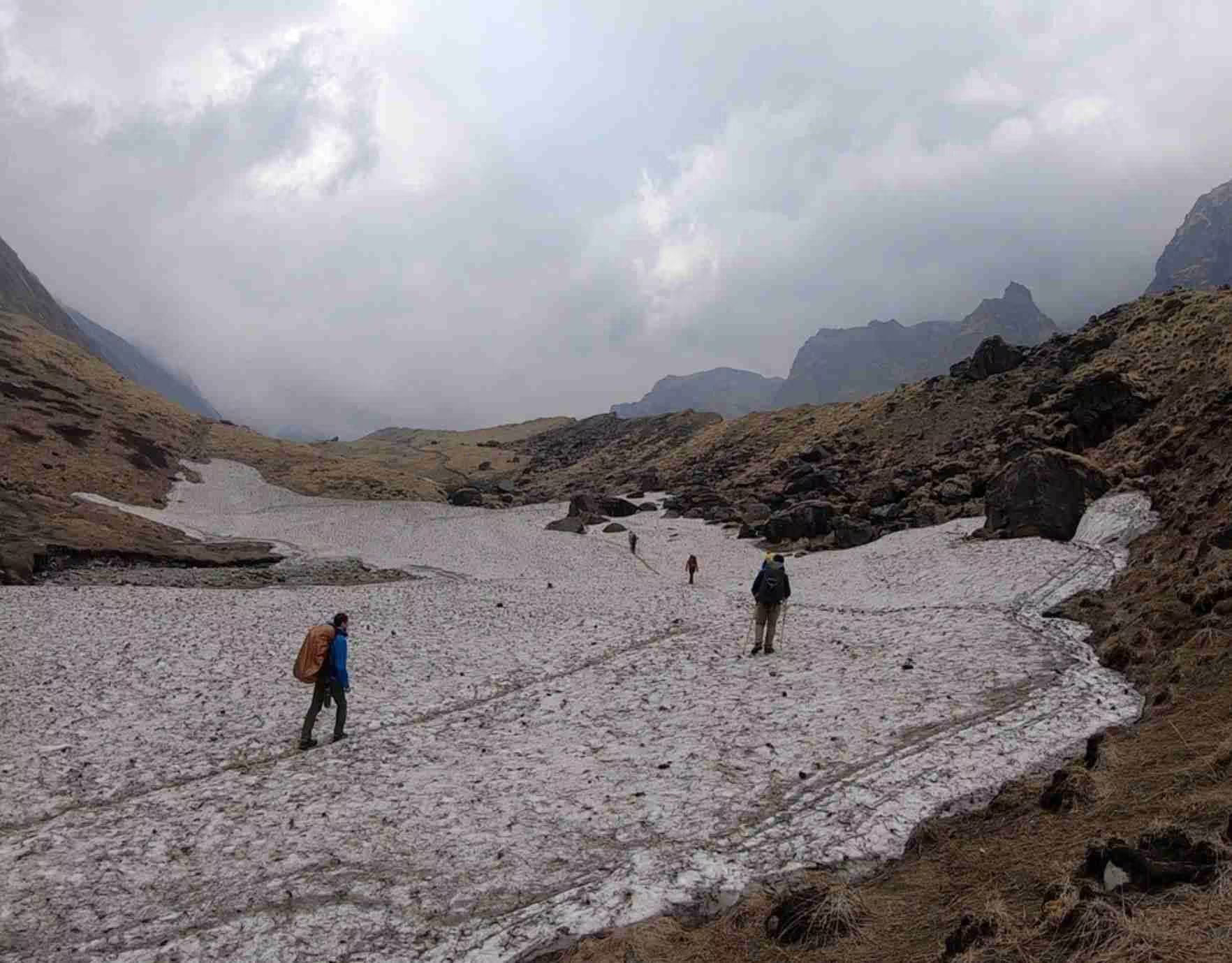
Every day presents a new challenge, from steep climbs and suspension bridges to glacier landscapes and high-altitude trails.
Incredible Sense of Achievement
Reaching Everest Base Camp is more than just completing a trek.
Standing at 5,364 meters beneath the world's highest mountain creates a sense of accomplishment few travel experiences can match.
Spectacular Himalayan Scenery
The trail passes through some of Nepal's most beautiful landscapes.
Highlights include:
● Namche Bazaar
● Tengboche Monastery
● Dingboche
● Lobuche
● Gorak Shep
● Everest Base Camp
● Kala Patthar
Along the route, you'll enjoy incredible views of:
● Mount Everest
● Ama Dablam
● Lhotse
● Nuptse
● Thamserku
How Should You Train for Everest Base Camp?
The best preparation focuses on endurance rather than maximum strength.
Walking and Hiking
The most effective training is regular walking and hiking.
Aim for:
● 8–15 km walks several times per week
● Weekend hikes with elevation gain
● Gradually increasing distance over time
Stair Climbing
Stair workouts help simulate uphill trekking conditions.
This is especially useful if you live in a flat area.
Cardiovascular Training
Activities such as:
● Running
● Cycling
● Swimming
● Rowing
help improve endurance and cardiovascular efficiency.
Strength Training
Focus on:
● Legs
● Core
● Back
● Stability exercises
Strong muscles help reduce fatigue during long trekking days.
Practice With a Backpack
Training with a loaded backpack helps prepare your body for carrying water, snacks, and personal gear during the trek.
How Long Should You Train Before the Trek?
For most people, 6 to 8 weeks of preparation is sufficient.
If you already maintain an active lifestyle, you may need less preparation.
A simple weekly training plan could include:
● 3 cardio sessions
● 2 strength workouts
● 1 long walk or hike
● Daily mobility and stretching
Consistency matters more than intensity.
Can Gym Enthusiasts Complete the Trek?
Absolutely.
Many trekkers come from gym and fitness backgrounds.
However, gym strength does not automatically translate into trekking endurance.
A person who can deadlift heavy weights may still struggle with multiple days of uphill hiking if they have not trained their endurance.
The ideal preparation combines:
● Strength
● Endurance
● Mobility
● Hiking-specific conditioning
What Makes the Mountain Routes Itinerary Safer?
One of the biggest mistakes trekkers make is choosing an itinerary that ascends too quickly.
The Mountain Routes 14-Day Everest Base Camp Trek includes important acclimatization days:
Day 4: Namche Bazaar Acclimatization
A hike to Everest View Hotel helps your body begin adapting to higher elevations.
Day 7: Dingboche Acclimatization
A climb toward Nangkartshang Peak prepares you for the higher sections of the route.
These acclimatization days significantly improve safety and comfort.
What Is a Typical Trekking Day Like?
A standard day on the Everest Base Camp Trek usually looks like:
● Breakfast at the teahouse
● 5 to 7 hours of trekking
● Lunch along the trail
● Arrival at the next village
● Rest and recovery
● Dinner with the group
The pace remains steady and manageable rather than rushed.
This approach helps maintain energy while allowing your body to adapt to altitude.
What Is Included in the Everest Base Camp Package?
The Mountain Routes 14-Day Everest Base Camp Trek includes:
● Kathmandu–Lukla–Kathmandu flights
● Sagarmatha National Park permits
● Experienced English-speaking guide
● Porter support
● Breakfast, lunch, and dinner
● Accommodation during the trek
● Hotel accommodation in Kathmandu
● First aid support
● Government taxes
● Farewell dinner
● Mountain Routes T-shirt
Our team handles all logistics so you can focus on enjoying the adventure.
Best Time for Fitness Enthusiasts to Trek
Spring (April and May)
Spring offers:
● Mild temperatures
● Blooming rhododendrons
● Clear mountain views
Autumn (October and November)
Autumn provides:
● Stable weather
● Crisp air
● Excellent visibility
Both seasons offer ideal trekking conditions for active travelers.
Everest Base Camp Trek Cost
The Regular Everest Base Camp Trek Package starts from USD $1,699 per person.
Group discounts are available for friends, gym partners, hiking groups, and adventure clubs looking to experience the Himalayas together.
Final Thoughts
If you're a fitness enthusiast looking for a challenge beyond the gym, the Everest Base Camp Trek is one of the most rewarding adventures in the world.
The trek does not require elite athletic ability, but it does reward preparation, consistency, and determination.
With proper training, safe acclimatization, and the support of experienced Mountain Routes guides, reaching Everest Base Camp becomes an achievable goal for many active travelers.
Your next fitness milestone might not be another race, workout, or personal record—it could be standing at the foot of Mount Everest surrounded by the highest mountains on Earth.
No comments yet. Be the first to share your thoughts!