
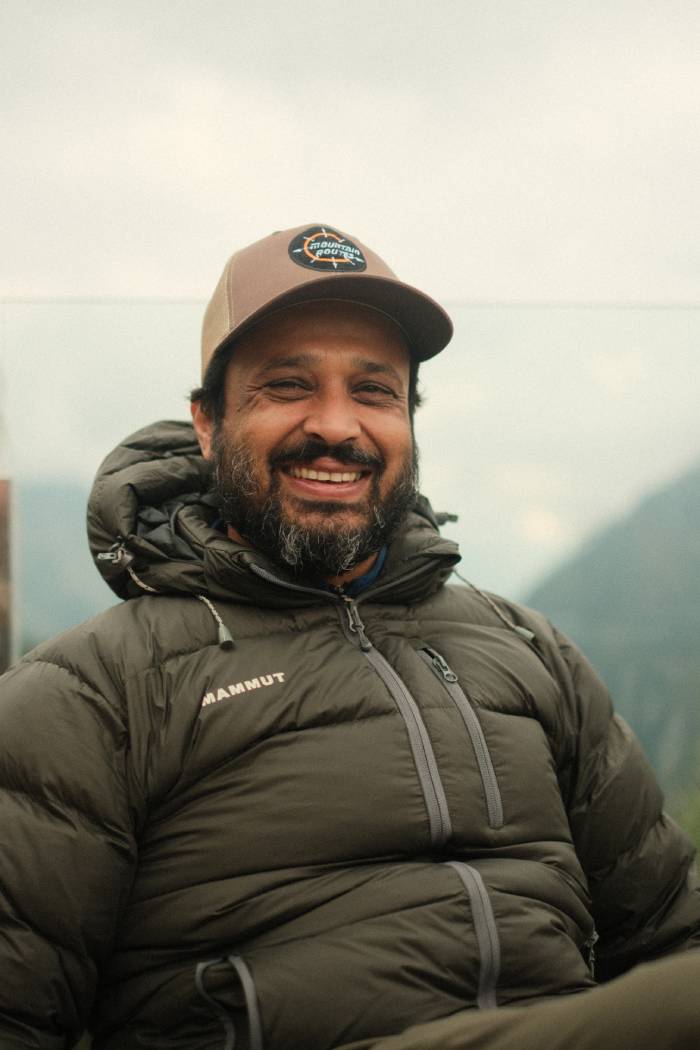
Namje village represents Nepal's hidden treasure earning international recognition on CNN's "12 Best Places" list despite remaining largely unknown to mainstream tourism.
Located in eastern Nepal's Sankhuwasabha district, this remote Magar community offers authentic cultural immersion impossible in commercialized destinations. Spectacular mountain views including Everest and Makalu, pristine natural attractions, and genuine village hospitality create unforgettable experiences. Stephanie Odegard, whose visit prompted CNN listing, described feeling never having left home given the Magar people's warmth and spiritual connection to nature.
Understanding Namje's Appeal and Geography
Remote Location and Access
Namje sits in eastern Nepal accessible via flight to Biratnagar followed by road journey into hill country. Distance from major tourist circuits preserved traditional culture and unspoiled landscapes most Nepal destinations lost through development. Limited visitor numbers mean genuine interactions rather than transactional tourism relationships. This remoteness challenges accessibility but rewards adventurous travelers seeking authentic experiences.
CNN Recognition and International Attention
International media recognition transformed obscure village into aspirational destination for cultural travelers. CNN's listing highlighted authentic village life, spiritual atmosphere, and natural beauty representing Nepal beyond Everest trekking. Stephanie Odegard's enthusiastic endorsement particularly emphasized Magar people's nature connection and spiritual practices. However, increased attention raises concerns about preserving authenticity while accommodating visitor interest.
Magar Culture and Community
Magar people constitute one of Nepal's largest indigenous ethnic groups maintaining distinct language, customs, and traditions. Traditionally warriors and farmers, Magars maintain strong community bonds and nature-based spiritual practices. Visitors observing daily village life witness agricultural cycles, religious ceremonies, and social customs continuing across generations. Understanding Magar cultural identity enriches appreciation beyond superficial village tourism.
Natural Attractions and Scenic Highlights
Mountain Panoramas
Clear weather reveals extraordinary Himalayan views including Mount Everest (8,849m) world's highest peak and Mount Makalu (8,485m) fifth-highest summit. These distant giants appear on northeastern horizons creating dramatic backdrop to village activities. Understanding geographic positioning allows appreciating how eastern Nepal's lower elevations still provide spectacular high mountain visibility. Optimal viewing seasons (October-November, March-April) combine clear skies with comfortable temperatures.
Thumki Hill
Local hilltop viewpoint provides panoramic valley and mountain vistas accessible through moderate hiking. Morning and evening light create particularly beautiful conditions for photography and contemplation. Community considers Thumki spiritually significant hosting occasional religious ceremonies. Respectful visitors welcome though maintaining appropriate behavior near sacred sites.
Tamor River
Major river system flows through region supporting agriculture, transportation, and cultural life. Pristine waters originate from high Himalayan glaciers creating powerful currents and scenic gorges. Rafting opportunities exist for adventure seekers though requiring proper planning and safety equipment. Understanding river's life-giving importance to communities creates appreciation beyond recreational value.
Namaste Jharana (Waterfall)
Natural waterfall accessible via forest trails provides refreshing swimming and picnicking destination. Local name "Namaste Jharana" reflects friendly greeting welcoming visitors to natural sanctuary. Monsoon season brings maximum water flow creating powerful displays though also increasing trail difficulty. Dry season offers easier access though reduced water volume.
Raja Rani Lake
Scenic lake supports boating activities and lakeside relaxation. Local legends surround lake's formation and naming adding cultural dimensions to natural beauty. Boat rides provide peaceful water perspectives and potential wildlife observations including waterfowl and aquatic species. Understanding lake as community resource rather than mere tourist attraction encourages environmental respect.
Accommodation and Cultural Immersion
Homestay Experiences
Staying with Magar families provides profound cultural immersion impossible in hotels. Families welcome guests into daily routines—sharing meals, agricultural work, and evening conversations. Simple accommodations feature basic rooms, shared facilities, and home-cooked traditional meals. Accepting rustic conditions as authentic cultural experience rather than substandard service creates appropriate mindset.
Lodge Options
Basic guesthouses exist for visitors preferring more privacy or personal space. Facilities remain simple though providing private rooms and sometimes attached bathrooms. Meals still feature traditional Magar cuisine supporting local food culture. Understanding that even lodge stays maintain community connections differentiates from urban hotel isolation.
Cultural Exchange Opportunities
Language barriers exist though genuine interest and patience facilitate meaningful communication. Learning basic Nepali phrases shows respect and facilitates interactions. Participating in daily activities—helping with farming, cooking, or craft work—creates bonds beyond mere observation. Understanding that cultural exchange flows both directions enriches experiences for hosts and guests.
Five-Day Itinerary Overview
Day 1: Kathmandu to Namje via Biratnagar Morning flight to Biratnagar followed by scenic drive through eastern hills reaching Namje afternoon. Evening allows settling into accommodation and initial village exploration. Welcome dinner introduces traditional Magar cuisine and hospitality.
Day 2: Namje Village Exploration Full day discovering village surroundings including Thumki Hill sunrise, waterfall visit, and agricultural area walks. Afternoon Raja Rani Lake boating and relaxation. Evening cultural program potentially featuring traditional music or dance.
Day 3: Namje to Mulghat Departing Namje allows experiencing additional villages and landscapes during journey to Mulghat. Route passes through terraced farmland and forest areas. Overnight at Mulghat provides different community perspective.
Day 4: Mulghat to Dharan via Barahachetra River rafting Tamor River combines adventure with scenic transportation. Arriving Barahachetra allows visiting important Hindu pilgrimage site before continuing Dharan. Urban Dharan contrasts with previous days' rural immersion.
Day 5: Dharan to Kathmandu via Biratnagar Return journey reverses initial route with road to Biratnagar and flight to Kathmandu. Transition from remote village to capital creates reflection opportunity about experiences and cultural contrasts.
Practical Travel Information
Best Seasons: Year-round visitation possible though October-November and March-April provide clearest mountain views and comfortable temperatures. August-October monsoon tail end shows lush landscapes. Winter (December-February) brings cold nights though pleasant days.
Difficulty Level: Moderate requiring reasonable fitness for hill walking and village exploration. Cultural adaptability more important than physical prowess. Flexibility with basic conditions essential.
Costs: Complete five-day package approximately $400-600 per person including domestic flights, ground transportation, accommodation, meals, guides, and activities. Customization affects pricing.
What to Bring: Comfortable walking shoes, layers for temperature variation, modest culturally-appropriate clothing, basic toiletries, camera, cash for personal purchases, and open-minded attitude.
Group Sizes: Private tours or small groups (4-8 participants) allow personalized pacing and deeper community interactions. Larger groups overwhelm village hosting capacity.
Frequently Asked Questions
Why visit Namje instead of famous destinations?
Authentic cultural experiences impossible in commercialized areas. CNN recognition validates quality though visitor numbers remain manageable. Supporting lesser-known communities distributes tourism benefits more equitably.
How does homestay differ from hotel?
Living with families provides cultural immersion, traditional meals, and genuine interactions. Accommodations basic but hospitality exceptional. Understanding homestay as cultural exchange rather than mere lodging creates appropriate expectations.
Can I customize this itinerary?
Absolutely, extending stays, adding activities, or combining with other eastern Nepal destinations all possible. Communication with tour operators ensures personalized experiences matching interests and schedules.
Is Namje suitable for families?
Yes, though children's adaptability to basic conditions and cultural differences important. Village environments generally safe and welcoming. Assessing individual family capabilities guides decisions.
How do I respect local culture?
Dress modestly, ask permission before photographing, learn basic greetings, participate genuinely in offered activities, and maintain realistic expectations about amenities. Understanding cultural differences as enriching rather than frustrating prevents misunderstandings.
What makes this experience special?
Combination of international recognition, pristine natural beauty, authentic culture, and minimal tourist infrastructure creates rare opportunity experiencing Nepal as it existed before mass tourism transformation.

No comments yet. Be the first to share your thoughts!