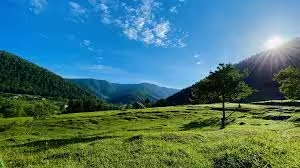
Chitlang Valley represents hidden gem southwest of Kathmandu offering authentic rural experience within day-trip distance.
This ancient settlement served as crucial waypoint on historic trade route connecting Terai plains to Kathmandu Valley before modern road construction. Today, hikers discover peaceful agricultural community maintaining traditional lifestyles, organic farming practices, and historical architecture surviving despite devastating 2015 earthquake damage.
Journey combines multiple attractions—Chandragiri hill's Bhaleshwor temple and panoramic views, forest trail hiking through rhododendron and oak forests, exploration of Chitlang's ancient monuments and water systems, fresh organic produce tasting including famous goat cheese and pears, and optional extension to Indrasarovar (Markhu) reservoir. Whether completing full hiking route (6-7 hours) or using cable car shortcut reducing walking to 2 hours, this destination rewards visitors with authentic cultural immersion and scenic mountain landscapes.
Located in Makawanpur district though accessible from Kathmandu within 2-3 hours, Chitlang occupies fertile valley sustaining vegetable cultivation and fruit orchards irrigated by natural streams. Understanding valley's agricultural importance and historical trade route significance contextualizes contemporary visit within broader regional development narrative spanning centuries.
Route Options and Trail Description
Full Hiking Route via Thankot
Traditional hiking begins at Thankot Godam (Kathmandu Valley's southwestern gateway) ascending stone steps and jungle trails toward Chandragiri ridge. Two route variations exist—newly constructed bumpy motor road or steeper forest shortcut. Most hikers choose forest route despite increased difficulty for shade, natural beauty, and reduced vehicle dust.
Initial climb requires sustained uphill effort gaining approximately 800 meters elevation over 2-3 hours reaching Chandragiri pass (2,551m). Trail passes through dense forests where oak, pine, and rhododendron create layered ecosystems. Spring months bring spectacular rhododendron blooms painting hillsides pink and red. Bird songs and occasional wildlife sightings reward attentive observers.
Reaching Chandragiri ridge allows rest and temple visit before continuing Chitlang descent. Total hiking time Thankot to Chitlang approximately 6-7 hours depending on pace, fitness, and rest frequency. This full route suits experienced hikers seeking physical challenge combined with cultural destination.
Cable Car Shortcut Option
Chandragiri Cable Car (opened 2016) provides convenient alternative ascending from Thankot to Chandragiri hill station in 9 minutes. This option particularly suits families with young children, elderly visitors with limited mobility, or those preferring reducing physical exertion while still experiencing Chitlang's cultural attractions.
Cable car operates daily (weather permitting) with fees approximately NPR 1,000-1,500 for foreigners round trip. From upper station, 2-hour downhill walk to Chitlang follows vehicle road initially before transitioning to footpaths through agricultural terraces. This abbreviated hiking maintains scenic enjoyment while eliminating strenuous uphill sections.
Chandragiri Hill and Bhaleshwor Temple
Mountain Panorama
Clear weather reveals extraordinary Himalayan views from Chandragiri ridge including Langtang range, Ganesh Himal, Manaslu, and Jugal Himal. Dorje Lakpa's distinctive pyramid appears prominently northeast. Southern perspectives show Kathmandu Valley sprawling below demonstrating urban development contrasts with surrounding mountains. Understanding geographic relationships between valley, hills, and high Himalayas provides spatial orientation rarely achieved from valley floor.
Bhaleshwor Mahadev Temple
Ancient Shiva temple occupies hilltop position where pilgrims have worshipped for centuries. Modern reconstruction following earthquake damage maintains traditional architecture while incorporating structural improvements. Temple courtyard offers 360-degree views making it popular photography location beyond religious significance.
Daily worship continues with priests performing morning and evening aarti ceremonies. Visitors welcome observing though maintaining respectful behavior and modest dress. Understanding temple as active religious site rather than mere viewpoint prevents inappropriate conduct. Major festivals particularly Shivaratri bring large pilgrim crowds.
Chitlang Valley: History and Culture
Ancient Trade Route Importance
Before road construction connected Kathmandu with Terai plains, Chitlang served as essential stopover on arduous mountain crossing. Traders carrying goods between lowland markets and highland cities rested here replenishing supplies and sheltering from weather. Understanding this historical function explains why substantial traditional infrastructure developed in relatively small valley.
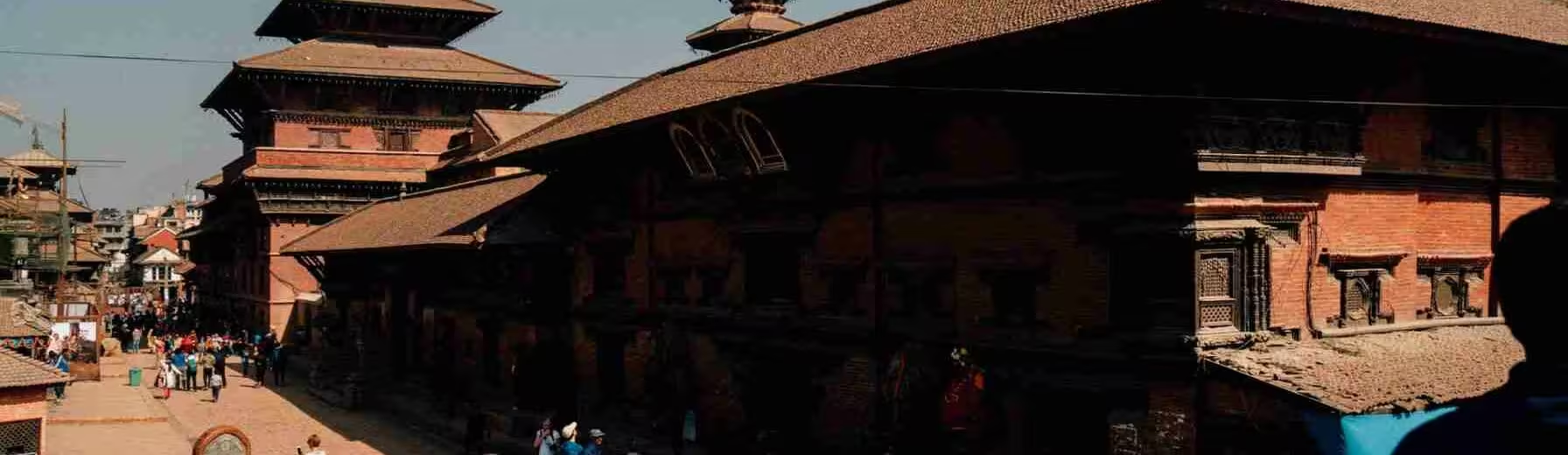
Stone-paved paths (often called "British roads" though predating British involvement), rest houses (pati pauwa), and water spouts demonstrate sophisticated medieval infrastructure supporting trade movement. Though modern roads bypassed valley creating economic decline, this isolation paradoxically preserved traditional character increasingly rare in developed areas.
Traditional Architecture and Earthquake Impact
Traditional Newar-style houses featuring intricate woodcarving, brick construction, and three-story designs once dominated Chitlang. Tragically, 2015 earthquake destroyed or severely damaged many historic structures. Remaining examples and careful reconstruction efforts preserve architectural heritage though village appearance permanently altered.
Walking through settlement reveals both destruction's lingering effects and community resilience rebuilding lives. Stone water spouts continue providing community water access. Small temples and monuments receive ongoing maintenance. Understanding earthquake's devastating impact creates appreciation for reconstruction efforts and community perseverance.
Living Museum: Water Turbines and Traditional Technology
Chitlang maintains traditional water-powered grain mills (ghatta) utilizing stream flow turning millstones grinding wheat and millet. These simple yet effective technologies demonstrate pre-industrial engineering solving practical needs through renewable energy. Some families still operate these mills processing locally grown grains maintaining centuries-old practices.
Observing functioning water turbines provides tangible connection to sustainable technologies predating modern mechanization. Understanding these systems' continued relevance despite electrical grinding alternatives reveals cultural values maintaining traditional knowledge and environmental consciousness.
Agricultural Landscape and Local Products
Organic Farming Practices
Fertile valley soil and reliable water availability support diverse agriculture. Terraced fields grow vegetables including cauliflower, cabbage, potatoes, and various greens. Small orchards produce pears—Chitlang's signature fruit—along with peaches and plums. Traditional farming methods minimizing chemical inputs produce organic crops commanding premium prices in Kathmandu markets.
Observing agricultural activities—plowing with oxen, hand planting, irrigation management—demonstrates labor-intensive practices sustaining rural communities. Understanding farming as livelihood foundation rather than tourist attraction encourages respectful observation and appreciation for agricultural work's difficulty.
Goat Cheese Production
Chitlang achieved fame for goat cheese production uncommon in Nepal where dairy traditionally means buffalo or cow milk. Several families maintain goat herds producing fresh cheese sold locally and transported to Kathmandu specialty shops. Tasting locally-made cheese at family farms provides authentic culinary experience while directly supporting producers.
Cheese quality varies by producer and season though generally fresh, creamy, and mild-flavored. Pairing cheese with fresh bread or local fruits creates memorable simple meal. Understanding cheese production's relative newness (introduced within recent decades) shows community adaptability developing niche products creating economic opportunities.
Farm-Fresh Dining Experiences
Several homestays and small restaurants serve meals featuring locally-sourced ingredients. Dal bhat incorporating just-picked vegetables tastes remarkably fresh compared to city versions. Seasonal fruit desserts and fresh dairy products enhance culinary appeal. Understanding Chitlang as agricultural community transforms dining from mere sustenance into farm-to-table experience connecting visitors with food production.
Indrasarovar (Markhu) Lake Extension
Reservoir Background
Indrasarovar, commonly called Markhu, constitutes artificial reservoir created by damming Kulekhani River for hydroelectric power generation. Located approximately 2 hours walking from Chitlang, this lake provides scenic extension for visitors with extra time. Surrounded by forested hills, the peaceful water body attracts both picnickers and anglers.
Activities and Attractions
Boat rides available renting small vessels or larger tourist boats. Fishing permitted with local licenses attracting sport fishermen seeking carp and other species. Lakeside restaurants serve fish dishes featuring fresh catches prepared various styles. Walking trails around portions of shoreline provide gentle exercise with water views.
Understanding lake as working hydroelectric facility serving regional power needs contextualizes recreational use within broader infrastructure purposes. Balancing development needs with environmental preservation and tourism potential represents ongoing challenge Kulekhani area navigates.
Practical Visiting Information
Duration: Full-day trip (leaving early morning, returning evening) or overnight allowing relaxed exploration and sunrise viewing.
Best Seasons: October-November (clear views, harvest season), March-May (blooming flowers, comfortable temperatures). Monsoon (June-August) creates muddy trails though lush landscapes. Winter (December-February) cold but clear.
Difficulty: Moderate to challenging if hiking full route from Thankot. Cable car option reduces to easy-moderate with 2-hour downhill walk.
Costs: Day trip packages approximately $60-100 including transportation, guide, cable car (if chosen), meals, and Indrasarovar boat ride. Overnight stays add accommodation costs (NPR 1,500-3,000 for homestay or guesthouse).
What to Bring: Sturdy hiking shoes, layers for temperature variation, sun protection, water bottles (refill at natural sources), camera, cash for local purchases, and backpack for carrying supplies and souvenirs.
Accommodation: Simple homestays with local families provide authentic experiences. Basic guesthouses offer private rooms. Expect rustic conditions—shared bathrooms, limited electricity, basic meals—though warm hospitality compensates material simplicity.
Frequently Asked Questions
Can I visit Chitlang without hiking?
Yes, using cable car to Chandragiri then driving to Chitlang via motor road eliminates hiking entirely. However, walking portion enhances appreciation for valley's peaceful character and allows closer nature contact.
Is Chitlang suitable for families with children?
Absolutely, especially using cable car option reducing walking. Village's safe environment, farm animals, and natural surroundings engage children. However, assess individual children's hiking ability for full trail route.
What makes Chitlang different from other villages?
Historical trade route significance, organic farming focus, goat cheese production, and relative accessibility while maintaining authentic character distinguish Chitlang. Less developed than tourist-heavy destinations creating genuine rural experience.
Can I buy organic produce directly from farmers?
Yes, many families sell vegetables, fruits, and cheese directly. Bringing cash and reusable bags facilitates purchases. Supporting local producers economically benefits community while ensuring fresh quality products.
Is overnight stay worthwhile?
Overnight allows experiencing village morning and evening rhythms—farmers heading to fields, children walking to school, animals being tended. Sunrise valley views and unhurried exploration justify additional time for those with flexible schedules.
How is mobile connectivity?
Limited cellular coverage though major providers have some signal. Expecting digital disconnection transforms potential frustration into opportunity for genuine present-moment engagement with surroundings and companions.

No comments yet. Be the first to share your thoughts!