

Selecting the best time for Annapurna Circuit Trek is a tough job. It comes to your planning, weather, holiday duration, world geography and politics and finally your willingness to spen(budget).
Annapurna Circuit trek is one of the moderate treks that lies under the shadow of the majestic Annapurna Massif. Seasons have its direct influence here.
It is best for you to trek in seasons which offer you the clear visibility, good trail conditions and favorable weather that is adaptable to your body.
For beginners, the best seasons are spring (March to May) and autumn (mid-September to November).
The weather is stable, temperatures are moderate, and the trails are at their safest at these two seasonal windows.
You will get to witness clear skies, excellent visibility, and manageable trekking conditions.
So, it is very important for every trekker to understand its demands, especially if you're considering trekking the Annapurna Circuit as a beginner.
Why choosing the right season is important for the Annapurna Circuit Trek ?
The weather at Annapurna Circuit keeps on changing. But there are some special seasons that make the best choice for trekkers to march forward for this destination.
The best choice definitely gives the best views. There are several advantages for why one needs to choose the right season for Annapurna Circuit trek. We have listed the reasons below:
- Trekking on the right season offers the best clear views of the Circuit. It gives the perfect chance for perfect shots or say photography.
- The weather is adaptable. Your body can adjust compared to the other off-season treks, if you trek during peak seasons.
- You will find the dry stable paths especially in spring and autumn. This helps you to walk comfortably on the steep ascents .
- There are very less chances of landslides, snowstorms and extreme cold. The trails and passes are open for trekking the Circuit if you choose the ideal season for Circuit.
- The clear skies in autumn (Sep–Nov) and spring (Mar–May) give you the stunning panoramic views of the Annapurna range which is worth the time you give on this trek.
- Rhododendron Blooms is another scenic beauty for Circuit that the best season has to offer.
- You will find better facilities and open lodges during peak seasons. Most of the teahouses are closed if you choose to trek during monsoon and winter.
- There is also a very low chance of altitude sickness, hypothermia, and fatigue if you trek during good weather conditions.
- The flights and road access are very reliable and not delayed like off-seasons during spring and autumn.
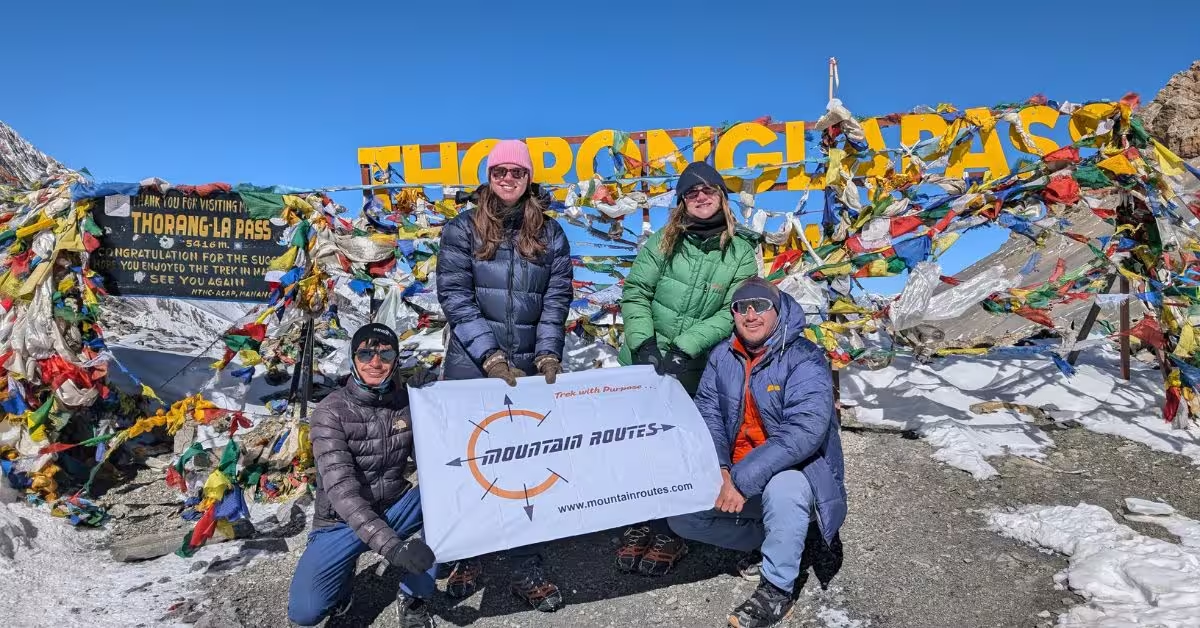
- You will see the highest chance of completing the trek and crossing Thorong La (5,416m) if you smartly choose the right season and not question the choices you made.
It’s a Win-win for you.
When to Trek the Annapurna Circuit ?
Seasonal overview to trek Annapurna Circuit
Each and every season at Annapurna Circuit has its own features. The views that they offer are different from each other.
So, it is necessary to understand what each season brings on the table. You have to know about the weather, the scenes, the trail conditions and prepare for it.
We have given below the two most important seasons.
These are best on the personal experience of our professional guides and porters and from the reviews of our international trekkers:
Annapurna Circuit Trek in Spring (March to May)
Spring is one of the most lively and the most popular times for Annapurna Circuit trek.
Spring daytime temperatures range from 10-25°C (50-77°F) at lower elevations and -5 to 12°C (23-54°F) at higher altitudes. The mornings at Annapurna Circuit look magical .
The mountains look clear but there are chances of weather change during the afternoon.
The major highlights of spring are the blooming rhododendron forests at lower elevations, painting the hillsides in vibrant reds, pinks, and whites.
Trail conditions that are normally good, though early March might still see some snow at higher altitudes, including the Thorong La Pass.
The crowds start to build as the season progresses , but it's generally less congested than peak autumn.
Check out why you should choose spring for Annapurna Circuit below :
Why choose the Spring season ?
Spring season at Annapurna has lots of beauty to offer. Check out below :
- Blooming Rhododendrons & Fresh Landscapes
This is the standout feature. Nepal’s national flower, the rhododendron, paints the lower and mid-elevation forests in beautiful reds, pinks, and whites.
Wildflowers and lush greenery emerge after winter, creating a colorful, rejuvenating landscape that contrasts beautifully with snow-capped peaks.
- Pleasant Temperatures and Improving Trail Conditions:
Daytime temperatures are comfortable at lower elevations normally ( 10–25°C 50–77°F) and cooler. But it is manageable at higher altitudes (-5 to 12°C / 23–54°F) .
You will see the beautiful mornings with clear skies for excellent mountain views. But clouds can build in the afternoons. So, don’t just waste your mornings without getting good photographs.
Trail conditions are generally good, with melting snow . This makes paths more accessible as the season progresses.
- Clear Himalayan Views and Scenic Beauty:
Spring offers stable, dry weather with golden sunrises/sunsets, and dramatic contrasts between blooming valleys and high snowy peaks . This also includes areas around Thorong La Pass.
It’s ideal for photography.
- Fewer Crowds Than Peak Autumn:
While crowds increase through April and May, spring is generally less congested than October–November. This timeframe provides a more peaceful experience, especially earlier in the season.
- Cultural and Festive Vibes:
You will get to explore the opportunities to experience local festivals like Holi and add vibrancy to villages along the route. The hospitality you find in Nepal is very welcoming.
Note : Early March may still have lingering snow at higher passes where microspikes can be useful.
Later spring (April–May) sees peak blooming and warmer conditions but slightly higher crowds and a chance of pre-monsoon clouds.
Trekking Annapurna Circuit in Autumn (Late September to November)
Autumn is another main season to trek Annapurna Season. This is the peak season where trekkers from several continents come to explore the beauty of Annapurna.
Check out below what Annapurna at Autumn has to offer:
- Pleasant Trekking Temperatures:
Like the spring season, Annapurna Circuit offers the ideal temperature for trekkers.
The daytime temperatures are comfortable ranging from 15 to 25°C (59 to 77°F) at lower elevations and 5 to 15°C (41 to 59°F) at higher elevations.
Nights start getting cold often dropping toward or below freezing at altitude. So, proper layering and warm sleep systems are very important.
- Dry and Comfortable Trails:
Trails in the Autumn season are dry and free of snow, especially in September and October. It reduces risks like landslides or mud.
This makes the trek more easier and pleasant compared to other seasons like winter and monsoon .
- Peak Popularity and Social Atmosphere:
This is the most popular season bringing the highest number of trekkers for good reason.
Teahouses are lively and full. It creates a vibrant social trekking experience with easier navigation due to higher foot traffic .
- Guided Nature and Photography Focus:
The major highlights are rhododendron forests, birdwatching where many species are active in autumn.
You will find the best photography spots for mountain vistas and floral landscapes in the autumn season.
- Flexible Itineraries with Acclimatization:
If you feel like you need to extend your trips or need extra rest days or side trips (e.g., to viewpoints or monasteries) . You can tell us .
Mountain routes will manage everything. Then enjoy the blooming scenery at a relaxed pace, especially useful for acclimatizing before Thorong La.
Tips: High demand leads to crowded trails and teahouses. This is particularly in October.
Make sure you make your advance booking of flights, accommodations, guides, and porters. We strongly recommended that we ignore the unnecessary hassle.
Annapurna Circuit in Winter Season (December to February)
If you are looking for a peaceful time where you get to see very few people, you would not want to miss winter. Winter is extremely cold but still an adventurous timeframe for who loves to trek :
Check out below what winter season in Annapurna Circuit has to offer :
- Fewer Crowds
Enjoy peaceful trails and a more original trekking experience with fewer trekkers.
- Spectacular Snow-Capped Views
The mountains are covered in fresh snow. This creates stunning landscapes and excellent photography opportunities for those who are fond of capturing pictures
- Clear Skies and Visibility
Winter often brings crisp, clear days with exceptional views of the Himalayan peaks.
- Unique Winter Atmosphere
You will get to experience the Annapurna region in a different light, with frozen waterfalls, snow-covered villages, and serene surroundings. Everything and everywhere looks magical.
- Easier Availability of Accommodation
Teahouses are less crowded, making it easier to find rooms and enjoy personalized hospitality. You will get plenty of interaction at the lodge house.
- Better Wildlife Spotting
Some trekkers also report increased chances of spotting wildlife in lower forested areas during the quieter season like winter.
- Peaceful Cultural Experience
You get to interact more closely with local communities as villages are less busy than during peak trekking seasons.
- Perfect for Experienced Adventurers
Winter offers a greater sense of challenge and accomplishment for trekkers prepared for cold-weather conditions.
- Less Trail Traffic
You also get to enjoy a quieter and more deep connection with nature without the bustle of peak-season trekking groups like in spring and autumn.
Trek to the Annapurna Circuit in Monsoon (June to Early September)
Trekking to Annapurna Circuit in Monsoon is quite a less favorable season than most of the other seasons. But still there are rewards that are worth the journey.
Let’s see what Annapurna Circuit in Monsoon has to offer :
- Fewer Crowds and Solitude:
Like winter , Monsoon also offers extremely quiet trails. It gives peace and intimate experience with fewer trekkers.
- Lush Green Landscapes:
The vibrant neon-green valleys, blooming wildflowers, terraced fields, and dramatic waterfalls from heavy rains makes everything clean and green.
- Rain Shadow Benefit:
Upper sections like beyond Manang are protected and relatively dry offering better visibility and fewer disruptions.
- Lower Costs:
Compared to the autumn season and spring season you will find cheaper teahouse rates and services due to low demand.
- Cultural Authenticity:
Villages show everyday monsoon life and agriculture that provides a more genuine local experience.
Note: Monsoon trekking is adventurous but it requires good preparation for mud, leeches, and occasional landslides.
This season is best suited if you are experienced trekkers looking for unique scenery over clear mountain views.
Seasonal Summary Table for Annapurna Circuit :
Season | Temperature Range | Visibility | Trail Conditions | Suitability for Beginners |
|---|---|---|---|---|
Spring | 10°C to 20°C | Excellent | Dry, stable | High |
Autumn | 5°C to 20°C | Excellent | Dry, stable | Very High |
Winter | -10°C to 10°C | Good | Snowy, icy | Low |
Monsoon | 15°C to 25°C | Poor | Wet, slippery | Very Low |
Picking a season around your priorities
The best time to trek the Annapurna Circuit is subjective. It definitely depends on your individual preferences and priorities.
So, what are your personal preferences ?
Is it photography ? Is it that you want to explore cultures?
Let’s see which season meets which priorities:
Photography and Landscape Lovers
If your primary goal is capturing stunning mountain peaks and dramatic landscapes, Autumn (Late September to November) is the best window for you.
The clear skies and crisp air provides the most reliable and breathtaking photographic opportunities.
Spring (March to May) is a close second, especially if you enjoy capturing blooming rhododendrons against snowy peaks.
But we still say, you need to be prepared for potential afternoon haze.
Cultural festivals along the trek
If you're interested in experiencing new local culture and festivals, Autumn is the perfect timeframe.
Nepal's one of the biggest Hindu festivals, Dashain (usually October) and Tihar (usually November), often fall during this period.
While you might not see grand celebrations in every small village along the trail, the festive atmosphere is palpable throughout the country.
There are also other festivals like Buddha Jayanti (usually May), which is celebrated in Buddhist communities like those in Manang.
Avoiding the crowds
If you want to spend your time alone, consider the shoulder seasons or even winter.
Late November/Early December or early March can offer decent weather and fewer trekkers if you compare it with Autumn or Spring.
Winter (December to February) offers the most solitude but comes with risky weather challenges . The risk of Thorong La Pass is undeniable. It will be closed.
You can also trek during the Monsoon (June to early September) . It also has fewer people, but the risk is the same.
There are fears of landslides, leeches, heavy rain and especially change of routes.
Is the Annapurna Circuit realistic for a beginner?
Beginners are not well aware of the exact unfamiliar conditions that the route has to offer you.
The Annapurna Circuit is a long and high-altitude trek. This doesn’t mean it is impossible.
With proper preparation, a determined beginner with good fitness can successfully complete this trekking experience.
It's often considered a more achievable classic long-distance trek compared to something like the Everest Base Camp trek, due to a more gradual ascent profile in its classic anti-clockwise direction.
What makes the Annapurna Circuit Trek demanding?
This Circuit Trek is definitely achievable but at the same time there are some parts that present several challenges.
It gets so challenging that even experienced trekkers need to respect it, and beginners must be well aware before heading the way towards it.
Let’s see some major challenges:
Thorong La Pass and Acclimatization Challenges
The Annapurna Circuit trek's highest point at Thorong La Pass (5,416m/17,769ft) in this region. This destination simply presents significant altitude challenges.
At this elevation, oxygen levels are approximately 50% of those at sea level. This makes physical exertion considerably more difficult.
The gradual altitude creates a risk of Acute Mountain Sickness (AMS), making proper acclimatization essential.
If you are a beginner, then you definitely need to understand the symptoms of AMS and the importance of listening to your body.
Gradual ascent, staying hydrated, and allowing for rest days are crucial for a safe crossing to Thorang La Pass region .
Average Daily Trek Duration and Terrain
The Annapurna Circuit involves several days of trekking. Each distance you cover is different with diverse terrain.
The trek typically normally takes 12-21 days. But it depends on the itinerary and side trips and mainly is under your preference.
On average, you'll be trekking for 5 to 7 hours daily. The terrain is incredibly varied.
You will find dusty roads in some lower sections which you thought alternatives are developing, stone staircases, forested paths, rocky moraines, and potentially snow-covered trails at higher altitudes.
For beginners, these physical demands require significant endurance and mental fortitude, especially over consecutive days of trekking.
Factors that make it achievable for determined beginners to trek Annapurna Region
Now, we know that the Annapurna Circuit is often viewed as a demanding high-altitude trek. But it still remains surprisingly achievable for determined beginners with proper preparation.
The well-established infrastructure, gradual elevation gain, and flexible route options make the trek manageable. It offers a very rewarding challenge for those new to multi-day hiking.
If the trekkers understood what makes this iconic route more accessible , it definitely can help first-time trekkers plan wisely . They can enjoy the journey at their own pace.
Well-established trail
The wilderness way in the Circuit definitely needs navigation. So,the Annapurna Circuit follows well-marked and maintained paths throughout.
The established trail system means:
- Clear directional markings at most junctions
- Regular villages and checkpoints
- Frequent encounters with other trekkers
- Mobile phone coverage in many sections
This infrastructure reduces the technical expertise required compared to more remote trekking experiences.
The overall infrastructure is well-developed compared to more remote treks.
Teahouse Accommodation
The Annapurna region is famous for its teahouse trekking culture. You'll find lodges offering basic but comfortable accommodation and food along the entire route.
This teahouse system reduces the physical burden of carrying heavy packs and the technical skills needed for wilderness camping.
Teahouses in this circuit offer basic but adequate lodging and serve Nepali and some Western food.
This infrastructure makes the trek more accessible for beginners who may not have extensive backpacking experience.
Gradual Acclimatization
The 15-day Annapurna Circuit itinerary is naturally designed for gradual acclimatization.
By spending nights at higher altitudes with enough rest and acclimatization days you can explore the key locations like Manang (around 3500m) comfortably.
Your body has a better chance to adapt to the thinning air. This significantly reduces the risk of AMS if the itinerary is followed sensibly.
Porter & Guide Availability
For beginners, hiring a licensed guide or porter can make a lot of difference. A guide is someone who handles navigation, provides cultural and local insights.
They help you with teahouse bookings. You do not have to worry about logistics . They are trained to recognize and respond to AMS symptoms.
Similarly , a porter carries the bulk of your luggage. They allow you to trek with just a daypack, which helps you walk at your own pace. It definitely reduces physical strain.
Mountain Routes can arrange experienced guides and porters, ensuring ethical employment practices and a well-organized trek.
This support system can transform a very challenging trek into a manageable and more enjoyable adventure.
Tips for the Annapurna Circuit Trek
Choosing the right season is as important as managing your budget or packing your equipment. But it has several steep ascents that you need to cross. It gets challenging with each day.
Below are few preparation tips that you need before you hit the Annapurna Trail:
Training and Fitness
Good cardiovascular fitness is essential. You should be comfortable with sustained physical activity for multiple hours a day, for several consecutive days. Training should focus on:
- Cardiovascular Endurance:
Get prepared with activities like running, cycling, swimming, or incline walking for at least 3 to 4 times a week. You can start several months before leading up to the trek.
Aim for sessions lasting 1 to 2 hours.
- Strength Training:
Make sure you focus on leg strength like squats, lunges, calf raises and core stability. A strong core helps with balance and carrying a pack on the trail.
- Hiking Practice:
If possible, go for several long day hikes with a weighted pack, especially on hilly or uneven terrain.
This helps break in your boots and accustom your body to the demands of trekking.
Previous Hiking Experience
For a beginner, tackling the Annapurna Circuit can be a rewarding but still demanding experience.
While not strictly mandatory, some previous multi-day hiking experience, even at lower altitudes, is highly beneficial.
The hiking experience makes you mentally prepare for the longest hours you will be walking for the trail. You have long distances to cover.
Hiking experiences give you the touch or familiarity of trekking .
You will know how your body responds to the changing weather conditions.
For those who are complete novices, our professionals advise to start with shorter and less strenuous treks.
It builds your confidence and stamina before committing to a challenging route like the Annapurna Circuit.
Mental preparation for first-time trekkers
If you are a trekker who loves to trek or willing to join the Annapurna Region, you definitely know trekking demands lots of physical activity, your patience level and many more.
The route demands your mental strength as much as your physical one.
Be mentally prepared that you can deal with several factors. Several factors might be changing weather conditions.
It might be the altitude sickness that blocks your strength out of nowhere. Or, it might be the possible delays which cause the change of your plans.
So, your mental preparation sets a pace for your physical strength.
Get prepared for long days, basic amenities, potential discomfort, and altitude challenges.
Your positive attitude, patience, and resilience are key for the successful trekking to Annapurna Circuit.
FAQs
What is the absolute best time for the Annapurna Circuit Trek for a beginner?
Autumn is the perfect time to trek in case you are a beginner for Annapurna Circuit Trek. The weather is stable .
It offers you clear visibility of the scenery with excellent trail conditions. Spring is the second best season to explore which offers the similar weather, autumn.
Can I trek the Annapurna Circuit during the monsoon season?
Yes, you can trek to Annapurna Circuit at the time of Monsoon season.
But this season definitely checks your patience level as it comes with heavy rain, changing weather, trail blockade and many more.
Make sure you consider a guide if you want to trek to monsoon. Also add buffer days for potential delays.
Always check weather forecasts for this Annapurna Circuit.
What's the single best month or season for a beginner to trek the Annapurna Circuit?
Choose Autumn, and October above all the other seasons. This timeframe gives the most stable weather and clearest views compared to the rest.
It is one of the peak seasons perfect for photography too.
How cold does Thorong La actually get?
Even outside winter, overnight it gets very cold at High Camp which is around 4,800m. It reaches -10°C to -18°C, and winter nights can fall to -25°C with wind chill.
Does gear need to change by season?
Yes, winter gets extremely cold at not just Circuit but for the entire Annapurna Region . Be prepared with insulated clothing, a warmer sleeping bag, and often microspikes.
Likewise, if you are trekking in monsoon don't forget to carry real rainproofing and leech protection for your safety.
Spring and autumn need less specialized gear overall.
How hard is the Thorong La crossing itself?
Thorang La is the most challenging part of the trek. You have to walk nearly 8 to 10 hours. This is a steep climb followed by a long descent.
Trekkers who acclimatize properly, train beforehand, and pace themselves following their guide's lead rather than pushing ahead cross it successfully in the large majority of cases.
Should I book in advance for peak months?
For October and April in particular, yes you should make your bookings in advance.
Flights to Pokhara, teahouse rooms, and guide or porter availability all tighten up well before the season starts, so early booking is worth the effort for anyone set on those months.
How cold does it get on the Annapurna Circuit in winter?
Annapurna Circuit gets very cold, especially at higher altitudes. In winter , December to February, daytime temperatures in lower valleys might be around 5-10°C.
Above 3500m, they can easily drop to -5°C to -15°C during the day, and get colder at night Above Thorong La Pass potentially it gets -20°C to -25°C or lower with wind chill.
Make sure you have proper insulated gear with you.


No comments yet. Be the first to share your thoughts!