Contents
Astam, Dhampus and Australian Camp form a peaceful trekking circuit in the Annapurna foothills.
Located northwest of Pokhara, this 6-day journey connects three distinct villages while offering spectacular mountain panoramas.
Unlike crowded routes toward Annapurna Circuit trek or Mardi Himal trek, these trails see minimal tourist traffic creating authentic cultural experiences.
Each village brings unique character and appeal. Astam represents organic living and sustainable practices at 1,600 meters elevation. Dhampus showcases traditional Gurung culture against Himalayan backdrop. Australian Camp (Thulo Kharka) perches on forested ridges with commanding mountain views. Together, they create a comprehensive introduction to hill village life near Nepal's most famous peaks.
Daily walking ranges 4-6 hours over well-maintained trails. Moderate difficulty suits trekkers with basic fitness. Maximum elevation reaches approximately 2,300 meters at Australian Camp eliminating altitude concerns. Tea house accommodation exists at each village providing comfortable rest after hiking. Home-cooked meals feature local ingredients prepared following traditional recipes.
Understanding the Three Villages
Astam: The Sunset Village
Astam derives its name from Sanskrit "Asta" meaning the setting of celestial bodies. Perfectly positioned for sunset viewing, the village sits 1,600 meters above sea level on Pokhara Valley's northwestern outskirts. As twilight approaches, golden light bathes surrounding hills creating the soft glow that inspired the village name.
Recognized as an eco-village, Astam maintains conventional lifestyles emphasizing sustainability. Solar panels generate electricity. Organic farming methods produce crops without chemical inputs. Rainwater harvesting supplements water supplies. Waste management follows strict environmental protocols. Alternative technologies support modern needs while preserving traditional village character.
Walking through Astam reveals stone-paved paths connecting traditional houses. Families cultivate terraced fields growing rice, millet, vegetables, and fruits. Community forests provide firewood and building materials. Local governance emphasizes environmental protection alongside development. Visitors staying in homestays directly observe these sustainable practices in daily operation.
Village elders share knowledge about organic farming techniques, traditional medicine from local plants, and seasonal agricultural cycles. Younger generations balance modern education with maintaining cultural practices. Several families operate small enterprises producing organic honey, herbs, and handicrafts. Supporting these businesses directly contributes to sustainable village economy.
Dhampus: Traditional Gurung Settlement
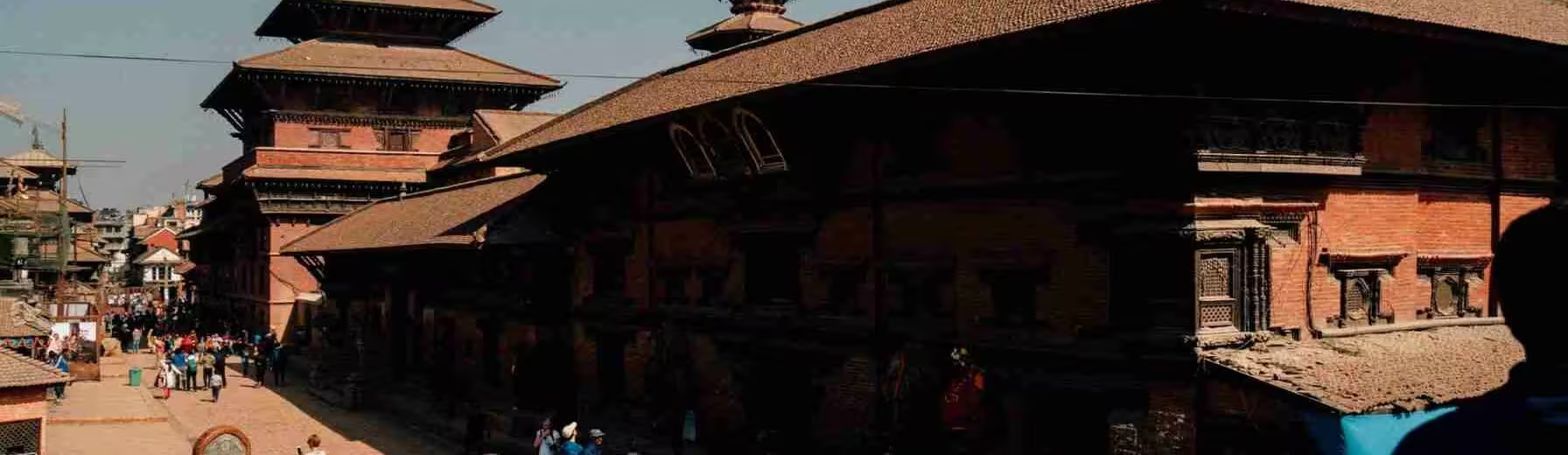
Dhampus village sits within Annapurna Conservation Area boundaries showcasing authentic Gurung culture. Ethnic Gurung people dominate this hillside community maintaining distinct language, customs, and traditions. Stone houses with slate roofs cluster along narrow lanes creating classic Himalayan village atmosphere.
Gradually developing as a trekking destination, Dhampus balances tourism with cultural preservation. Several tea houses provide accommodation while many families continue traditional subsistence farming. Fields cascade down hillsides in carefully maintained terraces. Water buffalo and goats graze near houses. Women weave textiles using wooden looms. Men work fields or travel for seasonal employment.
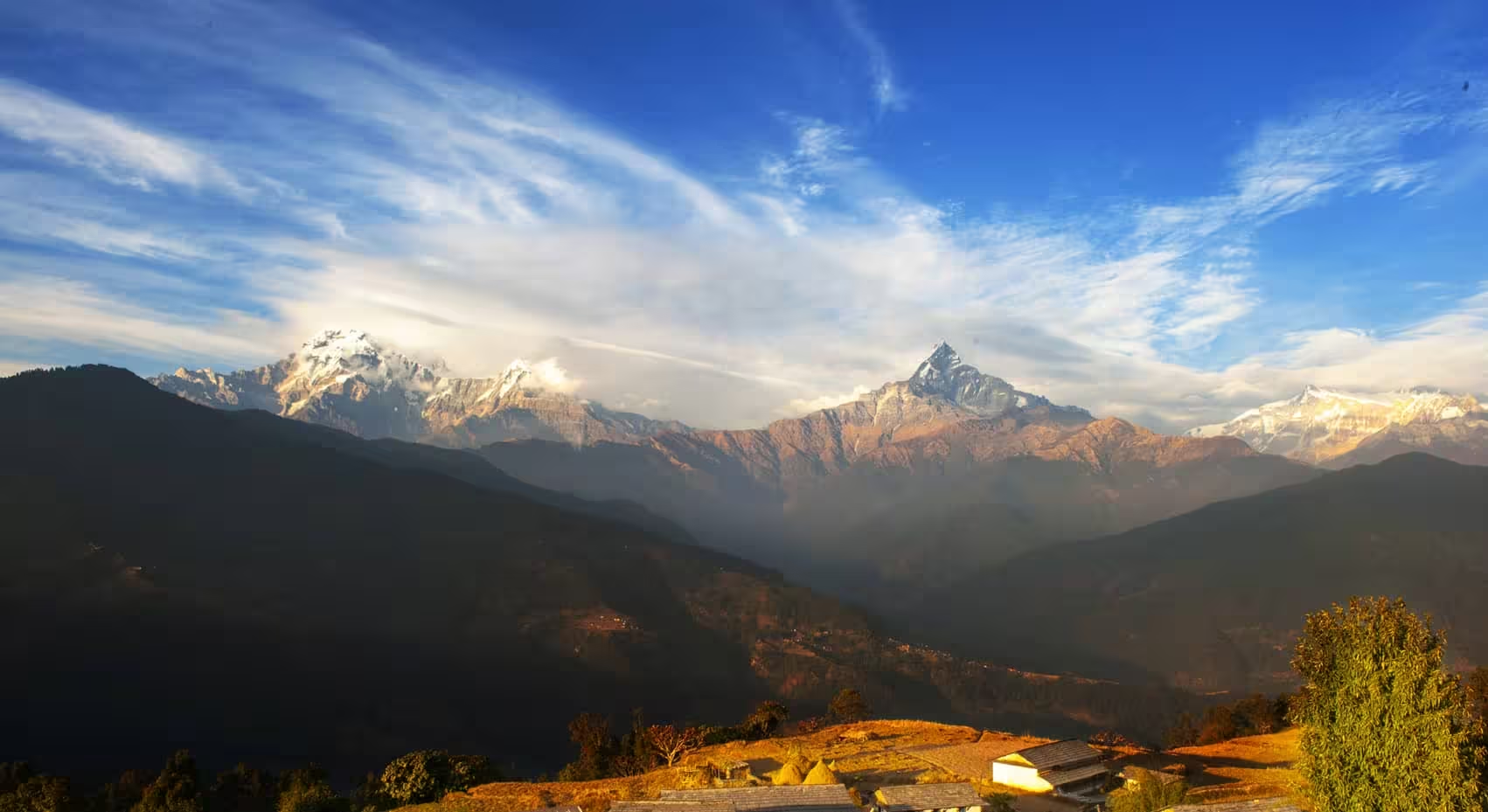
Spectacular mountain views define Dhampus' appeal. Annapurna South, Hiunchuli, Machapuchhre, and Gangapurna appear remarkably close from village viewpoints. Morning light illuminates peaks in golden hues. Evening alpenglow paints summits pink and orange. Clear autumn and spring days reveal dozens of peaks above 6,000 meters.
Cultural experiences include observing traditional festivals, hearing folk music, and tasting authentic Gurung cuisine. Homestay families welcome guests sharing stories about village history and changing mountain life. Understanding Gurung worldview and connection to these mountains enriches the trekking experience beyond simple sightseeing.
Australian Camp (Thulo Kharka): The Ridge Viewpoint
Australian Camp, locally known as Thulo Kharka, occupies a forested ridge west of Dhampus village. Recently discovered as a trekking destination, this location provides spectacular 360-degree panoramas. Despite the name, no Australian connection exists. Local guides coined the term to attract international trekkers unfamiliar with "Thulo Kharka."
Perched at approximately 2,300 meters, the camp sits above tree line in some directions while surrounded by rhododendron forest in others. Open meadows perfect for camping occupy the ridge top. During March-April, blooming rhododendrons create stunning red and pink displays. Forest trails leading to the camp offer peaceful walking through diverse vegetation zones.
Mountain views from Australian Camp rival those from more famous viewpoints. Western perspectives show Dhaulagiri massif. Northern vistas reveal the entire Annapurna range. Eastern horizons display Manaslu and Ganesh Himal on exceptionally clear days. Machapuchhre's distinctive profile dominates directly north appearing almost touchable despite 20+ kilometer distance.
Several tea houses now operate at Australian Camp providing basic accommodation and meals. Sunrise and sunset attract photographers seeking dramatic lighting on peaks. Many trekkers spend extra nights here simply enjoying the peaceful mountain environment. Unlike crowded viewpoints elsewhere, Australian Camp maintains tranquil atmosphere even during peak seasons.
Complete 6-Day Trek Itinerary
Day 1: Pickup and Transfer to Kande
- Activities: Hotel pickup, drive to Kande
- Accommodation: Prepare for trek start
Morning pickup from Pokhara hotels begins the journey. Private vehicles transport trekkers approximately 30 kilometers to Kande village. Driving takes 45-60 minutes following paved roads climbing into foothills. Kande sits at 1,770 meters where the walking trail officially begins.
Upon arrival, final preparations include gear checks and meeting guides. Brief orientation covers the coming days' routes and what to expect. Lunch at Kande allows relaxation before starting the trek. Some groups begin walking toward Australian Camp same afternoon if time permits. Others rest in Kande overnight starting fresh next morning.
Day 2: Kande to Australian Base Camp (2,300m)
- Elevation: 1,770m to 2,300m
- Walking Time: 4-5 hours
- Accommodation: Tea house at Australian Camp
From Kande, trails climb steadily through mixed forest toward Australian Camp. Initial sections pass through agricultural terraces where families cultivate hillside fields. Stone steps assist on steeper portions. Gradual elevation gain allows comfortable pacing without excessive exertion.
After 2-3 hours, the trail enters rhododendron forest. During blooming season, red and pink flowers create spectacular displays. Forest provides shade and cool temperatures. Bird activity increases with diverse species visible and audible. Occasional clearings offer preview mountain views motivating continued climbing.
Australian Camp appears after 4-5 hours total walking. Arrival brings immediate reward with stunning mountain panoramas. Afternoon hours allow rest, exploration, and photography. Sunset creates magical lighting on peaks. Evening meals in tea house dining rooms feature dal bhat and other trekking staples. Clear nights reveal brilliant stars in dark mountain sky.
Day 3: Australian Camp to Dhampus (1,650m)
- Elevation: 2,300m to 1,650m
- Walking Time: 3-4 hours
- Accommodation: Tea house or homestay in Dhampus
Morning begins with sunrise over the Annapurnas. Early risers witness peaks transforming from dark silhouettes to golden pyramids. After breakfast, the descent toward Dhampus begins.
Initially following ridge trails, the route provides continued mountain views. Gradual downhill feels easier on lungs though sustained descending tests knees. Trekking poles help reduce joint impact. Forest sections alternate with open ridges creating varied scenery.
After 3-4 hours, Dhampus village appears spread across a hillside. Stone houses with traditional architecture characterize the settlement. Arrival allows afternoon village exploration. Walking narrow lanes reveals daily life continuing around tourism activity. Families work fields, children attend school, elders gather for conversation.
Accommodation options include tea houses or homestays with local families. Homestays provide deeper cultural immersion with shared meals and evening conversations. Families share stories about Gurung traditions, village history, and mountain life changes over recent decades.
Day 4: Dhampus to Astam (1,600m)
- Elevation: 1,650m to 1,600m
- Walking Time: 5-6 hours
- Accommodation: Homestay in Astam
From Dhampus, trails descend toward the valley floor before climbing toward Astam. Initial descent follows stone paths through terraced fields. Villages appear periodically offering tea shop breaks. Reaching the valley bottom means crossing streams and agricultural areas.
Ascending toward Astam occupies the afternoon. Gradual climbing through lower hill forests and farmland creates pleasant walking. Views toward Pokhara Valley expand as elevation increases. Annapurna range remains visible to the north.
Astam village appears after 5-6 hours total trekking. Arrival occurs in late afternoon allowing sunset observation from viewpoints. Golden light spreading across hills demonstrates why villagers chose the name "Asta." Homestay families welcome guests with traditional hospitality.
Evening includes village walks observing sustainable practices. Solar panels on rooftops, organic gardens, rainwater systems, and community forests showcase eco-village initiatives. Homestay hosts explain these technologies and their benefits for environmental preservation.
Day 5: Astam Village Exploration
- Activities: Cultural immersion, village walks, optional short hikes
- Accommodation: Homestay in Astam
Full day in Astam allows deeper cultural engagement without rushing. Morning village walks reveal daily routines as families begin work. Women carry water from communal taps. Men head to fields with tools and animals. Children prepare for school.
Visits to organic farms demonstrate chemical-free cultivation methods. Farmers explain composting, natural pest control, and crop rotation systems. Harvests vary by season showing agricultural diversity. Tasting fresh vegetables and fruits picked directly from gardens highlights organic food quality.
Traditional craft demonstrations include basket weaving, textile production, and tool making. Skilled artisans use locally sourced materials creating functional items. Some families sell finished products providing supplemental income. Purchasing these crafts supports traditional skills preservation.
Afternoon options include short hikes to nearby viewpoints, relaxation in homestays, or participation in daily activities. Some guests help with farming tasks, meal preparation, or forest gathering. These hands-on experiences create memorable connections with village life.
Evening meals feature local specialties prepared traditionally. Dhindo (buckwheat porridge), gundruk (fermented greens), and other regional dishes expand culinary horizons. Family conversations around dinner tables enrich cultural understanding.
Day 6: Astam to Pokhara and Drop Off
- Activities: Morning walk, drive to Pokhara
- Travel Time: 1-2 hours drive
The final morning in Astam allows last village observations and farewells to host families. Breakfast precedes packing and checkout. Vehicles arrive to transport trekkers back to Pokhara.
Driving from Astam takes 1.5-2 hours depending on road conditions and traffic. Return to Pokhara's Lakeside district brings modern amenities after village simplicity. Hotels offer comfortable beds, hot showers, and internet connectivity. Many trekkers feel immediate nostalgia for peaceful village atmosphere despite urban comforts.
Afternoon allows rest or Pokhara exploration. Some visitors extend adventures with additional activities or treks. Others prepare for onward travel to Kathmandu or international departures.
Practical Trekking Information
Trek Difficulty and Fitness
Moderate difficulty characterizes this circuit. Daily walking ranges 3-6 hours over varied terrain. Elevations between 1,600-2,300 meters pose no altitude concerns for most trekkers. Previous trekking experience helps but isn't required. Basic cardiovascular fitness and ability to walk uphill several hours proves sufficient.
Two months of preparation builds adequate fitness. Regular walking or light hiking strengthens legs and cardiovascular system. Hill walking with light backpack simulates trekking conditions. Basic fitness allows enjoying the journey rather than struggling through it.
Best Trekking Seasons
Spring (March-May): Excellent conditions with rhododendron blooms and mild temperatures. March shows flowers beginning. April brings peak blooming creating spectacular forest displays. Clear morning mountain views becoming hazy afternoons. Daytime temperatures range 15-25°C in valleys, 5-15°C at higher elevations.
Autumn (September-November): Most popular season with stable weather and crystal visibility. October provides peak conditions. Comfortable temperatures ideal for walking. Clear skies reveal sharp mountain details. Harvest activities add village atmosphere. Daytime temperatures range 10-20°C in valleys, 0-10°C at camps.
Winter (December-February): Cold temperatures affect higher elevations. Morning fog clears to reveal crisp days. Temperatures drop to 5-15°C in villages, -5 to 5°C at Australian Camp. Fewer tourists guarantee peaceful trails. Winter requires proper warm layers.
Monsoon (June-August): Heavy afternoon rains create challenging conditions. Trails become muddy and slippery. Leeches appear below 2,000 meters. Mountain views stay obscured by clouds. However, landscapes turn brilliantly green with wildflowers. Very few tourists create authentic village experiences.
What to Pack
Essential items include comfortable trekking boots (broken-in), 30-40 liter daypack, moisture-wicking base layers, fleece or down jacket, waterproof shell jacket, trekking pants, warm sleeping layers, sun hat and warm beanie, gloves, 4-5 pairs trekking socks, trekking poles (recommended), water bottles (2 liters capacity), headlamp, sunglasses, sunscreen SPF 50+, basic first aid kit, toiletries, quick-dry towel, and cash in Nepali rupees.
Accommodation and Meals
Tea houses at Australian Camp and Dhampus provide basic rooms with shared facilities. Simple beds, blankets, and communal bathrooms create standard trekking accommodation. Dining areas feature wood stoves for warmth.
Homestays in Astam and optionally Dhampus offer cultural immersion. Families provide clean rooms in traditional houses. Shared meals create social interaction. Bathrooms typically feature squat toilets and bucket showers.
Meals include traditional Nepali cuisine. Dal bhat (rice and lentils) provides primary sustenance. Tea houses offer additional options like noodles, fried rice, and momos. Homestays serve authentic local dishes using farm ingredients. Vegetarian food is standard throughout.
Trek Costs
For groups of 2-4 people, 6-day trek packages cost approximately NPR 18,000-25,000 ($145-200) per person. Included services cover guide, accommodation, meals, permits, and transportation. Solo travelers pay higher rates around NPR 30,000-35,000 ($240-280) due to fixed costs.
Required permits include Annapurna Conservation Area Permit (ACAP) at NPR 3,000 ($30) for foreigners, NPR 100 for SAARC citizens. TIMS card costs NPR 2,000 ($15).
Frequently Asked Questions
How difficult is the Astam Dhampus Australian Camp trek?
Moderate difficulty suitable for beginners with basic fitness. Daily walking ranges 3-6 hours over varied terrain. Maximum elevation of 2,300 meters creates no altitude issues. Proper preparation ensures comfortable completion.
Can I do this trek independently?
Yes, trails stay well-marked with adequate tea houses. However, guides significantly enhance cultural understanding and village interactions. Language barriers and navigation challenges favor guided experiences.
What is the best village to stay in?
Each offers unique appeal. Australian Camp provides the best mountain views. Dhampus showcases Gurung culture authentically. Astam demonstrates sustainable village practices. Staying at all three creates a comprehensive experience.
Are homestays comfortable?
Homestays provide clean, basic accommodation with shared facilities. Expect simple beds, traditional houses, and squat toilets. Cultural immersion compensates for reduced comfort compared to hotels.
What mountain views can I expect?
Spectacular panoramas include Annapurna South, Annapurna I, Hiunchuli, Machapuchhre, Gangapurna, and Dhaulagiri. Australian Camp offers widest views. Clear autumn and spring mornings provide best visibility.

No comments yet. Be the first to share your thoughts!