
The Annapurna Circuit trek difficulty ranks among the most challenging aspects of trekking in Nepal.
Circuit trek at Annapurna demands careful preparation from first-time high-altitude hikers. This journey takes you through one of Nepal's most diverse mountain regions, spanning deep valleys, high-altitude passes, arid plateaus, and traditional villages that challenge both body and mind from start to finish.
The route covers a significant distance, over 160 kilometers and pushes trekkers far from modern infrastructure into remote Himalayan terrain.
Each section presents unique obstacles. The trail alternates between steep stone steps, narrow ridgelines, and loose gravel paths that demand constant attention. Weather shifts frequently, altitude steadily increases, and walking days stretch long. Even experienced hikers find themselves tested here, particularly when crossing Thorong La Pass at 5,416 meters.
The difficulty of Annapurna Circuit remains consistently demanding throughout the journey. This trek rewards careful preparation, gradual acclimatization, and respect for mountain conditions. While many complete it successfully, others turn back due to altitude sickness, exhaustion, or underestimation of the challenge. Your outcome depends largely on how thoroughly you prepare.
Is the Annapurna Circuit Trek Hard or Manageable?
The Annapurna Circuit difficulty level feels high for most trekkers. The route covers a large mountain region. It involves long walking days and constant height gain. Trails often feel rough and uneven. Weather changes often add stress. These factors combine to make the trek physically demanding.
The Annapurna Circuit trek difficulty for beginners depends on preparation and pace. A slow plan makes the route manageable. A rushed plan increases risk. Trekkers who respect rest days cope better. Trekkers who ignore fatigue struggle more. The trek stays possible, but it never feels easy.
Key Factors That Decide Annapurna Circuit Trek Difficulty
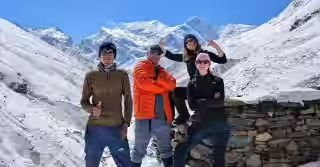
Several elements decide how hard the trek feels. Distance, terrain, and altitude shape daily effort. These factors affect energy, breathing, and recovery.
Trek Duration and Daily Walking Hours
The trek lasts from 12 to 18 days for most people. Some routes extend longer. Each day includes five to seven hours of walking. Some days exceed this range.
Walking for many days builds deep fatigue. Muscles get less recovery time. Beginners feel leg pain early. Mental tiredness grows over time. Rest days reduce this pressure. Without rest days, the body weakens faster.
Long duration raises the Annapurna Circuit trek difficulty for first time trekkers. Patience matters more than speed on this route.
Annapurna Circuit Trek Distance and Terrain
The Annapurna Circuit trek covers over 160 kilometers. Some routes exceed 200 kilometers. The long distance alone challenges endurance.
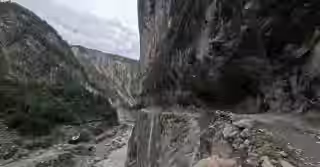
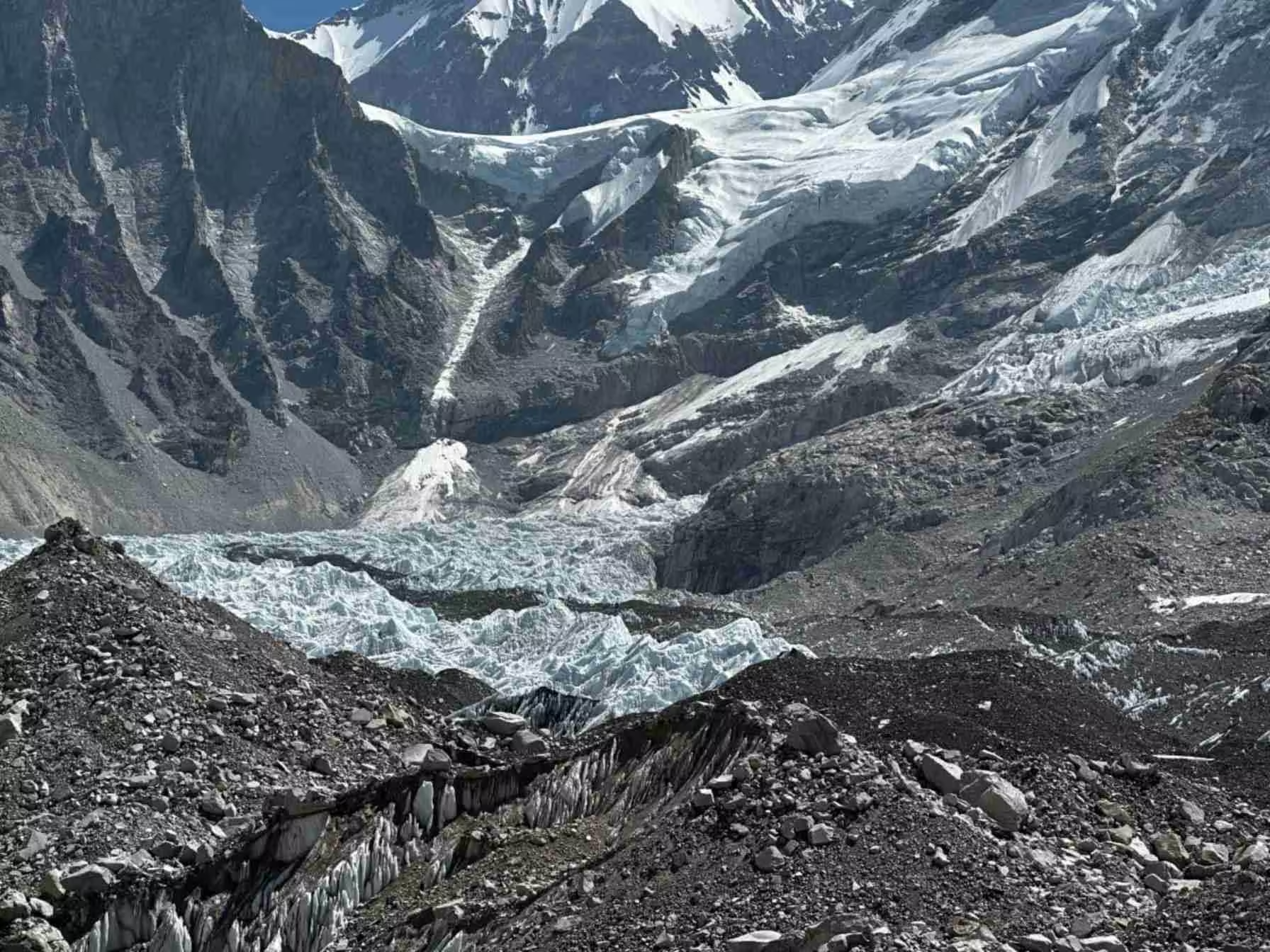
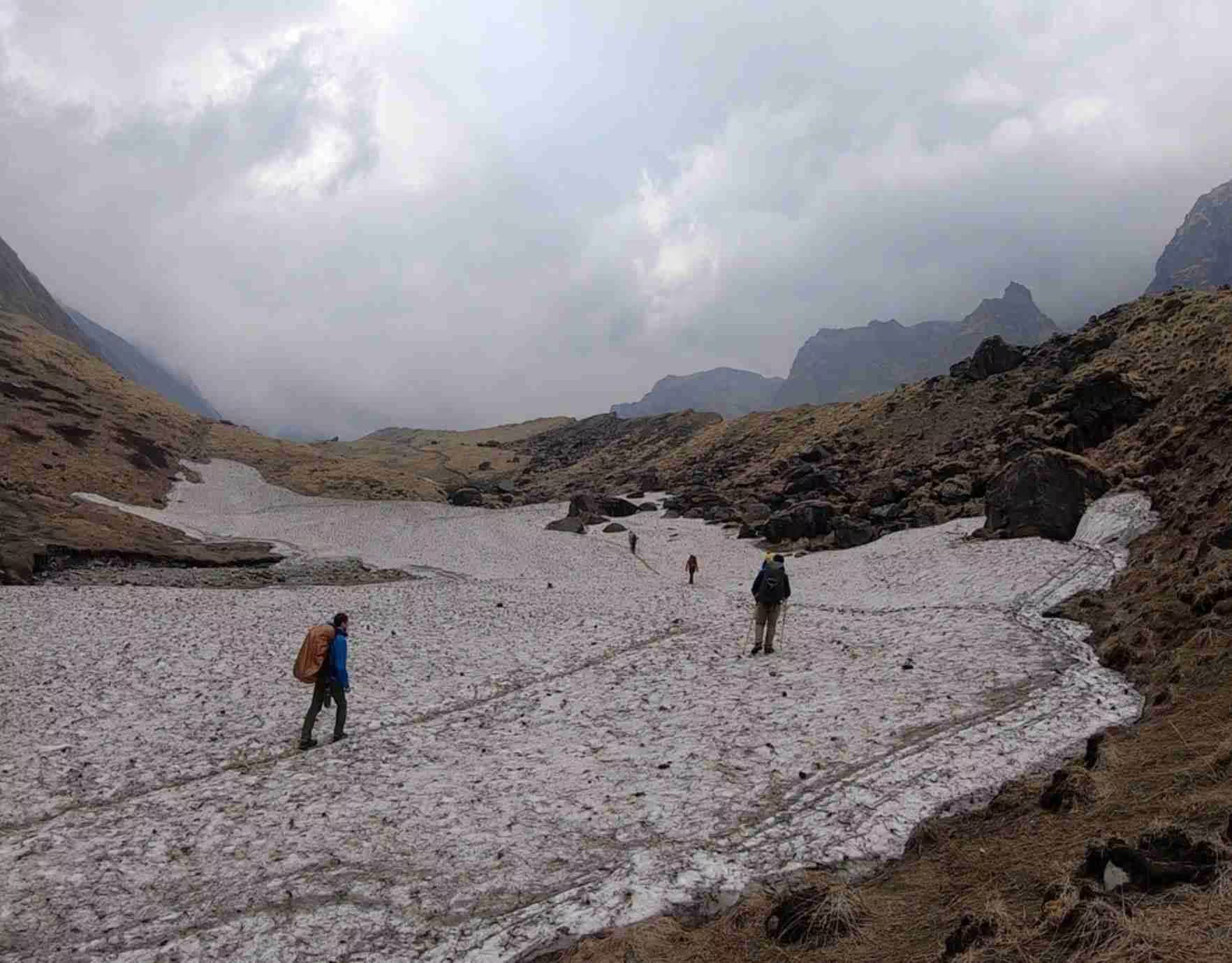
Terrain changes often along the trail. Lower sections pass through forests and villages. Middle sections include steep stone steps. Upper sections feel dry and rocky. Loose gravel tests balance. Narrow paths demand focus.
This terrain increases joint strain. Knees feel pressure on descents. Ankles need stability. Trekking poles help reduce impact.
Altitude and Elevation Gain on the Annapurna Circuit
Altitude remains one of the biggest challenges. The trail rises above 5,000 meters. Oxygen levels drop with height. Breathing becomes slower and deeper.
Elevation gain happens gradually but steadily. Short days still include climbs. Sleep quality drops at high camps. Appetite often decreases.
The Annapurna Circuit trek difficulty for beginners increases with altitude. Slow ascent helps the body adjust. Ignoring altitude signs raises risk.
Thorong La Pass Difficulty at 5,416m
Thorong La Pass stands at 5,416 meters. It is the highest point on the trek. This pass day demands strength and control. Cold air, thin oxygen, and long distance combine here. The climb and descent test endurance and focus. These conditions connect directly to the challenges below.
Why Thorong La Is the Hardest Day of the Trek
The pass day starts before sunrise. Temperatures drop below freezing. Wind increases cold exposure.
Trekkers walk for eight to ten hours. Thorong La Pass difficulty feels decent. The climb feels slow due to altitude. Each step takes effort. Breaks feel short because of cold.
The descent feels long and steep. Tired legs increase slip risk. This mix makes the day the toughest on the route.
Physical and Mental Challenges on Pass Day
Physical stress feels intense. Legs feel heavy. Breathing feels shallow. Headaches may appear.
Mental stress also rises. Fear of cold affects focus. Fatigue reduces motivation. Long hours test patience.
Steady breathing helps control effort. Slow steps save energy. Warm layers protect the body.
Difficulty for Beginners
Beginners feel the height strongly on pass day. Energy drops faster. Breathing control feels hard. Extra acclimatization helps beginners a lot. A slow pace improves safety. Many beginners complete the pass with guidance.
Difficulty for Average Hikers
Average hikers manage the climb better. Past hiking experience helps pacing. They still feel cold and altitude stress. Rest breaks remain necessary. Respect for conditions keeps risk low.
Difficulty for Experienced Trekkers
Experienced trekkers understand body limits. They manage layers and hydration well. They still feel fatigue and thin air. Experience improves control, not comfort.
Altitude Sickness Risk and Its Impact on Trek Difficulty
Altitude sickness affects trekkers above 3,000 meters. It increases the trek’s risk level. Ignoring symptoms can lead to serious danger. Awareness reduces this risk.
Common Symptoms
- Headache
- Nausea
- Dizziness
- Loss of appetite
- Poor sleep
- Fatigue at rest
Preventive Steps That Reduce Risk
- Walk at a slow pace
- Add rest days
- Drink water often
- Eat regular meals
- Avoid alcohol
- Descend if symptoms worsen
Acclimatization Stops That Reduce Difficulty
Acclimatization at Annapurna Circuit trek plays a huge role on your trek to Annapurna region. These stops give the body time to adjust to low oxygen levels. Skipping them increases fatigue and health risk. These stops lower overall trek difficulty. Each stop has a clear purpose. Rest, short walks, and proper meals support adaptation. These places also help trekkers check their physical condition before going higher.
Manang
Manang sits at around 3,540 meters. It is the most important acclimatization stop on the trek. Most trekkers stay here for two nights. A full rest day allows the body to adapt to altitude. Short uphill walks during the day support oxygen adjustment. Popular side walks include gentle climbs above the village. These walks should stay slow and short.
Manang has bakeries, shops, and medical posts. Trekkers can eat warm meals and hydrate well. Light stretching helps sore muscles. Early sleep supports recovery. Many trekkers check their health here. Headaches or nausea often improve after this stop. If symptoms remain, staying longer helps.
Yak Kharka
Yak Kharka lies at about 4,050 meters. The air feels thinner here. Walking pace naturally slows. This stop helps the body prepare for higher altitude. Short walks near the lodge improve circulation. Long walks should be avoided.
Warm clothing becomes essential here. Cold winds increase heat loss. Drinking warm fluids supports hydration. Simple meals help digestion at height. Trekkers should rest more here. Sleep may feel lighter. Monitoring symptoms matters at this stage.
Thorong Phedi
Thorong Phedi sits at around 4,540 meters. It is the final stop before Thorong La Pass. Oxygen levels feel very low here. Most trekkers arrive by early afternoon. Rest becomes the main task. Moving slowly reduces strain. Packing gear for the past day helps avoid stress.
Hydration matters even if appetite drops. Warm meals support energy for the next day. Early sleep improves strength for the long climb. Trekkers should avoid extra walks here. Saving energy helps pass the day's success. Any strong symptoms should stop the ascent.
Weather Conditions That Affect Annapurna Circuit Difficulty
Weather plays a major role in how hard the Annapurna Circuit feels. The region covers a wide range of elevations, so conditions change often. Warm valleys can turn into cold alpine zones within a few days. Wind, snowfall, and temperature shifts affect walking speed and safety. Poor weather can slow progress and increase fatigue. Good weather helps maintain pace and morale.
Difficulty During Spring Season
Spring lasts from March to May. This season brings mild days in lower areas and cold mornings at higher camps. Snow may remain near Thorong La, especially early in the season. Afternoon winds often rise, which can increase cold exposure.
Temperatures range from 10°C to 20°C in lower villages. Higher areas stay colder, with temperatures from -5°C to 10°C. Clear skies help visibility and confidence. Crowds increase during this season, which can affect lodge availability. Spring keeps the Annapurna Circuit trek difficulty at a moderate level when planned well.
Difficulty During Autumn Season
Autumn runs from September to November. Weather stays stable during this period. Skies remain clear for many days. Trails stay dry and firm, which supports steady walking.
Lower regions record temperatures between 8°C and 18°C. Higher camps experience colder nights, with temperatures from -8°C to 8°C. Cold mornings require warm layers. Wind remains manageable. Autumn offers the most predictable conditions, which lowers overall risk on the trek.
Difficulty During Monsoon and Winter
Monsoon season lasts from June to August. Heavy rain affects lower sections of the trail. Muddy paths increase slip risk. Landslides may block routes. Leeches appear in forested areas. Temperatures range from 12°C to 22°C in lower zones.
Winter runs from December to February. Snowfall increases above 4,000 meters. Thorong La may close due to heavy snow. Cold becomes severe, with temperatures dropping to -15°C at high camps and reaching only 5°C during the day. Strong winds add to cold stress.
Annapurna Circuit Trek Difficulty Compared to Other Nepal Treks
Many trekkers compare routes before choosing. Distance, altitude, and duration differ across popular treks. These factors change difficulty levels.
Annapurna Circuit vs Annapurna Base Camp
The Annapurna Base Camp trek stays shorter and lower. The circuit covers more ground and height.
Basis | Annapurna Circuit | Annapurna Base Camp |
|---|---|---|
Max Altitude | 5,416m | 4,130m |
Total Days | 12–18 days | 7–10 days |
Min–Max Temp | -15°C to 20°C | -5°C to 18°C |
Terrain | Long and varied | Steep but shorter |
Best Time | Spring, Autumn | Spring, Autumn |
Difficulty Level | High | Moderate |
The Annapurna Circuit trek difficulty compared to ABC stays higher due to length and altitude.
Annapurna Circuit vs Everest Base Camp
Everest Base Camp keeps trekkers at high altitude for many days. The circuit has one major high pass.
Basis | Annapurna Circuit | Everest Base Camp |
|---|---|---|
Max Altitude | 5,416m | 5,364m |
Total Days | 12–18 days | 12–14 days |
Min–Max Temp | -15°C to 20°C | -20°C to 15°C |
Terrain | Varied landscapes | Rocky and crowded |
Best Time | Spring, Autumn | Spring, Autumn |
Crowds | Moderate | High |
Common Challenges Trekkers Face on the Annapurna Circuit
Several challenges affect trekkers on this route. The Annapurna Circuit trek difficulty for solo trekkers feels higher due to isolation. These challenges often appear together.
- Long walking days: Continuous walking causes muscle fatigue and joint pain.
- Altitude stress: Thin air slows pace and reduces strength.
- Cold temperatures: Cold mornings affect motivation and comfort.
- Changing terrain: Steep climbs and descents strain knees.
- Limited food choices at height: Appetite drops while calorie needs increase.
- Mental fatigue: Long duration tests patience and focus.
How to Reduce Annapurna Circuit Trek Difficulty

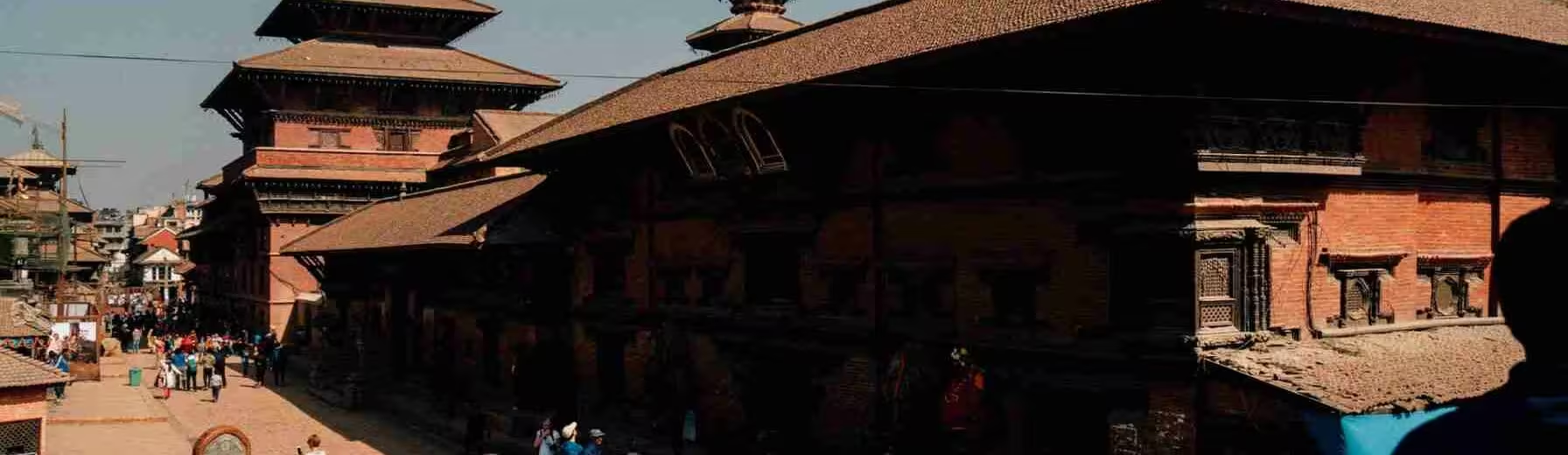
Manang village road showing Annapurna Circuit terrain
Good preparation lowers risk and strain. Small choices shape the trek experience. Some of the ways to reduce your Annapurna Circuit Trek Difficulty, follow these steps.
Training Before the Trek
Cardio fitness improves endurance. Stair climbing strengthens legs. Backpack walks improve balance. Training prepares muscles and lungs. It also reduces injury risk. Mental preparation builds confidence.
Choosing the Right Itinerary
Extra rest days support recovery. Slow ascent protects health. Flexible plans adjust to weather. Rushed itineraries increase altitude risk. Balanced itineraries support safety.
Hiring Guide or Porter
Guides monitor health signs. They manage route and weather decisions. Porters reduce physical load. Mountain Routes provides trained guides and porters. Their support improves safety and comfort.
Who Should Avoid the Annapurna Circuit Trek
People with serious heart or lung conditions should avoid this trek. Those with past severe altitude sickness face higher risk. People with very limited time may struggle. Medical advice matters before planning.
Is the Annapurna Circuit Trek Worth the Difficulty?
The Annapurna Circuit stands as one of Nepal's most rewarding yet demanding treks. Its difficulty stems from multiple factors, extended duration, significant altitude gain, variable terrain, and unpredictable weather conditions.
However, these same challenges create the trek's unique character and lasting impact on those who complete it.
The journey offers unmatched diversity. Within two weeks, you'll transition from subtropical forests to high-altitude desert, experience Tibetan Buddhist culture in mountain villages, and witness landscapes that shift dramatically with each day's progress.
The cultural immersion, combined with natural beauty spanning the entire Annapurna massif, provides depth that shorter or easier treks cannot match.
With realistic expectations, adequate preparation, and professional support from experienced operators like Mountain Routes, the Annapurna Circuit becomes an achievable goal rather than an impossible dream. The satisfaction of crossing Thorong La Pass, the connections formed with fellow trekkers, and the personal growth from pushing through challenging days create memories that justify every difficult step.

No comments yet. Be the first to share your thoughts!