

Thorong La Pass sits high in the central Himalayas.
It connects the Manang side to the Mustang side. This crossing stands as the toughest section of the Annapurna Circuit trek. The pass demands long hours of walking, thin air tolerance, and strong focus.
Many trekkers hear about this pass before they arrive in Nepal. Stories often describe cold mornings, slow steps, and physical exhaustion. These stories come from real experience. Thorong La Pass difficulty does not come from one factor. Height, weather, distance, and timing all work together.
The pass does not forgive rushed plans. It rewards patience and preparation. People who respect the mountain cross it safely. People who ignore warning signs face real danger.
Thorong La Pass Elevation and Location Explained
Thorong La Pass stands at 5,416 meters above sea level. This height places it among the highest trekking passes in Nepal. Oxygen levels here drop sharply compared to lower villages.
The pass lies between Thorong Phedi and Muktinath. Trekkers approach it after many days of steady ascent. The location remains exposed to wind and cold. There are no shelters at the top. Conditions feel harsh even on clear days.
The elevation alone increases Thorong La Pass trekking difficulty. Every step near the top needs effort. Breathing becomes slow and deep.
How High Altitude Affects Difficulty at Thorong La
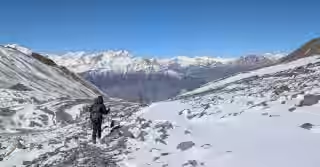
High altitude reduces oxygen supply to the body. At Thorong La, oxygen levels drop to nearly half of sea level. This change affects strength, balance, and focus.
Walking speed slows naturally. Muscles tire faster. Headaches and dizziness may appear. Even simple movements feel heavy. Rest breaks become frequent.
Sleep quality drops in the days before the pass. Appetite often reduces. These effects weaken energy levels on the past day. This makes Thorong La Pass difficulty feel higher than expected.
Slow ascent and proper acclimatization reduce this impact. Ignoring altitude effects increases serious risk.
Thorong La Pass Difficulty Compared to Other High Passes
High mountain passes in Nepal feel difficult for different reasons. Some demand technical skills. Some demand endurance. Thorong La Pass stands out due to long walking hours and cold exposure. The table below shows how it compares with other popular high passes.
Comparison of Thorong La With Other High Passes
Thorong La isn't Annapurna Circuit's High Passes. It does have other passes too. These stops lie in different elevations and have their own uniqueness.
1) Thorong La Pass: It stands at 5,416 meters and tests endurance more than skill. The pass requires long walking hours in thin air. Cold exposure lasts for many hours due to early starts. The climb feels gradual but never easy. The descent feels long and tiring for tired legs. This mix makes Thorong La demanding for most trekkers.
2) Renjo La Pass: It lies at 5,360 meters in the Everest region. The climb feels steep but shorter than Thorong La. Walking time stays lower on most days. Altitude still affects breathing near the top. Weather exposure feels shorter due to faster descent. Renjo La feels tough but less draining overall.
3) Cho La Pass: Cho La reaches about 5,420 meters and feels technical. The trail often includes ice and glacier sections. Trekkers may need to walk on snow even in peak seasons. Balance and footing matter more here. Cold exposure stays high near the top. Cho La feels hard due to terrain rather than long distance.
4) Kongma La Pass: This Pass stands at around 5,535 meters and feels remote. The trail lacks clear paths in some sections. Rock and loose terrain slow movement. Navigation feels harder during poor visibility. Altitude effects feel strong due to rapid height gain. Kongma La feels harder than Thorong La for route finding.
Weather Conditions That Increase Thorong La Difficulty
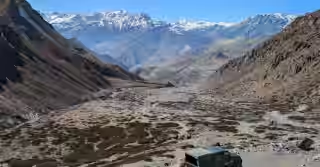
Spring Season (March to May)
Spring brings stable weather but cold mornings at high altitude. Morning temperatures range from -10°C to -5°C near the pass. Daytime temperatures rise to 0°C to 5°C under clear skies. Night temperatures drop again to -10°C or lower. Snow may remain on the trail early in spring. Wind often increases after midday.
Autumn Season (September to November)
Autumn offers clear skies and dry trails. Morning temperatures range from -8°C to -3°C at high camps. Daytime temperatures stay between 2°C and 8°C near the pass. Nights feel cold with temperatures dropping to -12°C. Wind remains moderate during most days. This season gives the most predictable conditions.
Monsoon Season (June to August)
Monsoon brings heavy rain to lower regions. Morning temperatures stay between 5°C and 10°C. Daytime temperatures rise to 10°C to 15°C in high areas. Nights remain around 0°C to 5°C. Clouds reduce visibility near the pass. Snowfall may occur during storms.
Winter Season (December to February)
Winter creates extreme conditions at Thorong La. Morning temperatures drop to -15°C to -20°C. Daytime temperatures rarely rise above -5°C. Night temperatures fall below -20°C. Strong winds increase frostbite risk. Heavy snow may block the route completely.
Physical Fitness Needed for Thorong La Pass
Crossing Thorong La demands steady physical strength. Fitness supports safe movement and energy control.
Endurance and Stamina
Long walking hours test endurance. Trekkers walk for many hours without long breaks. Strong stamina prevents early exhaustion.
Leg and Joint Strength
The climb stresses thigh muscles. The descent strains knees. Weak legs increase injury risk. Strength training supports joint safety.
Cardiovascular Fitness
Thin air reduces oxygen supply. Good cardio fitness improves breathing control. It helps maintain a slow and steady pace.
Balance and Stability
Loose gravel and snow affect footing. Core strength improves balance. Trekking poles support stability.
Poor fitness increases Thorong La Pass difficulty and fat
igue risk.
Mental Challenge of Crossing Thorong La Pass
Mental strength shapes how trekkers handle pressure. The pass tests patience and focus.
Cold and Early Start Stress
Trekkers start before sunrise. Darkness and cold affect motivation. Mental calm helps overcome discomfort.
Slow Progress and Fatigue
Altitude slows movement. Progress feels slow. Accepting a steady pace prevents frustration.
Fear of Altitude and Weather
Thin air and open terrain cause anxiety. Strong wind increases stress. Focus on breathing helps control fear.
Long Descent Fatigue
After the summit, the descent feels endless. Mental alertness prevents careless steps.
A calm mindset reduces mistakes and supports safe crossing.
Acclimatization and Its Role in Thorong La Difficulty
Acclimatization prepares the body for extreme altitude. It lowers sickness risk and improves strength.
Role of Acclimatization in Thorong La Difficulty
- Allows the body to adjust to low oxygen levels
- Reduces headache, nausea, and dizziness
- Improves sleep quality before pass day
- Maintains energy during long climbs
- Supports stable breathing at high altitude
- Reduces risk of serious altitude illness
Is Thorong La Pass Hard for Beginners?
Yes, Thorong La Pass is hard for beginners. The main reason is altitude. Most beginners have no experience above 5,000 meters. Thin air slows breathing and weakens the body. Long walking hours add pressure. Cold temperatures reduce comfort and energy. These factors combine to make the pass feel overwhelming for new trekkers.
Thorong La Pass for beginners becomes manageable only with proper planning. Extra acclimatization days help the body adjust. Slow walking protects energy. Physical training before the trek reduces fatigue. Beginners who rush or ignore rest face higher risk. With patience and support, many beginners still cross the pass safely.
Thorong La Pass Difficulty for Solo Trekkers
Thorong La Pass difficulty for solo trekkers remains higher than for guided trekkers. Solo trekkers carry full responsibility for health, weather judgment, and pacing. At high altitude, decision making becomes harder. Cold and fatigue increase stress. Any health issue feels more serious when alone.
Nepal has not banned solo trekking on the Annapurna Circuit or Thorong La Pass. However, solo crossing is not recommended due to safety risks. Weather can change fast near the pass. Altitude sickness needs quick response. Without support, response time increases. Many solo trekkers choose guides for pass day to reduce risk.
Porter and Guide Support on Thorong La Pass
A guide leads the route and monitors health. A porter carries trekking gear and reduces physical load. Both play an important role at high altitude.
Guides understand weather patterns and trail conditions. They watch for altitude sickness signs. They adjust pace and rest times. Their experience helps prevent risky decisions during fatigue.
Porters reduce backpack weight. Lighter loads save energy for the climb. This improves balance and reduces joint strain. With porter and guide support, trekkers focus on walking and breathing. This support makes the Thorong La crossing smoother and safer.
Best Time of Year to Cross Thorong La Pass Safely
Spring and autumn offer the best conditions for crossing Thorong La Pass. Weather stays stable during these seasons. Visibility remains clear for most days. Trails stay dry and firm. Temperatures stay cold but manageable. These conditions reduce risk and improve confidence on pass day.
Monsoon and winter remain the worst times to cross the pass. Heavy rain during monsoon creates slippery trails. Clouds reduce visibility. Landslides may block access. Winter brings heavy snow and extreme cold. These conditions increase danger and delay rescue support.
Thorong La Pass Difficulty in Winter with Snow and Ice
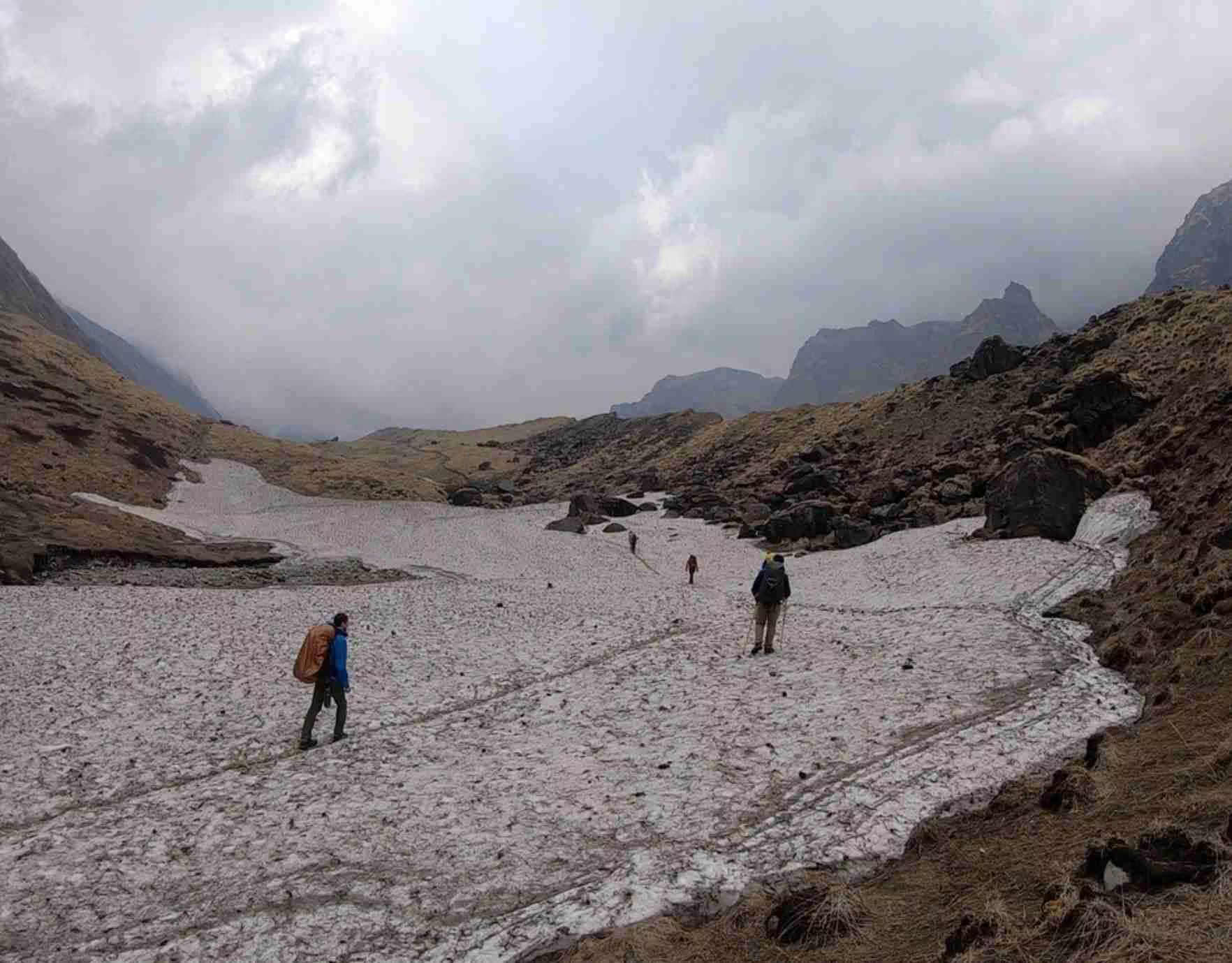
Winter conditions make Thorong La Pass very dangerous. Snow covers the trail above 4,500 meters. Ice reduces traction on steep sections. Temperatures drop to -20°C or lower at night. Wind increases frostbite risk. These conditions slow movement and raise exhaustion levels. Only expert trekkers with full winter gear should consider winter crossing.
Safety Tips to Reduce Thorong La Pass Difficulty
Proper safety habits lower risk and stress on pass day. Small actions can make a big difference. Respecting these tips supports safer crossing of Thorong La Pass.
- Start walking early to avoid strong winds and clouds.
- Wear layered clothing to manage cold and sweat.
- Drink water often to prevent dehydration at altitude.
- Eat small meals to maintain energy levels.
- Walk at a steady pace to control breathing.
- Use trekking poles to support balance on descent.
- Watch for headache, nausea, or dizziness at all times.
Final Verdict: How Hard Is Thorong La Pass Really?
The main challenge of the Annapurna Circuit comes at Thorong La Pass, which rises to 5,416 meters. This is one of the highest trekking passes in Nepal, and the altitude alone makes it demanding. The air is thin, temperatures drop well below freezing, and strong winds are common. The crossing day starts before sunrise and involves a long, steady climb followed by a steep descent. Even fit trekkers can feel weak, dizzy, or short of breath at this height.
Careful planning matters more than speed at Thorong La. Slow pacing, proper acclimatization, and close attention to weather conditions are key. Sudden snow or wind can make the pass harder to cross. Experienced guides help manage timing, rest stops, and safety on the ascent and descent. With trained support, trekkers can focus on steady movement and reach the pass with greater confidence and control.


No comments yet. Be the first to share your thoughts!