
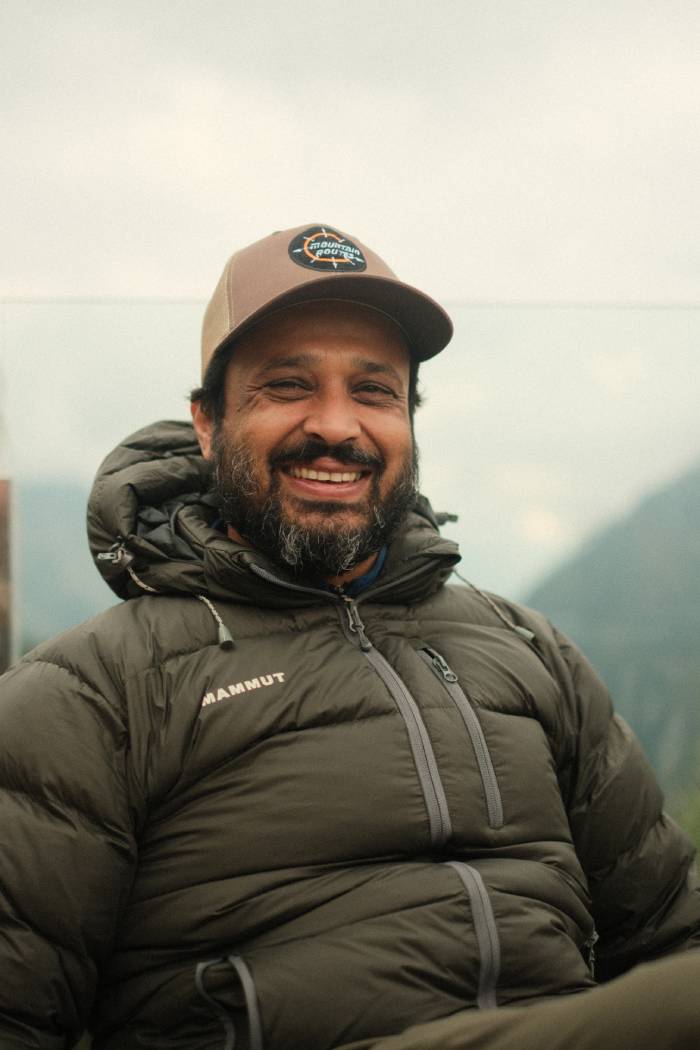
Annapurna Base Camp acclimatization is one of the real concerns on the Annapurna Base Camp Trek.
You will sleep above 3,000 metres in altitude at Annapurna Base Camp. Proper rest is very important when you are trekking to higher elevations.
On the seven-day trek to Annapurna Base camp, the nights at Deurali and Annapurna Base Camp deserve the most attention. Why?
It is because the route moves from about 3,200 m at Deurali to 4,130 m at ABC in just one day. So the way you feel on the upper trail matters more than simply staying on schedule.
You gain 930 m in sleeping altitude in one day. The sleeping altitude is faster than the usual guideline for gradual ascent above 3,000 m.
This does not tell us how your body will react, because people respond very differently to altitude. However, it does tell you where to slow the ascent, report symptoms early, and be willing to change the plan if needed.
The main point is simple: an itinerary is a plan, not a command to keep climbing.
New symptoms after a rise in sleeping altitude should change the decision for the next stage. The aim is to reach base camp feeling well enough to enjoy being there, not to win the itinerary of planned schedule.
Annapurna Base Camp altitude profile, Night by Night
The seven-day trek to Annapurna Base Camp starts at Jhinu Danda which is a trekking settlement after you drive from Pokhara. Then, you spend your first night at Chhomrong. Chhomrong is a Gurung Village on the way to Annapurna Base Camp. The next night is at Dovan, which is followed by a night at Deurali.
From Deurali, you pass Machhapuchhre Base Camp before continuing to Annapurna Base Camp.
The next day, you walk down to Bamboo, which brings your sleeping altitude down quickly. The sleeping altitudes are important for Annapurna because they show how quickly your sleeping altitude increases.
Day | Start | Planned sleep / end | Sleep change | Why it matters |
|---|---|---|---|---|
Day 1 | Jhinu Danda 1,780 m | Chhomrong 2,170 m | +390 m | First trekking sleep |
Day 2 | Chhomrong 2,170 m | Dovan 2,600 m | +430 m | Second sleep |
Day 3 | Dovan 2,600 m | Deurali 3,200 m | +600 m | First planned sleep above 3,000 m |
Day 4 | Deurali 3,200 m | ABC 4,130 m | +930 m | Passes MBC 3,700 m; highest planned sleep |
Day 5 | ABC 4,130 m | Bamboo 2,310 m | -1,820 m | Large descent |
Day 6 | Bamboo 2,310 m | Jhinu Danda 1,780 m | -530 m | Lower sleep |
Day 7 | Jhinu Danda 1,780 m | Pokhara 822 m | Lower | Road return |
At what point does altitude become more important on the Annapurna Base Camp trek?
Chhomrong is a village situated at about 2,170 m. If you are heading to Annapurna Base Camp, it gives you a relatively low first sleeping altitude on the trek.
Similarly, the next night is at Dovan, which is about 2,600 m. This is still below 3,000 m, where sleeping-altitude gains normally require more careful planning.
On Day 3, you reach Deurali, which is at about 3,200 m. This adds about 600 m to your sleeping altitude in one day. Day 4 is the most important day to witness..
You will leave Deurali and pass Machhapuchhre Base Camp, which is at about 3,700 m. Then you continue climbing to Annapurna Base Camp.
You then spend the night at Annapurna Base Camp, at about 4,130 m.
This is a rise of about 930 m from the night before. So, you need to pay attention to how you feel before leaving Deurali and again near Machhapuchhre Base Camp.
The next day, you walk down to Bamboo.
Your sleeping altitude drops once you reach Bamboo. Sleeping at a lower altitude reduces your exposure to high altitude.
But it does not fix a problem that has already started. So, in case you feel unwell while climbing, do not keep going just because you will descend tomorrow.
Your health matters more than following the plan on your schedule.
Why does the Deurali-to-ABC day deserve your attention?
The higher sections of the Annapurna Base Camp route need careful attention to altitude. Altitude illness can become a major concern at higher elevations, including serious conditions such as HACE and HAPE.
Once you begin sleeping above 3,000 m, you gain about 500 m in sleeping altitude per night. It is a common planning guide. But definitely not a strict rule for everyone.
It also cannot tell us who will get altitude sickness. But it helps us see why the Deurali-to-Annapurna Base Camp day needs careful planning.
The more useful question is whether your body is adapting well enough to continue climbing that day or not.
If you reach Deurali with symptoms like headache, nausea, dizziness, unusual tiredness, or loss of appetite, immediately tell your guide before starting the final climb.
Note: If you have symptoms of altitude sickness, do not sleep higher until you have been checked. If your symptoms worsen at the same altitude, you need to move lower and seek medical help.
There is No Planned Acclimatization Day in the 7-Day Itinerary
The standard seven-day package does not include a second night at Deurali or an overnight stay at Machhapuchhre Base Camp. The standard itinerary is designed for trekkers.
Any change to this itinerary should be planned in advance. If you want more time between 3,200 m and 4,130 m, you need a different itinerary. You can discuss this with us if you need any change of plans before you leave.
A slower Annapurna Base Camp trek itinerary will be good for you if you have had altitude problems before.
It may also help if you have little experience sleeping above 3,000 m or simply want more time to adjust. But an extra night can change your lodge bookings, staff time, transport and trip cost.
Note: You need to ask about these changes before booking. Do not assume that adding a night will be easy once you are on the trail because changes to the itinerary may affect the trip cost.
What Altitude Sickness Can Feel like on the ABC Trek?
Altitude sickness can start after you sleep at a higher elevation.
You may have a new headache, nausea, dizziness, unusual tiredness, or loss of appetite. These signs need attention after climbing higher.
Likewise, poor sleep is also common at high altitude. It does not always mean you have altitude sickness. Instead of trying to diagnose yourself, tell your trek guide how you feel.
If you have mild symptoms, what you do next matters more than trying to diagnose the condition yourself.
Do not climb higher while you have symptoms that may be caused by altitude. If you feel worse while staying at the same height, moving lower is safer. You might also need medical help.
Some symptoms are much more serious.
These include confusion, extreme sleepiness, trouble walking straight, shortness of breath while resting, a worsening cough or chest congestion.
If any of these happen, stop following the trekking plan. Descend immediately and get medical help. Reaching Annapurna Base Camp is not more important than your health.
Fitness, Water, and Diamox: Three Different Considerations
Being fit helps you to handle stairs, climbs, and long trekking days. But it does not protect you from altitude sickness that is caused by altitude.
Even a strong runner can feel unwell after gaining sleeping altitude too quickly. But a slower walker may continue a journey without trouble.
Fitness shows how well you can handle the physical work. Altitude affects how your body responds as you sleep at higher.
As a precaution, you need to drink enough water to stay normally hydrated.
But do not force yourself to drink three or four litres just because someone says it prevents altitude sickness. It is wrong.
Drinking too much water does not prevent altitude sickness. In fact, it will cause other health problems. The best way is to drink according to your normal needs, effort, heat, and thirst throughout the day.
Some trekkers also consult a doctor about acetazolamide, also known as Diamox, before a fast high-altitude trek.
But medicine is not permission to keep climbing when you have symptoms.
Note: Your medical history, other medicines, and past experience at altitude all matter. That is why this page does not give a personal dose.
How to Pace the Upper Two Days of the Annapurna Base Camp?
Dovan is a useful point to assess how your body is recovering before the first planned night above 3,000 m. At Dovan, the air is thinner, and oxygen availability is lower than at lower elevations
Likewise, Deurali is the more important checkpoint because the next night is at 4,130 m. If you wake up with new symptoms, you need to tell your guide before the group starts climbing.
Machhapuchhre Base Camp is a stop on this itinerary, not a planned overnight stay.
The Machhapuchhre Base Camp is a useful point to assess how you feel compared with Deurali
Am I feeling the same, better, or worse than I did at Deurali? If you feel worse as you climb, the itinerary should change before your symptoms become serious.
At Annapurna Base Camp, keep checking how you feel during the evening and night. The planned descent to Bamboo the next day helps because you sleep at a much lower altitude. However, severe symptoms need action sooner.
What happens next depends on your symptoms, the weather, your location, and the support available.
Would a slower ABC Itinerary Be an option ?
Some Annapurna Base Camp itineraries include more nights on the way to Annapurna Base Camp.”
Similarly, some itineraries also include an overnight stay at Machhapuchhre Base Camp. This can reduce the final sleeping-altitude gain.
It gives you more time to see how your body responds to the height in this region.This gives you more time to assess how your body responds before continuing higher.
A slower itinerary is another option if the pace of the seven-day trek worries you.
The best time to make this choice is before leaving Pokhara. You can ask how a slower schedule changes the price, lodge nights, staff time, and return transport.
Feeling well on a past high-altitude trek is useful information. However, it does not guarantee that your next trek will feel the same
Questions To Ask before Booking the Annapurna Base Camp Trek
Before booking, ask practical questions about altitude, itinerary changes, and what happens if you become unwell.
So, you need to be very clear. It is always better to ask the practical questions that come in handy for the trek.
- Before booking, ask what happens if you feel unwell at Deurali before the final climb.
- Can you stop for the day or not?
- Can you sleep at a lower altitude?
- Can the team arrange an extra night at a lodge?
- Ask what happens if one traveler needs to descend while others can continue.
- Find out how the trekking team communicates and how a changed itinerary affects lodging, meals, staff time, and transport.
Note: These answers matter because a safe altitude decision may change the rest of your itinerary.
Frequently Asked Questions
Does the seven-day ABC trek sleep at Machhapuchhre Base Camp?
No, you do not sleep at Machhapuchhre Base Camp. In fact, you pass Machhapuchhre Base Camp on Day 4 . Then you continue to Annapurna Base Camp, where you spend the night.
What is the biggest sleeping-altitude gain on the ABC trek?
Day 4 has the biggest sleeping-altitude gain for Annapurna Base Camp.
You have to climb from Deurali at about 3,200 m to Annapurna Base Camp at 4,130 m,This is the largest sleeping-altitude gain on the itinerary.
Is the Deurali-to-ABC rise faster than common acclimatization guidance?
Yes, the Deurali-to-ABC rise is faster than the common planning reference of about 500 m per night above 3,000 m.
You gain about 930 m from Deurali to Annapurna Base Camp in one day, which is the highest.
Does a fast sleeping-altitude gain mean I will get altitude sickness?
No, a fast sleeping-altitude gain does not mean you will get altitude sickness.
People respond differently to altitude . However, faster gains make it more important to check for symptoms. You need to be ready to stop climbing if you feel unwell.
Can good fitness prevent altitude sickness on the ABC trek?
No, but good fitness helps you handle the physical demands of the trek, but it does not prevent altitude sickness.
Should I force three or four litres of water each day?
No, you do not need to force yourself. No fixed amount of water prevents altitude illness.
The best approach is to stay normally hydrated and avoid forced overhydration.
Should I take Diamox for Annapurna Base Camp?
If you are considering to take Diamox , discuss acetazolamide with a clinician who knows your health history and route.
Do not use it as a reason to continue climbing when you have altitude symptoms.
What should I do if I feel sick at Deurali?
If you feel sick at Deurali, you need to report the symptoms to your guide before climbing higher.
Do not push yourself to a higher sleeping altitude if symptoms fit altitude illness.
What severe signs call for urgent action?
You will find several signs of confusion, loss of coordination, marked drowsiness, breathlessness at rest, or worsening chest symptoms .These symptoms require urgent action and medical help.
Would a longer ABC itinerary give you more time to acclimatize?
Yes, a longer itinerary can provide more time to adjust to increasing altitude and may allow sleeping altitude to increase more gradually. It will help your body adjust to high altitude and allow you to gain sleeping altitude more slowly.

No comments yet. Be the first to share your thoughts!