
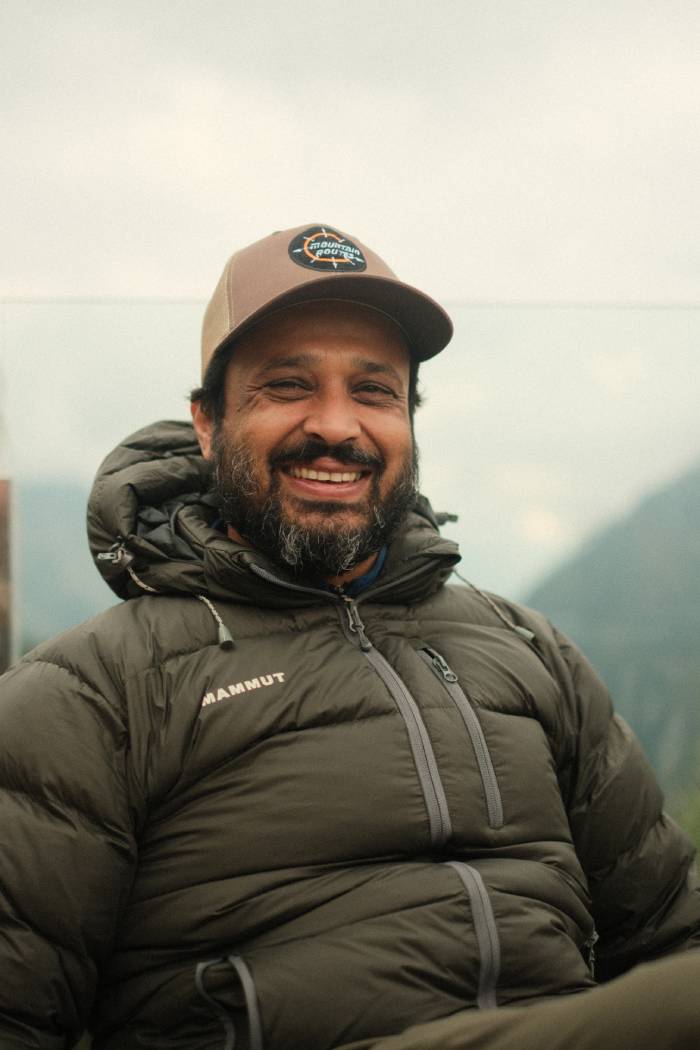
Wildlife Photography Trekking in Nepal
Best Destinations, Species & Expert Guide
Wildlife photography trekking in Nepal takes you to one of the world's most mixed natural landscapes. You might be surprised what Nepali habitat actually has to offer you.
This beautiful country is a gateway from tropical jungles in the south to alpine peaks in the north that also all within a few hundred kilometres.
You will find very rare and endangered species which are backed by strong conservation. If we talk about it , Nepal protects over 23% of its land through national parks and wildlife reserves.
These protected areas are well-managed and spread across the country's main geographic zones.
Because of this, wildlife populations here are stable and unique. Animals move through natural habitats without heavy human pressure. That makes sightings more predictable and photographs more compatible.
Here in this guide, we will help you plan a Nepal wildlife photography tour from start to finish. You will learn about the best destinations for each type of wildlife.
The species you are most likely to photograph, the right gear to bring, the permits you need, and the ethical rules that protect the animals you are there to shoot are written in the description below. Basically everything, that is important.
Whether you are picking up your camera for the first time or you have years of field experience, this guide gives you the information to make your trip count and fun.

Why Nepal Is a Dream for Wildlife Photographers ?
We described in the intro about what makes Nepal work so well for photographers. Yes, definitely the Geographical terrain.
In the Terai lowlands, you will find dense jungle and grassland everywhere with large mammals. In the mid-hills, bamboo forests shelter the red panda which might be quite rare because red pandas are rare.
Likewise, in the Himalayas, rocky slopes and glacial valleys give rare high-altitude species room to roam. No other country in South Asia packs this range into such a compact area.
Beyond geography, Nepal gives you practical advantages that matter to photographers.
This beautiful country has over 900 recorded bird species . This is more than the whole of Europe.
Large mammal sightings are regular in well-run national parks. Local naturalist guides you find here are experienced, affordable, and deeply knowledgeable about animal behaviour.
And if we talk about the pricing, the overall cost of a Nepal wildlife photography tour is far lower than comparable trips to Africa or South America.
Best Wildlife Photography Trekking Destinations in Nepal
1. Chitwan National Park
Chitwan is where most photographers start their wildlife photography tour. This National Park is in the southern Terai of nepal. It offers the most authentic big-mammal sightings in the country.
You will see the rare animals like one-horned Rhino, Bengal tiger, and Asian elephant.They all live here in good numbers which is a fun and lucky part to witness.
Chitwan National Park not only shows you the rare animals .You will be happy to see Sal forests, oxbow lakes, and tall elephant grass. It creates rich and different backdrops.
While in Chitwan, you can have a fun ride with Jeep safaris too .Likewise, the guided walks let you approach animals from a safe distance with a clear field of view .
Isn’t it a worth vacation to spend out of your busy life schedule?
Note: October–November and March–April are busy months. The weather is clear and beautiful. If you are planning to come here this time is perfect for everybody.
2. Bardia National Park
If you feel like Chitwan feels too busy or not your choice, Bardia is the answer. This place is located in far western Nepal.
As it is quite far by distance, this park is less visited but equally rich in wildlife like Chitwan National Park.
Fun fact about Bardia National Park
Is it is also the only place in the country where you can photograph the blackbuck. If you don’t know what “Blackbuck” is, it is a rare antelope with long, spiral horns found nowhere else in Nepal.
If you think of going here, a multi-day trekking safaris at this spot gives you enough time to find animals which is amazing..
Recent Tiger Census Data at Bardia National Park
You might not know this but Bardia National Park is home to about 125 wild Royal Bengal tigers. It has nearly as many as neighboring Chitwan National Park which has around 128.
But Bardiya’s core area is quite smaller and less disturbed by heavy tourism that’s why its tiger density works out to roughly double that of Chitwan that is about 8 tigers per 100 square km.
This high density reflects that it has strong prey availability and effective conservation efforts.
3. Sagarmatha National Park
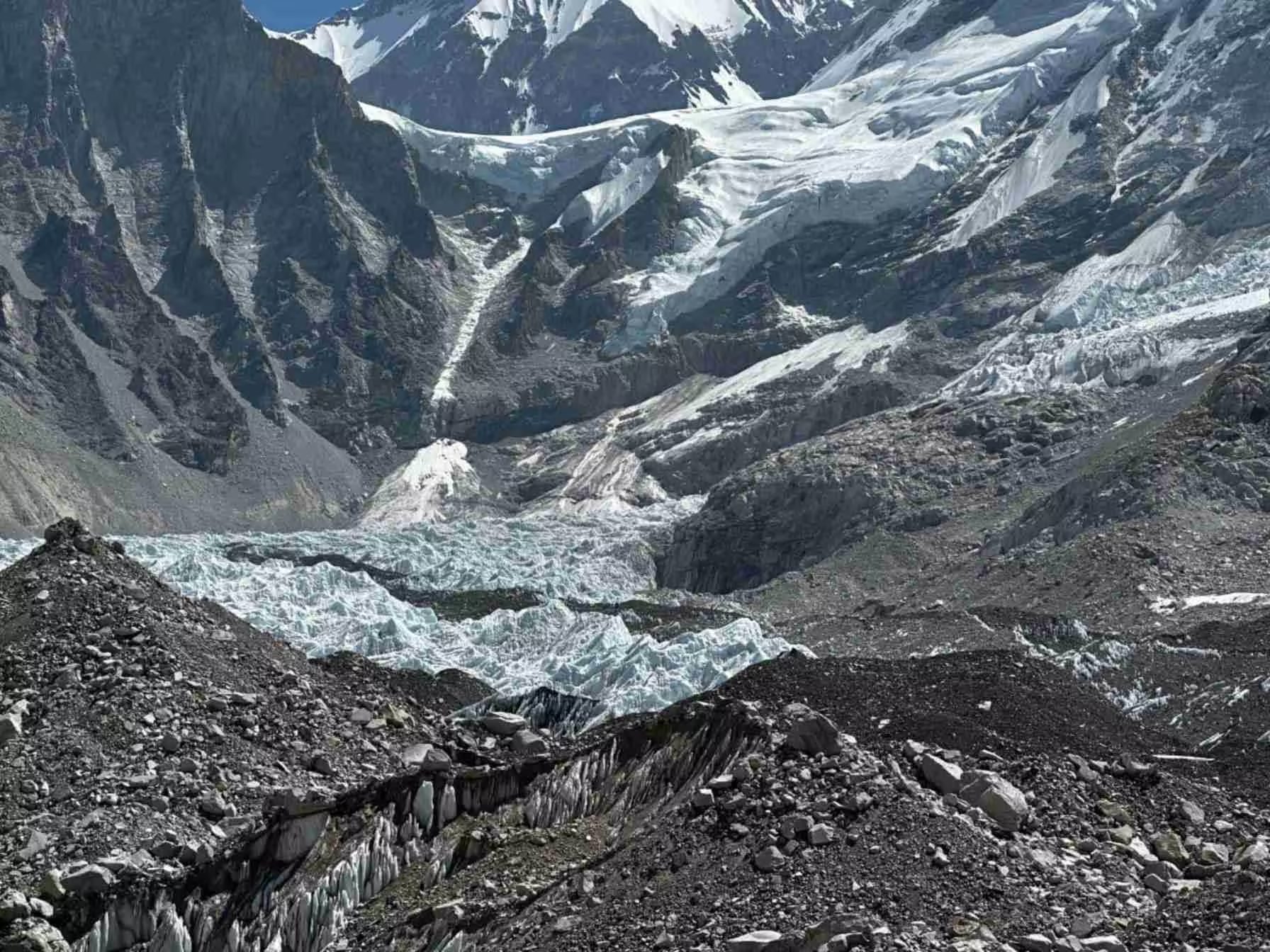
Sagarmatha National Park is located in the Everest region. It is Nepal's premier high-altitude wildlife photography destination.
Here, you will find the rocky terrain and glacial valleys everywhere. This is a home to many snow leopards. You will also see The Himalayan tahr, musk deer, and golden eagle at this destination.
The more authentic beauty to be honest is the dramatic mountain which fits well in your every frame.
4. Annapurna Conservation Area
The Annapurna region is located at a different elevation than the others. This is why it attracts different set of species. The Rhododendron and bamboo forests here are the major habitat for the red panda. These forests also shelter different variety of raptors, including the Himalayan griffon vulture.
Seasons to Visit:
If you want to visit Annapurna Conservation Area Spring is the best season to visit.
The rhododendrons that bloom everywhere, giving you lush, vivid backgrounds will steal your heart away. If you are into photography, this is definitely the best timeframe.
5. Koshi Tappu Wildlife Reserve
This might remain a standout reserve for you. Means to say , if you are into photography for birds in Nepal, no destination matches Koshi Tappu.
This reserve is located in the eastern Terai . It sits along the Koshi River flood plain.
In winter, it attracts hundreds of migratory species from Central Asia and Tibet. Amazing right?
The best part is you can photograph rare waders, ducks, and shorebirds against open water and grassland.
Koshi Tappu also shelters the wild water buffalo . Wild water buffalo is one of Asia's rarest large mammals .
This works as an opportunity for mammal photographers in Koshi Tappu Wildlife Reserve.
Iconic Wildlife Species You Can Photograph in Nepal
Each destination above has a cast of species worth chasing. Now let’s check out the animals that draw wildlife photographers to Nepal again and again.
Big Mammals
• Bengal Tiger:
Bengal Tiger are found in Chitwan and Bardia. If you want to see them you have to wait patiently near water holes and river edges. This will give you the best chances to witness them.
• One-Horned Rhino:
One- Horned Rhino are commonly seen in Chitwan.
They are large and slow-moving. This is why it makes them ideal subjects for detailed portraits.
• Snow Leopard:
Snow Leopard are elusive and rare. If you want to see them, the best chance is in Sagarmatha or the Manang Valley. You can especially see them in winter when prey animals descend lower.
• Asian Elephant:
Asian elephant are spotted in Chitwan and Bardia. They move through tall grass in herds, .
As it is one of the biggest animal among all, this definitely will make you realize how small we humans actually are.
Rare and Endangered Species
• Red Panda:
We all have heard about Red Panda. They are cute but very rare. If you really want to see them, you can find in Annapurna and Langtang forests in between 2,500 and 4,000 m.
Red Panda mostly stays in bamboo groves. You can spot them early in the morning. Sometimes you might have to wait longer if you really want to see them.
• Gharial Crocodile:
This Gharial Crocodile is found in the Rapti and Karnali rivers. They are one of the most unique and endangered crocodilians in the world.
Known for its extremely long, narrow snout filled with sharp interlocking teeth, the gharial is specially adapted for catching fish.
• Blackbuck:
Blackbuck is a fast-moving antelope found only in Bardia. Adult males carry striking spiral horns and move in open grassland . These are ideal for action shots.
Best Time for Wildlife Photography in Nepal
We know the confusion sometimes might actually drive you crazy. But knowing the right time is one of the mandatory factor.
Nepal has four different seasons, and each one changes the conditions like the species activity, and the quality of light.
The table below lays out the key details at a glance.
Seasons for Photography
Season | Best Location | Species | Photography Advantage |
|---|---|---|---|
Autumn( Oct-Nov) | Chitwan, Badia | Tigers, Rhinos, Elephants | Clear skies, Greenery everywhere |
Winter( Dec-Feb) | Koshi Tappu, Chitwan | Migratory birds, Gharial | Sharp light, Less humidity |
Spring(Mar-Apr) | Annapurna,Bardia | Snow Leopard, Red Panda | Active wildlife, Blooming forests |
Monsoon (Jun- Sep) | Limited access | Limited sightings | Not ideal for photography |
Peak seasons for Wildlife Photography in Nepal
Autumn and spring are the two strongest timeframe for wildlife photography trekking in Nepal.
You will find dry, clear air after the monsoon ends during autumn and spring. Forests at this time are green and lovely. Animals are active near water sources and is the perfect timing to catch glimpse.
Likewise, Spring brings warmer temperatures and longer days. Wildlife is highly active as animals feed after winter.
Note: The monsoon, from June to September, is the one season to avoid. Heavy rain floods jeep tracks, leeches cover forest paths.
Thick cloud blocks the light for most of the day. This is the most unapproachable timing ,so avoid it.
Wildlife Photography Gear Checklist
The right gear does not guarantee great shots, but the wrong gear will cost you opportunities. Nepal's difficult terrain that is from humid jungle to high-altitude cold makes you carry different demands on your equipment. Here are some essentials that you need to pack:
Camera Equipment
• Telephoto lens (200-600mm):
This focal range lets you keep a safe distance from animals while still filling the frame with detail.
• Fast shutter speed:
You need at least 1/1000s to freeze fast-moving wildlife without motion blur.
• Tripod or monopod:
A monopod is lighter for trekking .It steadies your shots during golden hour when light is low.
• Extra batteries:
Cold temperatures at high altitude will drain your batteries faster than normal. It is best to carry at least three fully charged batteries with you.
• High-speed memory cards:
Burst shooting fills cards very quickly. Bring several large-capacity, fast-write cards. This is the best option. Better safe than sorry.
• Lens cloth and dry bags:
Humidity in the Terai and dust on trekking trails both damage lenses and sensor covers. Carry lens cloth and dry bags in order to ignore such problems in the journey.
Trekking Essentials
• Neutral-coloured clothing:
It is best if you wear olive, khaki, or brown. Bright colours alert animals before you are close enough to shoot.This might create you in danger.
• Rain protection:
A light waterproof jacket and a rain cover for your camera bag are non-negotiable in Nepal for any type of trekking.
• Lightweight backpack:
A 20-30 litre pack with a padded hip belt keeps weight off your shoulders on long days.
• Permits and documents:
Always carry printed or digital copies of your permits and passport photo page. This is mandatory if you want to avoid difficult situations. Some things are non-refundable and also non-negotiable.
Permits and Regulations in Nepal
Before you enter any national park or trekking area in Nepal, you need to carry the correct permits.
Different zones require different documents.the best tip is applying in advance . It saves your time and avoids delays at entry checkpoints.
• National Park Entry Permit:
It is required for Chitwan, Bardia, Sagarmatha, and all other national parks.
You can purchase it at the park entry gate or through a registered trekking agency in Kathmandu like Mountain Routes. We are happy to help you.
• TIMS Card (Trekkers' Information Management System):
This TIMS permit is required for most trekking regions, including Annapurna and Everest base camp areas.Make sure to double c
• Annapurna Conservation Area Permit (ACAP):
Annapurna Conservation Area Permit (ACAP) is a separate permit required for all travel within the Annapurna region.
• Drone Regulations:
Flying a drone inside a national park requires prior written approval from the Civil Aviation Authority of Nepal. You have to apply at least a month before in advance.
•Restricted Area Permits:
Some zones, including Upper Mustang and Upper Dolpo, need a special restricted area permit. These have daily entry limits and higher fees compared to the other permits in Nepal..
Expert Tips for Wildlife Photography Trekking
Good field habits matter more than expensive gear. Most of the tips are from experienced wildlife photographers who have worked in Nepal's parks and forests for years.
Each one addresses a common mistake that costs photographers their best shots.
Be patient:
Most successful sightings happen when you stay still and let the animal come to you. Moving less means missing less. So, stay calm and wait patiently.
Use a local guide:
Local naturalist guides know animal movement patterns, feeding times, and safe tracking routes. They put you in the right place before the animal arrives.
Shoot at golden hour:
The best light falls in the first hour after sunrise and the last hour before sunset. Structure your safaris around these windows, not during the day time.
Use silent shutter mode:
Many cameras have an electronic or quiet shutter. Use it near sensitive species like red pandas and snow leopards so you do not disturb their natural behaviour.
Keep your distance:
Your telephoto lens exists for a reason. Staying far from animals reduces stress on them and keeps you safer. Never follow, corner, or cut off an animal's escape route.
Move slowly and low:
Quick movements scare animals away. Crouch down, take slow steps, and pause often to let the animal settle.
Stay downwind:
Animals detect humans by smell long before they see or hear you. Position yourself with the wind in your face to avoid giving yourself away. Be protective and enjoy the sight. Responsible and Ethical Wildlife Photography
As a visiting photographer, your choices in the field either add to that pressure or help reduce it. Below are the fewer tips that might work at your favour:
• Never use bait to attract animals.
It hampers their natural behaviour and can make them dependent on human food, which is dangerous for both animals and people.
• Do not use flash near nocturnal animals or sensitive species.
Flash can temporarily blind animals and cause them to abandon their young or their territory.
• Stay on marked trails.
Walking off-path compacts soil, destroys ground-nesting habitats, and exposes animals to unnecessary human contact.
• Keep noise to a minimum.
Speak softly in the field and switch all devices to silent mode before entering forest areas.
• Support local guides and eco-lodges.
Spending money locally puts income directly into communities that benefit from conservation, giving them a reason to protect wildlife.
• Never post exact GPS coordinates of rare species online.
Sharing precise locations of snow leopards, red pandas, or gharials can attract poachers.
• Carry out all your waste by yourself.
Leave every trail, hide, and campsite in better condition than you found it. It’s your responsibility.
Why Nepal Should Be on Every Wildlife Photographer's List ?
If we really have to talk about it, Nepal's strong conservation culture is not just an ethical bonus, it is a practical advantage for photographers in fact for everybody.
Stable wildlife populations, well-run parks, and experienced local guides all flow from years of committed conservation work. When you photograph here, you are working within a system that protects the animals you came to shoot.
Nepal is also more affordable than other top wildlife photography destinations. Entry permits, guide fees, accommodation, and food all cost a fraction of what you would pay in East Africa or the Amazon.
That lower cost means you can spend more days in the field without stretching your budget. More days in the field means more sightings, more variety, and better photographs.
The combination of habitats is the final reason Nepal stands apart. No other South Asian country lets you photograph a one-horned rhino in the morning, a red panda in the afternoon, and rare Himalayan raptors the next day all without leaving Nepal.
That geographic range, which we described in the opening, is what gives wildlife photography trekking in Nepal a depth that few other destinations can match.
Pack your longest lens, confirm your permits, and trust your local guide. Nepal's wildlife is waiting for your adventures
Additional Destinations for Trekking Photography
Above we only talked about how Chitwan and Bardia has a lot to offer us for photography. But Nepal will never disappoint us. The photography takes you beyond Chitwan and Bardia.
Langtang National Park
There are other high-altitude destinations like Langtang National Park. This destinations is also the best for photography.
You will get perfect red panda shots if you are really fond of wildlife . You can spot them cutely under bamboo forests.
Upper Dolpo
Another destination is Upper Dolpo. You will find snow leopard options to photograph . This destination is far but culturally rich. It has beautiful landscapes.
Upper Dolpo offers you the unique challenges that offers you multiple species.You will love to explore as this is one of the fun-filled adventure .
Bird Photography Section
With over 850 bird species, Nepal is perfect for avian photography. You can get shots for Himalayan monal in highlands and migrants in lowlands.
Koshi Tappu Wildlife Reserve is the perfect place for winter birding, along with wetlands hosting Bengal florican and sarus crane for action shots.
Key tips: shoot in soft morning or afternoon light. Make use of telephoto lenses with stabilizers. Employ hides to avoid disturbance, as rivals often use these techniques for perfect capture.
Sample Itineraries and Costs
This is a very rough itinerary. You can contact Mountain Routes for actual and accurate costing for your tour and trips.
If you choose 5-7 day Chitwan safaris , it is available for USD 790-1,200. It covers guides and accommodations too.
Likewise, longer 10-12 day treks to Langtang or Dolpo, including porters and trackers is from USD 1,500-1,850 with permits.
It entirely depends upon the number of days you choose.
For more information, contact Mountain Routes
Advanced Techniques for Photography
This might be something that no one has told you till now but we are definitely here for you. No worries:
- Track snow leopards through pugmarks, scat, and camera traps in low light.
- Use macro lenses for red panda fur and flora like rhododendrons with diffusers.
- Use post-processing in tools like Lightroom. It enhances contrast and colors, without altering facts.
Health and Safety
High altitudes are a fun-way but not definitely the easy way. It is full of adventures , worth it but sometimes the risks can be overwhelming. There are chances of altitude sickness. It is a threat to your life and Mountain Routes is concerned for you.
Below are the fewer tips that ill help you for your adventures no matter where you go:
- Acclimatize slowly
- Hydrate. Drink time-to-time water even if you are not thirsty.
- Use meds like acetazolamide. It helps your body adjust to high altitude.
- Descend if symptoms arise
- Get your insurance for gear, evacuations, and cancellations.
- Pack layers, boots, and beacons for remote challenges, with licensed guides. This is mandatory.
Conclusion
No matter where you go in Nepal, it is rich in everything. If you have to photograph not just the wildlife, you will be amazed to see the diversified culture, the different languages to offer and many more.
The people you meet here are soft and sweet. They believe guests are god.
But for photography trekking in Nepal, you will find 12 National Parks, 1 Wildlife Reserve, 6 Conservation Areas and 1 Hunting Reserve which we think is enough.
From golden sunrises touching the Himalayas to prayer flags dancing in the mountain wind, every way offers a new perspective.
Every village tells a different story. Every face carries a lifetime of memories and warmth.
This is enough to explore, photograph and make memories.
Because we believe, in Nepal even the silence is photogenic.
No comments yet. Be the first to share your thoughts!