
Thangka painting represents Nepal's most refined religious art form combining spiritual devotion with technical mastery.
Dating from 7th-11th centuries, this Tibetan-influenced tradition creates portable scroll paintings depicting Buddhist and Hindu deities, mandalas, enlightenment narratives, and cosmological diagrams. Unlike conventional painting, Thangkas follow strict iconographic rules governing proportions, colors, symbols, and composition ensuring religious accuracy and spiritual potency beyond mere aesthetic beauty.
Traditional Thangka creation requires specialized materials including cotton or silk canvas, mineral and organic pigments ground into water-soluble dyes, and herbal glue solutions binding colors to fabric. Painting process involves meticulous preparation, precise drawing following sacred geometry, gradual color application in prescribed sequences, and final consecration transforming artwork into sacred object. Understanding these spiritual and technical dimensions distinguishes authentic religious art from decorative reproductions flooding tourist markets.
Thangka Painting Workshop offers immersive experience learning from master artists maintaining centuries-old techniques. Participants discover traditional preparation methods, iconographic principles, painting techniques, and spiritual meanings embedded within every element. While mastery requires years of dedicated practice, single-day workshops provide foundational understanding and hands-on experience creating simple designs. Extended programs allow deeper skill development and complex deity paintings demonstrating genuine artistic achievement.
Understanding Thangka Painting Tradition
Historical Development and Spiritual Purpose
Tibetan Buddhism's arrival in Nepal during 7th century brought Thangka painting traditions merging with indigenous Newari artistic sensibilities. Early masters studied under Tibetan teachers absorbing iconographic knowledge and painting techniques. Over centuries, Nepali Thangka developed distinctive characteristics while maintaining religious authenticity. Newari communities particularly embraced this art form calling paintings "paubhas" in Nepal Bhasa language.
Religious function defines Thangka purpose beyond decoration. Paintings serve as meditation focuses helping practitioners visualize deities and spiritual concepts. Teaching tools illustrate Buddha's life stories, cosmological principles, and tantric practices. Merit-making offerings create positive karma benefiting donors and artists. Pilgrimage souvenirs allow devotees carrying sacred images to distant locations. Understanding spiritual purposes contextualizes technical perfection as religious necessity rather than artistic vanity.
Iconographic Rules and Sacred Geometry
Strict proportional systems govern deity depictions ensuring recognizable forms meeting religious standards. Measurement grids based on finger-widths determine body proportions, facial features, and ornament placements. Deities maintain prescribed postures (mudras), hand gestures, and attribute objects identifying specific forms. Colors carry symbolic meanings—white for purity, red for passion/power, blue for wisdom, green for activity, yellow for wealth.
Mandala compositions follow geometric principles representing cosmic order and enlightenment paths. Circular designs contain square palaces housing central deities surrounded by attendant figures in prescribed arrangements. Understanding these mathematical and symbolic systems reveals sophisticated knowledge underlying apparently simple religious images. Masters spend years memorizing proportions, symbols, and meanings before achieving competent independent work.
Materials and Preparation Process
Canvas preparation begins Thangka creation requiring days before painting commences. Cotton or silk fabric stretches taut on wooden frames. Multiple gesso layers (chalk mixed with hide glue) create smooth white surface. Careful sanding between layers achieves perfect smoothness essential for fine detail work. Quality preparation determines final painting quality—rushed preparation creates flawed foundations impossible correcting later.
Pigment preparation involves grinding minerals (lapis lazuli for blue, malachite for green, cinnabar for red) or processing organic materials (saffron for yellow, indigo for darker blue) into fine powders. Mixing with water and binding agents creates paint consistency suitable for delicate brushwork. Traditional recipes remain closely guarded secrets though modern materials sometimes substitute for expensive traditional pigments while maintaining visual authenticity.
Painting Process and Techniques
Initial drawing establishes composition using charcoal or pencil following measurement grids. Central deity occupies primary position with attendant figures, decorative elements, and landscape backgrounds filling surrounding spaces. Corrections occur during drawing stage as paint application permits minimal changes.
Color application follows prescribed sequences. Background areas receive base colors first. Deity figures build up through multiple thin layers creating smooth color transitions and dimensional effects. Gold details apply last highlighting important elements and creating luminous accents. Facial features require supreme delicacy with eyes painted in final stages—tradition holds paintings become spiritually alive once eyes completed.
Shading and highlighting techniques create three-dimensional appearance despite two-dimensional surface. Understanding light sources, color mixing for shadows/highlights, and gradual blending requires extensive practice. Fine brushes made from animal hair allow precise detail work. Steady hands and concentrated focus maintain control during hours of sustained painting.
Workshop Experience and Learning Activities
Meeting Master Thangka Artists
Workshop introduction includes meeting hereditary or trained master artists. Listening to personal journeys—initial training experiences, memorable commissions, spiritual practices informing work, and concerns about tradition preservation—humanizes abstract heritage discussions. Many masters emphasize meditation and devotional practices as essential foundations for authentic sacred art creation beyond technical skill alone.
Observing masters working demonstrates fluid movements, confident brushstrokes, and focused concentration developed through years of practice. Watching blank canvas transform into luminous deity images creates awe inspiring respect for traditional mastery. Questions about specific techniques, symbolic meanings, or spiritual dimensions receive patient explanations though some esoteric knowledge remains restricted to initiated practitioners.
Understanding Iconography and Symbolism
Before painting begins, comprehensive instruction covers Buddhist cosmology, deity pantheon, and symbolic systems. Learning about different Buddha forms, bodhisattvas, protective deities, and their attributes provides context for visual representations. Understanding mudras (hand gestures), colors, ornaments, and postures as meaningful religious language rather than arbitrary artistic choices transforms viewing Thangkas from aesthetic appreciation to religious reading.
Examining existing Thangkas identifies individual elements explaining their significance. Central deity identification through attributes and postures. Attendant figure roles and relationships. Landscape elements representing spiritual realms. Decorative motifs carrying symbolic meanings. This analytical viewing develops visual literacy essential for both creating and appreciating sacred art.
Canvas Preparation Demonstration
Workshops include demonstrations of traditional canvas preparation though time constraints prevent participants completing full preparation sequences. Watching fabric stretching, gesso application, and surface preparation reveals labor-intensive foundation work invisible in finished paintings. Understanding preparation importance prevents rushing this crucial stage and increases appreciation for master works requiring weeks of preparation before first paint application.
Some extended workshops allow participants preparing canvases experiencing full traditional process. However, most use pre-prepared surfaces allowing immediate painting practice within limited timeframes. Understanding this pragmatic compromise acknowledges authentic process while accommodating practical constraints.
Drawing Practice and Proportional Systems
Initial painting exercises involve copying simple designs learning proportional systems and basic forms. Grid-based drawing teaches measurement techniques ensuring accurate proportions. Tracing templates familiarizes hand movements with curved deity forms and decorative elements. Repeated practice develops muscle memory and visual judgment essential for freehand drawing.
Participants discover physical demands—sustained hand control, precise movements, and visual concentration requiring patience and persistence. Mistakes teach valuable lessons about planning, correction techniques, and accepting imperfection as natural learning process. Completed drawings, however simple, provide tangible accomplishments demonstrating skill development.
Color Application and Painting Techniques
Actual painting begins after drawing completion. Working with prepared pigments, participants learn brush handling, paint consistency, and application techniques. Filling large background areas teaches even color application. Detail work on deity figures develops fine motor control. Shading and highlighting introduce dimensional painting creating three-dimensional appearance.
Masters guide each step providing technical corrections and encouragement. Understanding that traditional training required years of repetitive practice before independent work sets realistic expectations about single-session limitations. However, experiencing actual painting process creates profound appreciation impossible through observation alone.
Spiritual Dimension and Meditative Practice
Throughout technical instruction, discussions explore spiritual dimensions distinguishing sacred art from secular painting. Understanding artist mental states—meditation focus, devotional attitude, and spiritual intention—as essential components beyond manual skill. Some workshops include brief meditation sessions cultivating mental focus and spiritual awareness supporting painting practice.
Learning about consecration ceremonies transforming completed paintings into sacred objects reveals religious function beyond artistic achievement. Understanding that authentic Thangkas receive blessing rituals installing spiritual presence distinguishes them from purely decorative reproductions. This knowledge helps evaluating market Thangkas identifying genuine religious art versus commercial products.
Workshop Variations and Extended Programs
Single-Day Workshop Format
Standard one-day workshop (6-8 hours) introduces Thangka tradition through lectures, demonstrations, and guided painting practice. Participants complete simple designs—perhaps decorative border patterns or basic deity outlines—taking home as souvenirs. Realistic expectations about skill development in limited time prevents disappointment while providing genuine introduction to complex tradition.
Lunch breaks often occur with master artists or in nearby traditional restaurants extending cultural immersion. Conversations explore contemporary challenges facing traditional arts, master-apprentice relationships, and hopes for preservation. These informal exchanges humanize abstract heritage concerns through personal perspectives.
Extended Workshop Programs
One-month intensive programs allow substantial skill development completing increasingly complex projects. Participants progress from simple patterns to full deity paintings demonstrating genuine artistic growth. Extended time permits thorough canvas preparation, comprehensive iconographic study, and multiple painting attempts refining techniques.
Longer programs include visits to monastery Thangka collections examining masterworks, meetings with multiple artists understanding different styles and specializations, and participation in consecration ceremonies revealing spiritual dimensions. Some programs involve homestays with artist families creating profound cultural exchanges and mentorship relationships continuing beyond formal workshop completion.
Customization and Skill Levels
Programs adapt to participant backgrounds and interests. Artists with existing painting skills might skip basic technique instruction focusing on iconographic knowledge and Thangka-specific methods. Buddhist practitioners could emphasize spiritual dimensions and meditative practice. Art historians might explore stylistic evolution and attribution methodologies.
Complete beginners receive comprehensive introductions assuming no background. Patient instruction, repeated demonstrations, and encouragement support learning despite inevitable initial struggles. Understanding that everyone begins awkwardly prevents discouragement when first attempts produce uneven results.
Practical Workshop Information
Location and Facilities
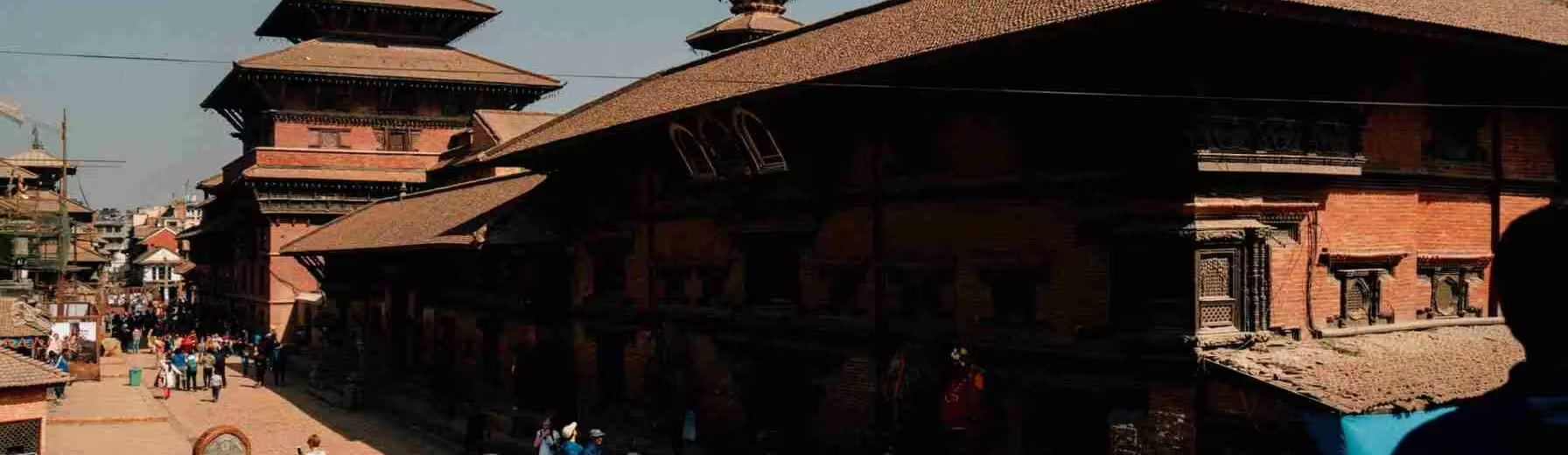
Workshops typically occur in Patan, Bhaktapur, or Kathmandu areas with active Thangka painting communities. Studio settings provide adequate lighting, workspace, and material storage. Expect simple conditions focused on learning rather than luxury amenities. Traditional atmosphere enhances authentic experience though lacks modern comforts.
What's Included
Workshop fees cover instruction from master artists, necessary materials (prepared canvas, pigments, brushes), cultural interpretation, and completed artwork keeping as souvenirs. Extended programs include additional materials for multiple projects and comprehensive iconographic instruction.
Additional Costs
Meals require separate payment though nearby restaurants offer affordable traditional cuisine. Purchasing completed Thangkas from master artists supports livelihoods directly while ensuring authentic quality—prices vary by size, complexity, and materials ranging from modest decorative pieces to museum-quality masterworks requiring months of creation.
Accommodation separate though workshop organizers suggest nearby guesthouses. Bhaktapur or Nagarkot overnight stays combine workshop participation with heritage exploration or mountain viewing at additional cost.
Physical and Mental Requirements
Fine motor skills and visual acuity essential for detail work. Sustained concentration over hours requires mental stamina. Patience accepting gradual progress prevents frustration. No previous painting experience necessary though artistic background helps. Most important—genuine interest in spiritual art and respectful attitude toward sacred traditions.
Best Timing
Workshops operate year-round though October-November and February-April offer pleasant weather. Avoiding extreme summer heat or winter cold improves comfort during extended studio sessions. Coordinating with Patan Durbar Square visits or Buddhist festivals enhances overall cultural experience.
Frequently Asked Questions
How long to learn Thangka painting properly?
Traditional apprenticeship requires 3-5 years minimum achieving competent independent work. However, introductory workshops provide foundational understanding and appreciation. Extended month-long programs develop genuine basic skills.
Can non-Buddhists participate?
Absolutely. Respectful interest and willingness learning spiritual dimensions suffices. Understanding religious context enriches appreciation though personal Buddhist practice not required. Masters welcome sincere students regardless of religious background.
How identify authentic vs. commercial Thangkas?
Masters teach recognition—hand-painted vs. printed, traditional materials vs. synthetic, proper iconographic proportions, spiritual consecration. Purchasing through workshop teachers ensures authenticity while supporting traditional artists.
What can I accomplish in one day?
Simple border patterns, basic deity outlines, or decorative elements. Not complete complex deity paintings requiring weeks. However, experiencing authentic process and creating personal souvenir provides meaningful introduction.
Are materials safe and non-toxic?
Traditional mineral pigments generally safe though some (cinnabar, lead white) require careful handling. Modern workshops often use safer synthetic alternatives maintaining traditional appearance. Masters provide guidance about material safety.

No comments yet. Be the first to share your thoughts!