

Bhaktapur represents Nepal's artistic soul preserving traditional crafts that modern industrial processes displaced elsewhere.
Located 13 kilometers east of Kathmandu, this ancient city maintains pottery traditions spanning 2,600 years since origins traced to Buddha's birthplace Lumbini. Pottery Square (Talako Tole) continues as working craft center where Prajapati caste families practice hereditary skills passed through generations. Visiting this UNESCO World Heritage city provides hands-on experience learning pottery wheel techniques while supporting artisan communities maintaining endangered traditional knowledge.
Understanding Bhaktapur's Pottery Heritage
Ancient Origins and Cultural Significance
Archaeological evidence confirms pottery production in Nepal dates to 2,600 years ago during Buddha's lifetime in Lumbini. Clay vessels served essential functions—storing grain and water, cooking food, and conducting religious ceremonies. Different regions developed distinctive styles reflecting local clays, firing techniques, and cultural preferences. Bhaktapur's Newar community particularly excelled creating utilitarian and decorative pottery becoming regional center.
Prajapati families maintain pottery as hereditary occupation passing knowledge father to son across centuries. Traditional caste system designated specific communities for particular crafts creating specialized expertise. Though caste restrictions legally abolished, craft specialization continues through family traditions. Understanding pottery making within this cultural framework reveals how social structures preserved technical knowledge.
Traditional Tools and Techniques
Potter's wheel (chakra) remains primary tool—a heavy stone or concrete disc mounted on vertical axis allowing continuous rotation. Foot or hand power spins wheel while potter shapes clay using hands, wooden tools, and water. This ancient technology requires no electricity demonstrating sustainable craft methods. Watching experienced potters transform clay lumps into symmetrical vessels within minutes reveals mastery developed through decades of daily practice.
Clay preparation involves collecting local earth, removing stones and debris, and mixing with water achieving proper consistency. Too dry clay cracks during forming. Overly wet clay collapses lacking structural integrity. Finding correct moisture balance requires tactile sensitivity developed through experience. Some clays require additives like sand or previous pottery fragments (grog) improving workability and firing strength.
Pottery Square: Living Cultural Landscape
Pottery Square occupies open plaza where hundreds of vessels dry simultaneously creating spectacular visual displays. Red-orange clay pots spread across ground in organized rows—water jars, flower pots, religious lamps, and decorative items. Sunlight exposure dries leather-hard stage before kiln firing. Seasonal monsoon rains complicate production requiring covered drying areas protecting unfired pottery.
Surrounding workshops show various production stages—clay preparation areas, wheel throwing spaces, and traditional wood-fired kilns. Families work cooperatively with different members handling specific tasks. Women often prepare clay and finish surfaces while men typically throw vessels on wheels. Children learn gradually starting with simple forms progressing to complex shapes as skills develop.
Pottery Workshop Experience
Introduction and Demonstration
Workshop begins with experienced potter demonstrating basic techniques. Watching skilled hands centering clay, opening forms, and pulling walls upward looks deceptively simple. Potters explain each step's purpose and common challenges beginners encounter. Understanding that expertise requires years of practice sets realistic expectations about single-session accomplishments.
Clay properties, wheel mechanics, and body positioning receive explanation before hands-on attempts. Proper posture prevents fatigue and increases control. Hand positions for different forming stages require specific angles and pressure. Learning these fundamentals through demonstration before attempting creates better foundation.
Hands-On Practice
Participants receive prepared clay balls and wheel positions for individual practice. Initial attempts typically create wobbly, asymmetric results provoking laughter and humble appreciation for potter's skill. Instructors provide patient guidance adjusting hand positions, suggesting pressure modifications, and encouraging persistence. Most beginners eventually create recognizable bowls or cups though rarely achieving professional symmetry.
Clay's responsive nature provides immediate feedback. Too much pressure collapses walls. Insufficient centering creates off-balance spinning. Inconsistent thickness causes structural weakness. These failures teach more effectively than success about clay properties and wheel dynamics. Understanding that mistakes represent essential learning prevents discouragement.
Finishing and Drying Options
Completed pieces require careful handling given fragile wet clay state. Instructors assist trimming excess clay and smoothing surfaces. Participants choosing to keep creations understand drying requirements—two days in summer, three in winter before kiln firing. Advanced planning necessary for travelers wanting finished pieces. Alternatively, supporting local potters through purchases provides professional-quality souvenirs while contributing to artisan livelihoods.
Some workshops offer painting or decorating leather-hard pottery using traditional tools and natural pigments. This additional creative expression personalizes pieces. Understanding that traditional pottery uses minimal decoration relying on form and function creates appreciation for craft's utilitarian roots.
Exploring Bhaktapur Beyond Pottery
Durbar Square and Architectural Treasures
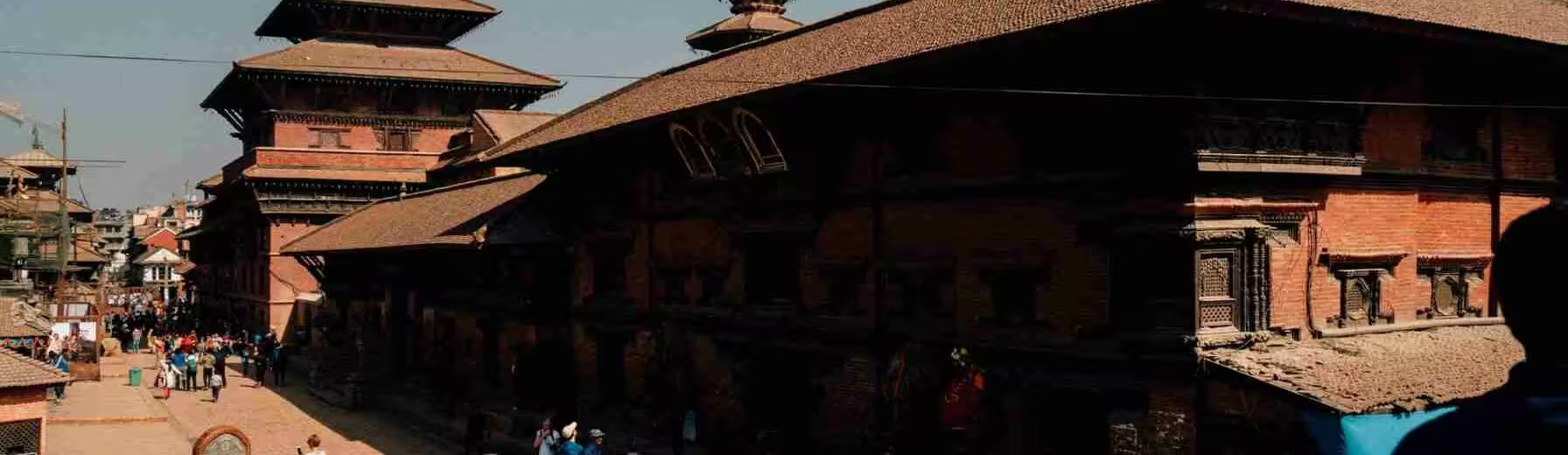
Bhaktapur Durbar Square contains Nepal's finest medieval architecture including 55 Window Palace, Golden Gate, and Nyatapola Temple. These monuments demonstrate Newar craftsmanship in wood carving, metalwork, and brick construction. Combining pottery workshop with heritage site exploration creates comprehensive cultural experience. UNESCO entry fee (NPR 1,500 for foreigners) supports monument preservation and community development.
Additional Traditional Crafts
Beyond pottery, Bhaktapur maintains other traditional industries including weaving, woodcarving, metalwork, and thangka painting. Observing multiple crafts reveals interconnected artisan ecosystem supporting diverse specializations. Understanding Bhaktapur as living craft city rather than museum preserves dignity of working communities. Supporting various artisans through informed purchases sustains cultural heritage economically.
Local Cuisine and Specialties
Bhaktapur's famous juju dhau (king curd) represents culinary tradition as ancient as pottery. This sweetened yogurt prepared in clay pots develops unique flavor and texture impossible in metal containers. Tasting authentic juju dhau completes sensory experience connecting food, craft, and culture. Local restaurants serve traditional Newari dishes providing authentic culinary experiences.
Practical Workshop Information
Duration: Half-day experience (3-4 hours) includes demonstration, hands-on practice, and Pottery Square exploration. Full-day option adds Durbar Square visit and additional craft workshops.
Best Times: Morning sessions (9:00-11:00 AM) or afternoon (2:00-4:00 PM) avoid midday heat. Winter months (October-March) provide comfortable temperatures. Monsoon season (June-August) complicates outdoor pottery drying though workshops continue.
Group Sizes: Private sessions or small groups (4-8 participants) allow personalized instruction. Larger groups rotate between wheel practice and Square exploration preventing excessive waiting.
Costs: Workshop fees typically $30-60 per person including transportation, instructor, materials, and guided Pottery Square tour. Durbar Square entry fee separate. Pottery purchases additional though supporting artisan livelihoods.
What to Wear: Comfortable old clothes tolerating clay stains. Clay washes from skin and fabrics though may permanently mark some materials. Closed-toe shoes protect feet from dropped clay or pottery. Aprons sometimes provided though not guaranteed.
Age Suitability: Children 8+ generally possess hand coordination for basic pottery. Younger children may enjoy clay play without wheel throwing. Adult supervision ensures appropriate behavior and safety.
Cultural Etiquette and Support
Respecting Artisan Communities
Pottery families welcome visitors though maintaining daily production schedules. Respecting workspace boundaries and avoiding disrupting active production demonstrates consideration. Photography permitted though always requesting permission before photographing individuals. Understanding that potters work for income not tourist entertainment encourages appropriate behavior.
Supporting Traditional Crafts Economically
Purchasing pottery directly from Pottery Square artisans ensures fair prices and supports hereditary craftspeople. Bargaining expected though maintaining reasonable prices acknowledges skill value and time investment. Understanding that cheap prices undervalue traditional knowledge encourages fair compensation. Quality pottery represents cultural heritage worthy appropriate pricing.
Environmental Considerations
Traditional pottery uses natural materials and wood-fired kilns creating minimal environmental impact compared to industrial ceramics. Supporting traditional methods encourages sustainable craft practices. However, wood consumption for kiln firing raises environmental concerns requiring balanced approach. Understanding these complexities prevents oversimplified environmental judgments.
Frequently Asked Questions
Do I need previous pottery experience?
No prerequisites required. Workshops accommodate complete beginners providing patient instruction. However, realistic expectations about single-session skill development prevent frustration. Understanding that beautiful results require extensive practice helps appreciating learning process over immediate mastery.
Can I take my pottery home?
Yes, though requiring extended Bhaktapur stay for drying and firing (2-3 days minimum). Alternatively, shipping arrangements possible though complicated and expensive. Most travelers find purchasing professional pottery more practical while supporting artisan livelihoods directly.
How physically demanding is pottery making?
Moderate physical activity using arm, shoulder, and core muscles maintaining wheel control. Sitting positions for extended periods may create discomfort for those with flexibility limitations. Overall accessibility good for most fitness levels and ages.
What if my pottery collapses or fails?
Completely normal for beginners. Clay's forgiving nature allows reformation and multiple attempts. Instructors encourage experimentation and learning from mistakes. Understanding that master potters began as struggling beginners normalizes initial failures.
Is Bhaktapur worth visiting beyond pottery?
Absolutely. Durbar Square contains extraordinary architecture. Traditional neighborhoods preserve authentic Newari culture. Local cuisine offers unique flavors. Pottery workshop provides entry point for broader cultural exploration justifying full-day or overnight visit.
How does pottery experience support local community?
Workshop fees employ local instructors and use family facilities. Pottery purchases directly support artisan families. Cultural appreciation validates traditional knowledge encouraging younger generation continuation. Tourism demonstrates economic value of heritage preservation benefiting entire community.



No comments yet. Be the first to share your thoughts!