
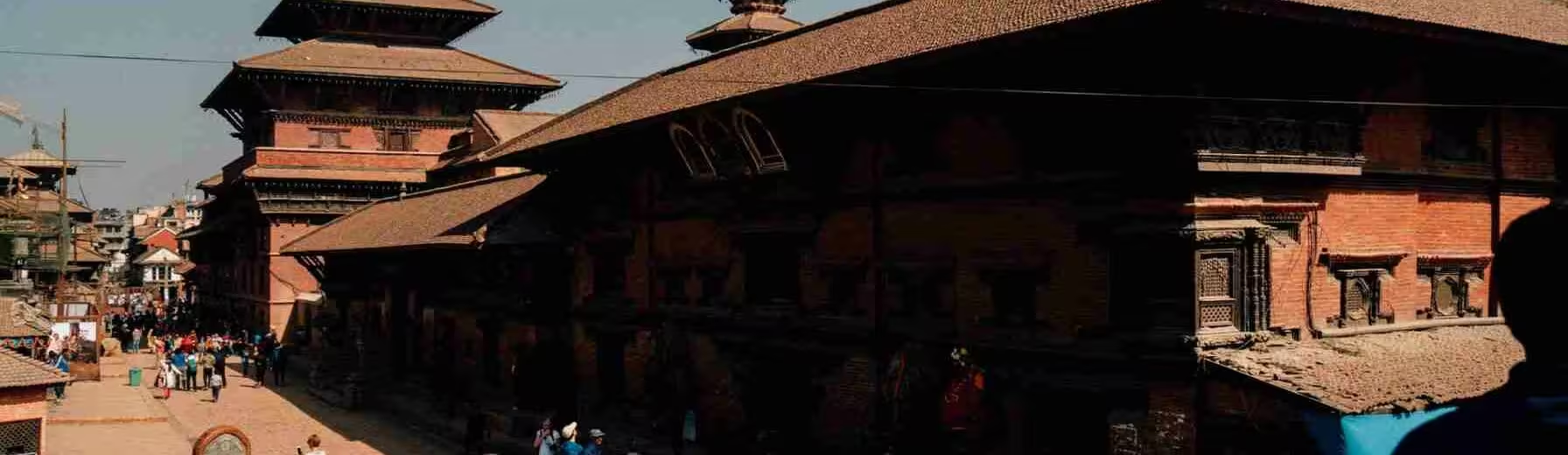
Patan Durbar Square stands as Kathmandu Valley's artistic jewel, showcasing centuries of Newar craftsmanship and architectural brilliance.
Located in Lalitpur city center—literally "City of Beauty"—this UNESCO World Heritage Site demonstrates why Patan earned recognition as valley's cultural and artistic capital. Unlike Kathmandu's commercialized square or Bhaktapur's medieval character, Patan emphasizes refined artistry through intricate metalwork, stone carving, and woodcraft reaching unparalleled sophistication.
Historically, Patan functioned as independent kingdom under Malla dynasty rule (14th-18th centuries). Royal palace complex surrounded by temples and monasteries formed political and religious center. Today, three interconnected courtyards comprise former royal residence, now housing exceptional Patan Museum displaying bronze, copper, and ritual objects representing Nepal's finest traditional arts. Square itself contains over 50 temples and monuments within compact area creating overwhelming architectural density.
Artistic tradition continues beyond historical monuments. Living artisan community maintains metalworking, wood carving, and thangka painting skills passed through families for generations. Walking nearby streets reveals workshops where craftsmen create religious statues, decorative items, and traditional objects using centuries-old techniques. Understanding Patan requires appreciating not just ancient monuments but ongoing creative traditions making this truly "City of Beauty and Art."
Historical Development and Architecture
Ancient Origins and Malla Legacy
Patan's establishment timeline remains debated among historians. Local legends attribute founding to Emperor Ashoka during 3rd century BC visit. Four stupas marking city cardinal directions supposedly commemorate his pilgrimage. However, archaeological evidence dates current structures primarily to Malla period (14th-18th centuries) when Patan flourished as independent kingdom rivaling Kathmandu and Bhaktapur.
Malla kings competed creating increasingly elaborate temples and palaces demonstrating power and devotion. King Siddhi Narasimha Malla (1620-1661) constructed Krishna Temple introducing all-stone shikhara architecture contrasting with traditional pagoda forms. His successors added temples, renovated palaces, and patronized artists establishing Patan's artistic supremacy. This competitive architectural environment produced valley's finest monuments.
Early inhabitants called Pradhanas reportedly settled area before Malla consolidation. Their relationship to subsequent development remains unclear though continuous occupation since ancient times seems certain. Kumbeshwar Temple dating to 1392 represents oldest surviving structure featuring hand-carved wooden doors and endangered stone sculptures. Northern section contains ancient Newar Buddhist monasteries maintaining traditions spanning centuries.
Architectural Styles and Innovation
Patan architecture demonstrates Newar builders' supreme craftsmanship. Traditional pagoda-style temples feature elaborate wooden carvings on struts, windows, and doorframes. Each carved element depicts deities, mythological scenes, or decorative motifs executed with remarkable detail. Brick construction plastered and painted creates durable structures surviving centuries with periodic maintenance.
Krishna Temple introduced innovative all-stone shikhara design unprecedented in valley architecture. Twenty-one golden pinnacles crown the structure creating distinctive profile. Stone friezes along base depict Mahabharata and Ramayana epic scenes demonstrating narrative sculpture at highest level. This architectural experimentation shows Malla period openness to diverse influences while maintaining distinctive Newar character.
Palace complex showcases evolution across building periods. Earliest sections show medieval construction while later additions incorporate different stylistic elements. Sunken royal bath (tusa hiti), window screens, and courtyard arrangements reveal sophisticated palace planning. Patan Museum restoration preserved historical architecture while creating modern exhibition spaces demonstrating successful heritage adaptation.
Major Monuments and Their Significance
Krishna Temple (Krishna Mandir)
Stone shikhara temple dedicated to Lord Krishna occupies prominent western square position. Built entirely from gray stone without mortar, the temple demonstrates masterful engineering and artistic achievement. King Siddhi Narasimha Malla commissioned construction in 1637 after reportedly dreaming of Krishna and Radha standing where temple now rises.
Twenty-one pinnacles arranged in diminishing tiers create elegant upward movement. Stone carvings covering every surface depict Krishna's life stories, Mahabharata and Ramayana episodes, and various Vishnu avatars. North and south walls feature narrative friezes arranged in horizontal registers reading like comic strips illustrating epic stories. This extensive narrative sculpture makes Krishna Temple outdoor textbook of Hindu mythology.
First and second floor shrines contain Krishna, Radha, and other deity images receiving daily worship. Third floor remains empty symbolizing spiritual ascent from material to divine realms. Temple represents significant architectural innovation introducing North Indian shikhara style into Newar architectural tradition while maintaining local craftsmanship standards.
Golden Temple (Hiranya Varna Mahavihara)
Located north of main square, this 12th-century Buddhist monastery earns its name from gilded copper sheets covering much of the structure. Also called Kwa Bahal locally, the monastery functions as living religious institution housing monks and conducting daily rituals. Elaborate courtyard design follows traditional Buddhist monastery layout with multiple levels, shrines, and ritual spaces.
Main entrance guarded by brass elephants and bronze lions leads into courtyard surrounded by two-story monastery buildings. Ground floor contains circumambulation path with prayer wheels. Upper floors house residential quarters. Central shrine contains Shakyamuni Buddha image flanked by Bodhisattvas. Smaller Swayambhunath chaitya faces main shrine demonstrating architectural hierarchy.
Metalwork demonstrates Newar craftsmen's supreme skill. Gilded repoussé work covers doors, windows, and decorative panels depicting Buddhist deities, mythological scenes, and symbolic elements. Bronze statues occupy niches throughout showing centuries of accumulated religious art. Young boys from Shakya clan (traditional monastery patrons) serve as temporary monks maintaining ancient traditions.
Patan Museum
Housed in renovated sections of former royal palace, Patan Museum opened 1997 showcasing Nepal's finest collection of traditional religious art. Austrian government funded restoration transforming deteriorating palace into world-class museum facility. Exhibition spaces arranged around Keshav Narayan Chowk courtyard maintain historical architecture while providing modern museum standards.
Collections emphasize bronze casting and metalwork—Patan's signature craft. Cast bronze and gilded copper statues represent Hindu and Buddhist deities spanning 11th-18th centuries. Ritual objects including vajras, bells, and offering vessels demonstrate functional art's beauty. Lost-wax casting technique explanations reveal technical mastery required creating these masterpieces.
Stone sculptures, woodcarvings, and manuscript paintings complement metalwork displays. Thangkas (religious scroll paintings) show painting traditions paralleling three-dimensional arts. Temporary exhibitions explore specific themes or artists. Museum café and garden provide restful spaces. International recognition as exemplary regional museum reflects Nepal's potential preserving and presenting cultural heritage.
Mul Chowk and Royal Bath
Palace's most sacred courtyard (Mul Chowk) once hosted royal Tantric rituals honoring Taleju Bhawani, the Malla dynasty's protective deity. Elaborate two-story structure surrounds courtyard with shrine rooms occupying first floor. Central Taleju temple contains goddess image seen only by initiated priests and formerly royal family. Ordinary visitors view courtyard from entrance appreciating architectural refinement.
Golden water spout (hiti) called Tusha Hiti occupies northern courtyard section. Sunken stone bath features ornate spouts shaped as mythological creatures. Originally providing royal bathing facilities, the hiti demonstrates sophisticated water engineering bringing clean spring water through underground conduits. Stone carvings around bath show supreme craftsmanship applied even to utilitarian structures.
Manga Hiti
Public water source outside main square demonstrates community infrastructure's artistic treatment. Stone spouts shaped as crocodiles (makara) feed large stone basin. Three levels allow simultaneous use by many people while maintaining hierarchy—highest for drinking, middle for cooking water, lowest for washing. Regular morning use by local residents maintains centuries-old patterns of community gathering and social interaction.
Buddhist Monasteries
Northern Patan contains numerous Buddhist monasteries (bahal/bahi) maintaining ancient traditions. Courtyards accessible through narrow lanes reveal hidden architectural treasures. Monasteries function as active religious institutions with resident monks, daily rituals, and festival celebrations. Visiting requires respectful behavior and often local guide arrangements though exteriors visible to passing pedestrians.
Rato Machendranath Temple houses Patan's most important deity—rain god Machendranath venerated by Hindus and Buddhists. Massive annual chariot festival (April-May) drags god's image through city streets in elaborate procession lasting weeks. This festival demonstrates living religious traditions connecting contemporary Patan with ancient practices.
Artistic Traditions and Craftsmanship
Metalworking Excellence
Patan's reputation rests primarily on metalworking mastery. Traditional lost-wax casting technique produces religious statues exported worldwide. Process begins with beeswax model carved with intricate details. Clay mold encases wax. Heating melts wax creating hollow mold. Molten bronze pours into cavity. After cooling, mold breaks revealing bronze casting. Filing, chasing, and polishing finish surface. Gilding applies gold leaf over copper highlights.
Workshops concentrated around Durbar Square and surrounding neighborhoods welcome visitors observing artisans at work. Watching casting, chasing, and gilding demonstrates skill levels achieved through apprenticeship spanning years. Understanding technical difficulty increases appreciation for finished statues' artistic and monetary value. Supporting traditional craftsmen through purchases helps maintain endangered skills.
Stone Carving Traditions
Stone carving reaching peak achievement in Krishna Temple continues in contemporary workshops. Traditional tools including chisels, hammers, and rasps shape local stone into religious images, architectural elements, and decorative objects. Carvers work from traditional iconographic texts ensuring proper proportions, mudras (hand gestures), and attributes for each deity.
Woodcarving Heritage
Elaborate window screens, door frames, roof struts, and decorative panels showcase woodcarving excellence. Traditional motifs include deities, mythological creatures, geometric patterns, and floral designs. Dark wood aged over centuries develops rich patina. Modern craftsmen maintain traditions creating both reproduction historical pieces and contemporary interpretations.
Thangka Painting
Religious scroll paintings called thangkas require specialized training in iconography, composition, and technique. Artists prepare canvas, sketch composition following traditional proportions, apply mineral pigments, and add gold details. Completed thangkas receive consecration becoming sacred objects rather than mere art. Studios around Patan welcome visitors observing painting process and explaining symbolism.
Living Traditions and Festivals
Rato Machendranath Jatra
Patan's biggest annual festival honors rain god Machendranath. Towering wooden chariot constructed annually carries deity's image through city streets in elaborate procession. Festival spans several weeks involving multiple communities in construction, pulling, and ritual activities. Climax occurs when priest displays sacred jeweled vest (bhoto) to crowds amid claims of ownership creating theatrical resolution.
Other Significant Festivals
Gai Jatra (Cow Festival) commemorates deceased family members with processions and satirical performances. Krishna Janmashtami celebrates Krishna's birth with overnight worship at Krishna Temple. Buddhist festivals including Buddha Jayanti and displaying ancient Dipankar Buddha statues demonstrate religious diversity. Understanding festival calendars allows timing visits for maximum cultural immersion.
Practical Visiting Information
Entry and Access
Foreign visitors pay NPR 1,000 ($8) for Patan Durbar Square entry. SAARC nationals pay NPR 150. Nepali citizens enter free. Tickets valid single day though multiple entries sometimes permitted with explanation. Museum requires separate ticket (NPR 500 foreigners, NPR 250 SAARC). Operating hours 10:00 AM-5:00 PM daily though square remains accessible after hours with limited services.
Best Times to Visit
Morning (9:00-11:00 AM): Fresh energy, good lighting for photography, fewer tourists. Local worshippers perform morning rituals creating authentic atmosphere. Museum less crowded allowing leisurely viewing.
Late Afternoon (3:00-5:00 PM): Golden hour lighting enhances red brick architecture. Locals gathering in square after work creates vibrant social atmosphere. Rooftop cafes fill with mixed local and tourist crowds.
Weekdays vs. Weekends: Weekday mornings offer peaceful exploration. Weekends bring increased tourist and local visitor traffic. Festival periods create spectacular cultural experiences with massive crowds.
Guided Tours vs. Independent Exploration
Licensed guides provide historical context, architectural explanations, and access to normally closed areas. Services cost NPR 1,500-2,000 ($12-16) for 2-3 hour tours. Benefits include deeper understanding and efficient routing though limiting spontaneous discovery.
Independent exploration allows personal pacing and extended photography time. Carrying guidebooks or using apps provides information without guide costs. However, missing significance of carved details and symbolic elements reduces comprehension. Combining approaches—guided tour followed by independent revisit—optimizes experience.
Photography Opportunities
Excellent photography subjects include temple architecture, carved details, metalwork, palace courtyards, and local daily life. Morning and late afternoon provide best lighting. Some interior spaces restrict photography—respect posted signs. Always ask permission before photographing worshippers or monks. Commercial photography requires special permits.
Cultural Etiquette and Conservation
Appropriate Behavior
Religious site requires modest dress covering shoulders and knees. Remove shoes before entering temple interiors. Avoid pointing feet toward religious images. Maintain low voices respecting worshippers. Photography restrictions honored without exception. These practices demonstrate cultural sensitivity.
Supporting Artisan Community
Purchasing traditional crafts directly from artisan workshops ensures fair prices and supports skill transmission. Quality varies dramatically—comparing multiple sources and requesting provenance helps identify authentic traditional work. Understanding production time and skill investment justifies higher prices compared to mass-produced tourist items.
Conservation Awareness
Entry fees support ongoing maintenance and earthquake restoration. Some areas remain closed during structural work. Respecting barriers protects both visitors and endangered monuments. Understanding conservation challenges creates appreciation for preservation efforts ensuring Patan's survival.
Frequently Asked Questions
How does Patan differ from Kathmandu and Bhaktapur Durbar Squares?
Patan emphasizes artistic refinement and metalwork traditions. Less commercialized than Kathmandu, better preserved than post-earthquake sections, more compact than Bhaktapur. Krishna Temple's stone architecture and Golden Temple's metalwork create distinctive character.
Can I visit artisan workshops?
Yes, many workshops welcome visitors observing traditional crafts. Some charge small fees. Purchasing directly from artisans supports traditional skills and offers better value than tourist shops.
Is photography allowed everywhere?
General exterior photography permitted. Interior restrictions apply in some temples and museum galleries. Always check posted rules and ask permission photographing people. Commercial work requires permits.
How long should I spend at Patan?
Minimum 2-3 hours covers major highlights. Thorough exploration including museum takes 4-5 hours. Art enthusiasts and photographers easily spend full days exploring details and surrounding neighborhoods.
Are there accommodation options nearby?
Multiple guesthouses and boutique hotels surround square offering traditional Newar architecture with modern amenities. Staying in Patan allows early morning and evening exploration after day-trippers depart.
What makes Patan Museum special?
Exceptional collection of bronze and metalwork demonstrating Nepal's artistic achievements. World-class presentation in renovated palace. International recognition as exemplary regional museum. Essential visit for understanding Newar artistic traditions.


No comments yet. Be the first to share your thoughts!