
Only fourteen mountains on Earth rise above 8,000 meters, and every one of them stands in Asia.
No peak elsewhere comes close to this height. At these elevations, the human body begins to weaken. Breathing becomes hard, strength fades fast, and survival grows uncertain. Even skilled climbers can last only a short time near the top.
These peaks rise beyond normal human limits, often above clouds and storms. Weather can shift in minutes. Cold bites deep into exposed skin. Each step demands effort, and every breath feels thin. While only a small number of people ever reach their summits, these mountains still draw attention from around the world.
They shape mountaineering history and influence nearby rivers, climates, and cultures. Everest may be the most famous name, but all fourteen peaks share danger, scale, and raw beauty. Most people meet them from trails, base camps, or distant valleys, where their size alone leaves a lasting impression. You do not need to stand on the summit to understand their power.
What “Top 14” Means in Mountaineering
The term “Top 14” refers to mountains taller than 8,000 meters. Mountaineers use this list across the world. Height defines the group, not popularity. Each peak crosses a clear altitude limit.
Air pressure drops fast above 8,000 meters. Oxygen levels fall close to 30 percent of sea level. The human body cannot adapt fully here. Climbers must rely on skill and timing.
All 14 peaks stand in Asia. They sit in the Himalaya and Karakoram ranges. Nepal holds the largest share of these mountains. This list defines elite high-altitude climbing.
Overview of the World’s 8,000m Giants
The table below gives a fast overview of all Top 14 peaks. It lists rank, height, and location. Each entry includes one key detail. This snapshot helps readers compare these mountains at a glance.
Rank | Mountain Name | Height (m) | Range | Country / Border | Known For |
|---|---|---|---|---|---|
1 | Mount Everest | 8,849 | Himalaya | Nepal / China | Highest point on Earth |
2 | K2 | 8,611 | Karakoram | Pakistan / China | Steep and deadly routes |
3 | Kangchenjunga | 8,586 | Himalaya | Nepal / India | Remote and wild terrain |
4 | Lhotse | 8,516 | Himalaya | Nepal / China | Sharp ridges near Everest |
5 | Makalu | 8,485 | Himalaya | Nepal / China | Pyramid shape and strong winds |
6 | Cho Oyu | 8,188 | Himalaya | Nepal / China | Popular for first climbs |
7 | Dhaulagiri I | 8,167 | Himalaya | Nepal | Massive ice walls |
8 | Manaslu | 8,163 | Himalaya | Nepal | High avalanche risk |
9 | Nanga Parbat | 8,126 | Himalaya | Pakistan | High fatality history |
10 | Annapurna I | 8,091 | Himalaya | Nepal | Most dangerous peak |
11 | Gasherbrum I | 8,080 | Karakoram | Pakistan / China | Deep Karakoram location |
12 | Broad Peak | 8,051 | Karakoram | Pakistan / China | Long summit ridge |
13 | Gasherbrum II | 8,035 | Karakoram | Pakistan / China | Cleaner climbing routes |
14 | Shishapangma | 8,027 | Himalaya | China | Fully inside China |
Top 14 Highest Mountains in the World (Full List + Key Facts)
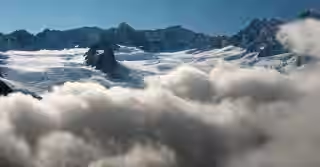
The mountains listed below rise higher than 8,000 meters. At this height, air pressure drops sharply. The human body struggles to function. Every peak brings different risks and rewards. Some attract climbers. Others attract trekkers and photographers.
These peaks also shape local culture and travel routes. Many people come only to see them. Few attempt to climb them. Each mountain holds global importance.
1) Mount Everest (8,849m)
Mount Everest stands on the border of Nepal and China and rises higher than any other peak on Earth. It belongs to the Mahalangur range of the Himalayas and grows a few millimeters each year due to plate movement. The mountain was first measured in the 19th century and later named after Sir George Everest. Its local names, Sagarmatha and Chomolungma, reflect deep cultural meaning tied to the region.
Climbing Everest brings extreme cold, thin air, and sudden weather changes. Many climbers follow the South Col route from Nepal or the North Ridge from Tibet. The area above 8,000 meters, known as the death zone, lacks enough oxygen for long stays. Even experienced climbers face serious risks such as frostbite, avalanches, and exhaustion.
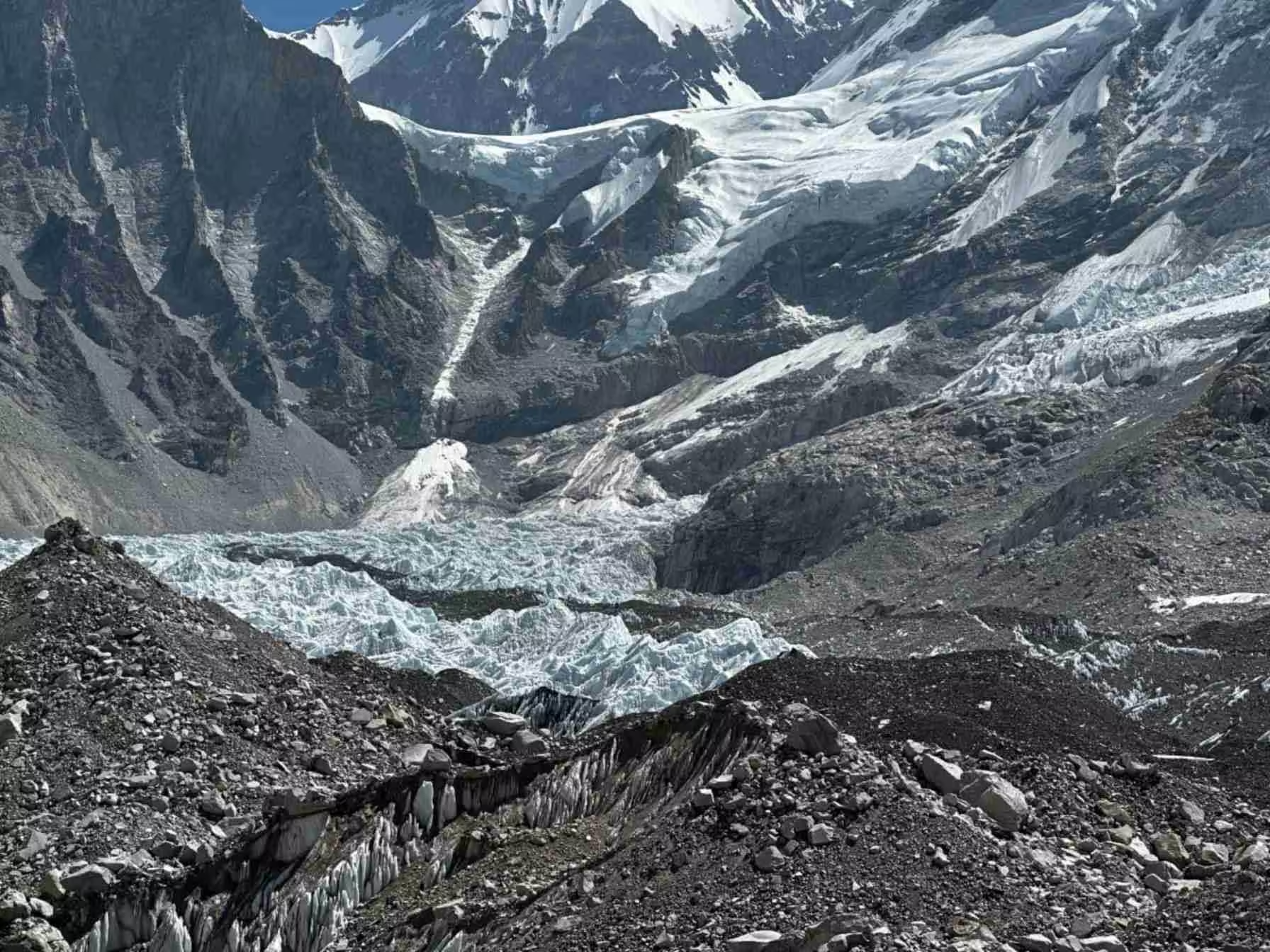
The main attractions include Everest Base Camp, the Khumbu Icefall, and sweeping views of nearby peaks like Lhotse and Nuptse. Trekkers come for mountain trails, Sherpa villages, and monasteries. Climbers come for the challenge of thin air, long summit days, and unpredictable weather.
2) K2 (8,611m)
K2 rises from the Karakoram range along the Pakistan–China border. It is the second-highest mountain in the world and has a sharp, pyramid-like shape. Early survey teams labeled it simply as “K2,” and the name remained. The mountain sits in a remote area with limited access, adding to its reputation.
This peak is known for steep slopes, unstable ice, and frequent storms. Unlike Everest, K2 has no easy route to the top. Climbers must handle long technical sections and very little room for error. Many attempts end before reaching the summit, even for skilled mountaineers.
Visitors are drawn to the dramatic scenery of the Karakoram range, especially the Baltoro Glacier and Concordia viewpoint. Climbers come for demanding routes with long sections of ice and rock. Trekkers visit to see some of the tallest mountains on Earth gathered in one place.
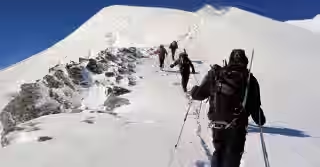
Climbers ascending K2 summit ridge
Climbers ascending K2 summit ridge
3) Kangchenjunga (8,586m)
Kangchenjunga lies on the border of Nepal and India and ranks as the third-highest mountain on Earth. Its name means “Five Treasures of Snow,” referring to its five major peaks. The mountain remains sacred to local communities, and many climbers stop short of the true summit out of respect.
The terrain includes long ridges, deep valleys, and heavy snowfall. Weather often shifts without warning, making progress slow and demanding. Because of its remote setting, rescue efforts are difficult, which adds to the seriousness of any expedition here.
People visit the region for quiet trekking paths, forested valleys, and wide views of snowy ridges. Climbers respect local customs by stopping short of the true summit. The mountain attracts those seeking solitude and strong ties to local tradition.
4) Lhotse (8,516m)
Lhotse sits close to Mount Everest and shares much of the same climbing route up to Camp III. Despite this, it stands as a separate peak with its own summit and character. The South Face of Lhotse is one of the steepest high mountain walls in the world.
The climb becomes harder after leaving the shared route. The final section includes narrow couloirs and exposed ice. Strong winds funnel through the face, testing climbers both mentally and physically during the final push.
Major attractions include views of the Western Cwm, high ice walls, and nearby peaks. Climbers are drawn to its narrow couloirs and exposed terrain. Trekkers in the region enjoy close views without the same crowd levels found on Everest.
5) Makalu (8,485m)
Makalu rises east of Everest and has a sharp, four-sided shape that makes it easy to recognize. The mountain sits in a quieter area of the Himalayas, far from busy trekking routes. Its steep ridges and hanging glaciers shape a striking skyline.
Climbers face long stretches of technical ice and rock climbing. Camps are often placed on narrow ledges, which increases risk during storms. The final ascent includes exposed sections where balance and strength matter at every step.
The area attracts visitors with deep valleys, hanging glaciers, and rich wildlife inside Makalu-Barun National Park. Climbers come for steep ridges and technical sections. Trekkers visit for isolation and views of untouched Himalayan landscapes.
6) Cho Oyu (8,188m)
Cho Oyu lies near the Nepal–Tibet border and is part of the Everest region. It is often seen as one of the more approachable 8,000-meter peaks. Wide slopes and fewer steep sections make it appealing to climbers preparing for higher goals.
Even so, altitude remains a serious concern. Strong winds and deep snow can slow progress, especially near the summit plateau. Climbers still need solid skills in ice travel and high-altitude endurance to reach the top safely.
Visitors come for open terrain, high-altitude plateaus, and clear views of Everest and nearby mountains. Climbers often choose Cho Oyu as preparation for higher or more technical peaks. The region also offers simpler access from the Tibetan side.
7) Dhaulagiri I (8,167m)
Dhaulagiri I stands alone in western Nepal and rises sharply above surrounding valleys. Its name means “White Mountain,” which fits its massive snow-covered face. The mountain remained unclimbed until 1960 due to its steep and isolated nature.
The routes involve long glacier crossings and avalanche-prone slopes. Weather systems often trap teams for days at high camps. The size and steepness of the mountain make retreats difficult once climbers move higher.
People visit the area for remote trekking routes, glacier crossings, and wide mountain views. Climbers are drawn by long ascents and steep snow faces. The region feels wild and far from crowded trails.
8) Manaslu (8,163m)
Manaslu sits east of the Annapurna range in Nepal and is the highest peak in the Gorkha region. The mountain rises above fertile valleys and traditional villages, creating a strong contrast between daily life and extreme altitude.
The ascent includes wide snowfields and sharp ridges. Avalanches are common, especially after fresh snowfall. Because of this, timing and route choice matter greatly during summit attempts.
The Manaslu Circuit Trek attracts visitors with mountain passes, monasteries, and quiet trails. Climbers come for wide snow slopes and classic Himalayan scenery. The area offers a mix of cultural life and high-altitude terrain.
9) Nanga Parbat (8,126m)
Nanga Parbat rises in northern Pakistan and anchors the western end of the Himalayas. It stands apart from other giants and towers above the Indus River. Its Rupal Face is one of the tallest mountain faces in the world.
Climbers deal with steep rock, ice walls, and fast-changing weather. The mountain has seen many failed attempts due to storms and falls. Success here demands careful planning and strong technical skill.
Visitors are drawn to Fairy Meadows, which offers close views of the mountain’s massive faces. Climbers face steep routes and sudden weather shifts. Trekkers enjoy green pastures, forests, and dramatic valley scenery.
10) Annapurna I (8,091m)
Annapurna I sits in central Nepal and was the first 8,000-meter peak ever climbed. The mountain rises from deep gorges and dense forests, making the region both beautiful and severe.
This peak has one of the highest fatality rates among major mountains. Avalanches and ice collapse occur often, even on standard routes. Climbers must move quickly and choose safe weather windows to reduce risk.
The region attracts visitors through the Annapurna Circuit and Annapurna Base Camp routes. Trekkers enjoy varied landscapes, from forests to glaciers. Climbers face steep terrain and frequent snow movement.
11) Gasherbrum I (8,080m)
Gasherbrum I stands in the Karakoram range on the Pakistan–China border. It is also called Hidden Peak because it stays concealed behind other high ridges when seen from afar.
The climb includes long glacier travel and sustained ice sections. Camps are spread far apart, which increases fatigue. Weather patterns in the Karakoram can delay summit bids for weeks.
The area attracts trekkers with massive glaciers and wide valleys. Climbers visit for long ice routes and remote conditions. The region offers a raw mountain environment with little human presence.
12) Broad Peak (8,051m)
Broad Peak lies close to K2 and shares the same base camp area. Its name comes from the wide summit ridge that stretches for more than a kilometer.
Reaching the true summit requires crossing several high points, which drains energy late in the climb. Thin air and long exposure test climbers during the final traverse, especially on descent.
Visitors come to the Baltoro Glacier for views of several major peaks at once. Climbers must cross multiple high points before reaching the true summit. Trekkers enjoy dramatic ice fields and towering rock walls.
13) Gasherbrum II (8,035m)
Gasherbrum II stands near Gasherbrum I and offers smoother slopes by comparison. It is often climbed as part of combined expeditions in the region.
Despite gentler terrain, altitude sickness and cold remain serious threats. Long summit days and hidden crevasses demand constant focus from start to finish.
Climbers often include it in longer expeditions due to its steady terrain. The region offers long glacier travel and wide views of surrounding peaks. Trekkers value the quiet and remote setting.
14) Shishapangma (8,027m)
Shishapangma is the only 8,000-meter peak fully inside Tibet. It was the last of the fourteen to be climbed, due to restricted access in earlier decades.
The mountain features long snow ridges and broad faces. Climbers must still pass through exposed sections near the top. Strong winds often sweep across the summit ridge, making final progress slow and tiring.
The mountain attracts climbers with long snow ridges and open slopes. Visitors enjoy wide Himalayan views and fewer crowds. The area feels broad and open compared to other high mountain regions.
Nepal’s Role in the Top 14
Nepal holds a central place among the world’s highest mountains. Eight of the fourteen peaks above 8,000 meters lie fully or partly in Nepal. These include Mount Everest, Lhotse, Makalu, Annapurna I, Dhaulagiri I, Manaslu, Cho Oyu, and Kangchenjunga. No other country hosts this many extreme peaks within such a small area.
The Himalaya range runs across Nepal from east to west. This creates a natural corridor of high mountains, deep valleys, and glaciers. One can easily plan their Everest Expedition in Nepal.
Nepal also supports global mountaineering through access and experience. The country issues climbing permits and manages base camps. Sherpa communities guide climbers and carry supplies at high altitude. Their skill comes from generations of mountain life. Trekking routes below these peaks bring visitors close to the giants without extreme risk. Because of this mix of height, access, and local knowledge, Nepal remains a global hub for high-altitude travel.
What Makes 8,000m Peaks So Dangerous
Mountains above 8,000 meters create extreme conditions. The human body struggles to survive at this height. Even simple movement becomes hard. Many risks appear at the same time.
Main reasons these peaks are dangerous:
- Altitude: At heights above 8,000 meters, oxygen levels drop sharply. The lungs cannot absorb enough air. The brain receives less oxygen. This causes confusion, weakness, and loss of balance.
- Cold temperatures: Temperatures often fall below minus 30 degrees Celsius. Wind makes the cold feel stronger. Frostbite can occur within minutes. Fingers and toes face the highest risk.
- Severe weather: Storms arrive without warning. Winds can cross 100 kilometers per hour. Snowfall blocks routes and camps. Climbers may stay trapped for days.
- Avalanches and icefall: Snow layers shift often at high altitude. Ice walls collapse without signs. Avalanches remain one of the leading causes of death.
- Limited rescue options: Helicopters cannot fly above certain heights. Teams must handle emergencies alone. Delays often turn small injuries into fatal ones.
Climbing vs Trekking: What Most People Can Do Instead
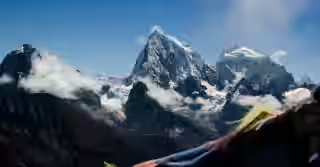
Climbing 8,000m peaks demands years of training. It needs technical skill and permits. Risks remain high even for experts. Few people attempt these climbs. Whereas, Trekking offers a safer way to experience these mountains. Trails stay below extreme altitude. Views remain stunning from lower passes. Trekkers see glaciers and peaks. Major differences between them are:
Basis | Climbing | Trekking |
|---|---|---|
Altitude level | Above 6,000m and up to 8,849m | Usually below 5,500m |
Skill required | Technical climbing skills needed | No climbing skills required |
Training time | Years of preparation needed | Basic fitness is enough |
Equipment | Ropes, ice tools, oxygen | Hiking gear only |
Risk level | Very high risk | Moderate to low risk |
Cost | Very expensive permits and gear | More affordable |
Rescue access | Very limited | Easier access |
Who it suits | Professional climbers | Most travelers |
Main reward | Summit achievement | Mountain views and culture |
How People Train and Prepare for Extreme Altitude
Training for extreme altitude takes time and discipline. Climbers prepare their bodies months in advance. They focus on endurance and strength. Long hikes help build stamina. Running and cycling improve lung capacity. Strength training supports balance and control. Mental focus also plays a role.
Acclimatization forms a key part of preparation. Climbers spend days at lower camps. They move up and return down often. This process helps the body adjust to thin air. Rest days reduce altitude sickness risk. Ignoring acclimatization can cause serious illness.
Gear choice also affects safety. Climbers use insulated clothing. Boots protect against frostbite. Oxygen systems support breathing above 8,000 meters. Proper planning improves survival chances. Preparation does not remove risk, but it reduces it.
Frequently Asked Questions
Which is the highest peak in the world?
Mount Everest is the highest peak in the world. It stands at 8,849 meters. The mountain lies on the Nepal and China border. Everest rises above all other land points. Its height makes it famous worldwide. Many people visit the Everest region each year. Most visitors trek rather than climb. Only trained climbers attempt the summit. Everest remains a symbol of extreme altitude.
What are the “top 14” mountains called?
The top 14 mountains refer to peaks above 8,000 meters. Climbers call them eight-thousanders. All fourteen peaks lie in Asia. They sit in the Himalaya and Karakoram ranges. These mountains attract elite climbers. Each peak presents unique risks. Completing all fourteen peaks remains a rare achievement. Only a small number of climbers have done so.
How many 8,000m peaks are in Nepal?
Nepal hosts eight of the fourteen 8,000m peaks. Some lie fully inside Nepal. Others sit on international borders. Everest, Annapurna I, and Manaslu are among them. This concentration makes Nepal a key mountain country. Trekking routes run below many of these peaks. Visitors can see them without climbing. Nepal’s landscape supports both adventure and tourism.
Is K2 harder than Everest?
Yes, K2 is harder than Everest for most climbers. K2 has steeper routes. Weather stays more unstable. Rescue options remain limited. Everest has fixed ropes and guided routes. K2 offers fewer supports. Death rates remain higher on K2. Skill level matters more than numbers.
For Detailed Insights. Check Mount Everest vs K2: Which Mountain Stands Out?
What is the death zone?
The death zone starts above 8,000 meters. Oxygen levels drop to critical limits. The human body cannot adapt fully. Time spent here causes rapid weakness. Climbers use bottled oxygen in this zone. Sleep becomes difficult. Decision-making slows. Staying too long can lead to death.
Wrapping-Up
The fourteen highest mountains on Earth stand beyond normal human limits. Thin air, cold weather, and steep terrain define them. Only trained climbers attempt to reach their summits. Many never return. These peaks demand respect rather than speed.
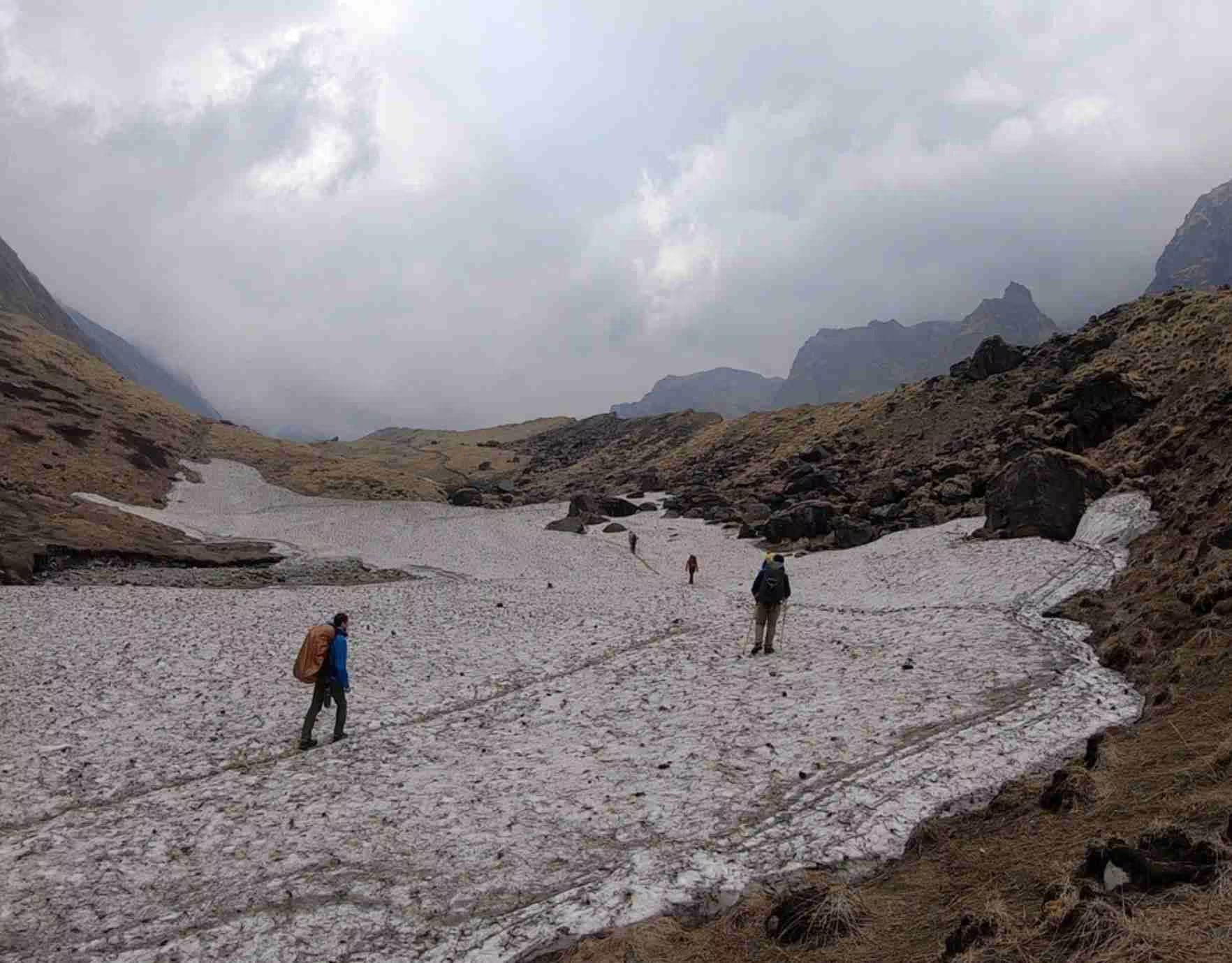
Most travelers choose a safer path. Trekking routes in Nepal offer close views of these mountains. Trails pass through valleys, forests, and villages. You can see Everest, Annapurna, Manaslu, and others from safe distances. These treks stay below extreme altitude but still feel powerful.
Nepal remains the best place to experience the world’s highest peaks on foot. Routes like Everest Base Camp, Annapurna Base Camp, and Manaslu Circuit bring you close to these giants. You walk beneath them and feel their scale. For many people, this journey offers the perfect balance between adventure and safety.

No comments yet. Be the first to share your thoughts!