
The Everest Base Camp trek from the USA is one of the most rewarding long-distance trekking experiences in the world. It is not just a trip to Nepal; it is a full journey from modern American life into the heart of the Himalayas, where the world’s highest peak, Mount Everest, dominates the landscape.
For most travelers coming from the United States, this trek is a combination of adventure, physical challenge, and cultural immersion. With proper planning and guided support from Mountain Routes, it becomes a safe and well-structured expedition into one of the most remote trekking regions on Earth.
Why the Everest Base Camp Trek Attracts Travelers from the USA
Many travelers from the USA choose the Everest Base Camp trek because it offers something that is increasingly rare in modern travel: a complete disconnect from routine life and a deep immersion into nature and culture.
Unlike typical vacations, this journey takes you into high-altitude regions where there are no roads, limited infrastructure, and in many areas, no formal settlements. Life on the trail is simple, guided by walking pace, mountain weather, and local Sherpa hospitality.
For American trekkers, the appeal often comes from three key motivations. The first is the challenge of reaching high altitude on foot without technical climbing. The second is the opportunity to witness Mount Everest and surrounding Himalayan giants up close. The third is the cultural experience of staying in Sherpa villages and understanding a lifestyle shaped by mountains.
Understanding the Journey from the USA to Everest Base Camp
Reaching Everest Base Camp is a multi-stage journey that begins far from the Himalayas. Travelers from the USA typically fly into Kathmandu, Nepal, after connecting through major international hubs such as Doha, Istanbul, Dubai, or Delhi.
From Kathmandu, the journey continues with a short but scenic mountain flight to Lukla, one of the most famous and challenging airports in the world. Lukla serves as the gateway to the Everest region and marks the beginning of the trekking route.
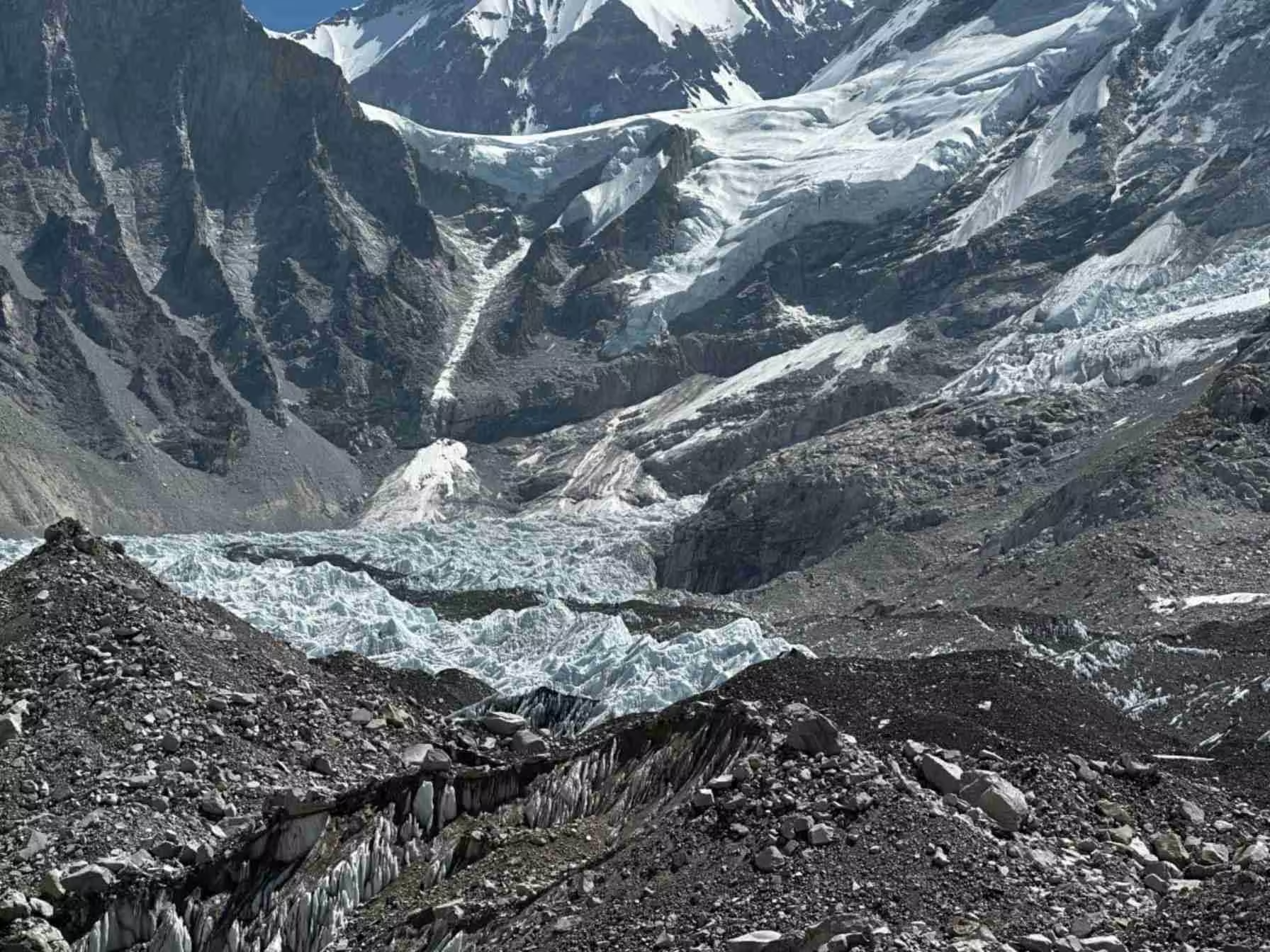
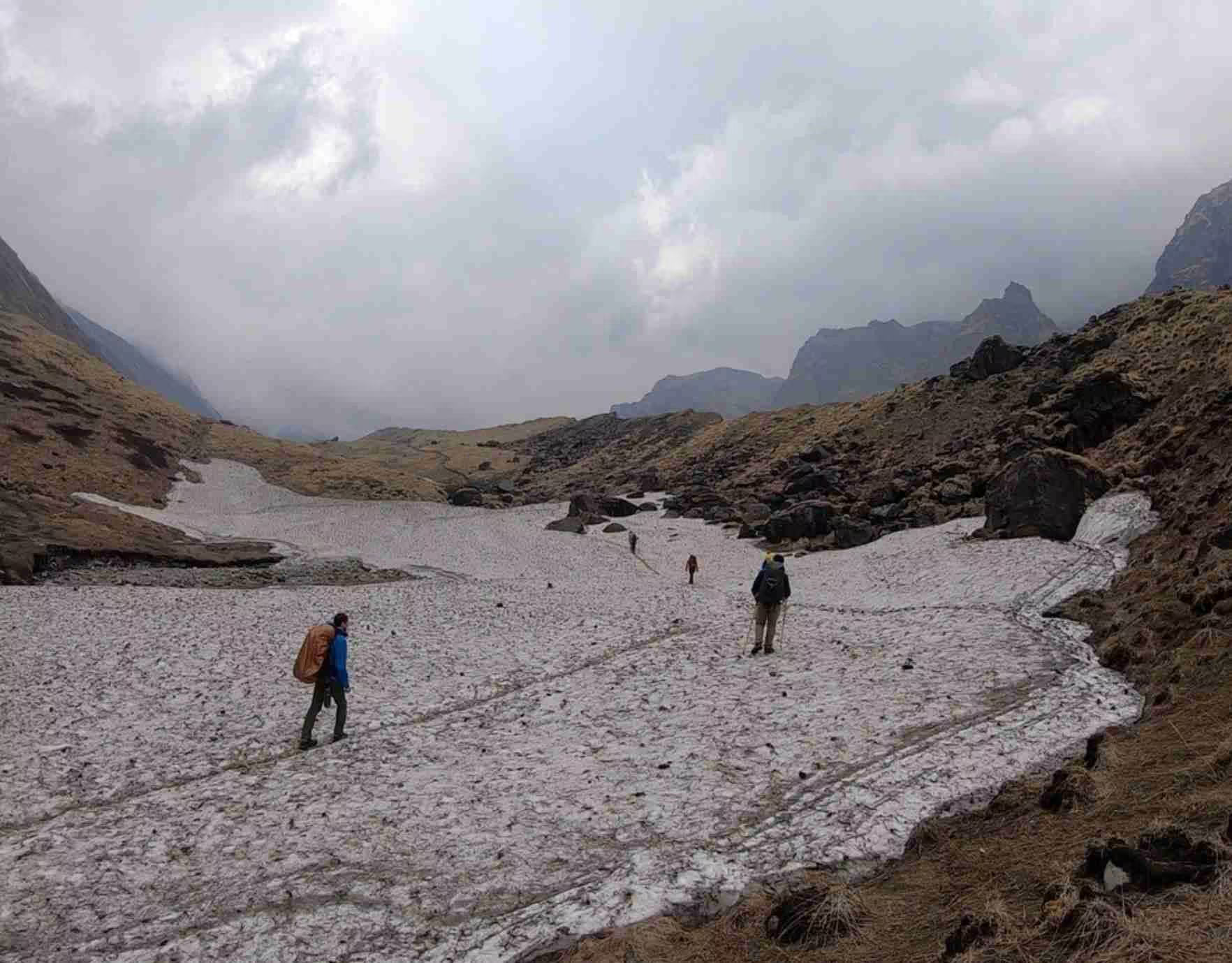
From here, the trek gradually ascends through villages, forests, suspension bridges, and river valleys until reaching Everest Base Camp at 5,364 meters. The return follows the same route back to Lukla before flying to Kathmandu.
Everest Base Camp Trek Route Overview
The standard 14-day Everest Base Camp itinerary is designed to balance adventure with proper acclimatization. The route is structured to allow the body to adjust gradually to increasing altitude, which is essential for safety.
The trek begins in Lukla and passes through Phakding, Namche Bazaar, Tengboche, Dingboche, Lobuche, and Gorakshep before reaching Everest Base Camp. Each stop along the route serves a specific purpose, either for rest, acclimatization, or cultural exploration.
Namche Bazaar is the main trading hub of the region and the first major acclimatization point. Tengboche is known for its monastery and panoramic mountain views. Dingboche provides another crucial acclimatization stop before the final ascent toward higher elevations.
Physical Demands and Difficulty Level
The Everest Base Camp trek is considered a moderate to challenging trek. It does not require technical climbing skills, but it does demand consistent walking for several days at high altitude.
On average, trekkers walk between five to seven hours per day. The most demanding factor is not distance but altitude. As elevation increases, oxygen levels decrease, making physical effort more intense.
For travelers from the USA, who typically start from sea-level conditions, proper acclimatization is essential. This is why a structured itinerary with rest days is important for completing the trek safely.
Accommodation and Daily Experience on the Trail
Accommodation along the Everest Base Camp route is mainly in tea houses, which are small, family-run lodges. These provide basic rooms and meals for trekkers throughout the journey.
The facilities become more basic as altitude increases, but they offer warmth, shelter, and local hospitality. Meals typically include rice, noodles, soups, vegetables, and traditional Nepali dishes designed to provide energy for long trekking days.
Even though the infrastructure is simple, the experience is authentic. Staying in tea houses allows trekkers to connect with local communities and understand daily life in the Everest region.
Best Time for Everest Base Camp Trek from USA
The most suitable seasons for trekking to Everest Base Camp are spring and autumn.
Spring, from March to May, offers clear weather, stable conditions, and blooming rhododendron forests along the lower trails. Autumn, from September to November, provides the clearest mountain views and the most stable weather conditions for high-altitude trekking.
These seasons are preferred because they offer safer trekking conditions, better visibility, and a more comfortable overall experience.
Permits and Trek Logistics
To complete the Everest Base Camp trek, two main permits are required: the Sagarmatha National Park entry permit and the local Khumbu region permit.
For travelers from the USA, handling logistics such as permits, flights, accommodation, and guides can be complex without local support. This is where Mountain Routes provides full assistance, ensuring that all necessary arrangements are taken care of before and during the trek.
Why Choose Mountain Routes for the Everest Base Camp Trek
Mountain Routes provides structured trekking experiences designed specifically for international travelers, including those coming from the USA.
The focus is on safety, proper acclimatization, and well-organized logistics. Experienced guides lead the journey, ensuring that trekkers maintain a safe pace and receive support throughout the route.
The trekking experience is designed not only to reach Everest Base Camp but also to ensure that the journey itself is meaningful, safe, and well-managed from start to finish.
Final Thoughts
The Everest Base Camp trek from the USA is one of the most iconic trekking experiences in the world. It combines physical challenge, cultural discovery, and natural beauty in a way that few other journeys can match.
With proper preparation and the right support from Mountain Routes, this trek becomes more than just a destination. It becomes a complete Himalayan experience that stays with you long after the journey ends.
No comments yet. Be the first to share your thoughts!