Everest Chola Pass Trek delivers comprehensive Khumbu experience combining turquoise Gokyo Lakes with classic Everest Base Camp via challenging Cho La Pass (5,420m) crossing.
Chola Pass demanding 17-day journey traverses glaciers, visits both sides of Khumbu Valley, and reaches iconic viewpoints including Gokyo Ri (5,357m) and Kala Patthar (5,545m). Trek showcases over twelve peaks exceeding 6,000 meters including Everest (8,849m), Lhotse, Nuptse, Makalu, and Ama Dablam creating ultimate Himalayan mountain panorama. Combining two classic routes through single itinerary maximizes experiences while crossing one of region's three famous high passes.
Trek Overview and Route Description
Comprehensive Khumbu Circuit
Unique itinerary combines elements from multiple classic treks creating comprehensive Everest region experience. Standard Everest Base Camp route reaches Namche Bazaar before diverging toward Gokyo Valley via Dole and Machhermo. After exploring Gokyo Lakes and ascending Gokyo Ri, trek crosses challenging Cho La Pass connecting to Dzongla before joining standard EBC route to Gorak Shep, Everest Base Camp, and Kala Patthar.
Understanding route as combination trek helps appreciating comprehensive nature beyond single-destination focus. Crossing Cho La Pass represents trek's technical and physical climax requiring glacier walking skills and proper acclimatization.
Three Passes Context
Cho La Pass (5,420m) constitutes one of three famous Everest region passes alongside Kongma La (5,535m) and Renjo La (5,360m). Complete Three Passes Trek includes all crossings creating even more demanding 18-20 day expedition. Understanding Cho La within broader Three Passes context helps appreciating technical demands and spectacular rewards.
This itinerary focuses single pass (Cho La) balancing challenge with accessibility. Those seeking ultimate Everest region experience might consider full Three Passes Trek though requiring additional days and exceptional fitness.
Major Highlights and Attractions
Gokyo Lakes and Gokyo Ri
Chain of six turquoise glacial lakes sits at 4,700-5,000 meters creating stunning high-altitude lake system. Third lake (Dudh Pokhari) features most dramatic setting surrounded by peaks. Sacred Buddhist and Hindu significance beyond scenic beauty.
Gokyo Ri (5,357m) provides spectacular viewpoint revealing Everest, Lhotse, Makalu, and Cho Oyu (four of world's six highest peaks) alongside massive Ngozumpa Glacier—Himalaya's longest. Understanding Gokyo Ri as potentially superior viewpoint to Kala Patthar (offering closer Everest views) helps appreciating this less-famous summit's value.
Cho La Pass Crossing
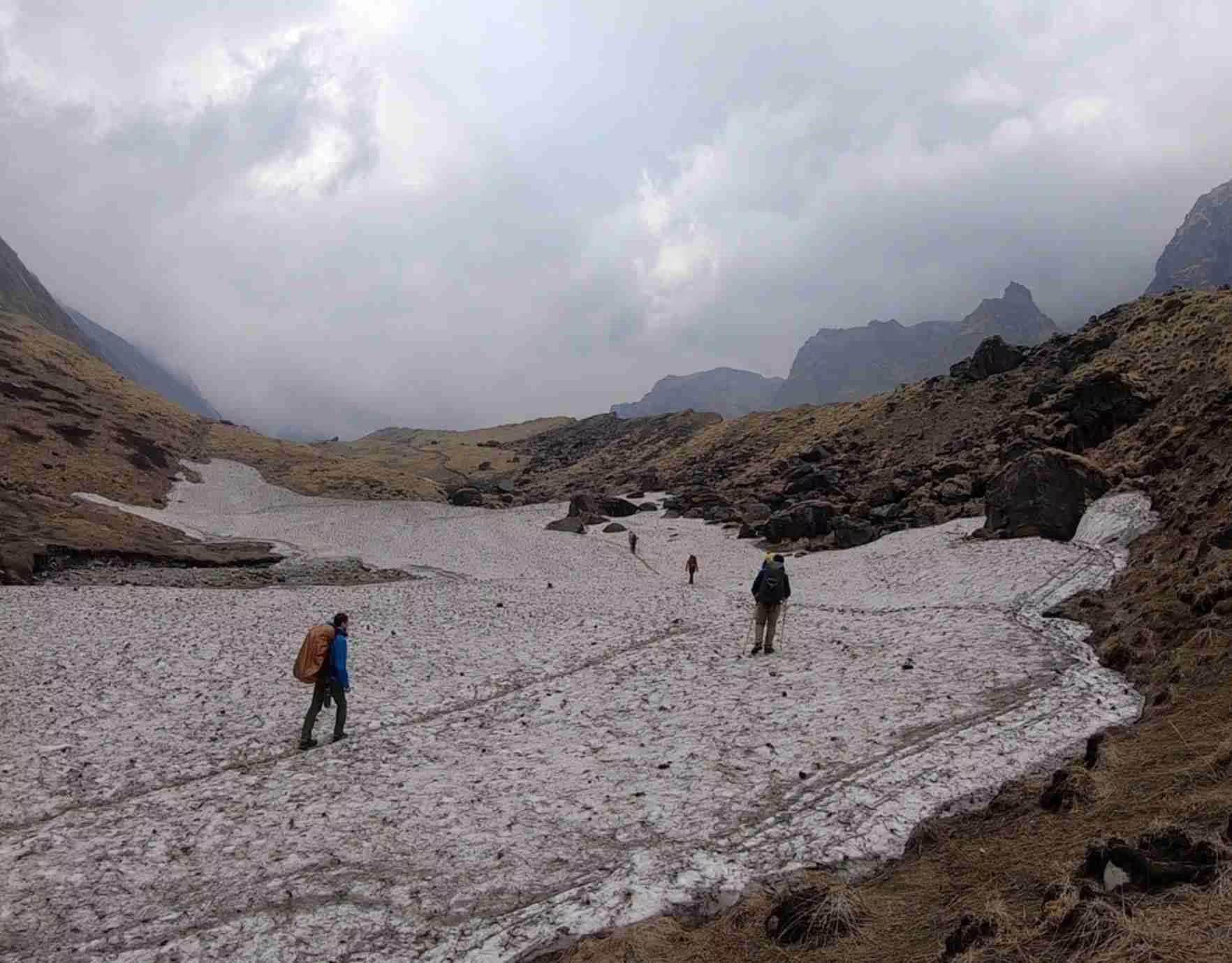
Technical highlight involves glacier traverse requiring careful navigation across crevassed terrain. Early morning starts essential avoiding afternoon weather deterioration. Steep ascent from Gokyo side followed by dramatic descent toward Dzongla tests physical limits and mental determination.
Rocky unstable terrain, potential ice, and altitude create genuine mountaineering environment. Understanding technical demands helps realistic preparation. While no ropes typically required, trekking poles essential and crampons sometimes necessary depending on conditions.
Everest Base Camp
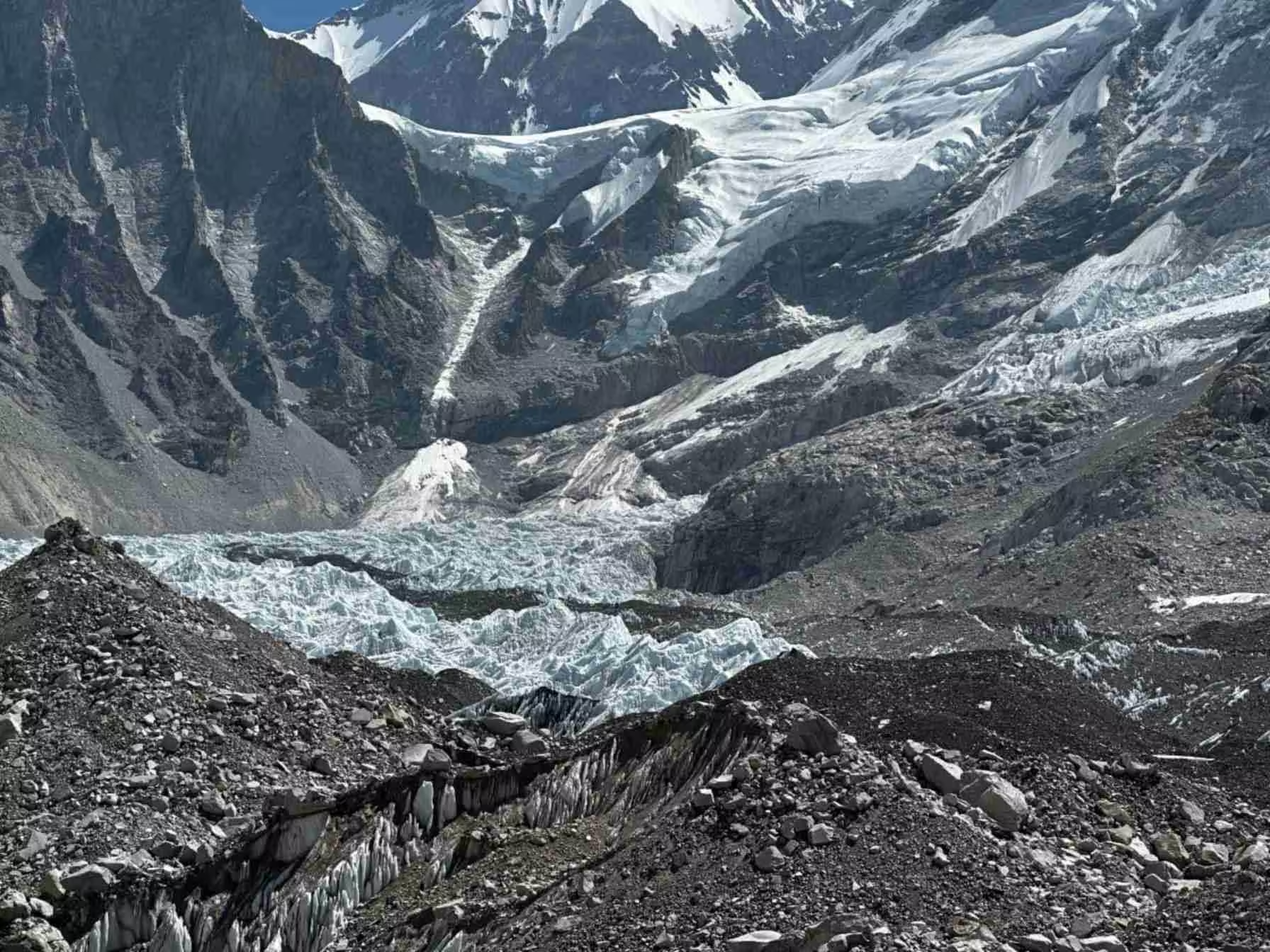
Iconic destination sits 5,364 meters at Khumbu Glacier base below Everest's southwest face. During climbing season (April-May), colorful expedition tents create tent city atmosphere. Off-season features stark glacier landscape demonstrating mountain's raw power.
Understanding Base Camp as symbolic achievement rather than spectacular viewpoint manages expectations. Actual Everest views limited from Base Camp—Kala Patthar provides superior panoramas. However, reaching Base Camp represents significant personal achievement justifying effort.
Kala Patthar Viewpoint
Ultimate Everest viewpoint (5,545m) provides unobstructed close-range views of world's highest peak. Predawn ascents capture sunrise illuminating Everest's summit pyramid creating magical moments. Understanding Kala Patthar as trek's scenic climax despite coming after Base Camp chronologically.
Altitude challenges significant—proper acclimatization crucial for successful summit. Understanding physical demands helps realistic expectations and appropriate pacing.
Detailed Itinerary Breakdown
Days 1-3: Arrival and Flight to Lukla
Kathmandu includes preparation and flight arrangements. Scenic Lukla flight (30-35 minutes, weather permitting) provides dramatic introduction to mountain flying. Trek begins descending to Phakding (2,610m) via gentle introduction. Following day ascends to Namche Bazaar (3,440m)—Sherpa capital and trekking hub.
Day 4: Namche Acclimatization
Crucial rest day includes hike to Everest View Hotel (3,880m) providing first Everest glimpses and altitude adaptation. Understanding acclimatization importance prevents rushing and risking altitude sickness.
Days 5-7: Namche to Gokyo via Dole and Machhermo
Route diverges from standard EBC trail ascending Dudh Koshi valley toward Gokyo. Dole (4,040m) and Machhermo (4,150m) provide overnight stops with gradual altitude gain. Final push reaches Gokyo (4,750m) alongside spectacular lakes.
Day 8: Gokyo Ri Ascent
Predawn climb summits Gokyo Ri (5,357m) for sunrise mountain panoramas. Afternoon explores additional Gokyo Lakes or rests preparing for upcoming pass crossing. Understanding this as crucial acclimatization and scenic highlight.
Days 9-10: Cho La Pass Crossing
Thanknak overnight (4,700m) positions for early morning pass attempt. Cho La crossing (5,420m) typically takes 7-8 hours reaching Dzongla (4,830m). Technical demands require careful footing across glaciers and rocky terrain. Understanding this as trek's most challenging section helps mental preparation.
Days 11-13: EBC and Kala Patthar
Route joins classic EBC trail via Lobuche (4,910m) reaching Gorak Shep (5,164m). Day trip visits Everest Base Camp followed by predawn Kala Patthar ascent next morning. Descent to Pheriche (4,240m) aids recovery at lower altitude.
Days 14-17: Return and Departure
Descent retraces classic route through Namche to Lukla. Flight returns Kathmandu with farewell dinner and international departure.
Physical Preparation and Difficulty
High Fitness Requirements
Demanding trek requires excellent cardiovascular fitness and leg strength. Daily walking 5-8 hours over varied terrain including glaciers and steep passes. Maximum elevation 5,545m at Kala Patthar creates extreme altitude exposure. Previous multi-day high-altitude trekking experience highly recommended.
Understanding extreme difficulty prevents unrealistic attempts. Only physically fit individuals with proven altitude tolerance should attempt. Cho La Pass crossing adds technical dimension beyond standard EBC trek.
Altitude Challenges
Multiple nights above 4,500 meters and three summits exceeding 5,300 meters create significant altitude exposure. Conservative itinerary includes acclimatization days though individual responses vary. Recognizing altitude sickness symptoms and accepting descent when necessary prevents life-threatening complications.
Proper hydration, conservative pacing, and altitude medications (diamox) help adaptation. Understanding altitude as uncontrollable variable encourages appropriate humility and risk management.
Technical Skills
While no technical climbing required, glacier walking across crevassed terrain demands caution and concentration. Trekking poles essential for stability. Crampons sometimes necessary depending on ice conditions. Understanding technical nature differentiates from standard trekking trails.
Best Trekking Seasons
Spring and Autumn Optimal
March-May spring offers warming temperatures and rhododendron blooms though pre-monsoon clouds develop late season. October-November autumn provides clearest mountain views and stable weather. Both seasons ensure teahouse operations and optimal pass conditions.
Monsoon and Winter Challenges
June-August monsoon brings clouds, rain at lower elevations, and dangerous pass conditions. December-February winter features extreme cold, potential snow blocking passes, and reduced services. Understanding seasonal limitations prevents dangerous attempts.
Permits and Costs
Required Documentation
Sagarmatha National Park permit costs NPR 3,000. TIMS card NPR 2,000. Khumbu Pasang Lhamu Rural Municipality permit NPR 2,000. Total permits approximately NPR 7,000 ($55-60 USD). Comprehensive insurance covering 6,000+ meter helicopter evacuation mandatory.
Trek Budgeting
Organized 17-day treks typically $1,800-2,800 per person including permits, guide, porter, accommodation, meals, and Lukla flights. Costs vary by group size and service level. Independent trekking possible though guide services provide navigation security especially for Cho La crossing.
Frequently Asked Questions
How does this compare to standard EBC trek?
Significantly more challenging adding Gokyo Lakes, Cho La Pass crossing, and additional days. More comprehensive Everest region experience though requiring better fitness and altitude tolerance.
Is Cho La Pass dangerous?
Challenging requiring glacier navigation and altitude tolerance though not technically difficult with proper preparation. Early starts, good weather, and guide support ensure safe crossing for fit prepared trekkers.
Can I do Three Passes Trek instead?
Yes, adding Kongma La and Renjo La creates 18-20 day comprehensive circuit. Requires exceptional fitness and additional time though ultimate Everest region challenge.
What about teahouse availability?
Well-established teahouse network throughout route. Gokyo side less developed than Namche-EBC route though adequate facilities. Peak season booking advisable.
Is previous glacier experience necessary?
Helpful though not essential. Guides provide navigation and safety instruction. Understanding glacier hazards and following guide instructions carefully essential.
How crowded is the trek?
Gokyo side less crowded than standard EBC route. Cho La Pass sees moderate traffic. Base Camp and Kala Patthar busy during peak season. Understanding crowd variations helps managing expectations.
No comments yet. Be the first to share your thoughts!