
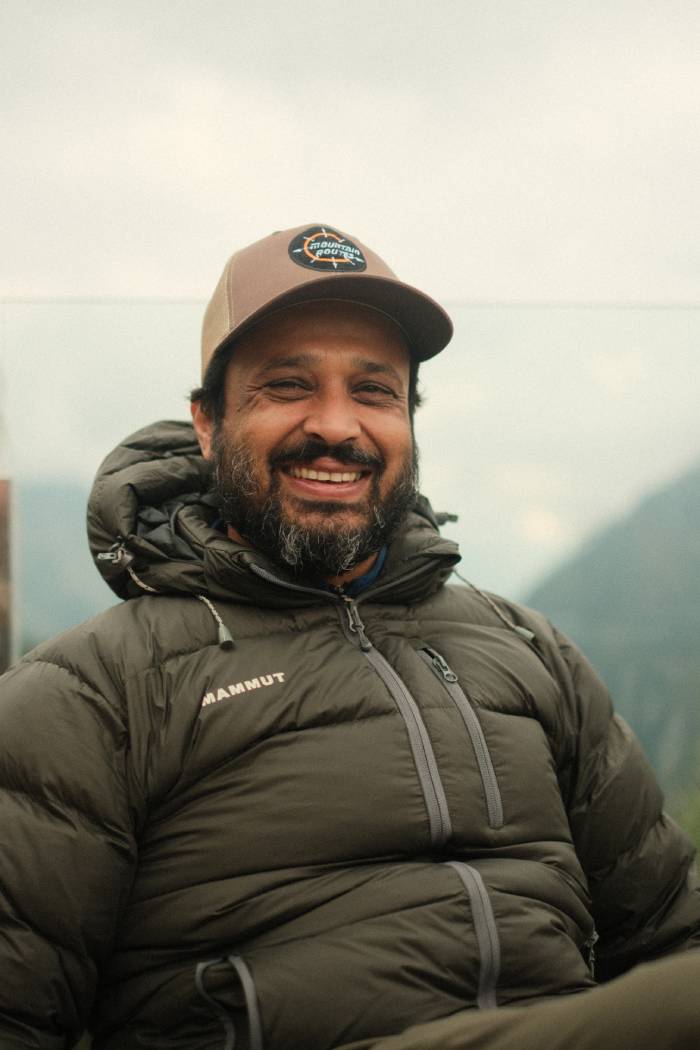
Discover everything you need to know about the Everest Base Camp Trek, including costs, itinerary, permits, best time to visit, altitude, and expert travel tips for French trekkers.
Everest Base Camp Trek at a Glance
If you're planning the Everest Base Camp (EBC) Trek from France, here are the key facts you should know before booking your adventure.
Trek Information | Details | |
|---|---|---|
Trek Duration | 12–14 Days | |
Total Distance | Approximately 130 km (Round Trip) | |
Maximum Elevation | 5,364 m (Everest Base Camp) | |
Highest Viewpoint | Kala Patthar – 5,545 m | |
Difficulty Level | Moderate to Challenging | |
Daily Walking Time | 5–7 Hours | |
Best Seasons | March–May & September–November | |
Starting Point | Lukla | |
Accommodation | Traditional Tea Houses | |
Recommended Fitness | Moderate |
Quick Answer: The Everest Base Camp Trek is one of the world's most famous trekking adventures. Suitable for reasonably fit beginners with proper preparation, it takes around 12–14 days to complete and rewards trekkers with breathtaking Himalayan landscapes, rich Sherpa culture, and unforgettable views of Mount Everest.
Why the Everest Base Camp Trek Appeals to French Travelers
For many outdoor enthusiasts in France, trekking is more than a hobby—it is a way to connect with nature, challenge oneself, and experience different cultures. While the French Alps offer spectacular mountain adventures, the Himalayas provide a completely different scale of beauty and exploration.
The Everest Base Camp Trek has become one of the most sought-after international trekking holidays for French travelers because it combines physical achievement with cultural discovery. Walking through traditional Sherpa villages, crossing suspension bridges decorated with colorful prayer flags, and waking up to views of snow-covered peaks create memories that last a lifetime.
Unlike mountaineering expeditions that require technical climbing skills, the Everest Base Camp Trek is a trekking journey. You do not need climbing equipment or previous mountaineering experience. Instead, you need determination, reasonable fitness, and enough time to acclimatize properly.
French travelers also appreciate Nepal for its warm hospitality, affordable trekking services compared to many European mountain holidays, and the opportunity to experience Buddhist monasteries, local traditions, and authentic Himalayan cuisine.

What Is the Everest Base Camp Trek?
The Everest Base Camp Trek is a multi-day hiking adventure that follows ancient trading routes through Nepal's Khumbu region to the base of the world's highest mountain, Mount Everest (8,848.86 meters).
The trek begins with an exciting flight from Kathmandu to Lukla, one of the world's most famous mountain airports. From there, trekkers gradually ascend through forests, rivers, suspension bridges, and picturesque Sherpa villages before reaching Everest Base Camp at an elevation of 5,364 meters.
Most itineraries also include a sunrise hike to Kala Patthar (5,545 meters), considered the best viewpoint for panoramic views of Mount Everest, Nuptse, Pumori, and the surrounding Himalayan peaks.
Unlike climbing Everest itself, reaching Base Camp does not require technical mountaineering skills. However, the altitude makes proper acclimatization essential.
Where Is Everest Base Camp?
Quick Answer: Everest Base Camp is located at an altitude of 5,364 meters (17,598 feet) in Nepal's Khumbu region, within Sagarmatha National Park, a UNESCO World Heritage Site. The trek begins with a scenic flight to Lukla and passes through famous Sherpa villages, including Phakding, Namche Bazaar, Tengboche, Dingboche, Lobuche, and Gorakshep before reaching the base camp of the world's highest mountain.
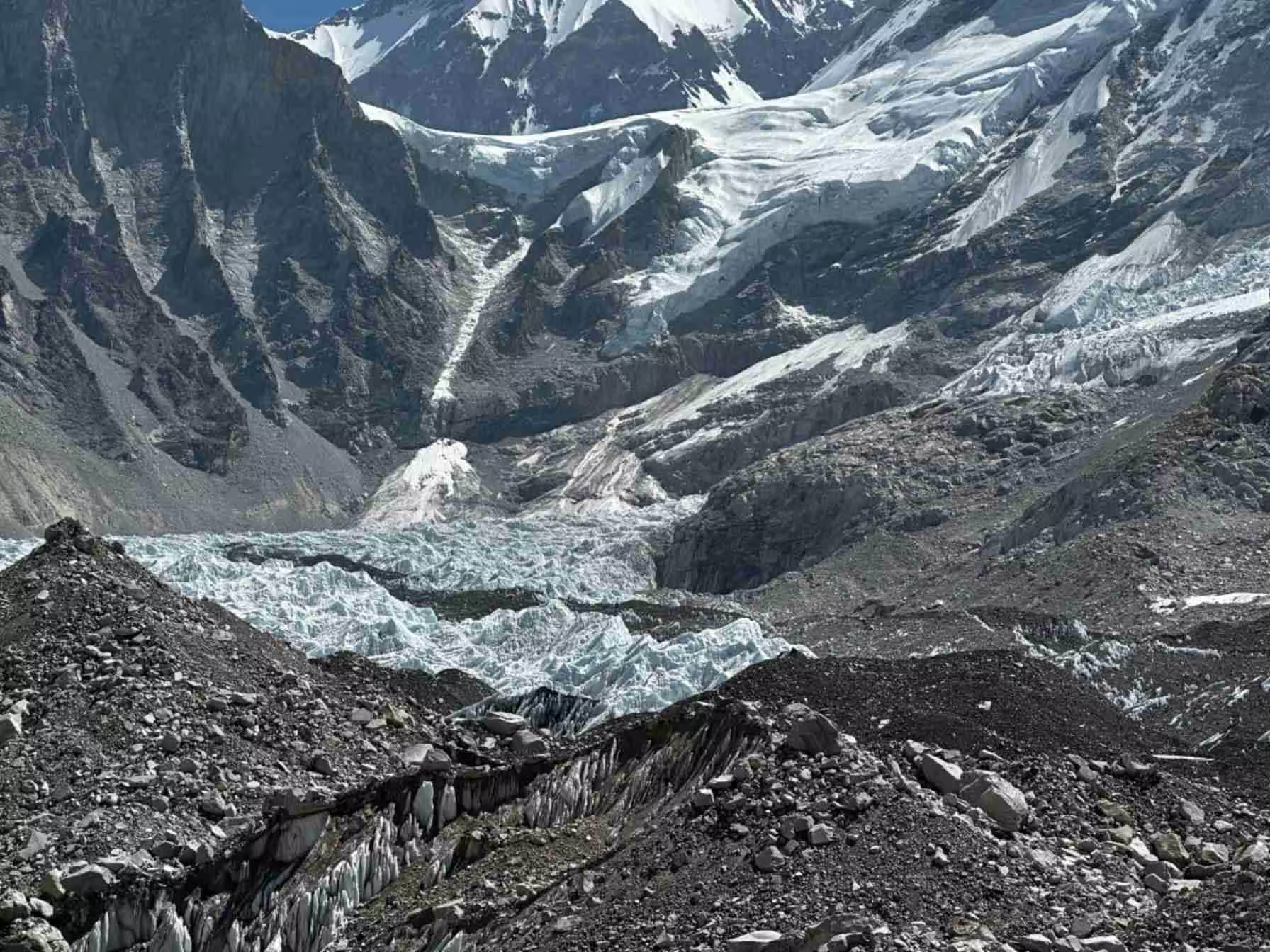
Nestled in the eastern Himalayas of Nepal, Everest Base Camp (EBC) is one of the most iconic trekking destinations in the world. While many people associate Mount Everest with climbing expeditions, the base camp itself is accessible to trekkers without technical mountaineering experience. Located inside Sagarmatha National Park, the trek offers an extraordinary blend of breathtaking landscapes, rich Sherpa culture, and high-altitude adventure.
Sagarmatha National Park, established in 1976 and recognized as a UNESCO World Heritage Site in 1979, protects more than 1,100 square kilometers of alpine forests, glaciers, rivers, and rugged Himalayan terrain. The park is also home to unique wildlife, including Himalayan tahrs, musk deer, Himalayan monals, and, on rare occasions, the elusive snow leopard. Beyond its natural beauty, the region is deeply rooted in Buddhist traditions, with ancient monasteries, prayer wheels, mani stones, and colorful prayer flags found throughout the trekking route.
Everest Base Camp Trek Statistics
Knowing the numbers behind the trek helps you prepare more effectively.
Elevation Profile
- Kathmandu: 1,400 m
- Lukla: 2,860 m
- Namche Bazaar: 3,440 m
- Tengboche: 3,860 m
- Dingboche: 4,410 m
- Lobuche: 4,940 m
- Gorakshep: 5,164 m
- Everest Base Camp: 5,364 m
- Kala Patthar: 5,545 m
Trekking Facts
- Total trekking days: 12–14
- Daily hiking: 5–7 hours
- Average distance per day: 10–15 km
- Total elevation gain: More than 2,500 meters from Lukla to Base Camp
- Round-trip distance: Around 130 km
These statistics highlight why acclimatization days are included in most itineraries. Gaining altitude gradually significantly reduces the risk of altitude sickness.
Why Trek with a Local Nepalese Company?
Choosing a local trekking operator offers several advantages beyond competitive pricing. Local companies understand the trails, weather conditions, logistics, and culture better than international resellers.
For French travelers, working directly with a Nepal-based company like Mountain Routes means:
- Experienced local guides with in-depth knowledge of the Everest region.
- Personalized itineraries that prioritize safe acclimatization.
- Better value by booking directly with the operator.
- Support for local communities through responsible tourism.
- Faster assistance in case of flight delays, weather changes, or emergencies.
Local expertise also enhances your experience by introducing you to Sherpa traditions, monasteries, wildlife, and hidden viewpoints that many travelers might otherwise overlook.
Is the Everest Base Camp Trek Worth It?
Absolutely.
The Everest Base Camp Trek is more than a hiking trip—it is a journey through one of the world's most extraordinary mountain landscapes. Every day brings new scenery, from lush forests and rushing rivers to glaciers and towering Himalayan peaks.
For French travelers seeking a meaningful adventure outside Europe, the trek offers a rare combination of natural beauty, physical achievement, and cultural immersion. Standing at the foot of Mount Everest and watching the sunrise from Kala Patthar is an experience that few destinations can match.
In the next section, we'll explore the best time to visit Everest Base Camp, a detailed day-by-day itinerary, and the level of fitness required to complete the trek successfully.

No comments yet. Be the first to share your thoughts!