
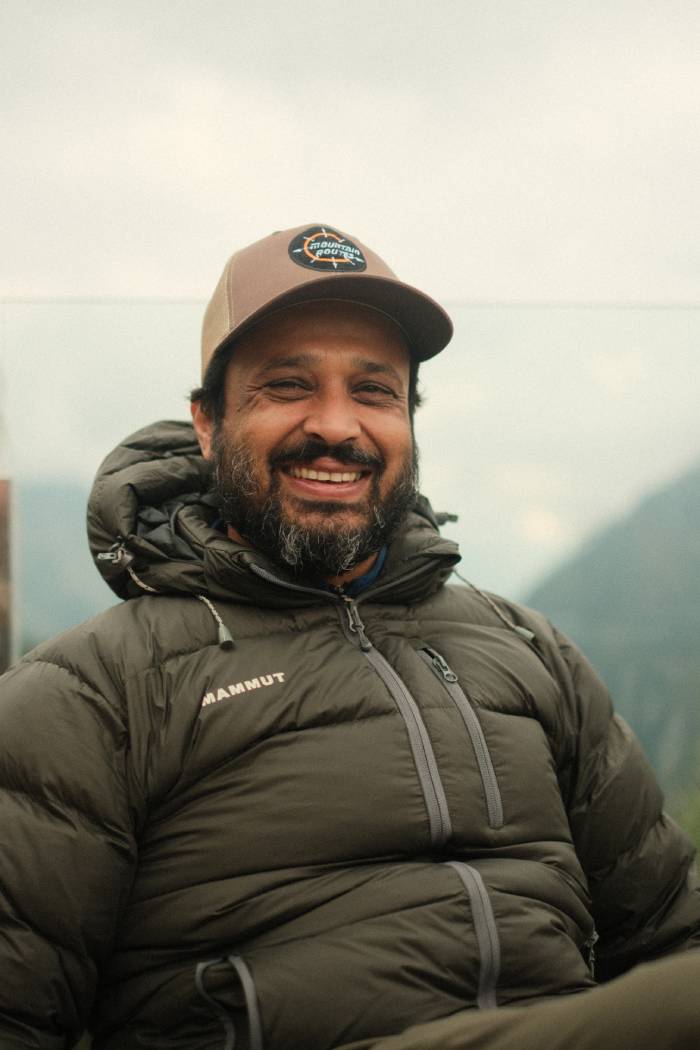
Classic Everest Base Camp Trek retraces legendary footsteps of Sir Edmund Hillary, Tenzing Norgay, and early Everest pioneers who approached world's highest mountain before Lukla Airport existed.
This authentic 16-day journey begins road travel to Nunthala avoiding flight shortcuts, trekking traditional route through lower Solukhumbu villages before joining standard EBC trail at Phakding. Extended approach provides superior acclimatization, deeper cultural immersion with Sherpa communities, and authentic appreciation for historical mountaineering efforts required reaching Everest. Trek culminates iconic destinations—Everest Base Camp (5,364m) and Kala Patthar viewpoint (5,545m)—while delivering genuine mountain experience honoring trekking's golden age before mass tourism transformed Khumbu region.
Historical Context and Significance
Pre-Lukla Era Mountaineering
Before Lukla Airport's 1964 construction, all Everest expeditions approached base camp through week-long trek from Jiri or further starting points. Historical expeditions including successful 1953 first ascent spent weeks walking through subtropical valleys, traditional villages, and progressively higher terrain building strength and acclimatization naturally. Understanding pre-aviation mountaineering helps appreciating contemporary trekking's relative ease while honoring pioneers' extraordinary efforts.
Sir Edmund Hillary himself supervised Lukla Airport construction recognizing air access would revolutionize Khumbu region accessibility. His vision transformed remote mountain region into accessible trekking destination though simultaneously changed traditional approach forever. Classic route preserves historical experience allowing contemporary trekkers connecting with mountaineering heritage authentically.
Jiri Gateway Development
Road construction reaching Jiri in 1963 created first motorized access point to Khumbu region. Before road development, expeditions began even further requiring additional weeks reaching mountain. Swiss development projects during 1960s-70s including road construction, school building, and economic development initiatives transformed Solukhumbu infrastructure benefiting local communities while enabling tourism growth.
Understanding Jiri's historical role as Everest gateway helps appreciating region's development trajectory from complete isolation to contemporary accessibility. Classic trek beginning Nunthala (road now extends beyond Jiri) maintains extended approach philosophy while adapting to modern infrastructure realities.
Cultural Preservation Through Traditional Routes
Lower Solukhumbu villages along classic route maintain more authentic traditional character compared to upper Khumbu's tourism development. Limited tourist traffic preserves genuine village atmospheres where agriculture, traditional crafts, and Buddhist practices continue relatively unchanged. Understanding cultural preservation benefits encourages supporting traditional routes maintaining economic viability for communities beyond main trekking corridors.
Interaction quality differs significantly from mainstream routes where overwhelming tourist numbers strain authentic engagement. Traditional route's moderate traffic enables meaningful conversations, cultural exchanges, and genuine hospitality experiencing Nepal's legendary warmth beyond commercial transactions.
Trek Overview and Route Description
Extended Approach Philosophy
Sixteen-day itinerary compared to standard 12-day EBC trek provides additional days for gradual altitude gain through lower elevation walking. Starting Nunthala (2,330m) and spending multiple days below 3,000 meters before reaching Namche Bazaar creates superior acclimatization foundation. Understanding physiological advantages helps appreciating extended approach beyond mere historical romanticism.
Route traverses diverse ecological zones from subtropical forests through temperate rhododendron zones to alpine and high-altitude desert environments. Gradual transitions allow observing vegetation changes, wildlife variations, and cultural adaptations to different elevation bands creating comprehensive natural history education alongside trekking achievement.
Daily walking averages 6-7 hours over moderate terrain without extreme technical challenges. Physical demands remain substantial given sustained multi-day effort though gradual nature suits moderately fit trekkers better than compressed itineraries requiring rapid altitude gains. Understanding difficulty as endurance-based rather than technically challenging helps realistic self-assessment.
Joining Standard EBC Route
After reaching Phakding on Day 4, route joins standard Lukla-EBC trail following identical path through Namche Bazaar, Tengboche, Dingboche, Lobuche, Gorak Shep to Everest Base Camp. Understanding convergence point helps recognizing final days match mainstream experience while initial approach provides distinctive character.
Standard route sections experience significantly higher trekker traffic compared to peaceful lower Solukhumbu days. Understanding crowd dynamics helps managing expectations and appreciating contrasts between quiet traditional approach and busy upper Khumbu tourism corridor.
Return via Lukla Flight
Unlike approach journey, return utilizes Lukla flight avoiding week-long descent retracing lower route. This asymmetric itinerary maximizes unique experiences—extended approach for acclimatization and cultural immersion, efficient return preserving time and energy. Understanding practical hybrid approach helps appreciating thoughtful itinerary design balancing authenticity with contemporary convenience.
Detailed Day-by-Day Itinerary
Day 1: Kathmandu Arrival and Preparation
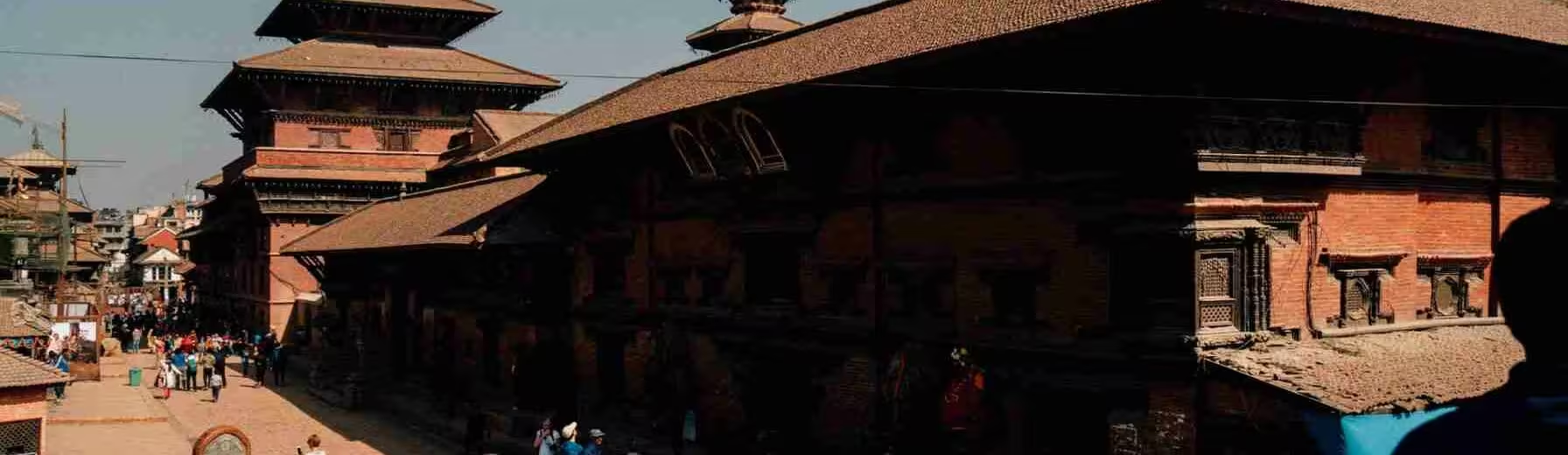
International arrival includes airport pickup, hotel transfer, and comprehensive trek briefing. Evening orientation covers equipment checks, permit processing, itinerary overview, and question sessions. Understanding preparation day importance helps smooth trekking start. Kathmandu exploration options include UNESCO sites, Thamel equipment shopping, and local cuisine sampling.
Day 2: Kathmandu to Salleri (11 hours drive)
Long jeep journey follows Everest Highway to Salleri covering approximately 270 kilometers. Early departure (6:00-7:00 AM) required completing drive by evening. Road conditions vary—paved sections alternate with rough off-road stretches creating bumpy adventurous journey. Pattale village viewpoint provides spectacular mountain panoramas including Everest and Makalu.
Salleri overnight (2,300m) provides first mountain town experience introducing hill region culture. Understanding long drive as necessary approach investment helps managing expectations. Motion sickness susceptible individuals should take preventive medications.
Day 3: Salleri to Paiyun via Nunthala (1 hour drive, 7-8 hours trek)
Brief drive reaches Nunthala (2,330m) where actual trekking begins. Trail descends to Dudh Koshi River before ascending through varied terrain reaching Paiyun (2,760m). First trekking day introduces mountain walking rhythms, porter interactions, and teahouse culture. Understanding initial day sets foundations for upcoming weeks.
Day 4: Paiyun to Phakding (6-7 hours)
Route passes through Surkhe village one hour below Lukla Airport. Encountering trekkers descending from EBC provides contrast between fresh beginnings and successful completions. Trail traffic increases noticeably approaching Phakding where classic route merges with mainstream Lukla-starting trekkers.
Days 5-6: Phakding to Namche with Acclimatization
Standard route ascends through Sagarmatha National Park entrance at Monjo reaching Sherpa capital Namche Bazaar (3,440m). Crucial rest day includes Everest View Hotel hike (3,880m) providing first clear Everest glimpses and altitude adaptation. Understanding acclimatization importance prevents rushing risking altitude sickness.
Namche features bustling Saturday market, bakeries serving apple pie, numerous shops, and vibrant trekker-local interactions. Understanding Namche as last major town encourages enjoying relative civilization before remote upper sections.
Day 7: Namche to Tengboche (5-6 hours)
Spectacular day traverses pine and rhododendron forests reaching famous Tengboche Monastery (3,860m). Monastery visit observes Buddhist ceremonies and examines intricate murals, Buddha statues, and religious artifacts. Evening prayer ceremony (typically 3:00 PM) welcomes respectful observers.
Mountain panoramas include Everest, Lhotse, Nuptse, Ama Dablam, and Tawoche creating photographic paradise. Understanding Tengboche as spiritual and scenic highlight enhances appreciation.
Day 8: Tengboche to Dingboche (5-6 hours)
Trail descends to Imja River crossing before ascending through Pangboche village reaching agricultural settlement Dingboche (4,410m). Stone-walled fields growing barley and potatoes demonstrate high-altitude farming. Understanding village economy helps appreciating traditional livelihoods persisting alongside tourism.
Day 9: Dingboche Acclimatization Day
Second crucial rest day includes hike to Nangkartshang Peak (5,083m) providing spectacular views including Makalu (world's fifth highest). "Climb high, sleep low" principle maximizes acclimatization benefits. Understanding altitude adaptation science helps appreciating active rest day importance versus complete inactivity.
Day 10: Dingboche to Lobuche (4-5 hours)
Route passes through Thokla featuring memorial site honoring climbers and Sherpas who died on Everest. Respectful passage acknowledges mountaineering's serious risks and ultimate sacrifices. Continued climb alongside Khumbu Glacier reaches Lobuche (4,910m).
Day 11: Lobuche to Gorak Shep and Everest Base Camp (7-8 hours)
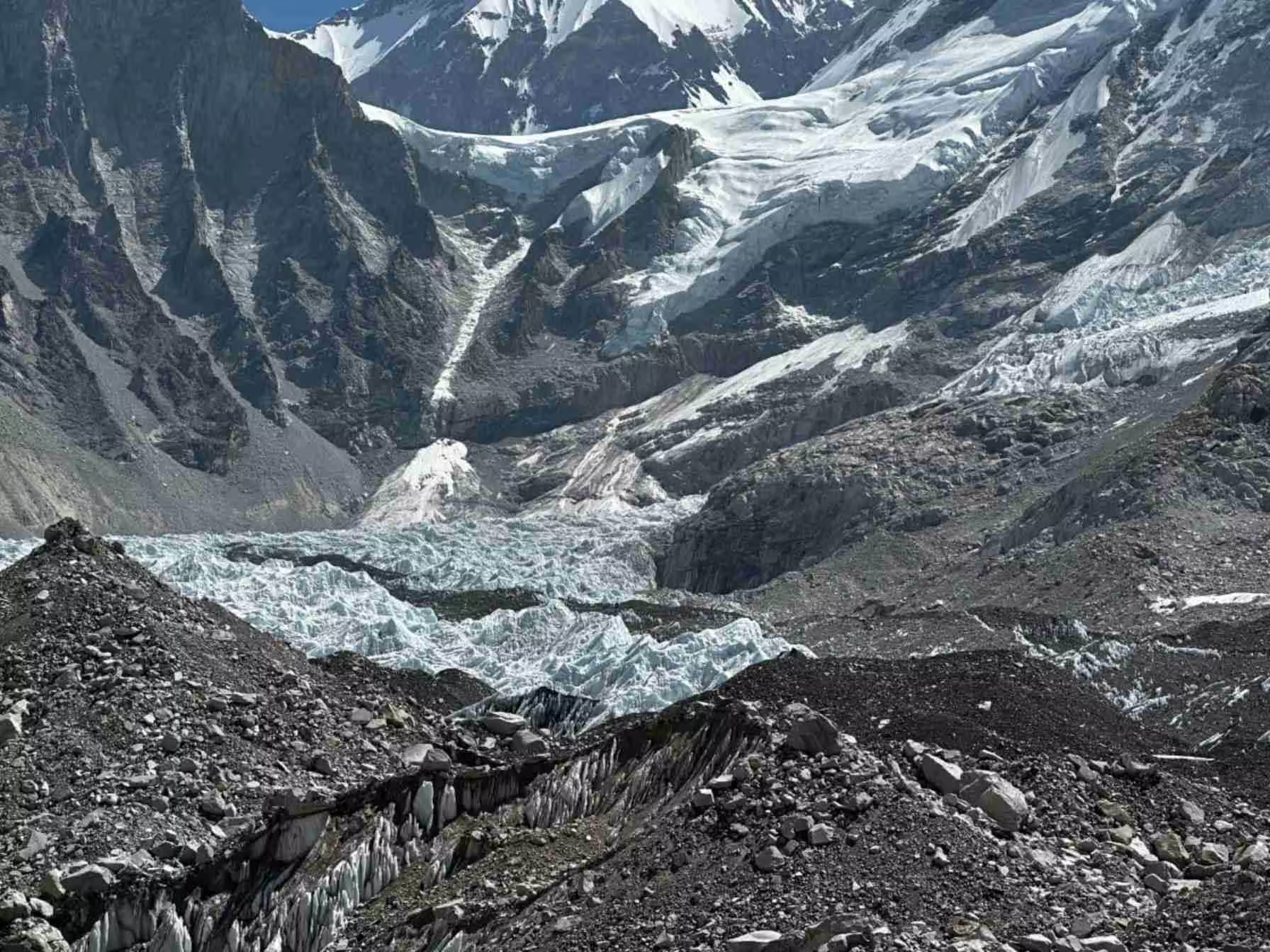
Ultimate day reaches Gorak Shep (5,164m) followed by afternoon Everest Base Camp hike (5,364m). Crossing Khumbu Glacier moraine tests endurance though achievement rewards justify effort. Base Camp during climbing season (April-May) features colorful expedition tents creating temporary city. Off-season reveals stark glacier landscape.
Understanding Base Camp as symbolic achievement rather than spectacular viewpoint manages expectations. Actual Everest views limited from Base Camp—Kala Patthar provides superior panoramas though reaching Base Camp represents significant personal accomplishment.
Day 12: Gorak Shep to Kala Patthar and Pheriche (8-9 hours)
Predawn ascent summits Kala Patthar (5,545m) for sunrise illuminating Everest, Pumori, Nuptse, and surrounding peaks. Three-hour climb gains approximately 400 vertical meters testing altitude tolerance and determination. Summit represents trek's scenic climax with unobstructed close-range Everest views.
Long descent reaches Pheriche (4,240m) where lower altitude aids recovery. Understanding demanding day helps mental preparation and appropriate energy management.
Days 13-15: Return Journey via Namche and Lukla
Rapid descent retraces route through Namche to Lukla. Familiar trails allow faster travel though careful footing prevents stumbles. Lukla celebration dinner marks successful completion.
Day 16: Lukla Flight and Kathmandu Return
Weather-dependent morning flight returns Kathmandu. Hotel accommodation, farewell dinner, and souvenir shopping conclude trek. International departure or extended Nepal travel follows personal schedules.
Physical Preparation and Training
Fitness Requirements
Demanding 16-day trek requires excellent cardiovascular endurance, leg strength, and mental determination. Multi-day hiking experience highly beneficial though extended gradual approach aids less-experienced trekkers. Preparation should include regular cardiovascular exercise (running, cycling, swimming) building aerobic capacity.
Hill training carrying weighted pack simulates trekking demands better than flat-terrain exercise. Stair climbing builds leg strength and cardiovascular fitness simultaneously. Understanding that fitness significantly impacts enjoyment encourages serious preparation investments.
Altitude Acclimatization Strategies
Extended approach provides superior natural acclimatization compared to rapid Lukla-starting routes. However, maximum elevation 5,545m at Kala Patthar creates extreme altitude exposure requiring conservative strategies. Proper hydration (3-4 liters daily), gradual ascent, and accepting rest days when symptoms develop prevents serious altitude sickness.
Diamox (acetazolamide) consideration should involve medical consultation. Understanding personal altitude tolerance variations encourages humble approach respecting mountain environment's unpredictable effects regardless of fitness level.
Cultural Immersion and Sherpa Heritage
Lower Solukhumbu Villages
Traditional settlements along classic route maintain agricultural economies, Buddhist practices, and social structures predating tourism development. Observing terraced farming, monastery rituals, and traditional crafts provides authentic cultural insights. Understanding communities' resilience and adaptation helps appreciating contemporary mountain life beyond romanticized past.
Tengboche Monastery Significance
Largest monastery in Khumbu region represents spiritual center hosting important festivals including Mani Rimdu celebrating Himalayan Buddhism's triumph over Bon religion. Monastery school educates young monks maintaining religious traditions for future generations. Understanding monastery's educational and spiritual roles enriches visit beyond tourist attraction.
Sherpa Mountaineering Legacy
Contemporary Sherpas continue dominating high-altitude mountaineering while maintaining traditional village identities. Understanding dual heritage—agricultural roots and climbing excellence—creates appreciation for remarkable cultural adaptations. Respectful conversations with Sherpa guides and lodge owners reveals personal stories connecting historical achievements with contemporary realities.
Best Trekking Seasons and Weather
Spring Optimal Period
March-May offers warming temperatures, blooming rhododendrons transforming hillsides colorful gardens, and stable weather patterns. Everest climbing season (April-May) creates Base Camp tent city atmosphere though increased upper Khumbu crowds. Understanding spring advantages helps timing decisions matching personal priorities.
Autumn Peak Season
September-November provides clearest mountain views, comfortable temperatures, and most stable weather. Post-monsoon atmospheric clarity creates spectacular photography conditions. However, peak season brings maximum crowds requiring advance teahouse booking and accepting busy trails. Understanding seasonal tradeoffs guides appropriate timing.
Monsoon and Winter Considerations
June-August monsoon brings afternoon rainfall, leeches at lower elevations, and obscured mountain views though lower tourist numbers. December-February winter features extreme cold, potential snow blocking high passes, though crystal-clear visibility rewards hardy trekkers. Understanding challenging season limitations prevents uncomfortable experiences.
Permits, Costs, and Logistics
Required Documentation
Sagarmatha National Park permit (NPR 3,000), TIMS card (NPR 2,000), and Khumbu Pasang Lhamu permit (NPR 2,000) total approximately NPR 7,000 ($55-60 USD). Comprehensive travel insurance covering 6,000-meter helicopter evacuation mandatory. Understanding permit requirements supports conservation funding and emergency preparedness.
Trek Budgeting
Organized 16-day treks typically $1,900-2,900 per person including permits, guide, porter, accommodation, meals, Salleri transport, and Lukla return flight. Extended itinerary adds costs compared to standard EBC though budget-conscious travelers appreciate avoiding expensive second Lukla flight. Understanding cost structures helps realistic financial planning.
Frequently Asked Questions
How does classic route compare to standard Lukla-start EBC?
Four extra days, superior acclimatization, deeper cultural immersion, quieter initial section, more authentic historical experience. Better physical preparation and more available time required though rewards justify commitments.
Is previous trekking experience necessary?
Highly beneficial though extended gradual approach suits determined beginners better than compressed itineraries. Previous multi-day hiking experience at altitude ideal preparation.
What about altitude sickness risks?
Extended approach significantly reduces risks though maximum elevation 5,545m creates serious exposure. Conservative pacing, proper hydration, and accepting rest days essential.
Can I start from Jiri instead of Nunthala?
Yes, adding 2-3 days following original complete historical route. Understanding road extensions enable various starting points matching available time.
Are teahouses adequate along entire route?
Yes, though lower Solukhumbu lodges simpler than upper Khumbu's developed facilities. Understanding progressive infrastructure improvements helps managing expectations.
What makes this trek special?
Historical authenticity following pioneers' footsteps, superior acclimatization, cultural immersion, quieter initial days, and genuine appreciation for mountaineering heritage creating meaningful experience beyond mere achievement.

No comments yet. Be the first to share your thoughts!