
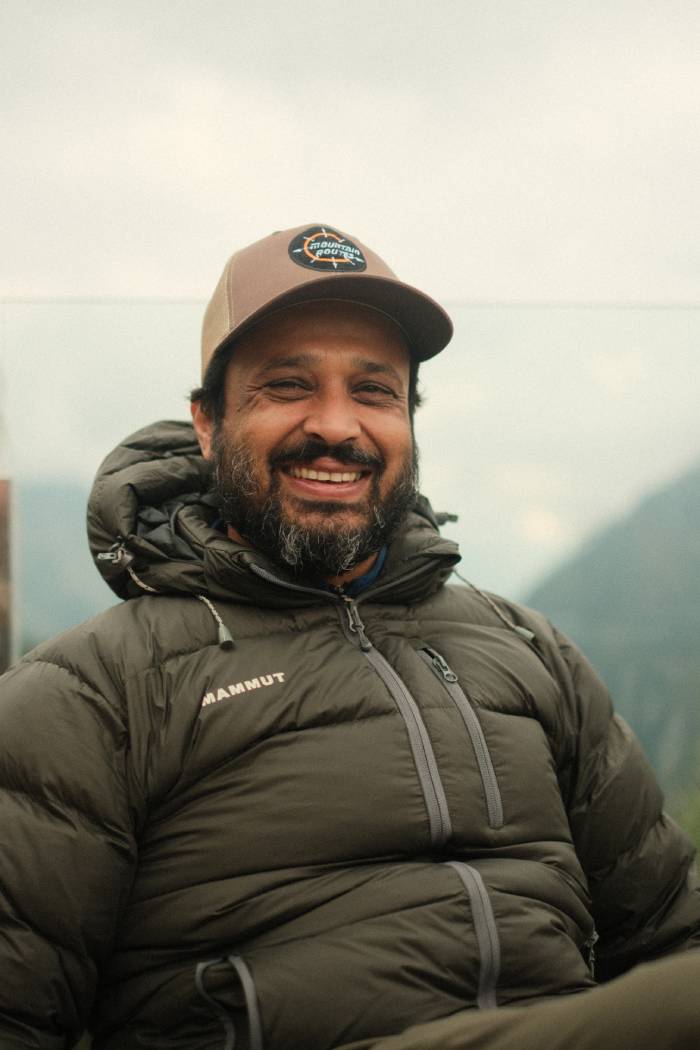
Nepal offers extraordinary diversity within a compact geographic area.
Snow-capped Himalayan peaks tower above lush valleys. Dense jungle wildlife reserves contrast with ancient temple complexes. Buddhist monasteries neighbor Hindu shrines reflecting religious harmony. Exploring this remarkable country reveals how nature and culture intertwine creating unique experiences impossible elsewhere.
Mark Twain wisely observed that future regrets focus more on missed opportunities than attempted adventures. Following this philosophy, comprehensive Nepal tours provide immersive experiences across the country's varied landscapes and cultural treasures. Rather than limiting visits to single destinations, extended journeys capture Nepal's full spectrum from mountain viewpoints to jungle safaris, from bustling medieval cities to serene pilgrimage sites.
Mountain Routes designs flexible itineraries covering major highlights while allowing personal pacing. Standard 10-day tours include Kathmandu Valley's UNESCO World Heritage Sites, Pokhara's adventure activities and mountain views, Chitwan National Park's wildlife encounters, and Lumbini's Buddhist pilgrimage complex. Optional extensions add Bandipur's preserved Newari village, Janakpur's Hindu temples, or Ilam's tea gardens depending on interests and time availability.
Why Choose a Comprehensive Nepal Tour
Experience Geographic Diversity
Nepal's elevation spans from 60 meters in southern plains to 8,849 meters at Everest's summit. Traveling across regions reveals dramatic landscape changes within hours. Kathmandu Valley sits at 1,400 meters in temperate zone with moderate climate. Pokhara occupies lakeside setting at 850 meters backed by Himalayan giants. Chitwan's lowland jungles at 200 meters show tropical biodiversity. Lumbini's plains share characteristics with neighboring India's Gangetic belt.
Road journeys between destinations provide insights into rural life. Villages cling to hillsides with terraced fields. Rivers carve gorges through mountains. Roadside tea shops offer refreshments and local interaction. Understanding how geography shapes lifestyle enriches appreciation beyond tourist highlights.
Immerse in Cultural Variety
Nepal's 125+ ethnic groups maintain distinct languages, customs, and traditions. Kathmandu Valley's Newari people created elaborate architectural and artistic traditions visible in Durbar Squares. Pokhara region's Gurung communities practice unique mountain cultures. Chitwan's Tharu people developed jungle-adapted lifestyles. Understanding these differences reveals how environment influences cultural development.
Religious diversity adds another dimension. Hinduism dominates with approximately 80% adherents. Buddhism claims 10% creating visible presence through stupas and monasteries. Religious syncretism allows many Nepalis incorporating both traditions. Visiting Hindu temples, Buddhist stupas, and syncretic sites demonstrates religious harmony unusual in modern world.
Visit UNESCO World Heritage Sites
Nepal hosts ten UNESCO World Heritage Sites within compact territory. Seven occupy Kathmandu Valley alone including three Durbar Squares (Kathmandu, Patan, Bhaktapur), two Buddhist stupas (Swayambhunath, Boudhanath), one Hindu temple (Pashupatinath), and one pilgrimage site (Changu Narayan). Lumbini, Buddha's birthplace, represents eighth site. Chitwan National Park claims ninth status. Sagarmatha National Park (Everest region) completes the list though requires trekking to access.
Comprehensive tours efficiently cover accessible UNESCO sites providing concentrated exposure to world-class cultural and natural heritage. Understanding these sites' significance creates deeper appreciation for Nepal's contributions to human civilization and biodiversity conservation.
Balance Culture and Nature
Combining urban cultural sites with natural environments prevents monotony. Temple touring occupies Kathmandu Valley days. Pokhara adds lakeside relaxation and adventure activities. Chitwan provides jungle immersion. Lumbini offers peaceful pilgrimage atmosphere. Variety maintains engagement across extended journeys preventing cultural or nature fatigue.
Cost-Effective Comprehensive Experience
Visiting Nepal multiple times for separate experiences increases total costs through repeated international flights and visa fees. Single extended trips consolidate transportation, reduce accommodation changeover expenses, and maximize limited vacation time. Package tours bundle services at favorable rates compared to independent booking.
Complete 10-Day Nepal Grand Tour Itinerary
Day 1: Arrival in Kathmandu (1,400m)
Activities: Airport pickup, hotel check-in, evening Thamel exploration
Accommodation: Hotel in Thamel
International flights typically arrive at Tribhuvan International Airport during afternoon or evening hours. Mountain Routes representatives meet clients at arrival hall holding name signs. After immigration and baggage claim, private vehicles transport groups to Thamel hotels. Drive takes 30-40 minutes depending on traffic.
Hotel check-in allows rest after long flights. Many travelers experience jetlag requiring adjustment time. Comfortable hotel rooms provide recovery space. Evening hours suit short Thamel Market walks familiarizing with immediate surroundings. Tourist shops sell trekking gear, handicrafts, and souvenirs. Restaurants offer international cuisines easing dietary transitions. Returning early ensures adequate sleep for next day's full schedule.
Day 2: Kathmandu Valley East (Pashupatinath, Boudhanath, Swayambhunath)
Activities: Three major religious sites
Driving Time: 2-3 hours total
Walking: 3-4 hours combined
Accommodation: Hotel in Kathmandu
Morning begins with Pashupatinath Temple visit. Nepal's most sacred Hindu site sits on Bagmati River banks. Open cremation ceremonies occur at ghats providing insight into Hindu death rituals. Main temple restricts non-Hindu entry though surrounding areas remain accessible. Monkeys inhabit temple grounds adding lively atmosphere. Morning rituals see maximum devotee activity.
After Pashupatinath, short drive reaches Boudhanath Stupa. Massive white dome dominates skyline as one of world's largest stupas. Tibetan Buddhist refugees established communities here creating mini-Tibet atmosphere. Circumambulating clockwise while spinning prayer wheels follows proper etiquette. Rooftop cafes surrounding the stupa provide excellent photography vantage points. Morning light creates ideal conditions.
Lunch breaks occur at Boudhanath area restaurants. Tibetan momos (dumplings), thukpa (noodle soup), and butter tea offer authentic flavors. After lunch, vehicles navigate traffic toward Swayambhunath. Also called Monkey Temple, this hilltop stupa requires climbing 365 steps. Monkeys inhabit the complex hence the nickname. Summit provides 360-degree Kathmandu Valley views. Buddha's all-seeing eyes painted on stupa watch all directions. Evening visits show city lights beginning to illuminate below.
Return to Thamel via Kathmandu Durbar Square allows brief evening exploration. Though main visits occur next day, evening atmosphere shows local life continuing around monuments. Street vendors sell snacks. Families socialize on temple steps. Understanding living heritage context enriches appreciation.
Day 3: Kathmandu Valley South (Patan and Bhaktapur Durbar Squares)
Activities: Two UNESCO Durbar Squares
Driving Time: 2 hours total
Walking: 4-5 hours combined
Accommodation: Hotel in Kathmandu or Bhaktapur
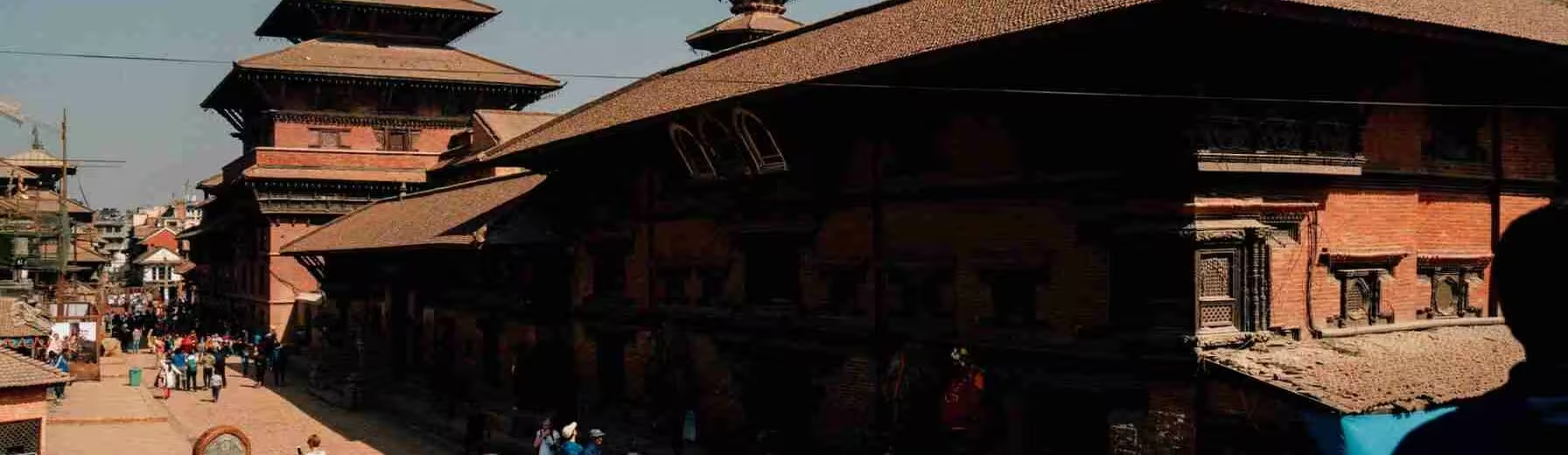
Morning departure reaches Patan Durbar Square after 30-minute drive. Also called Lalitpur (City of Fine Arts), Patan showcases Newari craftsmanship. Krishna Temple's stone architecture contrasts with surrounding wooden structures. Golden Temple houses Buddhist monastery within Hindu-dominated square. Museum occupies former palace displaying royal artifacts. Narrow lanes surrounding square reveal traditional neighborhoods where craftsmen work metal and wood.
After Patan exploration and lunch, driving continues 13 kilometers east to Bhaktapur. Less crowded than Kathmandu's Durbar Square, Bhaktapur maintains medieval atmosphere. 55-Window Palace exemplifies Newari woodcarving mastery. Vatsala Temple features stone architecture with distinctive style. Lion Gate guards palace entrance. Pottery Square shows traditional clay working continuing for generations. Optional Changu Narayan Temple extension adds oldest temple in valley to itinerary.
Evening options include returning Kathmandu or staying Bhaktapur. Bhaktapur overnight allows experiencing evening and early morning atmosphere without tourist crowds. Small hotels and guesthouses provide adequate accommodation. Juju Dhau (king curd) dessert specialty shouldn't be missed.
Day 4: Fly to Pokhara (850m), Davis Fall and Peace Pagoda
Activities: Flight, waterfall, cave, pagoda
Flight Time: 25 minutes
Driving/Walking: 3-4 hours
Accommodation: Hotel in Lakeside Pokhara
Morning flight to Pokhara provides spectacular aerial views on clear days. Annapurna range appears remarkably close during 25-minute journey. Pokhara airport sits adjacent to city making hotel transfers quick. Check-in at Lakeside hotels allows freshening before afternoon activities.
Davis Fall (Patale Chhango) demonstrates unique geological feature where stream disappears underground. Monsoon season shows maximum water volume. Adjacent Gupteshwor Cave contains natural formations and underground passage viewing Davis Fall from below. Combined visits take 1-2 hours.
World Peace Pagoda sits atop hillock south of Phewa Lake. Options include hiking 1.5 hours uphill or driving to base plus short walk. White stupa provides panoramic views across lake toward Annapurna range. Sunset creates beautiful light conditions. Descent options include retracing route or boating across Phewa Lake.
Evening Lakeside exploration reveals Pokhara's relaxed atmosphere. Restaurants line lakefront serving international cuisines. Live music venues create entertainment options. Compared to Kathmandu's density, Pokhara feels spacious and peaceful.
Day 5: Sarangkot Sunrise, Pokhara Sightseeing
Activities: Sunrise viewing, optional paragliding, caves, boating
Driving/Activities: Full day
Accommodation: Hotel in Lakeside Pokhara
Pre-dawn departure reaches Sarangkot hilltop (1,592m) for sunrise. First light illuminates Annapurna massif, Machapuchhre, Dhaulagiri creating golden glow on snow peaks. Photography conditions peak during 30-minute sunrise period. Sarangkot serves as paragliding launch site. Optional tandem flights provide 30-45 minute aerial experiences soaring above Pokhara Valley.
Returning to hotel for breakfast precedes full-day sightseeing. Mahendra Cave and Bat Cave showcase stalactite and stalagmite formations. Both require careful walking through dark passages. Carrying flashlights helps though caves have basic lighting.
Afternoon Phewa Lake boating offers relaxation. Renting paddle boats or rowboats allows leisurely lake crossing to Tal Barahi Temple. Small island temple dedicated to Hindu goddess creates peaceful environment. Rowing back or hiring boatmen completes lake experience.
Optional evening cycling tours explore Pokhara city and surrounding villages. Flat terrain suits casual cyclists. Routes pass through local neighborhoods revealing daily life beyond tourist areas.
Day 6: Pokhara to Chitwan via Bandipur
Activities: Road journey, Bandipur exploration
Driving Time: 5-6 hours with stops
Accommodation: Resort in Chitwan
Overland journey from Pokhara to Chitwan covers approximately 150 kilometers taking 5-6 hours. Stopping at Bandipur breaks journey while adding cultural dimension. This preserved Newari village sits atop ridge at 1,030 meters offering mountain views. Traditional architecture remains intact without modern intrusions. Siddha Cave (South Asia's longest) extends 437 meters underground requiring 30-minute cave walking.
Bandipur stop includes lunch and 2-3 hour exploration before continuing to Chitwan. Route passes through Mugling and Narayanghat crossing from mountains to plains. Landscape transitions dramatically from hills to Terai flatlands.
Arrival at Chitwan occurs late afternoon or early evening. Jungle resorts line Rapti River offering comfortable accommodation. Evening riverside walks may reveal crocodiles or rhinos visiting water sources. Resort orientation explains next day's jungle activities.
Day 7: Chitwan National Park Wildlife Safari
Activities: Jeep safari, elephant breeding center, optional activities
Accommodation: Resort in Chitwan
Early morning jeep safari enters Chitwan National Park seeking wildlife. Patient observation locates one-horned rhinos grazing in grasslands. Spotted deer, wild boar, and monkeys appear frequently. Lucky sightings include leopards, sloth bears, or Bengal tigers though these prove elusive. Crocodiles sun on riverbanks. Over 500 bird species attract ornithologists year-round.
Mid-morning visit to elephant breeding center shows conservation efforts. Baby elephants play supervised by mothers. Understanding human-elephant interaction history reveals both conflict and cooperation in Terai regions.
Afternoon options include canoe trips along Rapti River for waterbird observation and crocodile viewing. Village walks introduce Tharu culture and traditional stick dances. Sunset views from riverside show rhinos emerging from forests to graze.
Day 8: Chitwan to Lumbini via Devghat
Activities: Road journey, Devghat pilgrimage site
Driving Time: 6 hours
Accommodation: Hotel in Lumbini
Long driving day covers approximately 170 kilometers from Chitwan to Lumbini. Stopping at Devghat adds Hindu pilgrimage dimension. Located where Trishuli and Kali Gandaki rivers meet, Devghat hosts temples and cremation ghats. Many Hindus come here for final life stages. Brief stop allows observing religious practices and riverside atmosphere.
Continuing west, the route crosses flat Terai plains. Agriculture dominates with rice paddies, wheat fields, and sugarcane plantations. Villages show different architectural styles adapted to hot climate. Buffalo carts still transport goods despite motorcycle prevalence.
Arrival in Lumbini occurs afternoon or evening. High temperatures characterize this region requiring adjustment. Hotels provide air conditioning for comfort. Evening walks around Lumbini's Sacred Garden introduce the complex layout. Buddha's birthplace holds profound significance for world's 500+ million Buddhists making atmosphere particularly peaceful and contemplative.
Day 9: Lumbini Sacred Garden Exploration
Activities: Monastic zone, Maya Devi Temple, museum
Accommodation: Hotel in Lumbini
Rickshaw tours efficiently cover Lumbini's extensive grounds. Monastic Zone contains 25+ monasteries built by various countries in their architectural styles. German, Chinese, Myanmar, Thai, Vietnamese, and other national monasteries showcase Buddhist architecture diversity. Each offers unique artistic interpretation of Buddhist principles.
Maya Devi Temple marks Buddha's exact birthplace. Archaeological excavations revealed ancient structures beneath current temple. Marker stone indicates the precise spot where Queen Maya Devi gave birth to Siddhartha Gautama around 563 BCE. Sacred pool where Buddha's first bath supposedly occurred remains visible.
Ashoka Pillar erected by Emperor Ashoka in 249 BCE commemorates his pilgrimage. Sandstone pillar stands 6 meters showing inscriptions in Brahmi script. This represents tangible connection to Buddhism's historical spread across Asia.
Lumbini Museum displays artifacts from archaeological excavations and explains Buddha's life story through exhibits. Understanding Buddhism's origins and development across centuries enriches visit significance. Sacred Garden's peaceful atmosphere invites meditation and contemplation fitting pilgrimage site purpose.
Day 10: Lumbini to Kathmandu, Departure
Activities: Flight to Kathmandu, departure preparations
Flight Time: 45 minutes from Bhairahawa
Accommodation: Day room if needed
Morning drive from Lumbini to Bhairahawa Airport takes 30 minutes. Flights depart regularly for Kathmandu taking 45 minutes. Arriving Kathmandu by midday allows international departure connections or extended city exploration depending on flight schedules.
Day rooms at hotels accommodate travelers with evening international flights. Shopping for last-minute souvenirs, organizing photos, or simply relaxing fills remaining hours. Final Nepal meals provide chances savoring favorite dishes discovered during the journey.
Evening airport transfers ensure timely arrival for international departures. Check-in procedures, security, and immigration require 2-3 hours before flight times. Reflecting on ten days reveals extraordinary diversity experienced within compact timeframe and geography.
Practical Tour Information
Best Time for Grand Tours
Autumn (September-November): Peak season with stable weather and excellent visibility. Clear skies reveal mountain panoramas. Moderate temperatures suit extensive sightseeing. Festival season adds cultural dimension. However, maximum tourist numbers and higher prices.
Spring (March-May): Second-best season with blooming flowers and pleasant temperatures. Rhododendrons color hillsides. Good visibility though occasionally hazy. Moderate tourist numbers and prices.
Winter (December-February): Clear mountain views but cold mornings especially in Kathmandu. Lumbini and Chitwan maintain comfortable temperatures. Fewer tourists create peaceful experiences. Budget travelers benefit from lower prices.
Monsoon (June-August): Challenging with rain affecting activities and transportation. Chitwan's lush vegetation peaks. Fewer tourists drastically reduce prices. Only adventurous travelers comfortable with uncertainty choose monsoon tours.
Package Inclusions and Costs
Standard 10-day grand tour packages range $800-1,500 per person depending on accommodation standards and group size. Inclusions typically cover domestic flights (Kathmandu-Pokhara, Bhairahawa-Kathmandu), private vehicle transportation with driver, hotel accommodation, all entry fees and permits, guide services, and Chitwan activities package.
Exclusions include international flights, Nepal visa ($50 for 30 days), meals beyond breakfast, personal expenses, tips for guides and drivers, and travel insurance. Budgeting additional $30-50 daily covers meals, drinks, and incidental expenses.
Physical Requirements
Moderate activity level suits most travelers. Daily walking ranges 2-4 hours mostly on flat or gentle terrain. Swayambhunath's 365 steps present main cardiovascular challenge. Chitwan activities remain gentle. No altitude concerns exist as maximum elevation stays below 2,000 meters. Elderly travelers and families with children complete tours successfully.
What to Pack
Layered clothing handles temperature variations across regions. Kathmandu requires light jacket for mornings and evenings. Pokhara stays mild. Chitwan's heat demands lightweight breathable fabrics. Lumbini's plains show extreme heat. Walking shoes adequate for all destinations. Sun protection essential especially in Terai regions. Modest dress required for temple visits covering shoulders and knees.
Frequently Asked Questions
Can the itinerary be customized?
Yes, Mountain Routes adjusts itineraries based on interests, time availability, and budget. Extensions add destinations like Janakpur, Ilam tea gardens, or Bardiya wildlife reserve.
Is this tour suitable for families?
Absolutely. Moderate activity levels, varied experiences, and comfortable accommodation suit families. Children enjoy wildlife safaris and cultural diversity. Educational value enhances family bonding.
What about altitude sickness?
No concerns as maximum elevation stays below 2,000 meters throughout standard itinerary. Comfortable oxygen levels prevent altitude-related issues.
How are hotels standards?
Standard packages use 3-star comfortable hotels. Upgrade options include 4-5 star properties in major cities. All provide private bathrooms, hot showers, and adequate amenities.
What if I have limited time?
Shorter versions cover highlights in 7-8 days eliminating Lumbini or Chitwan. However, 10 days recommended for unhurried comprehensive experience.
Is travel insurance necessary?
Highly recommended covering medical emergencies, trip cancellations, and lost luggage. Adventure activities like paragliding require specific coverage verification.

No comments yet. Be the first to share your thoughts!