Contents
The Short Annapurna Base Camp Trek condenses the classic ABC route into five days without sacrificing the essential mountain experience.
This rapid itinerary reaches 4,130 meters from Pokhara in half the time of standard routes. The trek covers approximately 70 kilometers through diverse terrain, from subtropical forests to alpine meadows surrounding Annapurna's towering peaks.
Time constraints often prevent trekkers from attempting longer Himalayan routes. The 5-day ABC itinerary solves this problem by eliminating lower-elevation walking days while maintaining all critical acclimatization stops. The route starts higher, moves faster, and requires stronger fitness than traditional approaches. Physical preparation and realistic expectations determine success on this compressed schedule.
This guide explains the day-by-day itinerary, altitude challenges, fitness requirements, and costs for the Short Annapurna Base Camp Trek. Proper planning reduces risk and improves the trekking experience.
Overview of the 5-Day Annapurna Base Camp Trek
The Short ABC Trek from Pokhara begins at Jhinu Danda rather than Nayapul or Ghandruk. This higher starting point cuts two to three days from the standard itinerary. The route follows the Modi River valley through rhododendron forests, Gurung villages, and glacial valleys before reaching Annapurna Base Camp.
Daily walking time ranges from six to eight hours. Altitude gain happens quickly, with the trek climbing from 1,070 meters to 4,130 meters in three days. This rapid ascent increases altitude sickness risk compared to longer routes. Rest stops and slow pace become essential for safe completion.
The trek passes through Sinwa, Deurali, and Machhapuchhre Base Camp before reaching ABC. The return follows the same route downward, taking advantage of faster descent speeds. Total trekking distance covers roughly 70 kilometers over five days, with the heaviest walking on descent day.
Trail Highlights on the Short ABC Route
- Jhinu Danda natural hot springs for post-trek recovery
- Dense rhododendron forests blooming in spring season
- Close views of Machhapuchhre (6,993m) sacred mountain
- 360-degree mountain panorama at Annapurna Base Camp
- Traditional Gurung and Magar villages along the route
- Suspension bridges over Modi River glacial waters
- Sunrise views illuminating Annapurna I (8,091m) from base camp
Detailed 5-Day ABC Trek Itinerary
- Day 1: Pokhara to Sinwa via Jhinu Danda
- Day 2: Sinwa to Deurali
- Day 3: Deurali to Annapurna Base Camp via MBC
- Day 4: ABC to Upper Sinwa
- Day 5: Upper Sinwa to Jhinu Danda and Return to Pokhara
Day 1: Pokhara to Sinwa via Jhinu Danda
Elevation: 822m to 2,340m
Distance: 8-10 kilometers trekking
Walking Time: 5-6 hours
Accommodation: Tea house in Sinwa

Trekkers beginning ABC trek Day 1 from Jhinu Danda trailhead with guide and porters
The trek begins with a 90-minute drive from Pokhara to Jhinu Danda at 1,070 meters. The road passes through traditional villages, terraced farmland, and river valleys. Vehicle transportation saves one full day compared to walking from Nayapul.
From Jhinu Danda, the trail climbs steadily through subtropical forest alongside Modi River. The path crosses several suspension bridges over glacial streams. Mule trains carrying supplies to upper villages share the narrow trail. Stone steps carved by generations of travelers form the main route.
The ascent to Sinwa gains 1,270 meters elevation through rhododendron and bamboo forest. The climb feels steep and sustained. Breaks become necessary every 30-40 minutes. Gurung villages appear along the route, offering tea shops and rest stops. Traditional stone houses with slate roofs demonstrate authentic mountain architecture.
Sinwa sits on a ridge with clear mountain views when weather permits. Tea house accommodation provides twin-bed rooms with shared bathrooms. Basic meals include dal bhat, noodles, and fried rice. Hot showers may be available for extra cost. Early sleep prepares the body for the next day's climb.
Day 2: Sinwa to Deurali
Elevation: 2,340m to 3,230m
Distance: 10-12 kilometers
Walking Time: 6-7 hours
Accommodation: Tea house in Deurali

Two friends posing on trail from Sinwa to Deurali, Day 2
Day two involves the trek's longest sustained climb. The trail drops briefly to cross Modi River on a suspension bridge, then begins steady uphill progression. The route passes through bamboo forest where sunlight filters through dense canopy. The path stays shaded for several hours, keeping temperatures cooler during ascent.
Elevation gain totals 890 meters over the day. The climb feels consistent rather than steep. Pace naturally slows as altitude increases. Breathing becomes deeper and more deliberate above 2,500 meters. Rest breaks increase in frequency. Langur monkeys occasionally appear in forest canopy. Bird calls echo through the trees.
The forest transitions to larger rhododendron trees at higher elevation. These bloom bright red and pink during March and April. The trail passes Bamboo village and Dovan before reaching Deurali. Small tea shops at these stops offer snacks, drinks, and brief rest opportunities.
Deurali sits on a narrow ridge at 3,230 meters. The village marks entry into alpine zone. Trees become smaller and more sparse. Mountain views open up in multiple directions. Temperature drops noticeably from lower elevations. Tea house lodges here provide basic shelter with minimal amenities. Rooms stay cold at night. Dining halls have stoves that provide warmth during evening meals.
Day 3: Deurali to Annapurna Base Camp via MBC
Elevation: 3,230m to 4,130m
Distance: 8-10 kilometers
Walking Time: 6-8 hours
Accommodation: Tea house at ABC

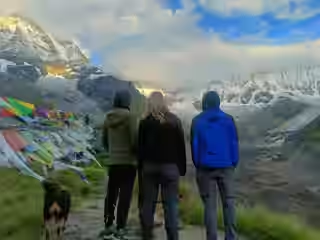
Standing at Machapuchare Base Camp at day 3 before heading to ABC
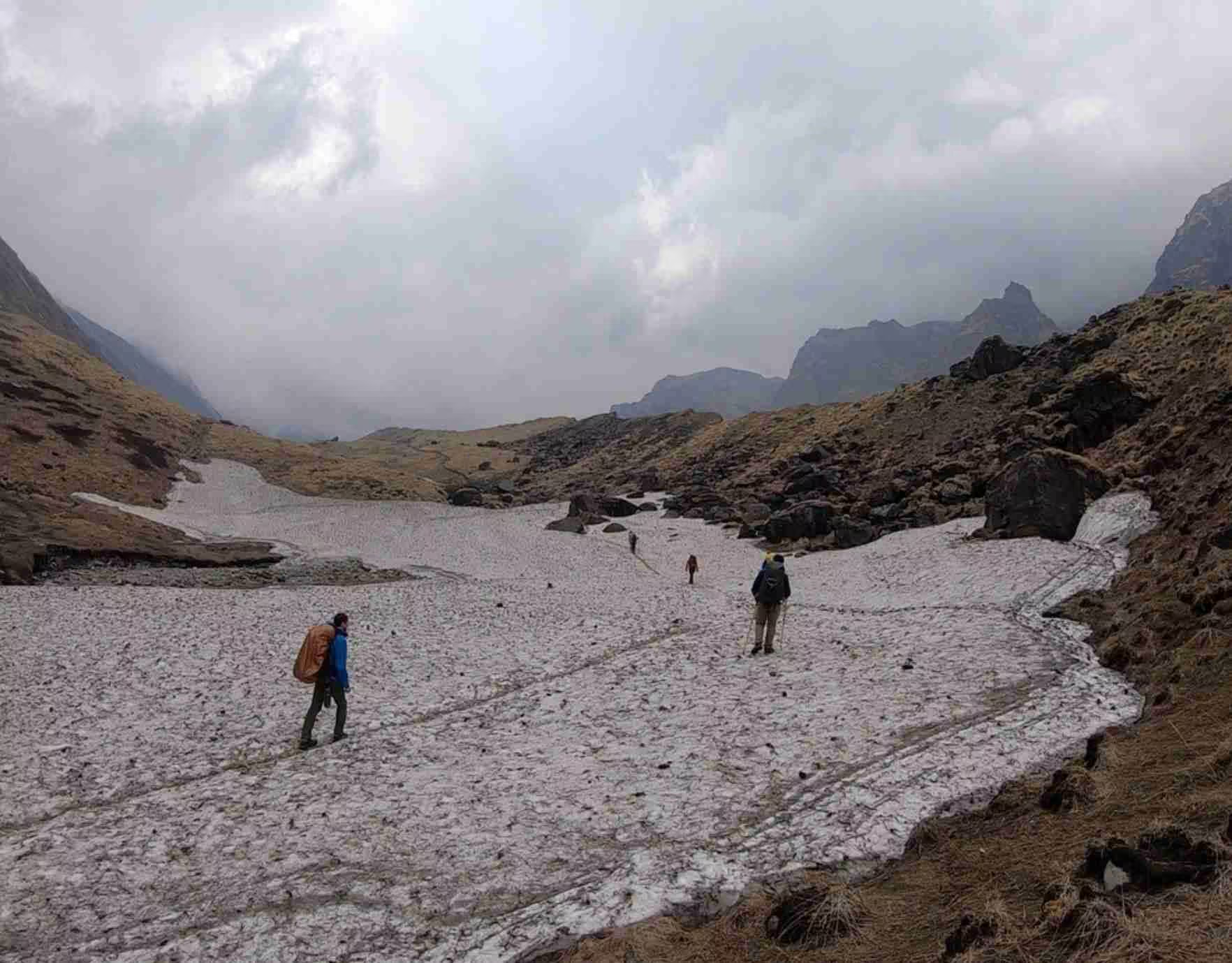
The third day reaches maximum altitude. The trek starts before sunrise to allow time for slow ascent and altitude adjustment. The trail climbs gradually through thinning forest into open alpine meadows. Prayer flags mark significant viewpoints along the route. Mountain peaks become visible in all directions as tree cover disappears.
Machhapuchhre Base Camp appears after three to four hours of climbing at 3,700 meters. This rest stop provides tea, snacks, and a chance to assess altitude symptoms. Headache, nausea, or unusual fatigue signal potential altitude sickness. Slow pace and hydration help reduce these symptoms. The final push to ABC covers 430 vertical meters through glacial valley.
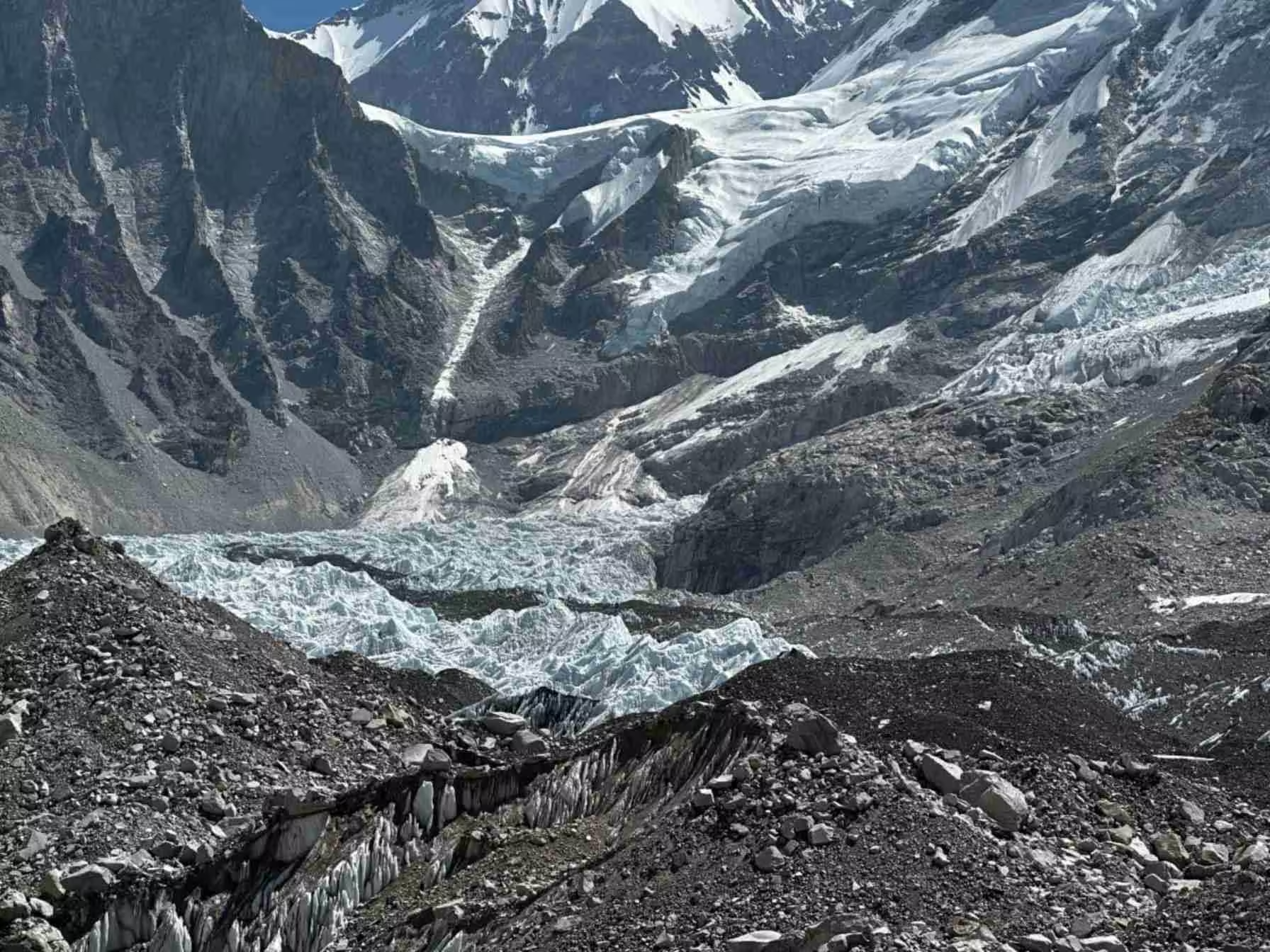
Annapurna Base Camp sits in a natural amphitheater of mountains. Annapurna I (8,091m), Annapurna South (7,219m), Hiunchuli (6,441m), and Machhapuchhre (6,993m) surround the camp on all sides. The 360-degree panorama creates one of Nepal's most dramatic mountain viewpoints.
Oxygen levels at 4,130 meters drop to roughly 60% of sea level. Physical exertion feels significantly harder. Appetite often decreases. Sleep quality suffers due to thin air. Tea house accommodation remains basic but adequate. Lodges provide blankets, but sleeping bags add essential warmth. Temperatures drop below freezing after sunset.
Sunset and sunrise from ABC illuminate the peaks in orange and pink light. These brief periods offer the best photography conditions. Clear weather provides spectacular views. Clouds or snow reduce visibility and increase cold stress.
Day 4: ABC to Upper Sinwa
Elevation: 4,130m to 2,340m
Distance: 15-18 kilometers
Walking Time: 7-8 hours
Accommodation: Tea house in Upper Sinwa

Trekker leaving ABC at day 4 after clicking photos at base camp
A decent day covers the most distance. The return route follows the same trail used for ascent. Early start allows completion before dark. Optional sunrise viewing from ABC adds 30-60 minutes to the morning schedule but provides memorable mountain views.
The descent drops 1,790 meters over the day. Downhill walking creates a different strain than climbing. Knees absorb significant impact. Trekking poles reduce joint stress. Breaks remain necessary despite faster downhill pace. The trail retraces through Machhapuchhre Base Camp, Deurali, and Dovan.
Oxygen levels increase steadily during descent. Breathing becomes easier. Energy levels improve. Appetite returns. The body recovers quickly from altitude stress once below 3,500 meters. Upper Sinwa provides more comfortable lodging than higher camps. Hot showers may be available. Food options expand with better kitchen facilities.
Day 5: Upper Sinwa to Jhinu Danda and Return to Pokhara
Elevation: 2,340m to 1,070m
Distance: 8-10 kilometers trekking
Walking Time: 4-5 hours
Drive: 2-3 hours to Pokhara

The final trekking day descends through rhododendron forest to Jhinu Danda. The same trail used on day one now heads downward. Familiar landmarks appear from opposite direction. The descent takes roughly half the time of the original ascent. Warm temperatures return at lower elevation.
Jhinu Danda offers natural hot springs heated by geothermal activity. A 20-minute side trail drops to the spring location on the riverbank. Soaking in hot water provides relief for tired muscles. The springs maintain a comfortable temperature year-round. Mountain views stretch across the valley. One to two hours allows adequate time for bathing and relaxation.
After the hot springs, vehicle transportation returns trekkers to Pokhara. The drive takes two to three hours through the countryside and villages. Mountain views gradually disappear as distance increases. Arrival in Pokhara marks the trek's completion. Hotel accommodation, hot showers, and diverse food options provide contrast to mountain conditions.
5-Day ABC Trek Map and Route
The Short Annapurna Base Camp Trek route forms a linear path up and down Modi River valley. The trail does not loop, so ascent and descent follow identical paths. Key villages mark progress along the route at different elevations.
Route Progression:
Pokhara (822m) → Jhinu Danda (1,070m) → Sinwa (2,340m) → Deurali (3,230m) → Machhapuchhre Base Camp (3,700m) → Annapurna Base Camp (4,130m) → Return via same route
The map shows steepest sections between Jhinu and Sinwa, then again from Deurali to MBC. Gentler gradients exist between Sinwa and Deurali. The final ABC section climbs through open valleys with moderate grades.
Short ABC Trek Cost from Pokhara
Total cost for the 5-day Annapurna Base Camp Trek ranges from $500 to $1,035 depending on service level and group size. Larger groups reduce per-person costs through shared guide and transportation fees. Solo trekkers pay higher rates due to non-shared expenses.
Cost Components:
- Guide Service: $25-40 per day
- Porter Service: $20-30 per day
- ACAP Permit: $22 per person
- TIMS Card: $15 per person
- Transportation: $60-120 total
- Accommodation: $15-40 per night
- Meals: $8-18 per person per day
Budget Package ($500-600)
The budget option suits cost-conscious trekkers willing to accept basic services. This package includes licensed guide, tea house accommodation with shared bathrooms, standard dal bhat meals, and necessary permits.
Lodges at this level provide adequate shelter but minimal comfort. Hot water availability varies. Rooms may be cold at night. The budget package works well for groups of five to ten people splitting costs.
Standard Package ($700-850)
Standard service offers better lodge selection, more varied meals, and experienced senior guides. Tea houses at this level provide cleaner rooms, more reliable hot water, and improved dining facilities. Meal options expand beyond basic dal bhat.
Porter service can be added to carry personal gear, reducing daily strain.
Premium Package ($1,000-1,200)
Premium service selects the best available lodges at each stop. Rooms are cleaner and better maintained. Private bathrooms appear more frequently.
Meals include diverse options with better quality. Senior guides with excellent English communication lead these treks. Additional safety equipment and satellite communication devices increase security.
Best Season for Short Annapurna Base Camp Trek

Season choice significantly affects trek difficulty, safety, and enjoyment.
Weather patterns in the Annapurna region follow predictable annual cycles. Temperature, precipitation, and visibility vary by month.
Spring Season (March-May)
Spring provides optimal conditions for the Short ABC Trek. Clear skies dominate March through May with minimal precipitation. Rhododendron forests bloom in brilliant red, pink, and white during March and April. The entire landscape transforms into a colorful display.
Temperature ranges from 15-20°C in lower valleys to -5°C at Annapurna Base Camp during early season.
May brings warmer conditions with afternoon temperatures reaching 25°C below 3,000 meters. Nights remain cold at all elevations. Morning offers the best mountain visibility before afternoon clouds develop.
Trail conditions stay excellent throughout spring. Snow melts from lower sections by March. Base camp may retain some snow early in the season. Stream crossings present no difficulty. Crowds increase during April and May as peak season arrives.
Autumn Season (September-November)
Autumn ranks as the most popular trekking season due to stable weather and crystal-clear visibility. Monsoon rains end in late September, leaving trails dry and skies cloudless. October and November provide the year's best mountain views.
Temperature ranges from 8-18°C in valleys to -8°C at base camp. November brings colder conditions as winter approaches. Clear weather continues through November despite dropping temperatures. Morning frost appears at higher elevations.
Trail conditions remain ideal throughout autumn. Streams run low after the monsoon season ends. River crossings stay easy.
Dust accumulates on lower trails from heavy traffic. Lodges fill quickly during October, the busiest month. Booking advance accommodation helps secure rooms.
Winter Season (December-February)
Winter presents serious challenges for the Short ABC Trek. Heavy snowfall affects areas above 3,500 meters.
Thorong La Pass often closes, though ABC typically remains accessible. Temperatures drop to -20°C at base camp with severe wind chill. Daytime temperatures barely rise above freezing at higher elevations.
Most tea houses close for the winter season. Only a few lodges remain open at each stop. Services become very basic. Food options decrease significantly.
Hot water becomes unavailable at most locations. However, crystal-clear visibility and complete solitude reward experienced winter trekkers. The mountains appear sharp against blue skies. No crowds exist on trails.
Winter trekking demands expedition-grade equipment. Four-season sleeping bags rated to -20°C become necessary. Heavier clothing layers add pack weight. Shorter daylight hours limit trekking time. Weather changes happen rapidly and without warning.
Monsoon Season (June-August)
Monsoon season brings heavy rainfall to lower elevations. Trails become muddy and slippery. Landslides occasionally block routes. Leeches appear in forests below 3,000 meters. Cloud cover obscures mountain views for days at a time.
However, areas above 4,000 meters receive less rain as weather systems lose moisture at lower elevations. Annapurna Base Camp itself often stays dry during monsoon. The landscape turns brilliantly green. Wildflowers bloom throughout the region. Very few trekkers attempt this season, creating empty trails.
Monsoon trekking suits only experienced adventurers comfortable with uncertain conditions. Waterproof gear becomes essential. Extra time must be built into the schedule for weather delays. The rapid 5-day itinerary becomes risky during monsoon due to limited flexibility.
Altitude and Acclimatization on the 5-Day ABC Trek
The Short Annapurna Base Camp Trek climbs from 822 meters to 4,130 meters in three days. This rapid ascent creates significant altitude sickness risk. Understanding altitude effects and proper acclimatization strategies reduces danger.
Oxygen Levels by Elevation
- Pokhara (822m): 100% sea level oxygen equivalent
- Sinwa (2,340m): 77% oxygen availability
- Deurali (3,230m): 70% oxygen availability
- MBC (3,700m): 65% oxygen availability
- ABC (4,130m): 60% oxygen availability
The body struggles to function normally with reduced oxygen. Physical exertion requires more effort. Breathing rate increases. Heart rate climbs. Sleep quality decreases. Appetite often diminishes. These effects intensify as elevation increases.
Acute Mountain Sickness (AMS) Symptoms
- Headache (most common first symptom)
- Nausea or vomiting
- Dizziness and lightheadedness
- Fatigue despite rest
- Loss of appetite
- Difficulty sleeping
- Shortness of breath during exertion
Mild symptoms affect most trekkers above 3,500 meters. These symptoms usually resolve with rest, hydration, and slow ascent. Moderate symptoms require stopping at current elevation until improvement occurs. Severe symptoms demand immediate descent to lower altitude.
High Altitude Cerebral Edema (HACE) and High Altitude Pulmonary Edema (HAPE) represent life-threatening conditions. HACE symptoms include severe headache, confusion, loss of coordination, and altered consciousness. HAPE symptoms include severe shortness of breath at rest, chest tightness, cough with pink frothy sputum, and extreme fatigue. Both conditions require immediate descent and emergency evacuation.
Acclimatization Strategies for Rapid Ascent
The 5-day itinerary allows minimal acclimatization time. Proper strategies become essential for safety.
Climb high, sleep low principle cannot be fully applied on this compressed schedule. However, short acclimatization walks above sleeping elevation help trigger adaptation. At Sinwa and Deurali, climbing 100-200 meters above the village and returning improves acclimatization without adding excessive fatigue.
Hydration significantly affects altitude tolerance. Drink four to five liters of water daily above 3,000 meters. Dehydration worsens altitude symptoms. Clear or pale yellow urine indicates adequate hydration. Dark yellow urine signals dehydration.
Slow pace reduces altitude sickness risk. Walk at a conversation pace where talking remains comfortable. Rapid hiking increases oxygen demand before the body adapts. Rest breaks every 30-40 minutes allow recovery. Avoid overexertion.
Avoid alcohol consumption above 3,000 meters. Alcohol causes dehydration and affects sleep quality. Both factors worsen altitude sickness. Similarly, sleeping pills and sedatives reduce breathing rate during sleep, decreasing oxygen intake.
Diamox (acetazolamide) helps some trekkers with acclimatization. This medication accelerates adaptation to altitude. Typical dosage ranges from 125-250mg twice daily, starting one day before ascent. Medical consultation before the trek determines if Diamox suits individual health conditions. Side effects include tingling in fingers and toes, increased urination, and altered taste.
Physical Fitness Requirements
The Short Annapurna Base Camp Trek demands good cardiovascular fitness, leg strength, and mental resilience. Daily trekking involves six to eight hours of continuous walking over steep, uneven terrain while carrying a daypack.
Cardiovascular Endurance
Strong cardio fitness allows sustained effort at altitude where oxygen levels drop. Trekkers should comfortably walk 15-20 kilometers on flat ground without exhaustion. Uphill hiking for several consecutive hours tests cardiovascular capacity more than flat walking.
Pre-trek training should include activities like running, cycling, swimming, or brisk walking for 45-60 minutes, four to five times weekly.
Gradually increase intensity and duration over three months before departure. Interval training simulates the varied pace of mountain trekking.
Leg Strength and Endurance
Strong legs reduce fatigue and prevent injury on steep sections. Quadriceps, hamstrings, and calves all face sustained workload.
Descents particularly stress knees and ankles. Weak legs increase fall risk on uneven trails.
Effective training exercises include stair climbing with weighted backpack, squats and lunges, step-ups on elevated platforms, and hill hiking on local trails. Practice carrying 5-7 kg in a daypack during training hikes. This simulates actual trekking load and reveals pack fit issues before departure.
Core Strength and Balance
Core stability improves balance on narrow trails and reduces back strain from pack weight. Narrow suspension bridges, rocky paths, and stream crossings all require good balance. Core exercises like planks, side planks, and rotational movements strengthen stabilizing muscles.
Mental Preparation
Mental toughness matters as much as physical fitness. Long trekking days test patience and motivation. Cold mornings challenge willpower. Altitude discomfort requires mental discipline to maintain slow pace and proper hydration. Previous multi-day hiking experience builds mental resilience for sustained effort.
Age Considerations
The trek suits ages 12 and above with appropriate fitness levels and guardian supervision for minors. No upper age limit exists if fitness and health allow. Trekkers in their 60s and 70s successfully complete ABC with proper preparation. Fitness level matters more than chronological age.
Medical Conditions
Heart conditions, lung disease, or severe joint problems require medical clearance before attempting high-altitude trekking. High altitude stresses cardiovascular and respiratory systems significantly. Previous severe altitude sickness indicates higher risk on future treks. Consultation with a physician familiar with altitude medicine provides personalized risk assessment.
Essential Packing List for 5-Day ABC Trek
Proper equipment ensures comfort and safety across varied terrain and temperatures. The list balances essential items against weight constraints.
Clothing Layers
- Base layers: Two sets of synthetic or merino wool tops and bottoms for moisture management
- Mid layers: Fleece jacket or synthetic insulated jacket for warmth
- Down jacket: 700+ fill power for cold camps and early mornings
- Outer shell: Waterproof, breathable jacket and pants for rain and wind protection
- Trekking pants: Two pairs of quick-dry, lightweight material
- Trekking shirts: Three quick-dry shirts for rotation
- Thermal underwear: One set for sleeping at high camps
- Underwear and sports bras: Four to five pairs, synthetic or wool
- Warm hat: Fleece or wool beanie covering ears
- Sun hat: Wide brim for sun protection
- Gloves: Thin liner gloves and insulated outer gloves
Footwear
- Trekking boots: Broken-in boots with ankle support and good tread
- Trekking socks: Four to five pairs of wool or synthetic blend
- Camp shoes: Lightweight sandals or slip-on shoes for lodge use
- Gaiters: Optional, useful for muddy conditions or light snow
Technical Equipment
- Backpack: 40-50 liter capacity with comfortable hip belt and rain cover
- Trekking poles: Adjustable poles with shock absorption reduce knee strain
- Sleeping bag: -10°C to -15°C comfort rating (available for rent in Pokhara)
- Headlamp: With spare batteries and red light mode for night use
- Water bottles: Two 1-liter bottles or hydration bladder
- Sunglasses: UV protection with side shields for glacier and snow
- Stuff sacks: Waterproof bags for organizing gear and protecting from rain
First Aid and Medications
- Personal prescriptions: Full trek duration plus extra days
- Altitude sickness medication: Diamox if prescribed by doctor
- Pain relievers: Ibuprofen or paracetamol for headaches and soreness
- Anti-diarrheal medication: Loperamide for digestive issues
- Rehydration salts: Electrolyte packets for hydration support
- Blister treatment: Moleskin, athletic tape, and bandages
- Antiseptic: Small tube for minor cuts and scrapes
- Hand sanitizer: Alcohol-based for hygiene when water unavailable
Toiletries and Personal Items
- Toothbrush and toothpaste
- Biodegradable soap
- Quick-dry towel
- Toilet paper and wet wipes
- Sunscreen: SPF 50+ for high-altitude sun exposure
- Lip balm: SPF 30+ to prevent chapped lips
- Personal hygiene items
Electronics and Accessories
- Phone and charger
- Power bank: 10,000+ mAh capacity
- Camera with extra batteries and memory cards
- Adapter plugs: Nepal uses Type C, D, and M sockets
- Earplugs: For noisy lodge environments
Documents and Money
- Passport with Nepal visa
- Travel insurance documents covering high-altitude trekking
- ACAP permit and TIMS card (arranged through trekking company)
- Cash: Nepali rupees for personal expenses, tips, and emergency
- Credit card: Backup payment method
Permits Required for ABC Trek
Two mandatory permits apply to all Annapurna region trekking. These permits fund conservation efforts, trail maintenance, and emergency services while tracking trekker movements for safety purposes.
Annapurna Conservation Area Permit (ACAP)
- Cost: NPR 3,000 (approximately $22 USD) for foreign nationals
- Cost for SAARC citizens: NPR 1,000 (approximately $7 USD)
- Processing: Available in Kathmandu or Pokhara
- Required documents: Passport, two passport photos
ACAP fees support environmental conservation programs, community development projects, and trail infrastructure maintenance throughout the Annapurna Conservation Area. The permit covers all routes within the protected area including ABC, Annapurna Circuit, and other trails.
Trekkers' Information Management System (TIMS) Card
- Cost: NPR 2,000 (approximately $15 USD) for independent trekkers
- Cost for organized group trekkers: NPR 1,000 (approximately $7 USD)
- SAARC nationals: Reduced fees
- Processing: Available through registered trekking agencies
TIMS cards create a database of trekker movements for safety monitoring and emergency response coordination. The system helps locate missing trekkers and facilitates rescue operations when needed.
Trekking companies typically handle permit arrangements as part of package services. Independent trekkers must obtain permits personally in Kathmandu or Pokhara before starting the trek. Permit offices require passport presentation and fee payment in Nepali rupees or USD.
Tea House Accommodation Standards
Tea house lodges provide basic but adequate shelter along the ABC route. Accommodation quality decreases with elevation as construction challenges and supply difficulties increase.
Lower Elevation Lodges (Jhinu to Sinwa)
- Rooms: Private twin rooms with two single beds
- Bathrooms: Shared facilities, usually Western-style toilets
- Hot water: Solar or gas heating, available for fee
- Electricity: Generally available, charging devices costs extra
- WiFi: Often available at lower elevations for purchase
- Meals: Diverse menu with local and international options
Mid Elevation Lodges (Deurali area)
- Rooms: Basic twin rooms with thin mattresses
- Bathrooms: Shared facilities, mix of Western and squat toilets
- Hot water: Limited availability, often bucket showers only
- Electricity: Sporadic supply, charging fees increase
- WiFi: Unreliable or unavailable
- Meals: Limited menu focusing on dal bhat and noodles
High Elevation Lodges (MBC and ABC)
- Rooms: Very basic shelter with simple beds
- Bathrooms: Shared outdoor facilities, squat toilets only
- Hot water: Generally unavailable
- Electricity: Minimal or none, solar power for lighting only
- WiFi: Unavailable
- Meals: Simple options, primarily dal bhat
Sleeping bags significantly improve warmth and comfort at all elevations. Lodge blankets provide some insulation but often feel inadequate at higher camps. Personal sleeping bags rated to -10°C or -15°C ensure comfortable sleep regardless of lodge blanket quality.
Dining rooms feature central heating sources (stove or fireplace) where trekkers gather during evenings. These common areas provide the only warm space in most lodges. Meals are served in dining rooms at set times.
Short ABC Trek Difficulty Level

The 5-day Annapurna Base Camp Trek rates as moderate to challenging difficulty. Several factors combine to create physical and mental demands beyond basic hiking.
Physical Challenges
- Daily walking time: 6-8 hours of continuous trekking
- Elevation gain: 3,308 meters total ascent
- Terrain: Steep stone stairs, rocky paths, uneven ground
- Pack weight: 5-8 kg daypack throughout the trek
- Weather: Variable conditions from warm valleys to freezing camps
Technical Difficulty
The trail requires no technical climbing skills. No rope work, ice axe use, or scrambling appears on the route. However, narrow paths demand attention. Suspension bridges cross high above rivers. Loose rocks create slip hazards on steep sections. Trekking poles improve stability and reduce joint strain.
Altitude Challenge
Rapid ascent to 4,130 meters creates the greatest difficulty. The compressed timeline allows minimal acclimatization compared to longer routes. Thin air reduces physical capacity and mental clarity. Altitude sickness risk increases significantly on this fast schedule.
Comparison to Other ABC Routes
The 5-day version presents higher difficulty than 7-10 day itineraries due to faster altitude gain and longer daily distances. Standard ABC treks allow more gradual acclimatization with additional rest days. The short trek suits fit, time-constrained trekkers willing to accept increased altitude risk.
Who Should Attempt This Trek
Good candidates: Fit hikers with previous multi-day trekking experience, comfortable with sustained effort at altitude, able to train seriously for three months pre-trek
Poor candidates: First-time trekkers with no altitude experience, people with limited time for pre-trek training, those with low tolerance for basic accommodation
Why Choose Mountain Routes for Your 5-Day ABC Trek
Professional guide services significantly improve safety and success rates on compressed itineraries like the 5-day ABC trek. Mountain Routes provides experienced, government-licensed guides with extensive Annapurna region knowledge and emergency response training.
Expert Local Guides
All Mountain Routes guides hold official licenses issued by Nepal's trekking authority. Licensing requires completion of comprehensive training programs covering mountain safety, first aid, altitude illness recognition, weather assessment, and rescue coordination. Years of guiding experience supplement formal training.
Guides monitor trekker health continuously throughout the journey, watching for altitude sickness symptoms and adjusting pace when necessary. They recognize early warning signs that trekkers often miss or dismiss. This vigilance prevents minor symptoms from developing into serious conditions requiring evacuation.
Cultural and natural interpretation enriches the trekking experience. Guides identify mountain peaks, explain local plant and animal species, and share knowledge about Gurung and Magar cultural traditions. Their insights transform simple walking into meaningful cultural immersion.
Safety and Emergency Support
Mountain Routes maintains emergency protocols and communication systems for rapid response to medical emergencies. Guides carry satellite phones and first aid equipment on all treks. Helicopter evacuation coordination begins immediately when serious altitude illness or injury occurs.
Comprehensive travel insurance covering high-altitude trekking and helicopter evacuation to 6,000 meters remains mandatory for all trekkers. Mountain Routes verifies insurance coverage before trek departure.
Flexible Itinerary Options
Weather changes, altitude symptoms, or personal preference may require itinerary adjustments. Mountain Routes accommodate modifications when conditions warrant changes. Extra rest days can be added if altitude symptoms appear. Routes can be shortened if weather deteriorates or health concerns arise.
Alternative ABC Trek Durations
Seven-Day ABC Trek
The 7-day Annapurna Base Camp trek provides more gradual acclimatization for trekkers preferring slower pace and reduced altitude risk. This extended itinerary includes additional rest days and explores the route more thoroughly. Daily walking time decreases while cultural immersion opportunities increase.
The longer duration significantly reduces altitude sickness risk through better acclimatization. Extra days allow flexibility for weather delays without affecting the overall schedule. The 7-day version suits first-time high-altitude trekkers and those preferring a more comfortable pace.
ABC Helicopter Tour
Helicopter tours reach Annapurna Base Camp in 90 minutes from Pokhara, eliminating all trekking. This option suits travelers with extreme time constraints, mobility limitations, or those combining aerial sightseeing with other Nepal activities. The flight provides spectacular mountain views unavailable from ground level.
Helicopter tours cost significantly more than trekking but save 5-7 days. The experience differs fundamentally from trekking, offering aerial perspective rather than ground-level immersion. No physical fitness requirements exist beyond ability to walk short distances at base camp.
Safety Considerations and Risk Management
High-altitude trekking involves inherent risks that proper preparation and awareness can minimize but not eliminate. Understanding these risks allows informed decision-making.
Altitude Illness Risk
Acute Mountain Sickness affectas approximately 50% of trekkers ascending above 4,000 meters. The 5-day itinerary's rapid ascent increases this risk. Mild symptoms resolve with rest and proper acclimatization. Severe symptoms require immediate descent.
HACE and HAPE occur in roughly 1-2% of high-altitude trekkers. Both conditions can develop rapidly and prove fatal without prompt descent and treatment. Guide monitoring and quick response prevent most severe outcomes.
Weather Hazards
Sudden weather changes create multiple dangers. Temperature drops, heavy snowfall, and strong winds can occur with minimal warning at high elevations. Proper clothing layers and weather monitoring reduce exposure risk. Guides track weather forecasts and adjust plans accordingly.
Trail Hazards
Slips and falls on steep sections cause the most common trekking injuries. Sprained ankles, twisted knees, and bruises result from uneven terrain. Trekking poles significantly reduce fall risk. Proper footwear with good ankle support and tread prevents many injuries.
Suspension bridges feel intimidating but pose minimal actual danger when crossed carefully. Rock fall occasionally occurs on sections below cliffs. Guides identify high-risk areas and time crossings appropriately.
Medical Evacuation
Serious illness or injury may require helicopter evacuation from remote locations. Evacuation costs range from $3,000-7,000 depending on pickup location. Weather conditions must allow helicopter flight, which may create delays. Comprehensive travel insurance covering helicopter evacuation is mandatory and provides financial protection.
Insurance Requirements
Travel insurance must specifically cover:
- Trekking up to 4,500 meters elevation
- Helicopter evacuation from remote areas
- Medical treatment in Nepal
- Emergency repatriation to home country
Standard travel insurance often excludes high-altitude trekking. Specialized adventure travel insurance policies provide necessary coverage. Verify policy details before departure, as exclusions vary significantly between providers.
Trek Smart Tips
- Walk slowly and maintain conversation pace
- Stay hydrated with 4-5 liters daily above 3,000m
- Report all altitude symptoms to guide immediately
- Avoid alcohol and sleeping pills at altitude
- Eat regular meals even when appetite decreases
- Pack warm clothes accessible in daypack
- Charge electronics at lower elevations
- Bring extra cash for personal expenses and tips
Frequently Asked Questions
What is the total cost for a 5-day ABC trek from Pokhara?
Total cost ranges from $500 to $1,035 depending on service level, group size, and included amenities. Budget packages start around $500 for basic services. Standard packages cost $700-850 with better lodges and meals. Premium packages reach $1,000+ with top-tier services. Larger groups reduce per-person costs through shared guide and transportation expenses.
How does the 5-day ABC trek differ from the 7-day version?
The 5-day trek starts higher (Jhinu Danda vs Nayapul), eliminates lower-elevation walking days, and moves faster. Daily distances increase and acclimatization time decreases. Altitude sickness risk rises on the shorter itinerary. The 7-day version provides better acclimatization, more cultural immersion, and easier daily distances. Fit, experienced trekkers handle the 5-day route. First-time altitude trekkers should choose longer itineraries.
What fitness level is required for this short ABC trek?
Good cardiovascular endurance and leg strength are essential. Trekkers should comfortably hike 6-8 hours daily with 5-8 kg daypack. Training should include stair climbing, hill hiking with weighted pack, and aerobic exercise for 45-60 minutes, four to five times weekly for three months before departure. Previous multi-day trekking experience helps significantly.
Can I rent trekking gear in Pokhara?
Yes, Pokhara offers extensive gear rental shops concentrated in the Lakeside tourist area. Available items include sleeping bags (-10°C to -20°C rating), down jackets, trekking poles, backpacks, and boots. Rental costs range from $1-3 per day per item. Quality varies significantly between shops. Inspect all rented gear carefully before accepting. Purchase critical items like boots and base layers for proper fit.
Is altitude sickness a serious concern on the 5-day trek?
Yes, altitude sickness risk increases significantly on rapid ascent itineraries. The 5-day trek climbs from 822m to 4,130m in three days, allowing minimal acclimatization time. Approximately 50% of trekkers experience mild altitude symptoms above 4,000m. Serious conditions (HACE/HAPE) occur in 1-2% of cases but can be fatal without immediate descent.
Proper acclimatization strategies for ABC trek, hydration, and slow pace reduce risk. Guides monitor symptoms continuously and respond quickly to concerning signs.
What permits are needed and how much do they cost?
Two permits are mandatory: Annapurna Conservation Area Permit (ACAP) costs $22 for foreign nationals, $7 for SAARC citizens. Trekkers' Information Management System (TIMS) card costs $15 for independent trekkers, $7 for organized groups.
Total permit cost is $37 for most foreign trekkers. Trekking companies typically arrange permits as part of package services. Independent trekkers obtain permits in Kathmandu or Pokhara before departure.
What should I pack for a 5-day ABC trek?
Essential items include layered clothing (base, mid, outer shell, down jacket), broken-in trekking boots, sleeping bag (-10°C rated), trekking poles, headlamp, water bottles, sunglasses, first aid kit, personal medications, toiletries, sunscreen (SPF 50+), and power bank. Bring 4-5 changes of base layers and socks.
Pack waterproof bags for electronics and important documents. Total pack weight should not exceed 8kg for comfort during long trekking days.
When is the best time to trek to Annapurna Base Camp?
Spring (March-May) and autumn (September-November) offer optimal conditions. Spring features rhododendron blooms, moderate temperatures, and clear skies. Autumn provides the year's best visibility, stable weather, and dry trails.
October and April see peak crowds. Winter (December-February) brings extreme cold and snow but crystal visibility. Monsoon (June-August) creates muddy trails, landslide risk, and poor visibility, suitable only for experienced adventurers.
Is the Short Annapurna Base Camp Trek Worth It?
The 5-day Annapurna Base Camp Trek delivers an intense Himalayan experience in minimal time. The compressed schedule reaches one of Nepal's most spectacular mountain viewpoints without the extended commitment of longer treks. For time-constrained travelers with good fitness, this rapid itinerary provides genuine high-altitude adventure.
However, the short duration comes with trade-offs. Rapid altitude gain increases health risks. Longer daily distances demand strong fitness. Minimal rest time reduces cultural immersion opportunities. These factors make the 5-day route unsuitable for first-time altitude trekkers or those with moderate fitness levels.
Success requires honest self-assessment of fitness capabilities and altitude tolerance. Three months of dedicated training builds necessary cardiovascular endurance and leg strength. Previous trekking experience at moderate altitude helps gauge personal altitude response. Proper acclimatization strategies and guide monitoring reduce but don't eliminate altitude sickness risk.
With realistic expectations, thorough preparation, and professional guide support from experienced operators like Mountain Routes, the Short Annapurna Base Camp Trek transforms from risky endeavor into achievable adventure. The satisfaction of standing at 4,130 meters surrounded by 7,000 and 8,000-meter peaks, the cultural connections formed in mountain villages, and the personal growth from pushing physical limits create lasting memories.
The question isn't whether the Short ABC Trek is difficult, it is. The real question is whether you're willing to train properly, respect altitude dangers, and commit fully to the journey's demands. If you answer yes to all three, the 5-day Annapurna Base Camp Trek offers an exceptional Himalayan experience in a remarkably short time.


No comments yet. Be the first to share your thoughts!