
Nepal stands as one of the world's most sacred destinations for Hindu and Buddhist pilgrims.
Birthplace of Lord Buddha and home to Mount Everest, this Himalayan nation contains countless temples, monasteries, and holy sites drawing millions seeking spiritual fulfillment. Religious diversity characterizes Nepal where Hinduism and Buddhism coexist harmoniously, often within the same sacred spaces.
Sacred geography spans the country from Terai plains to high Himalayan valleys. Ancient temples crown mountain passes. Holy rivers flow from glacial sources. Natural springs provide ritual bathing sites. Caves shelter meditation practitioners. Understanding Nepal's spiritual landscape reveals how geography shapes religious practice with altitude, water sources, and natural features all holding sacred significance.
Mountain Routes designs comprehensive pilgrimage tours covering major Hindu and Buddhist sites across Nepal. Beyond religious visits, journeys include cultural exploration in Kathmandu, Pokhara, and Janakpur. Natural beauty surrounds spiritual destinations with lakes, rivers, waterfalls, and mountain panoramas enhancing contemplative atmosphere. Flexible itineraries accommodate personal interests adding sites like Lumbini, Swargadwari, Pathibhara, or Barahachetra based on devotional preferences and available time.
Major Pilgrimage Sites Covered
Pashupatinath Temple (Kathmandu)
Nepal's most sacred Hindu temple dedicated to Lord Shiva sits on Bagmati River banks in eastern Kathmandu. UNESCO World Heritage Site status recognizes outstanding religious and architectural significance. Main temple features pagoda-style architecture with gilded roof and intricate woodcarvings. Only practicing Hindus enter inner sanctum though all visitors explore outer complex.
Bagmati River flowing past temple holds special sanctity as tributary of holy Ganges. Cremation ghats line riverbanks where traditional Hindu funeral rites occur openly. Witnessing cremations provides profound perspective on life, death, and moksha (liberation). Evening aarti ceremony honors Shiva with fire offerings, bhajans, and ritual prayers creating powerful spiritual atmosphere.
Guheswori Temple located one kilometer away complements Pashupatinath as shakti peetha (power seat) of the goddess. Together they represent divine masculine and feminine energies in balance. Pilgrims visiting Pashupatinath traditionally include Guheswori completing spiritual circuit.
Muktinath Temple (Mustang)
Perched at 3,800 meters in Mustang district, Muktinath represents one of 108 Divya Desams (holy abodes) in Vaishnavism. Both Hindus and Buddhists revere this high-altitude shrine. 108 water spouts surrounding main temple provide ritual bathing despite freezing temperatures. Devotees believe bathing under all spouts washes away sins accumulated across lifetimes.
Natural gas flame burns eternally beside water spring representing unique combination of earth's elements—fire and water coexisting impossibly. Pilgrims consider this phenomenon divine miracle reinforcing site's sanctity. Tibetan Buddhist traditions identify Muktinath with Chumo Tsergi (goddess of mercy).
Journey to Muktinath tests physical endurance and spiritual devotion. High altitude creates challenges requiring proper acclimatization. Remote location means basic facilities though spiritual rewards compensate material simplicity. Indian Prime Minister Narendra Modi's 2018 visit highlighted international religious significance.
Janaki Temple (Janakpur)
Janakpur holds immense importance as birthplace of Goddess Sita and site of her marriage to Lord Rama. Janaki Temple built in 1911 showcases Mughal and Koiri architectural fusion with white marble construction and intricate carvings. Three-story structure contains central shrine housing Sita images surrounded by attendant deities.
Bibaha Mandap marks exact spot where Sita and Rama married according to Ramayana tradition. Stone platform and small shrine commemorate this pivotal mythological event. Annual Vivah Panchami festival (November-December) recreates wedding ceremony attracting thousands of pilgrims from India and Nepal.
Ram Mandir and numerous other temples fill Janakpur transforming entire city into sacred landscape. Mithila culture preserved here maintains unique traditions distinct from other Nepali regions. Women create intricate floor paintings (mithila art) demonstrating artistic heritage spanning centuries.
Manakamana Temple (Gorkha)
Located in Gorkha district, Manakamana Temple honors goddess Bhagwati (Parvati incarnation). Name derives from "mana" (heart) and "kamana" (wish) reflecting belief that sincere prayers fulfill desires. Cable car ride from Kurintar provides scenic approach gaining 1,000 meters elevation in 10 minutes.
Temple complex occupies hilltop at 1,302 meters offering valley views. Main shrine contains goddess image receiving daily worship and offerings. Animal sacrifice tradition continues with devotees offering pigeons, chickens, or goats fulfilling vows made when prayers answered. Understanding these practices within cultural context prevents judgmental reactions.
Annual festivals bring massive crowds especially during Dashain when thousands seek blessings for prosperity and protection. Cable car system installed 1998 transformed access from difficult 3-hour climb to comfortable ride increasing visitor numbers dramatically.
Budhanilkantha Temple (Kathmandu)
Reclining Vishnu statue carved from single black basalt stone measures 5 meters long, dating to 5th-7th century. God sleeps on cosmic serpent Ananta floating on water in tank. Iconography depicts Vishnu maintaining universe between creation and destruction cycles. Locals call it "Sleeping Vishnu" though proper name Budhanilkantha means "Old Blue Throat."
Sacred pool surrounding statue allows ritual bathing for devotees. Morning hours see maximum worship activity with priests performing puja. Historical tradition forbade Nepali monarchs visiting believing divine curse. This taboo ended with monarchy abolition 2008 though cultural memory persists.
Location at Shivapuri hill base creates natural amphitheater setting. Surrounding gardens provide peaceful environment for contemplation. Understanding Vishnu's role as preserver in Hindu trinity enriches appreciation beyond aesthetic admiration.
Dakshinkali Temple (Kathmandu Valley)
Goddess Kali temple located in Pharping village 22 kilometers south of Kathmandu draws devotees seeking powerful deity's blessings. Kali represents time, change, and destruction of evil. Temple structure simple compared to elaborate Kathmandu monuments reflecting folk tradition rather than royal patronage.
Animal sacrifice central to Dakshinkali worship especially during Tuesdays and Saturdays. Devotees believe blood offerings appease fierce goddess preventing calamities and granting wishes. Hundreds of chickens, goats, and ducks sacrificed weekly creating intense atmosphere. Vegetarian visitors may find practices disturbing though representing authentic traditional worship.
Location in forested valley creates dramatic setting. Stone steps descend into gorge where Kali shrine occupies. Natural spring provides ritual purification. Understanding tantric traditions underlying Kali worship provides context for practices seeming extreme by contemporary standards.
Banglamukhi Temple (Kathmandu)
Goddess Banglamukhi (form of Durga) honored here for power protecting devotees from enemies and negative influences. Yellow-colored deity holds special significance in tantric Buddhist and Hindu traditions. Temple attracts those facing legal disputes, competitive challenges, or seeking protection from harmful forces.
Small temple structure located near Budhanilkantha offers intimate worship setting. Yellow cloth offerings, yellow flowers, and yellow food items used in puja reflecting goddess's associated color. Priests specialized in tantric rituals guide elaborate ceremonies for devotees with specific requests.
Visiting multiple shakti peethas (goddess power sites) creates complete pilgrimage experience. Each goddess manifestation addresses different life aspects—Kali for transformation, Banglamukhi for protection, Taleju for royal/societal welfare.
Complete 13-Day Pilgrimage Itinerary
Day 1: Arrival in Kathmandu
International flights arrive at Tribhuvan International Airport. Mountain Routes representative meets travelers providing transportation to selected hotel. After check-in and rest, brief orientation explains upcoming pilgrimage schedule. Evening free for Thamel market exploration and final preparations. Comfortable accommodation in Kathmandu allows recovering from travel fatigue before intensive touring begins.
Day 2: Pashupatinath, Guheswori, Boudhanath, and Patan
Early morning departure visits Pashupatinath for sacred darshan (deity viewing). Morning hours show authentic devotional practices with fewer tourist crowds. Walking to nearby Guheswori Temple completes divine circuit. Buddhist pilgrims visit Boudhanath Stupa (within walking distance) experiencing religious harmony.
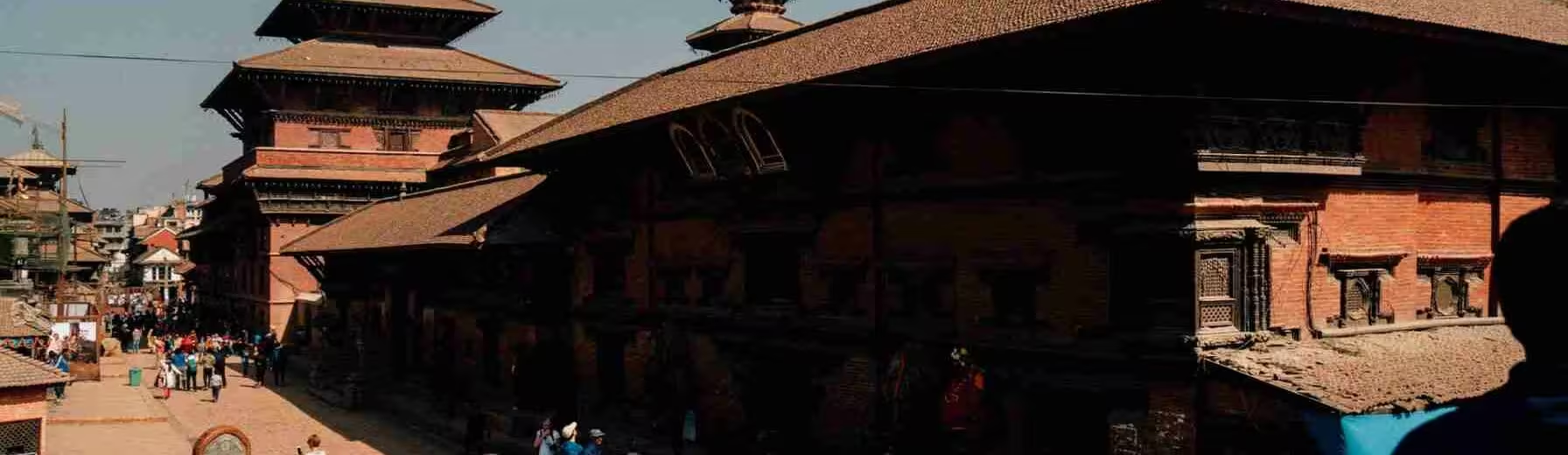
After lunch, journey to Patan Durbar Square explores ancient royal palace and Krishna Temple. Newari architecture demonstrates medieval craftsmanship. Return to Kathmandu for overnight stay processes day's spiritual experiences.
Day 3: Dakshinkali, Budhanilkantha, Banglamukhi
22-kilometer drive reaches Dakshinkali in Pharping village. Morning worship witnesses active rituals potentially including animal sacrifices. Return to Kathmandu visits Budhanilkantha Temple viewing magnificent Sleeping Vishnu. Afternoon includes Banglamukhi Temple and optionally Maitidevi or Sankata shrines. Limited daily sites prevent exhaustion before multi-day travel begins.
Day 4: Kathmandu to Janakpur
Six-hour drive via BP Highway crosses varied terrain. Route passes through Dhulikhel, Sindhuli Gadhi, and Bardibas before reaching Terai plains. Janakpur arrival by afternoon allows hotel check-in and rest. Evening visits Janaki Temple experiencing main shrine during worship hours. Bibaha Mandap viewing follows showing exact marriage site. Ram Mandir visit completes initial Janakpur exploration.
Day 5: Janakpur Exploration and Drive to Pokhara
Morning revisit to Janaki Temple allows deeper contemplation during quieter hours. After breakfast, 7-8 hour drive toward Pokhara begins. Optional stops include Gadhimai Temple (major animal sacrifice site) or brief Chitwan National Park visit for wildlife viewing. Route through Narayanghat and Mugling follows Trisuli River showing beautiful landscapes. Evening arrival in Pokhara allows rest after long travel day.
Day 6: Pokhara Holy Sites
Early morning boat ride (15 minutes) crosses Phewa Lake reaching Barahi Temple on small island. Goddess Barahi (Durga manifestation) receives morning worship. Return to shore precedes Bindabasini Temple visit on city hillside. Afternoon explores Davis Fall waterfall and Gupteshwor Cave with its underground Shiva shrine accessed via slippery stairs. Optional World Peace Pagoda visit shows Buddhist monument with valley views.
Day 7: Pokhara to Jomsom
Full-day drive to Jomsom follows dramatic Kali Gandaki gorge. Stops at Tatopani allow natural hot spring bathing. Mountain scenery becomes increasingly spectacular as altitude increases. Kali Gandaki Valley known as world's deepest canyon creates overwhelming landscape. Evening arrival in Jomsom at 2,700 meters requires rest and acclimatization.
Day 8: Muktinath Pilgrimage
Early departure allows daylight Muktinath visit. Options include 3-4 hour trek or jeep/horseback transport. High-altitude location at 3,800 meters requires slow movement preventing altitude issues. Main temple provides darshan. 108 water spouts allow ritual bathing under icy water. Eternal flame viewing shows miraculous natural phenomenon. Return to Jomsom by afternoon allows rest and reflection on significant pilgrimage milestone.
Day 9: Jomsom to Pokhara
Return drive retraces route with different perspectives on familiar landscapes. Optional second Tatopani hot spring bath provides relaxation. Mountain views from opposite angles reveal new details. Reaching Pokhara by evening allows comfortable hotel accommodation after multiple days in remote areas.
Day 10: Pokhara to Manakamana to Kathmandu
Morning departure drives toward Kathmandu. At Kurintar (100km from Pokhara), cable car ascends to Manakamana Temple. 10-minute ride gains 1,000 meters showing valley views. Temple visit includes darshan and optional offerings. Continuing to Kathmandu requires additional 3-4 hours reaching capital by evening.
Day 11: Rest and Exploration in Kathmandu
Free day allows visiting missed sites or revisiting favorites. Options include Swayambhunath (Monkey Temple), Bhaktapur Durbar Square, Bhadrakali Temple, Sankata shrine, or shopping expeditions. Rest prepares for final pilgrimage experiences.
Day 12: Chandragiri and Pashupatinath Aarti
Morning drive to Nagdhunga precedes cable car ride up Chandragiri hill (2,551m). Panoramic Himalayan views and Bhaleshwor Mahadev Temple occupy summit. Return to Kathmandu allows preparation for evening highlight. Pashupatinath evening aarti ceremony provides powerful spiritual culmination. Fire offerings, devotional music, and ritual prayers create profound atmosphere. Observing cremations on riverbanks reinforces life's impermanence and spiritual importance.
Day 13: Departure
Final morning allows packing and reflecting on pilgrimage journey. Mountain Routes representative transfers to airport ensuring smooth departure. Pilgrims leave carrying spiritual merit, blessed experiences, and transformed perspectives.
Practical Pilgrimage Information
Tour Costs and Inclusions
13-day complete pilgrimage packages range $1,200-2,000 per person depending on accommodation standards and group size. Inclusions cover all transportation (private vehicles), professional guide services, accommodation (3-star hotels/lodges), all pilgrimage site entries, cable car rides (Manakamana, Chandragiri), and breakfast daily. Exclusions include lunches/dinners, drinks, personal expenses, tips, and travel insurance.
Best Pilgrimage Seasons
Spring (March-May): Pleasant temperatures throughout Nepal. Major festivals during this period. Rhododendrons bloom in hills. Clear mountain views most mornings. However, Muktinath access may face snow at high passes.
Autumn (September-November): Peak pilgrimage season with excellent weather. Dashain and Tihar festivals create vibrant atmosphere. Crystal-clear mountain visibility. Comfortable temperatures at all elevations. Higher accommodation costs during festival periods.
Winter (December-February): Cold but very clear skies. Reduced tourist crowds. Muktinath extremely cold with potential closure. Kathmandu Valley comfortable daytime, cold nights. Budget travelers find good hotel deals.
Monsoon (June-August): Rain creates challenges especially for mountain travel. Landslides sometimes block roads. However, fewer crowds and lower prices benefit flexible pilgrims. Teej festival (August) shows authentic women's worship traditions.
What to Pack
Religious items (prayer beads, sacred texts), modest clothing respecting temple dress codes, warm layers for high-altitude sites, comfortable walking shoes, sun protection, basic first aid kit, altitude medication for Muktinath, camera, flashlight, water bottle, cash for offerings and small purchases, and copies of important documents.
Health and Altitude Considerations
Muktinath elevation (3,800m) creates altitude concerns. Proper acclimatization and slow movement prevent issues. Symptoms including headache, nausea, dizziness require attention. Jomsom night (2,700m) provides partial acclimatization. Consulting doctors before departure and carrying prescribed altitude medication benefits at-risk individuals.
Frequently Asked Questions
Can non-Hindus participate in this pilgrimage?
Yes, spiritual seekers of all backgrounds welcome. While some temple inner sanctums restrict entry to practicing Hindus, most sites allow respectful observation. Buddhist sites included create comprehensive religious experience.
What about dietary restrictions during pilgrimage?
Vegetarian food readily available throughout Nepal. Many pilgrims observe vegetarian diet during sacred journeys. Hotels and restaurants accommodate dietary preferences. However, animal sacrifice at certain temples may disturb sensitive visitors.
Can the itinerary be customized?
Absolutely. Additional sites include Lumbini (Buddha's birthplace), Swargadwari, Pathibhara, and Barahachetra. Shorter or longer durations accommodate varying schedules. Mountain Routes designs personalized pilgrimage experiences matching individual devotional interests.
What about physical fitness requirements?
Moderate fitness suffices for most journey. Muktinath presents main challenge due to altitude. Options for jeep/horse transport reduce physical demands. Daily walking limited to temple site exploration. However, reasonable mobility required navigating stairs at various temples.
Is travel insurance necessary?
Yes, comprehensive insurance covering medical emergencies, evacuation, and trip cancellation strongly recommended. High-altitude travel to Muktinath creates potential medical risks. Insurance provides peace of mind and financial protection.
How does group pilgrimage differ from independent travel?
Group journeys provide spiritual community sharing sacred experiences together. Professional guides explain religious significance deepening understanding. Organized logistics reduce stress allowing focus on devotional practices. However, some prefer independent travel's flexibility and solitude.

No comments yet. Be the first to share your thoughts!