
The Mohare Danda Trek offers Nepal's first community-based eco trekking experience.
This 6-day route from Pokhara passes through Magar villages where homestays replace commercial lodges. The trail reaches 3,300 meters at Mohare Danda viewpoint, providing clear Himalayan views without extreme altitude challenges.
Unlike crowded routes like Poon Hill or Annapurna Base Camp, Mohare Danda sees fewer trekkers. The path connects traditional villages including Banskharka, Nangi, and Tikot. Local families operate homestays and serve home-cooked meals from farm ingredients. This sustainable model supports village economies while offering authentic cultural experiences.
The trek covers approximately 50 kilometers over six days with daily walking times ranging from 3-7 hours. The route forms a complete loop, never repeating the same path. Rhododendron forests, ridge walks, and sunrise viewpoints create diverse scenery throughout the journey.
Complete 6-Day Itinerary
Day 1: Pokhara to Galeshwor (1,170m) and Trek to Banskharka (1,526m)
Time: 2-3 hours drive, 3-4 hours trekking
The journey begins with a morning drive from Pokhara to Galeshwor following the Siddhartha Highway. The vehicle climbs gradually through terraced farmland and foothill villages. From Galeshwor, the trail climbs steadily through subtropical forest and agricultural terraces. Stone steps appear frequently on the uphill path. Banskharka village sits on a hillside at 1,526 meters where community homestays provide simple rooms. Families prepare traditional dal bhat for dinner using locally grown ingredients.
Day 2: Banskharka to Nangi (2,320m)
Time: 6-7 hours trekking
The longest climbing section gains 794 meters through dense rhododendron forest. These trees bloom brilliantly during March and April. The path transitions to mixed pine and fir trees at higher elevations. Nangi village holds special significance as home to Mahabir Pun's wireless internet project that brought connectivity to rural hills. Community homestays offer clean rooms with mountain views. Evening meals feature home-cooked food around wood stoves.
Day 3: Nangi to Mohare Danda (3,300m)
Time: 5-6 hours trekking
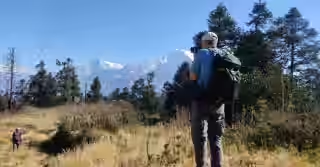
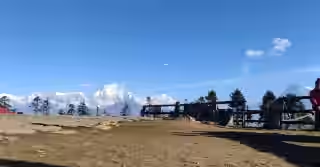
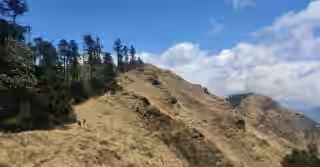
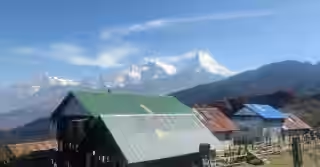
The climb gains 980 meters to reach the trek's highest point. The trail follows ridgelines offering expanding views. Above 2,800 meters, vegetation becomes sparse with hardy grasses replacing trees. Mohare Danda sits at 3,300 meters on a grassy ridge with 360-degree mountain views. Annapurna South, Annapurna I, Machhapuchhre, and Dhaulagiri create an overwhelming wall of peaks. The community lodge provides basic accommodation. Sunset and sunrise paint the peaks in spectacular colors.
Day 4: Mohare Danda to Khibang (2,060m)
Time: 6-7 hours trekking
The trail drops 1,240 meters through varied terrain. Most trekkers watch sunrise from Mohare Danda before descending. The path follows a different route maintaining the circular itinerary. Upper sections cross rocky slopes before entering forest zones. Temperature warms noticeably as elevation decreases. Khibang village at 2,060 meters maintains traditional Magar culture. Homestays provide comfortable rooms after the long descent.
Day 5: Khibang to Tikot (2,210m)
Time: 4-5 hours trekking
The easiest day gains only 150 meters over shorter distance. The trail follows gentle terrain across hillsides and through forest patches. The path passes through several small settlements. Terraced fields cascade down hillsides showing centuries-old farming systems. Tikot village sits at 2,210 meters with views across valleys. The relaxed pace allows rest and deeper cultural interaction with homestay hosts.
Day 6: Tikot to Tiplyang (1,030m) and Drive to Pokhara (850m)
Time: 3-4 hours trekking, 3-4 hours driving
The final trek day drops 1,180 meters through forest and farmland. The descent follows well-maintained trails through terraced fields. Vegetation shifts to lower elevation species including banana plants and bamboo. Tiplyang village at 1,030 meters marks the trek endpoint. The drive back to Pokhara takes 3-4 hours. Arrival in the lakeside city brings hot showers, comfortable beds, and varied food options.
Why Choose Mohare Danda Trek
Community-Based Sustainable Tourism
Mohare Danda pioneered community-based trekking in Nepal. Local villagers established the route without outside investors. Every homestay dollar supports village families directly. Meals use ingredients from local farms. This model ensures tourism benefits reach people who maintain trails and share their culture. Revenue funds community projects like school improvements and health posts.
Less Crowded Alternative
Popular treks like Poon Hill see hundreds of trekkers daily. Mohare Danda typically sees fewer than 20 trekkers per day even during peak seasons. Trails stay quiet. Villages maintain authentic character. Morning viewpoints often have only 5-10 people rather than 100+ at Poon Hill. This solitude appeals to trekkers seeking genuine mountain experiences.
Moderate Difficulty for Beginners
The maximum elevation of 3,300 meters poses minimal altitude sickness risk. Daily distances of 6-16 kilometers suit people with basic fitness. Walking times of 3-7 hours allow rest and proper pacing. The terrain includes mostly well-maintained trails with stone steps at steep sections. No technical climbing or dangerous exposure exists. Previous trekking experience helps but is not required.
Cultural Immersion
Staying in Magar village homestays creates cultural exchange impossible in commercial lodges. Families share meals, stories, and daily routines. You observe agricultural practices, traditional cooking, and village social structures. Nangi village adds educational depth through its wireless internet project story. The Magar people maintain distinct cultural identity with traditional architecture and farming methods.
Spectacular Mountain Views
Despite lower elevation than many treks, Mohare Danda provides outstanding Himalayan panoramas. The 3,300-meter viewpoint sits on an exposed ridge with unobstructed sightlines. Dawn light on Annapurna I, Dhaulagiri, and Machhapuchhre creates unforgettable moments. Spring adds rhododendron blooms creating foreground color against white peaks. The mountains seem within arm's reach despite being kilometers away.
Trek Cost Breakdown
The 6-day Mohare Danda Trek costs $510 per person for standard group packages. This pricing covers all essential services while supporting local communities.
Transportation: Private vehicle from Pokhara to Galeshwor and return from Tiplyang. Includes driver, fuel, and vehicle rental for two days.
Guide Services: Licensed trekking guide for six days. Includes wages, insurance, food, and accommodation. Guides provide navigation, cultural interpretation, safety monitoring, and emergency response.
Accommodation: Five nights in community homestays. Simple twin rooms with basic bedding and shared bathrooms. Rates support village families directly.
Meals: Three meals daily for six days. Traditional Nepali food from family farms. Tea and simple snacks available throughout the day.
Permit: Annapurna Conservation Area Permit ($30) and TIMS card ($10). These fund conservation projects and trekker safety systems.
Service Fees: Logistics coordination, booking administration, and emergency support systems.
Community Fund: Direct contribution to village development projects including schools, health posts, and trail maintenance.
Personal expenses like snacks, drinks beyond meals, phone charging, hot showers at some locations, and tips remain trekker responsibility. Budget an additional $50-100 for these items.
Best Time to Trek
Spring (March to May): Excellent conditions with rhododendron blooms. April brings peak flowering between 2,000-3,000 meters. Temperature ranges from 15-25°C in valleys to 5-15°C at Mohare Danda during daytime. Clear morning skies give way to afternoon clouds. Trail conditions stay dry and firm.
Autumn (September to November): Most popular season due to stable weather and crystal-clear visibility. October provides peak conditions with dry trails and sharp mountain views. Daytime temperatures range 10-20°C in valleys to 0-10°C at Mohare Danda. Villages buzz with harvest activities and festival preparations. Maximum tourist numbers appear during October but the trail still feels uncrowded.
Winter (December to February): Severe cold at high elevations with temperatures dropping to -15°C at night. Snow affects areas above 2,500 meters. Shorter daylight hours limit trekking time. Very few trekkers attempt winter Mohare Danda guaranteeing complete solitude.
Monsoon (June to August): Heavy rain falls regularly. Lower elevations get very wet. Leeches appear below 2,500 meters. Slippery trails and limited visibility create challenges. Only adventurous travelers accepting difficult conditions should trek during monsoon.
Essential Packing List
Clothing: Moisture-wicking base layers, fleece or down jacket, waterproof shell jacket and pants, trekking pants, thermal long underwear, warm beanie, sun hat, gloves, 4-5 pairs trekking socks.
Footwear: Broken-in trekking boots with good ankle support, lightweight camp shoes or sandals, gaiters (optional).
Gear: 40-50 liter backpack, sleeping bag (-10°C rating minimum), trekking poles, 2 liters water capacity, headlamp with spare batteries, sunglasses with UV protection, SPF 50+ sunscreen and lip balm.
Personal Items: First aid kit with personal medications, blister treatment, pain relievers, toiletries, quick-dry towel, wet wipes, hand sanitizer, documents (passport, permits, insurance), phone and power bank, camera, cash in Nepali rupees.
Permits Required
Annapurna Conservation Area Permit (ACAP): $30 for foreigners, $10 for SAARC citizens. Supports conservation programs throughout Annapurna region. Obtain in Kathmandu or Pokhara at Nepal Tourism Board office.
TIMS Card: $20 for independent trekkers, $10 for organized groups. Creates safety database for trekker tracking and rescue coordination. Registered trekking companies issue TIMS as part of packages.
Both permits together cost $40-50. Keep permits accessible in waterproof bags throughout trek. Checkpoints verify permits at trail entries and major villages.
Safety Considerations
Altitude Sickness Prevention
Mohare Danda's maximum 3,300 meters creates low altitude sickness risk. However, proper practices still apply. Monitor symptoms including headache, nausea, dizziness, and unusual fatigue. Prevention strategies include ascending gradually, staying well hydrated (3-4 liters daily), avoiding alcohol above 2,500m, and walking slowly.
Trail Safety
The route presents minimal technical danger. No exposed ridges or dangerous river crossings exist. Standard mountain risks include falls on uneven terrain and weather exposure. Wearing proper boots prevents ankle injuries. Trekking poles improve stability on steep descents. Following marked trails avoids getting lost.
Medical Emergencies
Helicopter evacuation costs $3,000-5,000 depending on weather and location. Comprehensive travel insurance covering helicopter rescue up to 4,000m becomes mandatory. Verify policy details before departure. Many standard policies exclude high-altitude activities. Guides carry first aid supplies and satellite phones for emergencies.
Environmental Responsibility
Carry out all non-biodegradable waste. Use designated toilets at homestays. Minimize plastic use by refilling water bottles. Homestays provide boiled water for refills. Respect local customs around sacred sites. Ask permission before photographing people. Support local economy by purchasing from villagers.
Frequently Asked Questions
How difficult is the Mohare Danda Trek?
The trek rates as moderate difficulty suitable for beginners with basic fitness. Daily walking ranges 3-7 hours over well-maintained trails. Maximum elevation of 3,300 meters poses minimal altitude risk. Three weeks of regular walking provides adequate preparation.
Can I trek independently?
Yes, independent trekking is possible. The trail has adequate signage and homestays accept walk-in guests. However, hiring a guide enhances experience through cultural interpretation and safety monitoring. Guides also support local employment.
What is community-based trekking?
Local villages own and operate all accommodation and services. Profits stay in communities rather than going to outside companies. This model ensures tourism directly benefits people who maintain trails and share their culture.
What food is available?
Homestays serve traditional Nepali meals including dal bhat (rice and lentils), vegetables, and chapati. Food comes from family farms using organic methods. Meals are simple but nutritious. Vegetarian food is standard. Tea and snacks available throughout the day.
Do I need travel insurance?
Yes, comprehensive insurance covering trekking up to 4,000 meters is mandatory. Policies must include helicopter evacuation, medical treatment, and emergency repatriation. Standard travel insurance excludes high-altitude activities.
Can children do this trek?
The trek suits families with children aged 10+. Lower maximum altitude, moderate daily distances, and village homestays create family-friendly conditions. Children must handle 4-7 hours daily walking on uneven terrain.
Why Trek with Mountain Routes
Mountain Routes provides experienced guide services with deep understanding of community-based tourism principles. The company maintains long-term relationships with homestay families ensuring reliable service and fair compensation. Licensed guides offer route expertise, cultural knowledge, and safety management. Emergency response systems include satellite communication and evacuation insurance.
The company supports sustainable tourism through fair wages, porter welfare, and community development contributions. Flexible booking accommodates individual needs regarding dates, pace, and group size. Comprehensive pre-trek briefings cover what to expect and safety protocols.
Contact Mountain Routes to experience authentic Himalayan culture while supporting sustainable rural development through responsible trekking.

No comments yet. Be the first to share your thoughts!