
Lower Dolpo Trek delivers accessible introduction to Nepal's remote northwestern wilderness combining spectacular Phoksundo Lake scenery with authentic Tibetan Buddhist and Bon Po culture.
This 18-day journey traverses Shey Phoksundo National Park reaching maximum elevation 5,310 meters crossing Numa La (5,190m) and Baga La (5,070m) passes. Route explores isolated villages including Tarakot, Dho Tarap, Tokyu, and Ringmo while experiencing desert-like rain shadow landscapes, yak caravans, and pristine natural environments rarely visited by international trekkers creating transformative Himalayan experience.
Trek Overview and Highlights
Journey Through Remote Western Nepal
Lower Dolpo occupies northwestern Nepal bordering Tibet maintaining isolation through difficult access requiring two domestic flights—Kathmandu to Nepalgunj followed by Nepalgunj to Juphal. This remoteness preserved traditional Tibetan Buddhist culture and Bon religion (pre-Buddhist shamanic tradition) coexisting harmoniously. Understanding cultural preservation contextualizes trekking as cultural anthropology beyond mere adventure.
Eighteen-day itinerary provides comprehensive Lower Dolpo exploration without extreme Upper Dolpo challenges. Route loops through diverse landscapes from river valleys to high passes creating varied scenery throughout journey. Understanding Lower Dolpo as accessible yet authentic wilderness helps appreciating balanced experience.
Phoksundo Lake: Turquoise Alpine Gem
Trek's iconic highlight features stunning turquoise Phoksundo Lake (3,611m)—Nepal's deepest lake at 145 meters exhibiting extraordinary color from glacial minerals and depth. Sacred to Bon practitioners and Buddhists, lake holds religious significance beyond scenic beauty. Lakeside Ringmo village maintains traditional architecture and culture.
Full day exploring lake surroundings allows photography, monastery visits, and cultural immersion. Understanding lake within spiritual context enriches appreciation beyond aesthetic admiration. Film "Caravan" (1999) showcased Phoksundo internationally though region remains relatively undeveloped preserving authenticity.
High Pass Crossings
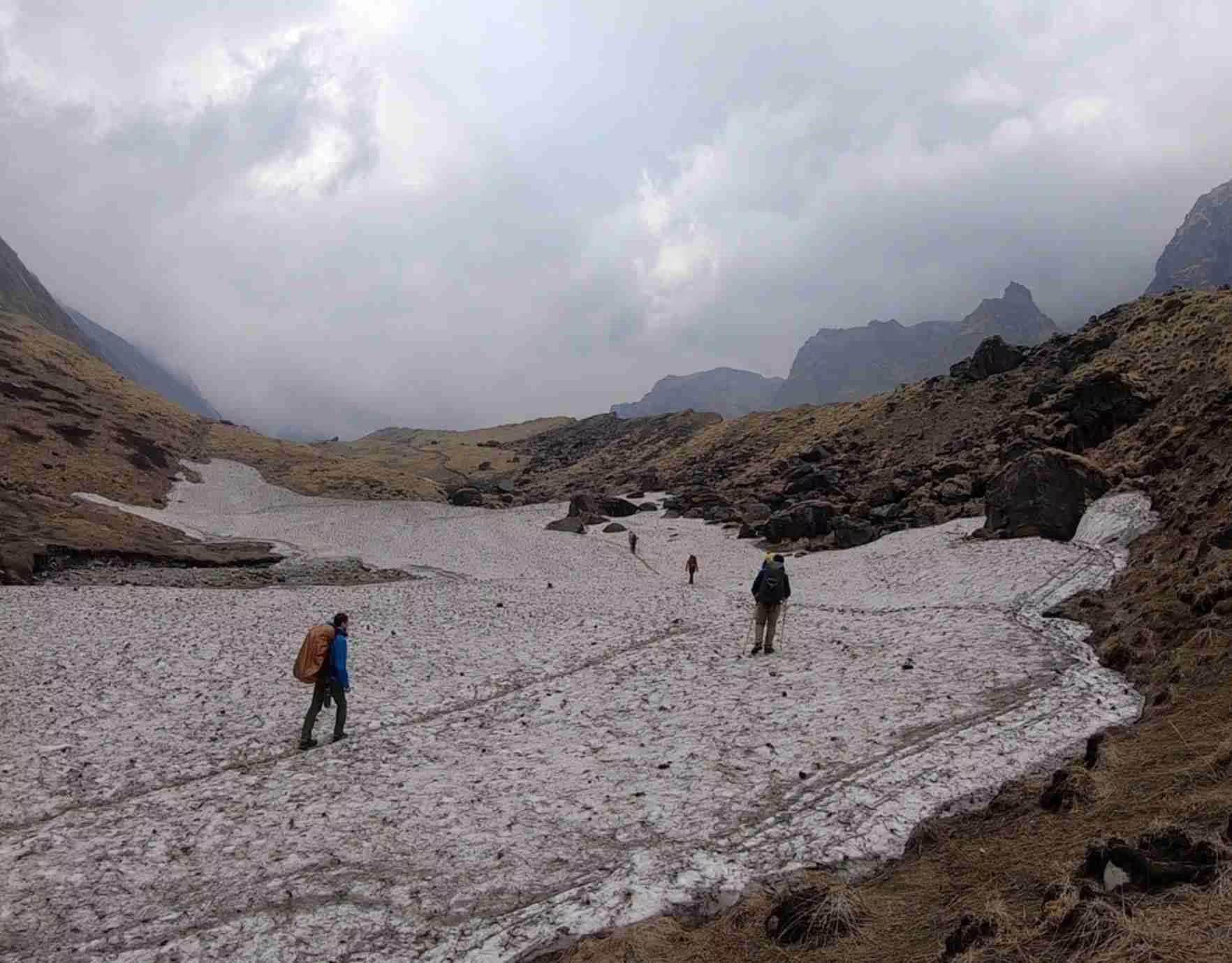
Numa La Pass (5,190m) and Baga La Pass (5,070m) represent trek's physical and scenic climaxes. Steep ascents demand proper acclimatization and physical fitness though technical climbing skills unnecessary. Pass crossings provide panoramic views including Dhaulagiri (8,167m) and distant Tibetan peaks. Understanding altitude challenges helps realistic preparation.
Snow conditions vary seasonally affecting crossing difficulty. Early season (April-May) sees more snow though warmer temperatures. Autumn (October-November) typically offers clearer conditions though colder temperatures. Proper timing crucial for safe successful crossings.
Bon Po Culture and Buddhism
Unique religious landscape combines Tibetan Buddhism with Bon—Tibet's indigenous pre-Buddhist religion. Dho Tarap village represents major Bon stronghold featuring ancient monastery and traditional practices. Understanding Bon's historical significance and contemporary practice enriches cultural appreciation beyond mainstream Buddhist encounters.
Traditional villages maintain medieval lifestyles fascinating cultural observers. Stone houses, agricultural terraces, yak herding, and religious practices demonstrate adaptations to harsh mountain environment. Respectful engagement creates meaningful cross-cultural exchanges.
Detailed Itinerary Breakdown
Days 1-3: Kathmandu to Juphal to Dunai
Arrival includes briefings and preparation. Flight to Nepalgunj (1 hour) followed by Juphal flight (30-40 minutes, weather permitting) reaches trailhead. Trek begins descending to Dunai (2,140m) alongside Thuli Bheri River. Three-four hour moderate walk introduces mountain trekking rhythms.
Days 4-6: Dunai to Tarakot to Tarap Khola
Six-seven hour trek reaches Tarakot (2,537m) featuring ancient fortress and monastery. Continuation to Khani Gaon crosses Bheri River gaining altitude through forests. Final push to Tarap Khola (2,800m) follows river valley with increasing Tibetan cultural influences.
Days 7-9: Tarap Khola to Dho Tarap via Yak Kharka
Gradual ascent to Yak Kharka (3,800m) provides crucial acclimatization before reaching Dho Tarap (4,040m)—trek's cultural highlight. Full rest day allows altitude adaptation and village exploration. Bon monastery, traditional architecture, and cultural programs create deep immersion.
Understanding Dho Tarap's isolation—accessible only on foot—explains cultural preservation. Observing daily agricultural and religious activities provides anthropological insights. Evening cultural performances sometimes feature traditional music and dance.
Days 10-12: High Pass Crossings
Long demanding day crosses Numa La Pass (5,190m) requiring early start and strong physical effort. Descent reaches Numa La Base Camp (4,440m). Following day crosses Baga La Pass (5,070m) descending to Pelung Tang. These challenging sections test endurance though rewards include spectacular mountain panoramas.
Proper acclimatization at Dho Tarap crucial for safe pass crossings. Understanding altitude effects and accepting conservative pacing prevents altitude sickness. Trekking poles highly recommended for steep descents protecting knees.
Days 13-15: Descent to Phoksundo Lake
Route descends through Dajok Tang reaching Ringmo village (3,640m) at Phoksundo Lake. Full day exploring lake allows rest after demanding pass crossings. Monastery visits, lakeside walks, and photography opportunities create memorable experiences.
Understanding lake's religious significance guides respectful behavior. Circumambulation follows Buddhist practices—clockwise direction considered auspicious. Local legends and spiritual associations add depth beyond scenic appreciation.
Days 16-18: Return Journey and Kathmandu
Trek descends to Shyanta then Sulighat where trail meets road or continues trekking to Juphal. Flight returns Nepalgunj then Kathmandu. Travel days provide reflection processing extraordinary experiences before international departures.
Cultural Immersion Experiences
Bon Religion and Practices
Bon represents Tibet's indigenous shamanistic religion predating Buddhism. While Buddhism dominates most Himalayan regions, Dolpo maintains significant Bon communities. Monasteries, prayer flags (often displaying different colors than Buddhist versions), and ritual practices demonstrate active Bon tradition.
Understanding Bon's historical persecution and contemporary revival creates appreciation for religious diversity. Observing ceremonies and visiting monasteries requires respectful behavior similar to Buddhist sites—modest dress, shoe removal, and photography permissions.
Traditional Villages and Lifestyles
Villages demonstrate sophisticated adaptations to harsh environment. Flat-roofed stone houses conserve warmth during brutal winters. Agricultural terraces maximize limited arable land growing barley, buckwheat, and potatoes. Yak herding provides dairy, transportation, and trade goods.
Polyandry (one woman marrying multiple brothers) historically practiced though declining reflects unique social adaptations to resource scarcity. Understanding traditional social structures provides insights into community resilience maintaining livelihoods in extreme conditions.
Yak Caravans
Observing yak caravans transporting goods between villages and Tibetan border creates connection to traditional trade routes. These hardy animals carry loads across high passes enabling commerce in roadless environment. Understanding yak caravans' economic importance contextualizes observations within broader livelihood systems.
Wildlife and Natural Environment
Shey Phoksundo National Park
Nepal's largest national park (3,555 square kilometers) protects diverse ecosystems from subtropical forests to alpine deserts. Snow leopards (estimated 20-30 individuals), musk deer, blue sheep, Himalayan tahr, Tibetan wolves, and over 200 bird species inhabit park. Understanding biodiversity creates appreciation for conservation efforts.
Park regulations including restricted area permits fund conservation and community development. Respecting trail restrictions and environmental guidelines supports protection efforts balancing tourism with ecosystem health.
Flora and Fauna Observations
Rain shadow climate creates unique vegetation patterns. Lower elevations feature coniferous forests transitioning to alpine scrub and high-altitude desert. Blue sheep relatively common at higher elevations. Musk deer inhabit forested areas though shy and difficult observing.
Bird diversity includes Himalayan monal, blood pheasant, lammergeier vultures, and various raptors. Understanding ecological adaptations to extreme environment enriches nature observation beyond casual wildlife spotting.
Physical Preparation and Difficulty
Fitness Requirements
Demanding 18-day itinerary requires excellent cardiovascular fitness and leg strength. Daily elevation changes often exceed 1,000 meters creating cumulative fatigue. Previous multi-day trekking experience highly recommended. Understanding physical demands helps realistic self-assessment.
Altitude Considerations
Maximum elevation 5,310 meters creates significant altitude exposure. Gradual ascent profile aids acclimatization though individual responses vary. Dho Tarap rest day crucial for adaptation before pass crossings. Recognizing altitude sickness symptoms and accepting descent when necessary prevents life-threatening complications.
Best Trekking Seasons
Spring and Autumn Optimal
April-June spring offers warmer temperatures though potential afternoon clouds. October-November autumn provides clearest views and stable weather though colder conditions. Both seasons ensure pass accessibility and teahouse operations. Understanding seasonal tradeoffs guides timing decisions.
Monsoon and Winter Avoidance
June-August monsoon affects Dolpo minimally given rain shadow location though occasional storms occur. Winter (December-March) brings extreme cold, deep snow blocking passes, and closed facilities. Understanding seasonal limitations prevents dangerous attempts.
Permits and Costs
Required Documentation
Restricted area permit approximately $500 for 10 days plus $50 daily thereafter. Shey Phoksundo National Park permit NPR 3,000. TIMS card NPR 2,000. Total permits approximately $550-650 depending on exact duration. Mandatory guide and minimum two-person group requirements.
Budgeting
Complete 18-day organized treks typically $2,200-3,200 per person including permits, guide, porter, accommodation, meals, and domestic flights. Costs vary by group size and service level. Budget planning should include emergency funds for potential flight delays.
Frequently Asked Questions
How does Lower Dolpo compare to Upper Dolpo?
Shorter duration (18 vs. 25-28 days), lower maximum altitude, more established teahouse network. Less extreme though still demanding. Perfect introduction before committing to Upper Dolpo's extreme challenges.
Is previous high-altitude experience necessary?
Highly beneficial though not absolutely essential. Previous successful trek to 4,500+ meters recommended. Conservative pacing and proper acclimatization more important than previous specific experience.
What about accommodations?
Basic teahouses along route with simple rooms and shared facilities. Some sections may require camping depending on season. Expecting rustic mountain lodge standards prevents disappointment.
Can I extend to Upper Dolpo?
Yes, though requiring significant additional time (adding 10+ days) and permit costs. Discussing options during planning ensures appropriate comprehensive itinerary.
What wildlife will I see?
Blue sheep common at higher elevations. Yaks ubiquitous. Musk deer, Himalayan tahr possible. Snow leopards exist though sightings extremely rare. Diverse bird species throughout.
How challenging are the passes?
Physically demanding requiring good fitness and proper acclimatization. No technical climbing though steep sections need careful footing. Altitude primary challenge rather than technical difficulty.

No comments yet. Be the first to share your thoughts!