

Holi transforms Nepal into vibrant canvas of colors, laughter, and celebration marking winter's end and spring's arrival.
Known as "Festival of Colors," "Festival of Love," or locally as "Fagu Purnima," this Hindu celebration occurs during March (Nepali month Falgun) on the full moon day. Streets fill with joyous crowds throwing colored powders, spraying water, dancing to traditional and modern music, and sharing sweets creating atmosphere of universal brotherhood transcending age, caste, and social boundaries.
Religious significance centers on good triumphing over evil through multiple mythological narratives. Primary story recounts demon king Hiranyakashipu's sister Holika attempting burning his devotee son Prahlad, only to perish herself in flames while Prahlad emerged unscathed through Lord Vishnu's protection. Bonfire lighting (Holika Dahan) night before main celebration symbolically destroys evil. Additionally, Krishna's playful color throwing with Radha and gopis (cowherds) provides joyful divine precedent for festivities.
Participating in Holi offers profound cultural immersion impossible through observation alone. Joining locals in color throwing, traditional music, special foods, and spontaneous street celebrations creates memorable cross-cultural connections. Understanding festival's spiritual dimensions, regional variations, and participation etiquette ensures respectful engagement while maximizing enjoyment of this extraordinary celebration.
Understanding Holi's Cultural and Religious Significance
Mythological Origins and Meanings
Prahlad and Holika Story: Demon king Hiranyakashipu demanded worship as god but his son Prahlad devoted himself to Lord Vishnu. Enraged father enlisted sister Holika (immune to fire) carrying Prahlad into flames intending his death. However, divine protection saved Prahlad while Holika burned demonstrating devotion's power over evil. Bonfire burning night before Holi commemorates this victory.
Narasimha Avatar: Following failed burning attempt, Hiranyakashipu received protection preventing death by man or beast, inside or outside, day or night. Lord Vishnu manifested as Narasimha (half-lion, half-human) at twilight on threshold killing demon, satisfying all protective conditions while destroying evil. Terai region particularly venerates this avatar during Holi.
Krishna's Playful Colors: Young Krishna complained to mother Yashoda about Radha's fair complexion versus his dark skin. Yashoda playfully suggested coloring Radha's face however Krishna wished. His playful color application with Radha and gopi friends established joyful tradition. This divine romance adds love and playfulness dimensions to religious observance.
Seasonal and Agricultural Connections
Spring arrival brings agricultural renewal, blooming flowers, and warming temperatures after harsh winter. Holi celebrates this natural regeneration paralleling spiritual themes of good overcoming evil and light dispelling darkness. Traditional timing coincides with wheat harvest in plains allowing festive celebration after agricultural labor completion.
Colors themselves represent spring's vibrancy—yellow mimicking mustard flowers, red symbolizing love and fertility, green representing new growth, blue honoring Krishna. Natural color sources traditionally included turmeric (yellow), beetroot (red), henna (green), and indigo (blue) though synthetic powders now predominate raising environmental and health concerns.
Social Unity and Hierarchical Dissolution
Holi uniquely permits social boundary crossing usually restricted by caste, age, and gender norms. Everyone becomes equal targets for color throwing regardless of social status. Servants playfully color employers, youth engage elders, and strangers become temporary friends. This temporary social leveling reinforces community bonds and democratic ideals though normal hierarchies resume post-festival.
Forgiveness and reconciliation characterize Holi spirit. People resolve conflicts, renew friendships, and approach estranged relations seeking harmony. "Bura na mano, Holi hai" (Don't mind, it's Holi) becomes universal excuse for playful transgressions, though genuine respect maintains even during festivities.
Regional Variations and Celebration Styles
Kathmandu Valley Celebrations
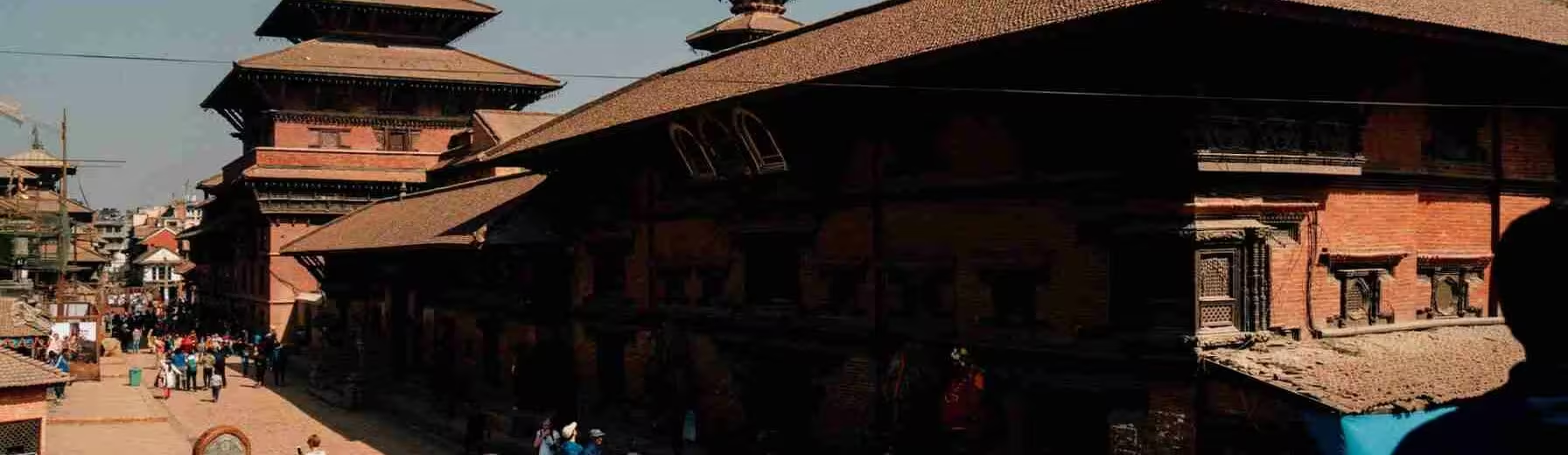
Urban Kathmandu shows modern and traditional elements mixing. Basantapur Durbar Square becomes epicenter where thousands gather throwing colors, dancing to DJ music, and creating carnival atmosphere. Youth predominate though all ages participate. Water balloons (lola) and water guns (pichkari) drench participants creating muddy, colorful chaos.
Traditional neighborhoods maintain more subdued celebrations focused on family gatherings, special foods, and cultural programs. Newari communities prepare traditional dishes, perform ritual worship, and engage in moderate color play maintaining cultural authenticity. Understanding these variations allows choosing participation style matching comfort levels.
Terai Region Festivities
Southern Terai plains bordering India show strongest Holi traditions reflecting cultural continuity across borders. Week-long celebrations culminate in main day featuring elaborate bonfire ceremonies, Holika effigies burning, and extensive color throwing. Narasimha worship receives particular emphasis with special pujas and processions.
Music, dance, and bhang (cannabis-infused drink) consumption characterize adult celebrations though family-friendly activities parallel adult festivities. Traditional folk songs (Holi geet) sung in Maithili, Bhojpuri, and Hindi create authentic cultural atmosphere. Village-wide participation creates community-wide celebrations impossible in urban settings.
Hill and Mountain Observances
Hill regions including Pokhara show moderate celebrations blending Hindu and Buddhist influences. Less intense than Terai or Kathmandu, celebrations maintain family-focus with color play, special meals, and temple visits. Mountain areas show minimal observance given predominantly Buddhist populations and harsh late-winter conditions limiting outdoor festivities.
Participating in Holi Celebrations
Pre-Festival Preparations
Holika Dahan (Bonfire Night): Evening before main Holi, communities gather around bonfires symbolically burning evil. Families circumambulate fires, make offerings, and pray for blessings. Some throw coconuts or grains into flames as offerings. Witnessing this ritual provides spiritual context for following day's colorful festivities.
Special Food Preparation: Families prepare traditional sweets including gujiya (sweet dumplings), malpua (sweet pancakes), and various milk-based desserts. These special foods shared with neighbors and visitors demonstrate hospitality and festive abundance. Participating in preparation or sharing meals deepens cultural engagement.
Main Day Celebrations
Morning Color Play: Festivities begin early morning with dry colored powder (gulal) application. Initial exchanges occur within families receiving elders' blessings while applying colors respectfully. Streets gradually fill as celebrations expand to friends, neighbors, and strangers. Intensity increases through morning reaching peak midday before gradually subsiding afternoon.
Water Element: Water balloons, colored water buckets, and super-soaker water guns add wet dimension. Getting completely soaked becomes inevitable and expected. Bringing spare dry clothes essential for post-celebration comfort. Understanding complete soaking likelihood prevents disappointment and encourages playful acceptance.
Music and Dance: Traditional and modern music fills streets. Drum circles (dhol), folk songs, and Bollywood hits create soundscapes. Spontaneous dancing erupts as groups gather. No formal performances—everyone participates according to enthusiasm and energy. This communal celebration transcends performer-audience divisions.
Food Sharing: Throughout day, families offer sweets, snacks, and traditional drinks to visitors. Bhang-infused beverages (thandai or lassi) remain popular among adults creating mild intoxication adding to festive atmosphere though consumption optional. Accepting offerings demonstrates cultural participation and hospitality appreciation.
Evening Wind-Down
Celebrations naturally dissipate afternoon as energy wanes and cleanup begins. People return home for thorough washing removing stubborn colors (natural colors easier removing than synthetic). Families gather for special dinners marking successful celebration. Evening programs might feature cultural performances or community gatherings in more organized settings.
Practical Participation Guidelines
What to Wear
Old white or light-colored clothing allowing color visibility and protecting good clothes from permanent staining. Long sleeves and pants provide skin protection from harsh synthetic colors potentially causing irritation. Covered footwear (old sneakers) better than sandals preventing foot injuries from broken glass or debris in crowded areas.
Sunglasses protect eyes from color powder though securing them prevents loss during vigorous play. Bandanas or hats shield hair though complete color avoidance impossible. Accepting color coverage as inevitable rather than fighting it enhances enjoyment.
Color and Chemical Considerations
Traditional natural colors (gulal) made from flowers, turmeric, and natural dyes generally skin-safe though some individuals show sensitivities. Synthetic chemical colors potentially cause skin irritation, eye problems, or allergic reactions. Some contain toxic heavy metals creating health risks. Inquiring about color sources and choosing natural options when possible protects health.
Applying coconut oil or moisturizer to skin and hair before celebration creates protective barrier easing color removal. Post-celebration oil-based cleansers remove colors more effectively than water alone. Accepting some color residue for several days as normal part of experience.
Personal Safety and Boundaries
While Holi encourages playful interaction, maintaining personal boundaries remains important. Unwanted aggressive color application or physical contact constitutes harassment not cultural celebration. Saying firm "no" to uncomfortable situations acceptable despite festive atmosphere. Women particularly should remain aware of surroundings and stay in trusted groups.
Avoiding excessively crowded areas if uncomfortable with intense contact. Choosing family-friendly neighborhoods or organized events over chaotic street celebrations provides safer environments. Understanding that alcohol and bhang consumption increases during Holi requires extra awareness and caution.
Cultural Sensitivity and Respect
Asking permission before coloring elders, monks, or clearly unwilling individuals demonstrates respect. Sacred sites generally discourage boisterous celebration—maintaining decorum near temples even during festivities. Not forcing participation on those abstaining for religious, health, or personal reasons.
Understanding Holi as religious festival not mere entertainment encourages appropriate behavior. Excessive alcohol consumption, aggressive play, or disrespectful conduct contradicts festival's spiritual purposes. Participating joyfully while maintaining dignity honors cultural traditions.
What's Typically Included in Organized Holi Tours
Guided Cultural Experience
Knowledgeable guides explain mythological backgrounds, regional traditions, and symbolic meanings enriching participation beyond superficial fun. Cultural interpretation throughout day contextualizes observations and activities. Guides facilitate appropriate participation ensuring respectful engagement.
Safe Celebration Spaces
Organized events provide controlled environments reducing chaos and safety concerns compared to open street celebrations. Designated playing areas, first aid availability, and security presence create family-friendly atmosphere. Understanding controlled settings sacrifice some authenticity for comfort and safety.
Traditional Activities
Beyond color throwing, organized programs might include traditional music performances, dance demonstrations, cooking classes for Holi sweets, and storytelling sessions explaining mythological narratives. These structured activities provide cultural depth unavailable in spontaneous street celebrations.
Balanced City Tours
Combining Holi participation with sightseeing allows experiencing festival while exploring Kathmandu's heritage sites. Morning temple visits followed by afternoon color celebrations provide cultural context. Understanding that major monuments may close or limit access during festival day requires scheduling flexibility.
Frequently Asked Questions
When exactly is Holi celebrated?
Full moon day of Falgun month (February-March). Exact dates vary annually following lunar calendar. 2026 dates: March 14 (Holika Dahan), March 15 (main Holi). Checking specific year dates essential for planning.
Is Holi safe for tourists?
Generally yes, though awareness and precautions necessary. Organized tours provide safest experiences. Street celebrations carry typical crowded event risks. Choosing appropriate participation levels based on comfort important.
Can I avoid color throwing if uncomfortable?
Yes, though complete avoidance difficult in public spaces during peak hours. Wearing white traditional dress signals active participation while staying indoors or visiting quiet areas during morning avoids main activities. Politely declining with "Holi khelna chaina" (I don't want to play Holi) generally respected.
What about photography during Holi?
Excellent photographic opportunities though protecting cameras from color and water essential. Waterproof cases or disposable cameras prevent equipment damage. Always requesting permission before photographing individuals respects privacy. Colors, crowds, and action create spectacular images worth effort.
Are there age restrictions?
No formal restrictions though very young children and elderly might avoid intense street celebrations. Family-focused events welcome all ages with appropriate activity modifications. Individual health and comfort determine participation levels.
How do I remove colors afterward?
Oil-based cleansers, lemon juice, and gram flour pastes help color removal. Multiple washes over several days gradually eliminate residues. Accepting some color persistence for 2-3 days normal. Hair requires special attention with oil treatments before shampooing.



No comments yet. Be the first to share your thoughts!