
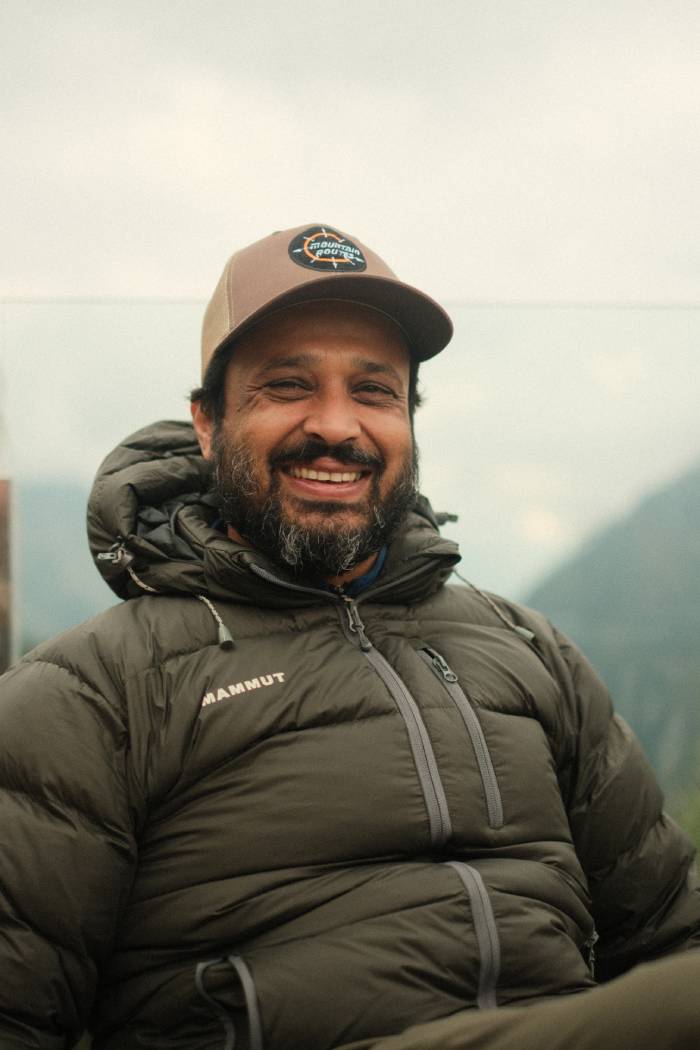
Helambu trek delivers accessible mountain experience combining Sherpa cultural immersion with beautiful forest landscapes and Himalayan views within convenient 8-day circuit near Kathmandu.
Starting Sundarijal and concluding Melamchi Bazaar, this moderate trek explores Shivapuri National Park's protected forests before ascending through traditional Sherpa villages including Tarke Ghyang and Sermathang. Lower maximum elevation (3,640m at Thadepati) compared to other Langtang treks creates gentler altitude profile suitable for trekkers seeking cultural experiences and natural beauty without extreme high-altitude challenges.
Trek Overview and Accessibility
Convenient Proximity to Kathmandu
Helambu's major advantage lies in proximity to capital—Sundarijal trailhead just 15 kilometers from Kathmandu accessible via one-hour drive. This convenience enables short trekking itineraries without lengthy approach transportation. Return from Melamchi Bazaar requires only 2-3 hour drive completing circuit efficiently. Understanding accessibility helps appreciating Helambu as perfect introduction to Nepal trekking or satisfying option for time-constrained visitors.
Circuit design eliminates retracing steps creating varied scenery throughout journey. Starting point differs from ending point though both connect easily with Kathmandu. This loop structure maximizes diverse experiences within compact timeframe.
Shivapuri National Park Protection
Initial trek sections traverse Shivapuri National Park protecting Kathmandu Valley's watershed and biodiversity. Established 2002, this 159-square-kilometer park harbors diverse ecosystems from subtropical valleys to temperate highland forests. Over 300 bird species, mammals including leopards and bears, and rare orchids thrive within protected boundaries.
Understanding park's conservation importance contextualizes trekking within broader environmental protection framework. Entry permits (NPR 650 for foreigners) fund park management and community development. Respecting trail regulations and environmental guidelines supports conservation efforts.
Helambu Sherpa Culture
Helambu region hosts distinctive Sherpa community culturally related though geographically separate from famous Everest region's Khumbu Sherpas. Yolmo or Helambu Sherpas maintain Tibetan Buddhist traditions, language variations, and unique cultural practices. Villages feature monasteries, chortens, prayer flags, and traditional architecture demonstrating active Buddhist culture.
Understanding cultural distinctiveness enriches appreciation beyond assuming all Sherpas share identical backgrounds. Helambu Sherpas' specific history, migration patterns, and contemporary community dynamics create unique cultural landscape worthy respectful engagement.
Detailed Itinerary Breakdown
Day 1: Kathmandu Arrival and Preparation
Airport pickup, hotel accommodation, and comprehensive trek briefing prepare for mountain journey. Kathmandu exploration allows visiting heritage sites and purchasing any missing equipment. Understanding upcoming itinerary and cultural protocols ensures appropriate preparation mentally and physically.
Day 2: Kathmandu to Chisapani via Sundarijal
One-hour drive reaches Sundarijal (1,460m) where Bagmati River's headwaters create scenic waterfalls. Entering Shivapuri National Park requires permit checks at army checkpoint. Five-six hour trek ascends through dense oak and rhododendron forests reaching Chisapani (2,165m) ridge village. Clear weather reveals Langtang, Ganesh Himal, and even Everest views from this strategic viewpoint location.
Trail follows water pipeline sections, stone steps, and forest paths gaining approximately 700 meters elevation. Moderate difficulty suits acclimatization beginning. Chisapani's guesthouse accommodation introduces mountain lodge culture preparing for upcoming teahouse experiences.
Day 3: Chisapani to Kutumsang
Seven-hour trek traverses ridgeline through Pati Bhanjyang before ascending to Kutumsang (2,470m). Route passes through Tamang and Sherpa villages demonstrating cultural transitions. Agricultural terraces, scattered settlements, and forest sections create varied landscapes. Understanding cultural geography enriches observation beyond mere scenery appreciation.
Kutumsang village features basic teahouse accommodations serving standard trekking meals. Evening mountain views and village atmosphere create peaceful overnight setting. Understanding altitude gain helps appropriate pacing and hydration.
Day 4: Kutumsang to Thadepati
Six-seven hour trek reaches Thadepati (3,640m) at trek's maximum elevation. Climbing through rhododendron forests—spectacular during spring blooming season—eventually reaches alpine meadows. Mangengoth village provides midpoint rest opportunity. Final ascent crosses ridgeline arriving Thadepati's basic lodges.
Altitude requires conservative pacing and proper hydration. Though moderate elevation compared to other Nepal treks, individual altitude responses vary. Recognizing potential symptoms and accepting rest when needed prevents problems. Thadepati's exposed ridge position offers panoramic mountain views rewarding ascent efforts.
Day 5: Thadepati to Tarke Ghyang
Six-hour trek descends significantly to Tarke Ghyang (2,560m) through forests and meadows. Major Sherpa village features impressive monastery, traditional architecture, and active cultural life. Understanding Tarke Ghyang as Helambu's cultural heart creates appreciation for community's religious and social importance.
Monastery visits observe prayer ceremonies and religious artifacts. Respectful behavior including modest dress, shoe removal, and photography permissions demonstrates cultural sensitivity. Village exploration reveals daily life patterns, agricultural practices, and traditional crafts. Evening cultural programs sometimes feature traditional dances and music.
Day 6: Tarke Ghyang to Sermathang
Four-five hour trek descends through agricultural areas reaching Sermathang (2,610m). Relatively short day allows leisurely pace and village exploration. Sermathang features monastery, traditional houses, and terraced fields demonstrating sustainable mountain agriculture. Understanding farming techniques adapted to challenging terrain reveals indigenous knowledge systems.
Village atmosphere provides relaxing contrast to longer trekking days. Interactions with local residents and observation of daily activities create authentic cultural experiences. Understanding village as living community rather than tourist attraction guides respectful engagement.
Day 7: Sermathang to Melamchi Bazaar
Five-six hour descent reaches Melamchi Bazaar (846m) at trek's conclusion. Dramatic elevation loss requires careful knee management though downhill walking eases cardiovascular demands. Trail passes through increasingly subtropical vegetation reflecting altitude changes. Melamchi Bazaar's roadhead location provides vehicle access for Kathmandu return.
Understanding transition from mountain environment to lower elevation creates appreciation for ecological diversity traversed during trek. Final teahouse meal celebrates successful completion before drive preparations.
Day 8: Melamchi Bazaar to Kathmandu
Two-three hour scenic drive returns capital through rural valleys and terraced hillsides. Arriving Kathmandu allows celebration, final exploration, souvenir shopping, and preparing for departures. Evening farewell dinner with trekking companions creates closure before international flights.
Cultural Highlights and Experiences
Helambu Sherpa Traditions
Traditional houses demonstrate sophisticated mountain architecture using stone, wood, and local materials. Buddhist religious practices integrate seamlessly into daily life through morning prayers, monastery visits, and festival celebrations. Understanding religious calendar and seasonal ceremonies enriches cultural appreciation.
Traditional dress, particularly worn by older generations, features distinctive styles differentiating Helambu Sherpas from other ethnic groups. Observing weaving, agricultural work, and household activities provides insights into traditional lifestyles' continuation despite modernization pressures.
Monastery and Religious Sites
Multiple monasteries along route demonstrate active Buddhist practice. Morning and evening prayer sessions welcome respectful observers. Butter lamps, prayer wheels, and religious artworks create spiritually charged atmospheres. Understanding basic Buddhist concepts—compassion, impermanence, karma—enriches appreciation for observed practices.
Chortens, mani walls, and prayer flags marking sacred spaces require respectful passage including clockwise circumambulation. Understanding religious significance prevents inadvertent disrespect while deepening cultural engagement.
Traditional Agriculture and Livelihoods
Terraced fields growing potatoes, millet, barley, and vegetables demonstrate intensive land use maximizing limited arable space. Livestock including yaks, cattle, and goats provide dairy products and transportation. Understanding agricultural challenges at high altitudes reveals community resilience and adaptation.
Seasonal patterns dictate work rhythms with planting and harvest periods creating community cooperation. Observing agricultural activities during trekking season provides glimpses into subsistence economy supporting mountain communities.
Physical Preparation and Difficulty
Fitness Requirements
Moderate fitness sufficient for daily four-seven hour walking though sustained uphill sections require cardiovascular endurance. Previous multi-day trekking experience beneficial though not essential. Gradual altitude profile creates gentler challenges than high-pass treks. Understanding personal fitness honestly guides realistic expectations.
Altitude Considerations
Maximum elevation 3,640 meters creates moderate altitude exposure. Most trekkers adapt successfully without serious altitude sickness. However, individual responses vary requiring symptom awareness. Proper hydration, conservative pacing, and accepting rest when needed prevents problems. Understanding that moderate altitude still affects bodies encourages appropriate caution.
Best Trekking Seasons
Spring and Autumn Optimal
March-June spring features blooming rhododendrons transforming forests into colorful gardens. Clear weather provides good mountain visibility though pre-monsoon haze develops late season. September-December autumn offers post-monsoon clarity with spectacular mountain views and comfortable temperatures. Both seasons provide reliable trekking conditions.
Monsoon Avoidance
July-August monsoon brings heavy rainfall creating muddy trails, leech presence, and cloud-obscured views. Trail conditions deteriorate significantly during peak monsoon. Understanding seasonal limitations helps appropriate timing ensuring better experiences.
Permits and Logistics
Required Documentation
Shivapuri National Park Permit costs NPR 650 for foreigners. TIMS card requires NPR 2,000. Total permit costs approximately NPR 2,650 ($20-25 USD). Valid passport, travel insurance, and visa documentation essential. Permits obtained through trekking agencies or tourism offices.
Costs and Budgeting
Complete 8-day organized treks typically $500-800 per person including permits, guide, accommodation, meals, and transportation. Costs vary by group size and service level. Independent trekking possible though guide services provide navigation security and cultural interpretation.
Frequently Asked Questions
How does Helambu compare to other Langtang treks?
Shorter duration, lower maximum altitude, and greater cultural village focus. Less dramatic mountain scenery than Langtang Valley though more accessible and culturally rich. Perfect for time-constrained or altitude-cautious trekkers.
Can I combine with other treks?
Yes, extending to Gosaikunda creates Langtang Helambu Gosaikunda circuit. Adding Langtang Valley creates comprehensive regional exploration. Discussing options during planning ensures appropriate itinerary.
Is previous trekking experience necessary?
Beneficial though not essential. Moderate difficulty suits reasonably fit beginners. Gradual itinerary and accessible location create good introduction to Nepal trekking.
What about independent trekking?
Possible with proper permits and navigation skills. However, guide services enhance cultural understanding and provide safety support. Understanding tradeoffs guides decision matching personal preferences.
Are teahouses comfortable?
Basic facilities with simple rooms and shared bathrooms. Expecting mountain lodge standards rather than hotel comfort prevents disappointment. Adequate for comfortable trekking though not luxurious.
What cultural etiquette should I follow?
Remove shoes entering homes and monasteries. Ask permission before photographing people. Dress modestly especially near religious sites. Accept offered tea politely. Understanding cultural sensitivities creates positive interactions.

No comments yet. Be the first to share your thoughts!