
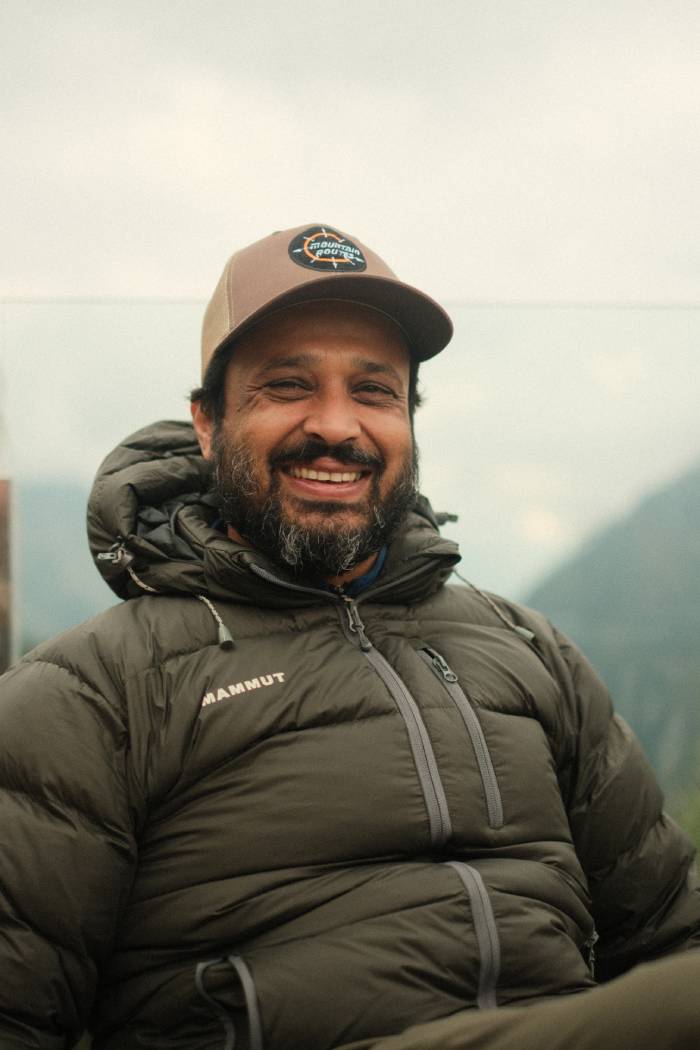
Gosaikunda trek combines spiritual pilgrimage with spectacular mountain scenery visiting sacred alpine lakes revered by Hindus and Buddhists.
Located in Langtang region north of Kathmandu, this 5-7 day journey reaches Gosaikunda Lake at 4,380 meters surrounded by dramatic Himalayan landscapes.
Trek offers flexible itineraries accommodating various schedules while providing cultural immersion with Tamang communities, panoramic mountain views, and religious significance attracting both pilgrims and adventure seekers creating meaningful Himalayan experience.
Trek Highlights
- Explore the sacred Gosaikunda LakeJourney to the spiritually revered lake, a highlight of the trek.
- Panoramic views of the Langtang HimalayasExperience stunning landscapes and majestic mountain vistas.
- Best trekking seasons: Spring and AutumnEnjoy clear skies, vibrant nature, and perfect weather conditions.
- Cultural immersion with local Tamang communitiesDiscover the rich traditions and warm hospitality of local people.
- Witness the Janai Purnima FestivalTrek during this religious event for a unique spiritual experience.
- Diverse flora and fauna along the trailSpot rhododendrons, birds, and other wildlife in pristine surroundings.
- Peaceful alpine meadows and lush forestsWalk through serene forests and open meadows filled with natural beauty.
- Accessible from Kathmandu with flexible itineraries Choose a 7-10 day trek based on your preferences and schedule.
- Extend your adventure with the Langtang Helambu Gosaikunda TrekFor those seeking a longer and more immersive experience, consider the Langtang Helambu Gosaikunda Trek
Sacred Gosaikunda Lake and Religious Significance
Hindu Pilgrimage Importance
Gosaikunda holds profound religious meaning in Hindu mythology. Legend describes Lord Shiva creating lake by thrusting his trident into mountainside seeking water to cool poison consumed during cosmic churning. Annual Janai Purnima festival (August full moon) attracts thousands of pilgrims bathing in sacred waters believing sins wash away. Understanding religious context transforms trek from mere sightseeing into cultural immersion witnessing living faith traditions.
Lake's spiritual power draws devotees nationwide braving challenging mountain access demonstrating devotion's strength. Observing pilgrims' rituals—bathing despite freezing temperatures, circumambulating lake, making offerings—provides profound insights into religious practices sustaining communities across generations.
Buddhist Reverence
Buddhists also consider Gosaikunda sacred associating waters with meditation and enlightenment. Tibetan Buddhist traditions incorporate lake into spiritual geography making pilgrimage meritorious act. Monasteries along route including Shin Gompa demonstrate Buddhist presence throughout region. Understanding dual religious significance reveals Nepal's syncretic spiritual traditions where Hindu and Buddhist practices coexist harmoniously.
Natural Beauty
Beyond religious importance, Gosaikunda captivates through stunning natural setting. Crystal-clear alpine lake reflects surrounding peaks creating mirror-like surface on calm days. Multiple smaller lakes surround main Gosaikunda creating sacred lake cluster. Dramatic mountain backdrop, rocky terrain, and high-altitude atmosphere create otherworldly environment contrasting sharply with lower elevation forests.
Trek Route Options and Itineraries
Standard 7-Day Itinerary
Classic route begins Kathmandu with scenic drive to Syafru Besi (1,550m) taking 7-8 hours. Trek ascends through Lama Hotel (2,447m) and Shin Gompa (3,330m) reaching Gosaikunda (4,460m) before descending via Dhunche returning Kathmandu. This gradual approach enables proper acclimatization reducing altitude sickness risks. Daily walking averages 5-7 hours over moderate terrain suitable for reasonably fit trekkers.
Route passes through diverse ecosystems—subtropical forests with rhododendrons and bamboo transitioning to alpine meadows and rocky high-altitude terrain. Wildlife sightings include langur monkeys, Himalayan birds, and occasionally more elusive species. Understanding ecological transitions enriches appreciation beyond mere physical challenge.
Condensed 5-Day Option
Time-constrained trekkers can complete abbreviated itinerary starting Dhunche (1,300m) eliminating Syafru Besi-Lama Hotel section. Days involve steeper daily elevation gains requiring better fitness and altitude tolerance. Schedule: Day 1 Kathmandu-Dhunche, Day 2 Dhunche-Shin Gompa, Day 3 Shin Gompa-Gosaikunda, Day 4 Gosaikunda-Dhunche, Day 5 Dhunche-Kathmandu.
While efficient, condensed itinerary increases altitude sickness risks through faster ascent. Only those confident with high-altitude adaptation should attempt shortened schedule. Understanding tradeoffs between time efficiency and safety guides appropriate itinerary selection.
Extended Langtang-Helambu Circuit
Adventurous trekkers can extend journey incorporating Langtang Valley or Helambu region creating 10-14 day comprehensive circuit. Options include crossing Laurebina Pass (4,610m) to Helambu or combining with Langtang Valley exploration. Extended routes provide deeper regional immersion though requiring more time, higher costs, and greater physical demands.
Detailed Standard Itinerary Breakdown
Day 1: Kathmandu Arrival and Briefing
Airport pickup, hotel transfer, and evening trek briefing cover essential information including route details, altitude considerations, equipment checks, and cultural protocols. Final preparations include purchasing any missing gear, exchanging currency, and mental preparation for mountain journey. Comfortable Kathmandu hotel provides rest before early morning departure.
Day 2: Kathmandu to Syafru Besi
Seven-eight hour drive (or 9-10 hours public bus) follows scenic countryside roads through terraced farmlands, traditional villages, and increasingly mountainous terrain. Route provides gradual transition from urban environment to rural mountain communities. Arriving Syafru Besi allows acclimatization beginning at moderate 1,550-meter elevation. Basic teahouse accommodation introduces mountain lodge culture.
Day 3: Syafru Besi to Lama Hotel
Six-seven hour trek follows Bhote Koshi River through dense forests featuring bamboo, oak, and rhododendron. Trail's moderate difficulty suits trekking beginners while nature immersion rewards all experience levels. Wildlife sightings include langur monkeys and diverse bird species. Lama Hotel settlement (2,447m) provides overnight rest in traditional mountain teahouse setting.
Day 4: Lama Hotel to Shin Gompa
Ascending through beautiful forests and quaint villages reveals increasingly stunning valley views. Six-seven hour trek gains significant altitude requiring appropriate pacing. Shin Gompa village (3,330m) features monastery and local yak cheese production demonstrating traditional livelihood adaptations. Peaceful mountain village atmosphere enables relaxation before final Gosaikunda push.
Day 5: Shin Gompa to Gosaikunda
Five-six hour trek traverses alpine meadows and rugged terrain reaching trek's primary objective. Landscape transforms dramatically approaching lake cluster. Pristine Gosaikunda Lake (4,460m) emerges as stunning centerpiece surrounded by dramatic peaks. Religious significance palpable especially during pilgrimage seasons. Overnight basic teahouse allows experiencing high-altitude environment.
Day 6: Gosaikunda to Dhunche
Long seven-eight hour descent retraces route through Chandanbari and forested sections. Downhill walking easier cardiovascularly though harder on knees requiring careful footing. Dhunche village (1,300m) provides final mountain night before Kathmandu return. Lower elevation enables recovery and celebration of successful completion.
Day 7: Dhunche to Kathmandu
Seven-eight hour scenic drive returns capital providing final rural landscape glimpses. Arriving Kathmandu allows city exploration, souvenir shopping in Thamel, and celebrating adventure completion. Evening farewell dinner with trekking companions creates closure before departures.
Costs and Budgeting
Trek Pricing Structure
Costs vary significantly based on group size and service level. Solo trekkers pay $550-700 covering permits, guide, accommodation, meals, and transportation. Two-person groups reduce costs to $450-650 per person. Groups of 3-5 people pay $350-550 each. Larger groups (6+) enjoy economies of scale at $300-450 per person.
Budget planning should include personal expenses—WiFi, hot showers, boiled water, laundry, snacks, beverages, and tips for guides/porters. Understanding included versus excluded expenses prevents budget surprises.
Permit Requirements
Langtang National Park Permit costs NPR 3,000 for foreigners. TIMS card requires NPR 2,000. Total permit costs approximately NPR 5,000 ($40-50 USD) processed through trekking agencies. Nepali citizens need local identification instead of TIMS card. Valid passport, travel insurance covering 4,600+ meters, and visa documentation essential.
Best Trekking Seasons
Spring and Autumn Optimal
March-May spring season features blooming rhododendrons transforming forests into colorful gardens. Clear weather provides excellent mountain visibility though pre-monsoon haze develops late season. September-November autumn offers post-monsoon clarity with crystal-clear mountain views. Comfortable temperatures and stable weather make these peak trekking periods though increased visitor numbers.
Monsoon and Winter Considerations
June-August monsoon brings heavy rainfall creating muddy trails, leech presence, and cloud-obscured views. However, pilgrimage activity peaks during August Janai Purnima festival creating unique cultural experience despite weather challenges. Winter (December-February) features extreme cold, potential snow blocking high passes, though clear skies reward hardy trekkers. Many teahouses close winter season limiting accommodation options.
Cultural Immersion and Local Communities
Tamang People and Traditions
Trek passes through Tamang communities maintaining distinct cultural identity including language, dress, and customs. Tibetan Buddhist influences evident in monasteries, prayer flags, and religious practices. Homestay opportunities and teahouse interactions provide authentic cultural exchanges. Understanding Tamang history—including historical enslavement and marginalization—creates appreciation for contemporary community resilience.
Traditional architecture features stone houses with slate roofs suited to mountain climate. Agricultural practices including potato, millet, and vegetable cultivation demonstrate adaptation to challenging environment. Observing daily village life—farming, animal husbandry, household chores—provides insights beyond tourist perspectives.
Physical Preparation and Difficulty
Fitness Requirements
Moderate fitness sufficient for standard 7-day itinerary though cardiovascular endurance important for sustained uphill walking. Daily elevation gains 500-1,000 meters require leg strength and stamina. Previous multi-day trekking experience beneficial though not essential. Understanding personal fitness honestly guides realistic itinerary selection.
Altitude Considerations
Maximum elevation 4,460 meters creates altitude challenges. Gradual ascent profile aids acclimatization though individual responses vary. Recognizing altitude sickness symptoms—headache, nausea, dizziness, sleep difficulty—enables early intervention. Proper hydration, conservative pacing, and willingness accepting rest days prevents serious problems.
Frequently Asked Questions
Can I trek Gosaikunda independently?
Yes, unlike restricted areas independent trekking allowed with proper permits. However, hiring guides provides navigation security, cultural interpretation, and safety support especially for first-time Nepal trekkers.
What's best time visiting for Janai Purnima festival?
August full moon (dates vary annually) brings maximum pilgrims creating vibrant atmosphere. However, monsoon conditions mean rain likelihood. Checking specific year's festival dates helps planning.
How challenging is Gosaikunda compared to other Nepal treks?
Moderate difficulty—easier than Everest Base Camp or high passes, more challenging than Poon Hill. Altitude primary challenge rather than technical terrain. Proper acclimatization essential.
Are teahouses comfortable?
Basic facilities with simple rooms, shared bathrooms, limited heating. Expecting rustic mountain lodge conditions prevents disappointment. Food quality acceptable serving standard trekking fare.
Can I combine with Langtang Valley?
Yes, extended itineraries combine regions creating comprehensive 10-14 day circuits. Requires additional time, permits, and physical commitment though rewards with diverse experiences.
What about solo female trekkers?
Generally safe though hiring guide recommended for added security and cultural navigation. Nepal's trekking culture welcomes solo travelers including women. Standard safety precautions apply.

No comments yet. Be the first to share your thoughts!